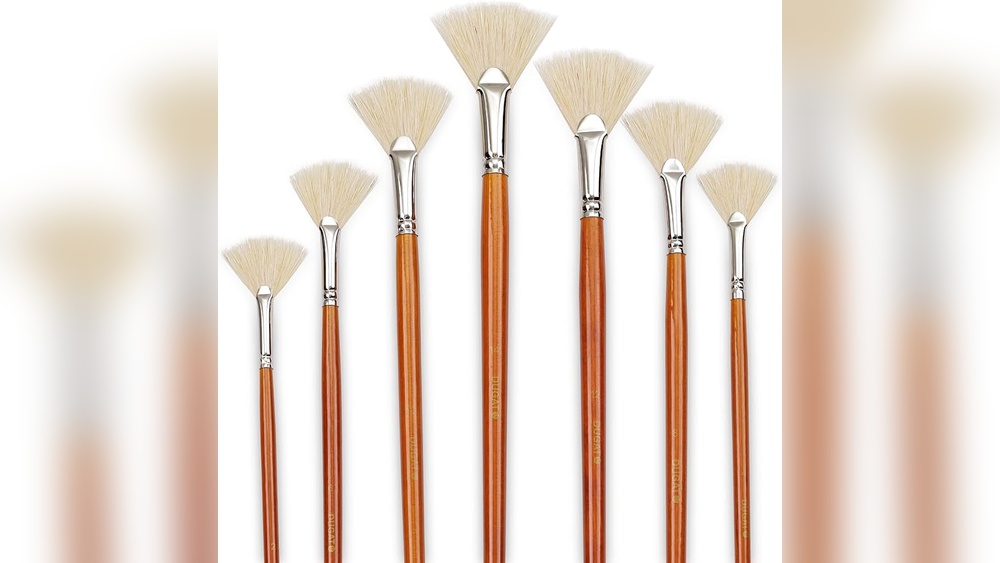
Quick answer: How long do paint brushes last? Artist brushes can last anywhere from a few weeks to many years. Cheap synthetic brushes used daily with acrylic may wear out in a few months, while well-made synthetic brushes often last a year or more with regular use, and carefully maintained natural-hair watercolor brushes can last a decade or longer. Lifespan depends mostly on care: rinsing before paint dries, washing with mild soap, reshaping the tip, drying flat or bristles-up, and never leaving brushes standing in water.
Brushes rarely die suddenly. They fade: the tip stops coming to a point, the bristles splay into a “fish tail,” paint builds up in the ferrule, and one day you notice you are fighting the brush instead of painting with it. Most of that decline is preventable, which is why two painters can use the same brush and get very different lifespans.
This guide covers how long paint brushes last by type and medium, the signs a brush is wearing out, the habits that wear brushes down fastest, and practical tips to extend their life, including small-tip detail brushes, long-handled brushes and brush pens. If you are replacing worn brushes, our guide to quality paint brushes for acrylic, oil and watercolor is a useful starting point.
How Long Do Paint Brushes Last? Typical Ranges
These are general estimates, not guarantees. Frequency of use, medium and care habits all shift the numbers.
| Brush type | Common medium | Typical lifespan with regular use and good care |
|---|---|---|
| Budget synthetic | Acrylic, crafts | Weeks to a few months |
| Mid-range synthetic | Acrylic, watercolor, gouache | Several months to a year or more |
| Professional synthetic | Acrylic, oil, watercolor | One to several years |
| Hog bristle | Oil, heavy body acrylic | Months to a few years; tips wear down with scrubbing |
| Natural soft hair (sable, squirrel) | Watercolor | Many years, sometimes a decade or longer |
| Detail and liner brushes (fine tip) | Any | Often the shortest lifespan; fine tips lose their point first |
| Brush pens and paint markers with brush tips | Ink, watercolor, acrylic markers | Varies; tips fray with pressure and rough paper |
What Determines How Long a Brush Lasts?
1. The medium
Acrylic is hardest on brushes because it dries quickly into a plastic film. Any paint left near the ferrule hardens and forces the bristles apart. Oil is gentler on the bristles but solvents and harsh cleaners can dry them out. Watercolor is the gentlest medium, since dried watercolor rewets.
2. The surface
Rough canvas, textured paper, wood and especially rocks act like sandpaper on bristle tips. Smooth surfaces are much easier on brushes.
3. Technique
Scrubbing, stippling, dry brushing and pressing the brush hard into the surface all speed up wear. These techniques are valid, but it is wise to use older brushes for them.
4. Cleaning and drying habits
This is the biggest factor. Brushes left with paint in them, stored wet with bristles pointing down, or left soaking in water wear out far faster than brushes cleaned and stored properly.
5. Construction quality
Good brushes have tightly crimped ferrules, well-glued bristles and resilient fibers that spring back. Cheap brushes may shed hairs, have loose ferrules or lose their shape after a few uses.
Signs Your Paint Brush Is Wearing Out
- The tip no longer points. Round and detail brushes lose their sharp point first.
- Splayed or “fish-tailed” bristles. Bristles spread outward and will not reshape even when wet.
- Hardened paint at the ferrule. The base feels stiff and the brush holds less paint.
- Shedding. Bristles fall out into your painting.
- Loose ferrule or cracked handle. Often caused by soaking.
- Bristles curled or bent permanently. Usually from resting on the tip in a water jar.
- Worn-down length. Bristle brushes, especially, get shorter with scrubbing.
Paint Brush Care Tips That Extend Lifespan
During painting
- Dampen the brush first. A lightly damp brush (with water for acrylic and watercolor) helps paint release during cleaning.
- Load paint only on the front half to two-thirds of the bristles. Keep paint out of the ferrule.
- Rinse frequently. With acrylic, rinse every few minutes or whenever you switch colors.
- Do not leave brushes standing in water. Resting on the tip bends bristles, and soaking swells wooden handles and loosens ferrules.
- Use a brush rest or lay brushes flat when you pause.
After painting
- Wipe excess paint on a paper towel or rag.
- Rinse in lukewarm water (not hot, which can loosen glue and set acrylic).
- Wash with mild soap or a brush cleaner, working lather gently from the ferrule toward the tip with your fingers or in your palm.
- Rinse until water runs clear.
- Reshape the bristles into their original form: a point for rounds, a sharp edge for flats.
- Dry flat or bristles-up. Storing bristles-down while wet lets water run into the ferrule.
For oil painters
Wipe excess paint, rinse in odorless mineral spirits or a safflower oil bath, then wash with soap and water. Avoid leaving brushes in solvent for long periods. A small amount of brush conditioner can keep natural bristles supple.
Detail Brushes: Small Tip and Fine Tip Care
Detail paint brushes with fine tips are usually the first to fail, simply because a few damaged hairs ruin the point. To protect them:
- Use detail brushes only for detail. Do not use them to mix paint on the palette.
- Thin paint slightly so you do not need to press hard.
- Keep the plastic protective cap they came with, and put it back on only once the brush is completely dry.
- Clean immediately after use, especially with acrylic.
- Consider a dedicated set of small-tip acrylic brushes kept separate from your general brushes.
Fine-tipped watercolor brushes with thin tips benefit from storing in a roll or case where the tips cannot touch anything.
Flat Tip and Long-Handle Brushes
Flat brushes, including small flat tip paint brushes, lose their crisp edge when paint dries in the bristles or when they are pushed into the surface. Clean them thoroughly and reshape the edge by pinching gently while wet.
Long-handled brushes, common for oil painting and easel work, are prone to damage if left standing in jars where handles get knocked. Store them upright in a jar, bristles up, only once they are dry, or lay them flat in a drawer or roll. A brush cleaner with a long handle reach, such as a tall rinse container, helps when cleaning long-handled flats and fans so the ferrule does not get bumped.
Brush Pens and Paint Marker Brush Tips
Brush pens and acrylic paint markers with brush tips have fiber or synthetic tips that wear out differently from traditional brushes.
Tips for using watercolor brush pens
- Use smooth, heavy paper; rough paper frays tips quickly.
- Use light pressure and let the tip flex naturally.
- Clean water brush tips by squeezing water through them and wiping on a paper towel.
- Store pens horizontally if the manufacturer recommends it, to keep ink evenly distributed.
Acrylic paint markers with brush tips
- Prime the tip on scrap paper before each use; pressing hard on the work can damage the tip.
- Cap immediately after use; dried acrylic in a brush tip is very hard to fix.
- Avoid using them on rough surfaces like raw wood or concrete unless designed for it.
- Some markers have replaceable tips, which extends their life considerably.
Alcohol marker brush tips should be capped tightly and used on smooth marker paper. Many marker lines sell replacement nibs as well.
How to Restore a Worn Brush
- Deep clean: soak only the bristles (not the ferrule) in a dedicated brush cleaner or restorer, following its instructions.
- Remove dried acrylic: rubbing alcohol or a brush restorer can soften dried acrylic in synthetic brushes; work it out gently with a comb or fingers.
- Reshape with heat (synthetic only): briefly dipping splayed synthetic bristles in hot (not boiling) water can sometimes help them return to shape. Reshape immediately. Do not do this with natural hair or wooden handles.
- Use a brush shaper or soap: coat bristles with brush soap, shape them, and let them dry overnight. Rinse before the next use.
- Trim stray hairs carefully with sharp scissors, if just one or two hairs are out of line.
Repurposing Old Brushes
A brush that can no longer do detail work can still be useful:
- Scrubbing in texture and stippling
- Dry brushing and scumbling
- Applying gesso, glue or mediums
- Mixing paint on the palette
- Masking fluid application (it often damages brushes anyway)
- Splatter effects and stencil work
Keeping a jar of “rough” brushes saves your good ones from these tough jobs and extends their life significantly.
Brush Lifespan: Habits That Help vs. Habits That Hurt
| Helps brushes last | Shortens brush life |
|---|---|
| Rinsing frequently during painting | Letting acrylic dry in bristles |
| Washing with mild soap after each session | Using harsh solvents or hot water |
| Reshaping bristles after cleaning | Leaving brushes bristles-down in water jars |
| Drying flat or bristles-up | Drying bristles-down |
| Using old brushes for rough jobs | Scrubbing with fine detail brushes |
| Loading paint away from the ferrule | Dipping brushes to the ferrule |
| Storing in a roll, case or upright jar when dry | Tossing brushes loose in a bag |
Storing Brushes the Right Way
Storage causes as much damage as painting. Choose a method based on how you work:
- Upright jar or cup: great for brushes in daily use, but only once they are completely dry and always bristles-up.
- Brush roll (canvas or bamboo): protects tips during travel and allows air circulation; ideal for watercolor and detail brushes.
- Hard brush case or box: best for long-term storage and expensive brushes; make sure brushes are fully dry first to avoid mildew.
- Flat drawer: fine for long-handled brushes if the tips are not crushed by other tools.
Natural-hair brushes in long-term storage can attract moths and other insects. A sealed case with a cedar block or similar natural deterrent helps protect them.
A Simple Brush Maintenance Routine
- Every session: rinse often while painting, wash with mild soap at the end, reshape and dry flat or bristles-up.
- Every week (if you paint often): give your most-used brushes a deeper wash, working soap into the base of the bristles to remove buildup near the ferrule.
- Every month: inspect all brushes. Move worn brushes to your rough-use jar, condition natural bristles if you use oil, and check ferrules and handles for looseness or cracks.
- Every few months: treat stubborn buildup in synthetic brushes with a brush restorer, and replace any brush that no longer does its main job.
The whole routine takes only a few minutes per session, and it is the difference between replacing brushes every few months and keeping favorites for years.
When to Replace a Brush
Replace a brush when it actively hinders your work: a round that will not point for details, a flat that will not make a clean edge, or any brush that sheds hairs into your painting. Brushes that no longer perform their main job can move to your rough-use jar. For those wondering how a well-made set holds up compared with budget brushes, our Princeton synthetic brush review covers durability considerations for one popular synthetic line.
FAQs
How long do paint brushes last?
It varies widely. Budget brushes may last weeks to months with heavy acrylic use, good synthetics often last a year or more, and well-maintained natural watercolor brushes can last many years.
Why do my acrylic brushes wear out so fast?
Usually because acrylic dries in the bristles near the ferrule, forcing them apart. Rinse often, keep paint away from the ferrule and wash with soap after each session.
Can I leave brushes in water overnight?
It is best not to. Standing on the tip bends bristles, and soaking can swell wooden handles and loosen ferrules. Clean brushes and lay them flat instead.
How do I keep fine tip detail brushes pointed?
Use them only for details, clean them promptly, reshape the tip with soap or a brush shaper, and store them so the tip is protected.
Can a ruined acrylic brush be saved?
Sometimes. A brush restorer or rubbing alcohol can soften dried acrylic in synthetic brushes. If the bristles remain splayed, repurpose the brush for texture or applying mediums.
How do I clean brush pen tips?
For water brush pens, squeeze clean water through the tip and wipe on a paper towel until it runs clear. For markers, cap them immediately and replace tips if the brand offers replacements.
Next Step
How long your paint brushes last depends far more on care than on price alone. Rinse before paint dries, wash with mild soap, reshape, dry flat or bristles-up, and keep a separate set of old brushes for rough work. Those habits can add months or years to every brush you own.
When it is time to replace a favorite, start with brushes built to last. Our guide to the best paint brushes for smooth, reliable strokes covers options across shapes, sizes and media.