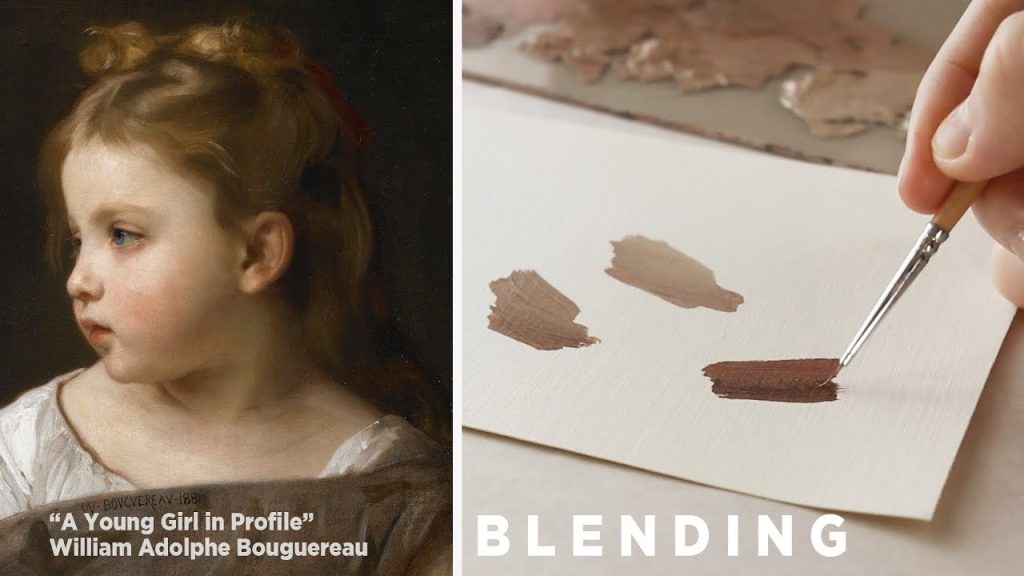
Oil painting is a beautiful art form. One of the most important skills is smooth blending. This article will teach you how to achieve smooth blending in oil paintings.
Why Smooth Blending is Important
Smooth blending makes your paintings look realistic. It creates a sense of depth and light. Without blending, your painting can look flat and dull.

Credit: www.seattleartistleague.com
Materials You Will Need
Before you start, gather these materials:
- Oil paints
- Canvas
- Brushes
- Palette knife
- Palette
- Linseed oil or other medium
- Rags or paper towels
- Palette paper
Step-by-Step Guide to Smooth Blending
1. Prepare Your Canvas
Start with a primed canvas. Apply a thin layer of gesso if needed. Let it dry completely.
2. Choose Your Colors
Select the colors you want to blend. Make sure they are compatible. For example, blending blue and yellow will give you green.
3. Apply The First Layer
Apply a thin layer of paint to your canvas. Use a large brush. Cover the entire area where you want to blend.
4. Use A Medium
Add a medium like linseed oil. This will help the paint flow better. It also makes blending easier.
5. Blend With A Dry Brush
Use a dry brush to blend the colors. Move the brush in small circles. This will mix the colors smoothly.
6. Use A Palette Knife
A palette knife can also help with blending. Use it to mix colors on your palette first. Then, apply the mixed color to your canvas.
7. Use Your Fingers
You can also use your fingers to blend. This gives you more control. Be careful not to smudge too much.
8. Clean Your Brush
Clean your brush often. Use a rag or paper towel. This prevents muddy colors.
9. Layer Your Paint
Build up layers slowly. Let each layer dry before adding more paint. This helps with smooth blending.
10. Use Glazing
Glazing is a technique where you apply a thin layer of transparent paint. This can help with blending. It also adds depth to your painting.
Common Mistakes to Avoid
Here are some common mistakes and how to avoid them:
- Using too much paint: Use thin layers.
- Not cleaning your brush: Clean it often.
- Rushing: Take your time.
- Using incompatible colors: Choose colors that blend well.
Practice Makes Perfect
Blending takes practice. Don’t get discouraged if it doesn’t look perfect at first. Keep practicing and you will improve.

Credit: m.youtube.com
Frequently Asked Questions
What Is The Best Brush For Blending?
A soft, round brush works best for smooth blending in oil paintings.
How Do You Blend Oil Paints Smoothly?
Use a dry, clean brush to gently feather the edges between colors for seamless blending.
Can You Blend Oil Paint With Water?
No, oil paints are not water-soluble. Use linseed oil or turpentine for blending instead.
What Medium Helps In Blending Oils?
Linseed oil and mineral spirits help in achieving smoother blends in oil paintings.
Conclusion
Smooth blending in oil paintings is a skill you can learn. With the right materials and techniques, you can create beautiful, realistic paintings. Remember to practice and be patient. Happy painting!