Blending colors in watercolor painting can be fun. It makes your paintings look amazing. This guide will show you how. It’s easy to follow and perfect for beginners.
Credit: www.craftsy.com
Why Blending Colors is Important
Blending colors helps make your painting look smooth. It adds depth and interest. Without blending, colors can look harsh and flat.
What You Need
- Watercolor paints
- Watercolor paper
- Brushes
- Water
- Paper towel
Steps To Blend Colors
Step 1: Wet Your Brush
Start by wetting your brush with water. Make sure it’s not too wet. It should be damp but not dripping.
Step 2: Load Your Brush with Paint
Pick the first color you want to use. Load your damp brush with this color. Make sure to get enough paint on your brush.
Step 3: Apply the First Color
Apply the first color to your paper. Use smooth, even strokes. This will be your base color.
Step 4: Clean Your Brush
Clean your brush in water. Make sure there is no paint left. You can use a paper towel to wipe it clean.
Step 5: Load Your Brush with the Second Color
Pick the second color you want to use. Load your clean, damp brush with this color.
Step 6: Apply the Second Color
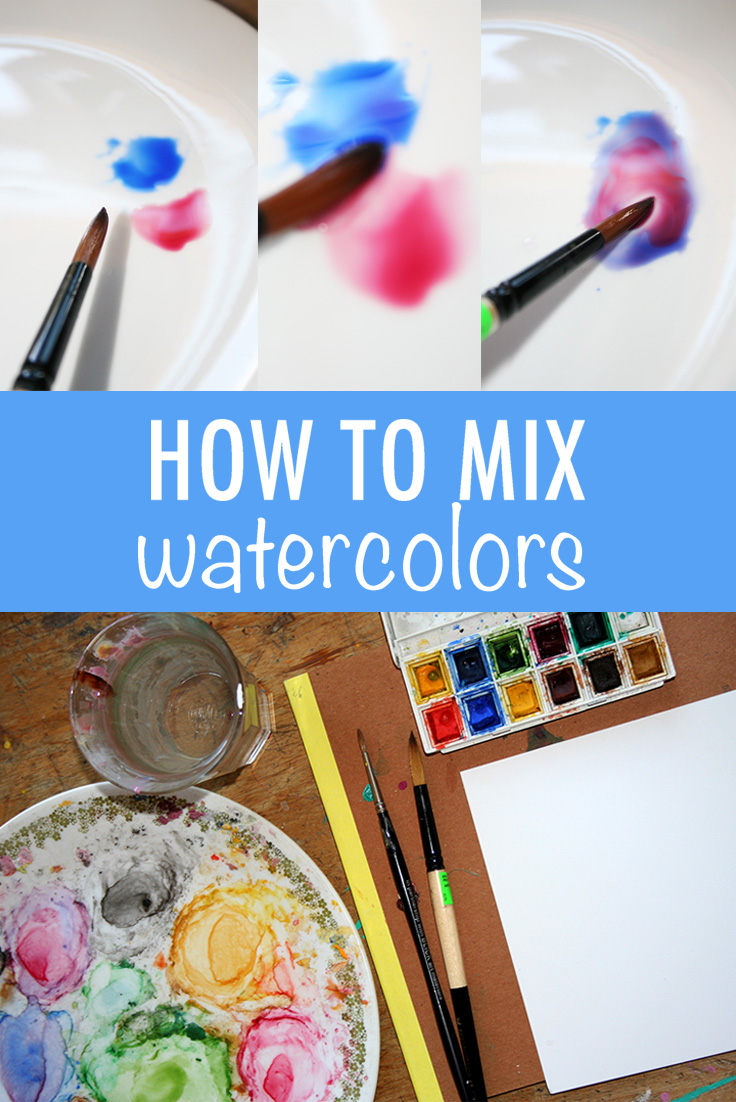
Apply the second color next to the first one. Use smooth strokes again. Make sure the colors touch each other.
Step 7: Blend the Colors
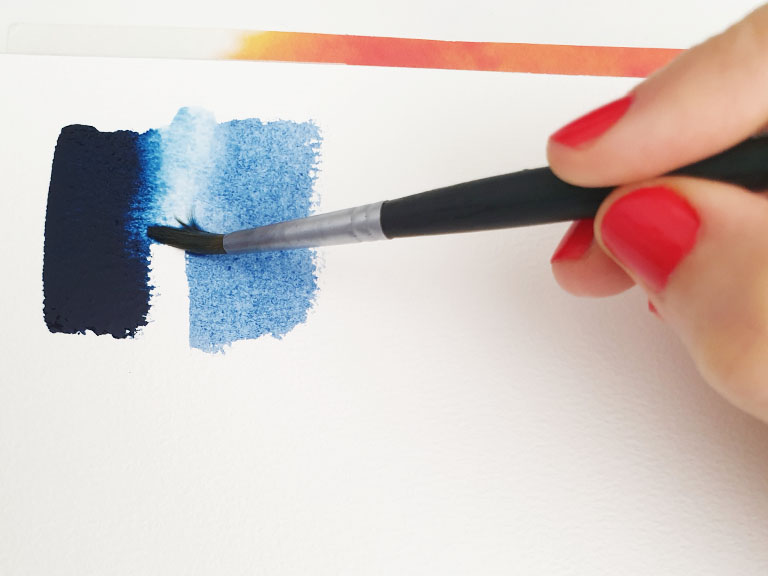
Now, clean your brush again. Use the damp brush to blend the two colors. Move the brush back and forth where the colors meet. This will create a smooth transition.
Tips For Better Blending
- Use clean water for each new color.
- Practice blending with different colors.
- Don’t use too much water. It can make the colors bleed.
- Experiment with different brushes. Some brushes blend better than others.
- Be patient. Blending takes practice to get right.

Credit: m.youtube.com
Common Mistakes to Avoid
Even experts make mistakes. Here are some common mistakes and how to avoid them:
Using Too Much Water
Too much water can make colors bleed. This ruins your painting. Use a damp brush, not a wet one.
Not Cleaning Your Brush
Always clean your brush between colors. This keeps your colors pure and bright.
Rushing the Blending
Take your time. Rushing can make the colors look muddy. Slow and steady wins the race.
Advanced Blending Techniques
Once you’re comfortable, try these advanced techniques:
Wet-on-Wet Technique
Wet your paper before applying paint. Colors will blend easily on the wet surface. This creates a soft, dreamy effect.
Glazing Technique
Apply a thin layer of color over a dry layer. This adds depth and richness. It helps create shadows and highlights.
Layering Technique
Let each layer dry before adding the next. This helps build up color and texture. It’s great for detailed paintings.
Conclusion
Blending colors in watercolor painting is a skill worth mastering. It makes your artwork look professional and beautiful. Follow these steps and tips to get started. Practice makes perfect. Happy painting!
Frequently Asked Questions
What Is Color Blending In Watercolor?
Color blending in watercolor involves mixing two or more colors to create a smooth transition or new color.
How Do You Blend Watercolor Paints?
Start by applying one color, then add a second color while both are still wet to blend seamlessly.
What Tools Help In Blending Watercolors?
Brushes, sponges, and blending mediums are essential tools for effective watercolor blending.
Can Beginners Blend Watercolors Easily?
Yes, with practice and basic techniques, beginners can achieve smooth color blends.