Are you ready to take your acrylic painting to the next level? Adding texture can transform your artwork, making it more dynamic and full of life.
Imagine your paintings not just as flat images but as pieces you can almost feel with your hands. In this guide, you’ll discover simple, effective techniques to create rich textures with acrylic paint. Whether you’re a beginner or looking to add new skills, these tips will help you bring depth and interest to every stroke.
Keep reading, and unlock the secret to making your paintings truly stand out.
Choosing The Right Acrylic Paint
Choosing the right acrylic paint is key to creating texture that stands out in your artwork. Not all acrylic paints behave the same way, and understanding their differences helps you control the texture you want. You might have tried a smooth finish and wished for more dimension—selecting the right paint can solve that.
Heavy Body Vs. Fluid Paint
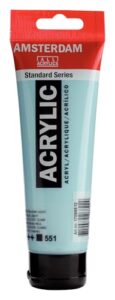
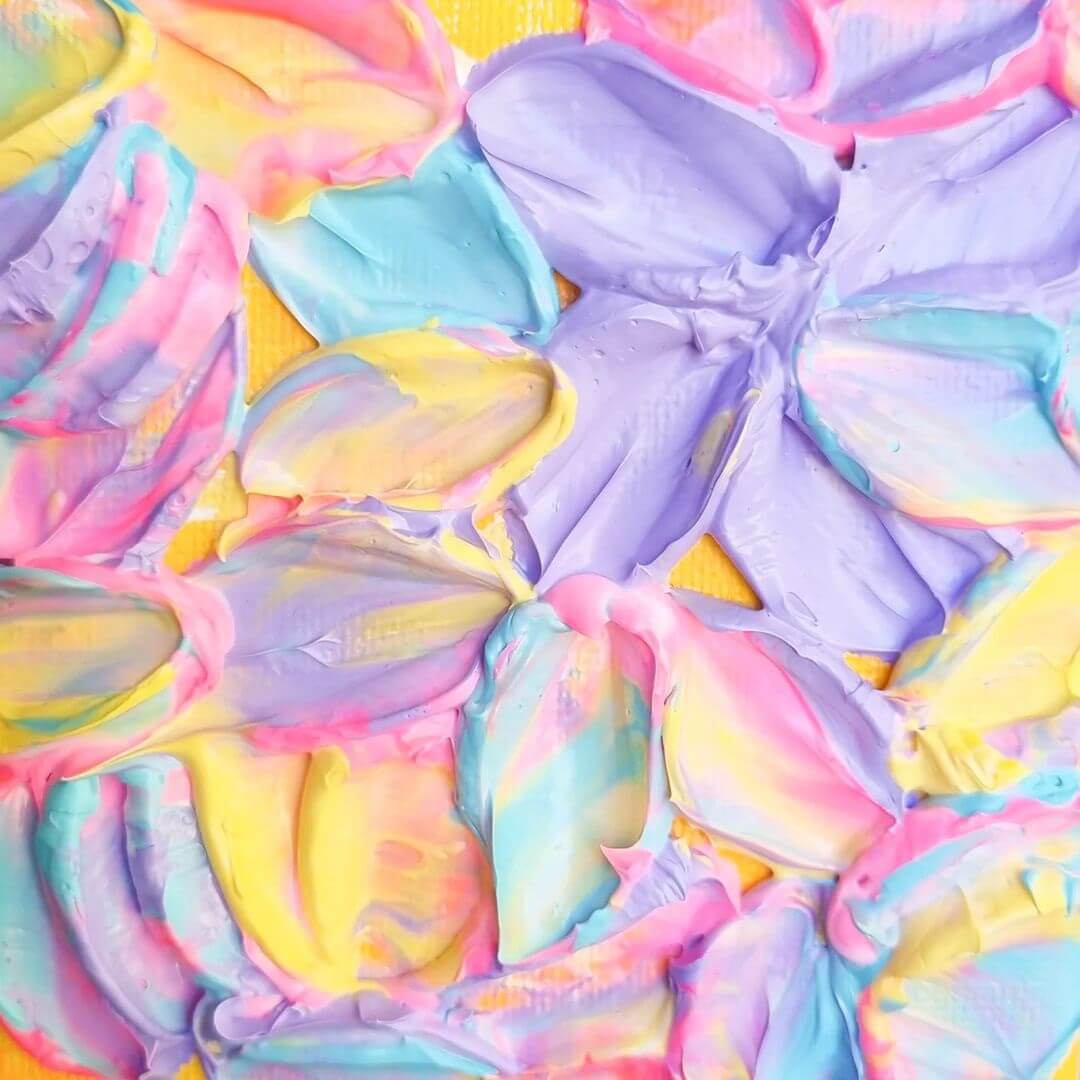
Heavy body acrylics have a thick, buttery consistency. They hold peaks and brushstrokes well, making them perfect if you want strong, visible texture. You can literally sculpt with them on your canvas.
Fluid acrylics are much thinner and pourable. They spread easily and are great for glazing or smooth washes but don’t naturally build texture. However, you can layer fluid paint to create subtle texture if you like softer effects.
Think about your painting style. Do you want bold, chunky strokes or smooth layers? I once tried fluid paint for texture and found it frustrating until I switched to heavy body paints. The difference was immediate.
Using Texture Mediums
Texture mediums are additives you mix with acrylic paint to boost texture without changing the paint’s color or drying time too much. You can add sand, gels, or pastes to create everything from gritty surfaces to thick, raised areas.
Gel mediums, for example, increase thickness and can keep brush marks sharp. Modeling paste is thicker and can be shaped like clay before it dries. These mediums give you control over how your texture looks and feels.
Have you tried mixing texture mediums with your paint yet? It’s a simple way to expand your creative options and add depth to your work without buying new paint. Start with small amounts and experiment to see what effects you like best.

Credit: www.montmarte.com
Essential Tools For Texture
Creating texture with acrylic paint requires the right tools. These tools help you shape, carve, and build layers for a rich surface. Choosing the correct tools makes your texture more interesting and easier to achieve.
Palette Knives And Brushes
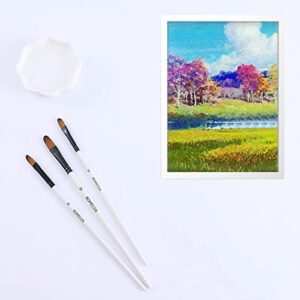
Palette knives are perfect for spreading thick paint. They create sharp edges and rough surfaces. You can scrape paint, build up layers, or make patterns. Brushes come in many shapes and sizes. Stiff bristle brushes add rough texture. Soft brushes smooth out paint or blend layers gently. Use different brush strokes for varied effects.
Sponges And Other Tools
Sponges add a unique, natural texture. Dab or drag them across wet paint. They create spots, dots, or rough patches. Other tools include combs, rags, or even old toothbrushes. Dragging a comb through paint makes lines and grooves. Rags can blot or wipe paint for a textured look. Experiment with these tools for creative results.
Techniques To Add Texture
Creating texture with acrylic paint makes your artwork more lively and interesting. Texture adds depth and a tactile feel to your paintings. Different techniques help you achieve various textures. Each method changes how the paint looks and feels on the canvas.
Impasto Technique
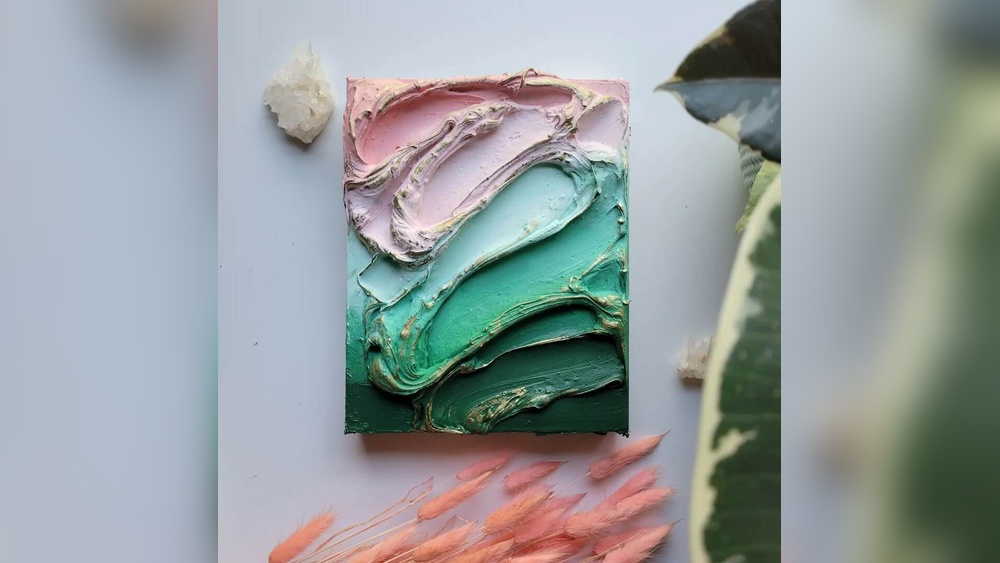
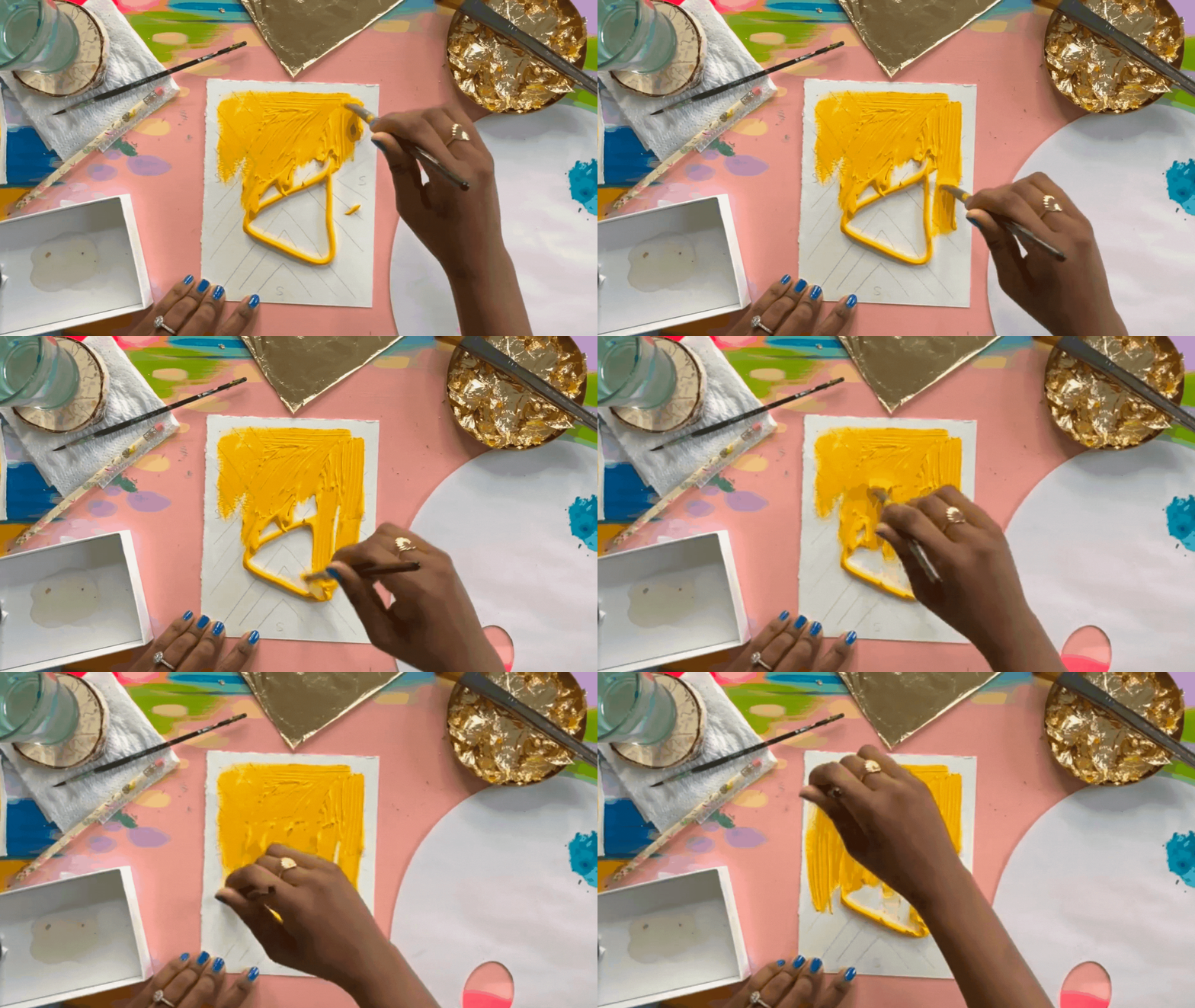
The impasto technique uses thick paint layers. Apply the paint with a palette knife or a stiff brush. This method creates raised, 3D areas on the canvas. It captures light and shadow in a unique way. The thick paint can hold brush or knife marks. This adds energy and movement to your work.
Dry Brushing
Dry brushing uses very little paint on a dry brush. Lightly drag the brush across the surface. This leaves scratchy, uneven marks. It works well for rough textures like wood or fabric. Dry brushing can create a soft, worn look. It’s a simple way to add subtle texture.
Sgraffito Method
Sgraffito means scratching through a paint layer. Use a sharp tool to scratch lines or shapes. This reveals the paint or surface underneath. It adds fine details and interesting patterns. Sgraffito works best with thick, still-wet paint. It gives your painting a raw, expressive texture.
Layering For Depth
Layering for depth is a key technique to create texture with acrylic paint. It helps paintings look rich and full. By adding multiple layers, you build a sense of dimension. Each layer adds something new to the artwork. This method makes the surface more interesting to the eye. It also allows light to interact with the paint in different ways.
Building Up Paint Layers
Start with a thin layer of paint on your canvas. Let it dry completely before adding the next layer. Use thicker paint or a palette knife for some layers. This creates a raised surface that adds real texture. Change colors or tones between layers for more depth. Each layer should be different to avoid a flat look. Take your time and be patient. Drying time is important to keep layers separate.
Using Glazes And Washes
Glazes are thin, transparent layers of paint. They let the colors underneath show through. Mix acrylic paint with water or glazing medium. Apply glazes over dry layers to change the color tone softly. Washes are similar but more watery and light. Use washes to add subtle color changes and highlights. Both glazes and washes add depth without hiding details. They make your texture look natural and smooth.
Incorporating Mixed Media
Incorporating mixed media into acrylic painting adds exciting textures. It makes your artwork more lively and interesting. Mixed media means using materials other than paint on your canvas. These materials create rough or smooth surfaces that catch light differently.
This technique lets you experiment and gives your paintings a unique feel. You can combine natural and man-made items with acrylic paint. The results can surprise you with their depth and character.
Adding Sand And Grit
Sand and grit are easy materials to use in acrylic texture. Mix dry sand with your paint to thicken it. This mix creates a gritty, rough surface on the canvas. You can also sprinkle sand over wet paint. It sticks and dries into a natural, sandy texture.
Different sands offer various effects. Fine sand gives a subtle grainy look. Coarse sand makes strong, bold texture. Use these textures for landscapes or abstract art. Sand adds an earthy feel that paint alone cannot achieve.
Using Paper And Fabric
Paper and fabric bring soft, layered textures to acrylic art. Tear pieces of paper or fabric and glue them on the canvas. Cover these pieces with paint to blend them into your artwork. These layers create raised surfaces and interesting patterns.
Try using newspaper, tissue, or cloth scraps for varied textures. Fabric adds folds and creases that catch paint uniquely. Paper can be crumpled or smooth, changing the final look. These materials give your painting depth and tactile quality.
Credit: www.ettavee.com
Finishing Touches
Finishing touches bring your textured acrylic painting to life. They protect your work and enhance its details. These final steps give your painting a polished and lasting look.
Sealing Textured Paintings
Sealing protects the paint and texture from dust and damage. Use a clear acrylic varnish or sealer made for textured paintings. Choose matte, satin, or gloss finish based on your style.
Apply the sealer with a soft brush or spray for even coverage. Let it dry completely before handling the painting. Sealing keeps your textures safe and vibrant over time.
Highlighting Textured Areas
Highlighting textured areas adds depth and draws attention. Use a dry brush with a lighter paint color to gently touch raised parts. This technique emphasizes the texture without covering it.
Another way is to use metallic or iridescent paints on edges. This makes the texture catch the light beautifully. Highlighting helps create a dynamic and interesting finish.
Credit: www.montmarte.com
Frequently Asked Questions
What Materials Create Texture With Acrylic Paint?
Use modeling paste, gels, sand, or fabric to add texture. These materials mix well with acrylics and dry fast, creating raised, tactile effects on your canvas.
How To Apply Acrylic Paint For Textured Effects?
Apply thick layers with palette knives or brushes. Use stippling or impasto techniques to build texture and depth in your painting.
Can Household Items Add Texture To Acrylic Paintings?
Yes, items like sponges, toothbrushes, and combs create unique patterns. Experiment with different tools to achieve various textured effects easily.
How Long Does Acrylic Texture Take To Dry?
Drying time depends on thickness and additives used. Thin layers dry in 10–30 minutes; thick textured layers may take several hours or overnight.
Conclusion
Creating texture with acrylic paint adds life to your artwork. Try different tools and techniques to see what works best. Thick layers and varied strokes bring depth and interest. Experimenting helps you find your own unique style. Keep practicing and enjoy the process of making art.
Texture makes your paintings stand out and feel real. Let your creativity flow and have fun with paint.