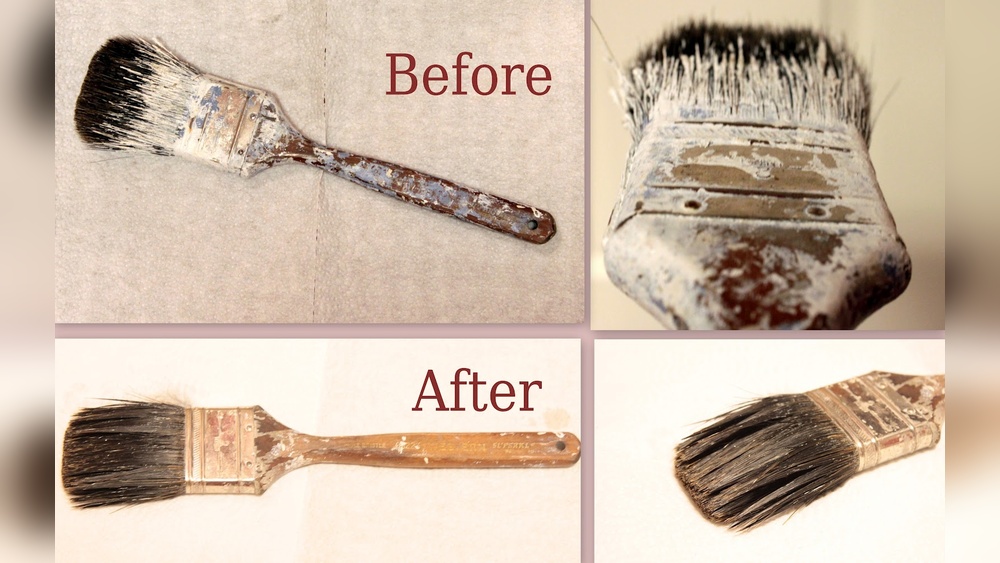
Have you ever picked up a paintbrush only to find it stiff with dried paint, making your next project feel impossible? You’re not alone, and the good news is you don’t have to toss those brushes away.
Knowing how to get dried paint out of paint brushes can save you money, time, and frustration. In this guide, you’ll discover simple, effective methods to restore your brushes to their former glory—so you can get back to creating with ease.
Stick with me, and you’ll learn the tricks that professional painters use to revive even the toughest, hardened brushes. Ready to bring your tools back to life? Let’s dive in.

Credit: www.cbreier.com
Causes Of Dried Paint
Dried paint on brushes happens for many reasons. Understanding these causes helps prevent damage. It also guides how to clean brushes properly.
Paint can harden fast or slow depending on its type and environment. Knowing how paint dries on brushes is key to saving them.
Common Paint Types That Harden
Oil-based paints dry slowly but form a hard shell. Acrylic paints dry quickly and become stiff fast. Latex paints also dry fast and may harden on brushes.
Each paint type reacts differently with air and brush fibers. This affects how and when paint hardens on brushes.
How Paint Dries On Brushes
Paint dries by losing moisture and reacting with air. Water-based paints dry as water evaporates. Oil paints dry through oxidation, a chemical reaction.
Drying causes paint to stick tightly to brush bristles. This makes removal difficult if not cleaned soon after use.
Impact Of Drying Time
The longer paint stays on a brush, the harder it becomes. Quick cleaning prevents paint from setting and ruining brushes. Slow drying paints give more cleaning time but still need attention.
Leaving brushes overnight or longer with paint on them leads to tough, dried paint layers. This increases cleaning effort or may require replacement.
Tools For Cleaning Brushes
Cleaning dried paint from brushes requires the right tools. Using proper supplies makes the process easier and protects the brush. Having the correct equipment helps restore your brushes to a usable state. Below are key tools that assist in cleaning dried paint effectively.
Essential Cleaning Supplies
Start with a good solvent or brush cleaner. Mineral spirits work well for oil-based paint. Warm soapy water suits water-based paints. Use a small container to soak brushes. Paper towels help wipe off excess paint. A sturdy bowl or bucket keeps your workspace clean.
Using Combs And Brushes
Brush combs remove paint trapped between bristles. They reach deep where fingers cannot. Fine-toothed combs help separate stiff bristles. Stiff cleaning brushes scrub off dried paint. Use gentle strokes to avoid damage. These tools revive brush flexibility.
Protective Gear Tips
Wear gloves to protect your skin from chemicals. Safety glasses prevent splashes from entering your eyes. Work in a well-ventilated area to avoid fumes. Old clothes or aprons keep paint stains off your clothes. Proper protection ensures a safe cleaning process.
Soaking Methods
Soaking methods are effective for loosening dried paint from brushes. They help soften the hardened paint, making it easier to remove. These methods work well for different paint types and brush conditions. Patience is key, as soaking can take several hours or overnight.
Murphy’s Oil Soap Technique
Fill a container with warm water and add Murphy’s Oil Soap. Soak the dried paintbrush in the solution overnight. The soap breaks down the paint without damaging bristles. After soaking, use a comb or brush cleaner to remove softened paint. Rinse the brush thoroughly with clean water.
Vinegar Soak For Latex Paint
Heat white vinegar until warm but not boiling. Pour the warm vinegar into a glass or jar. Submerge the brush in the vinegar for about an hour. The vinegar softens latex paint stuck on the bristles. After soaking, comb out the paint and rinse with soap and water.
Commercial Brush Softeners
Many stores sell brush softeners designed for dried paint removal. Follow the product instructions for best results. Usually, soak the brush in the softener for a few hours. These products break down tough paint and protect bristles. After soaking, clean the brush with water and mild soap.
Manual Paint Removal
Manual paint removal is a practical way to clean dried paint from brushes without harsh chemicals. This method focuses on physically loosening and removing paint using simple tools and careful techniques. It works well for brushes with hardened paint that still has some flexibility.
Patience is key. Taking time to gently work the paint out protects your brush and extends its life. The following steps guide you through manual removal methods that anyone can try at home.
Using A Plastic Comb
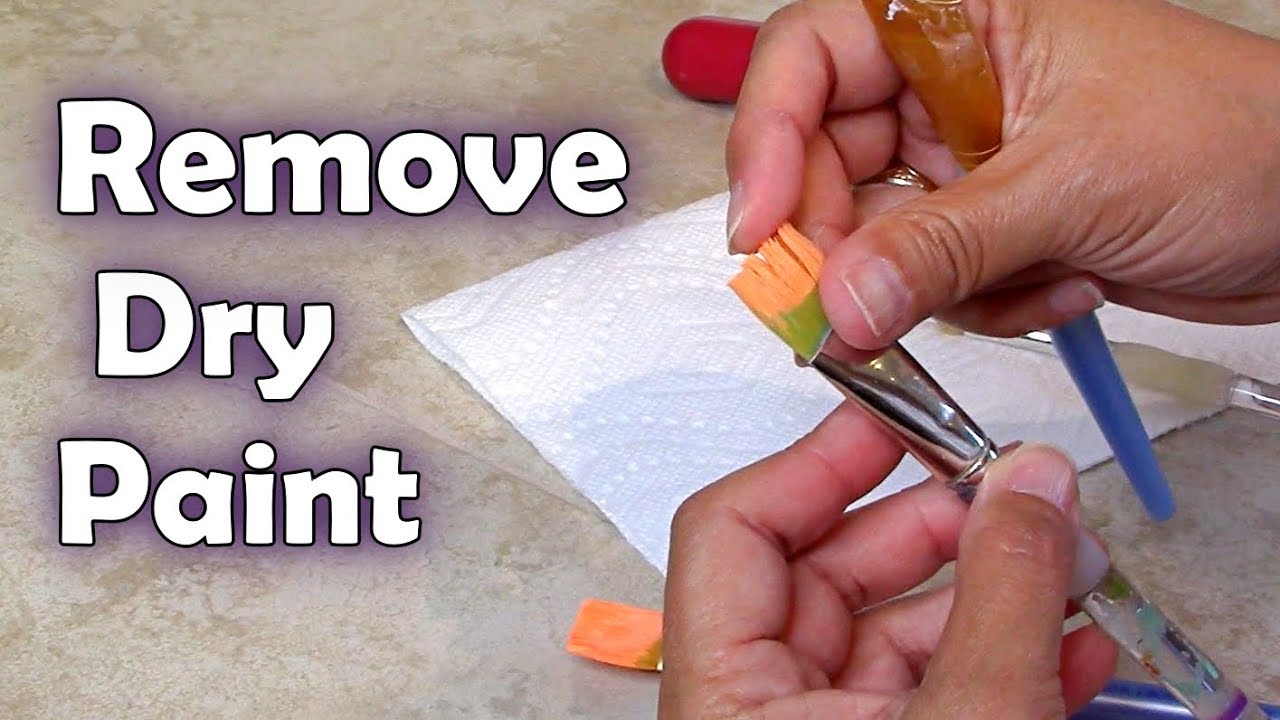
A plastic comb helps separate bristles and remove dried paint stuck between them. Run the comb gently from the base to the tip of the bristles. This breaks up clumps and loosens paint chunks.
Use a comb with wide teeth to avoid bending or breaking bristles. Repeat the process several times until most paint is removed.
Gentle Scraping Techniques
Use a flat tool like a putty knife or the edge of a plastic card for scraping paint off. Hold the brush firmly and scrape carefully along the bristles’ length.
Work slowly to avoid pulling out bristles. Scrape in small sections to control pressure and prevent damage.
Avoiding Damage To Bristles
Always handle the brush with care to keep bristles intact. Avoid using metal tools that can cut or bend them. Never force a tool through the bristles.
Keep the brush damp during cleaning to soften paint and reduce stress on bristles. Stop scraping if bristles start to fray or break.
Heat And Water Treatment
Heat and water treatment is a simple way to soften dried paint on brushes. Warm water helps loosen hardened paint, making it easier to remove. Applying heat breaks down the paint’s grip on bristles. This method works well for both water-based and some oil-based paints. Use care to avoid damaging your brushes during the process.
Swirling Brushes In Boiling Water
Boil water in a pot or kettle. Dip the paintbrush bristles carefully into the boiling water. Swirl the brush gently to let the heat soften the dried paint. Keep swirling for several minutes. The heat loosens the dried paint, which you can then comb out or rinse away. Avoid submerging the whole brush, especially the handle, to protect it from damage.
Steam Cleaning Benefits
Steam is a gentle way to treat dried paint on brushes. It moistens and heats the bristles without soaking them. Hold the brush over steam for a few minutes. The steam softens the paint, making it easier to remove. This method preserves the shape and quality of the brush. Steam cleaning is ideal for delicate or expensive brushes.
Temperature Safety Tips
Use caution with heat to protect your brushes. Avoid boiling the entire brush, as glue may weaken. Keep the handle away from hot water or steam. Use heat only on the bristle area. Allow brushes to cool before cleaning thoroughly. Test a small section first to ensure no damage occurs. Proper heat use extends brush life and cleans effectively.
Credit: icg.co
Cleaning And Rinsing
Cleaning and rinsing paint brushes is a key step to restore them after removing dried paint. This process removes leftover paint particles and keeps bristles soft. Proper cleaning also prepares brushes for the next use, extending their life. Follow the steps below to wash, reshape, and store your brushes correctly.
Washing With Soap And Water
Start by running the brush under warm water. Use mild soap or dish detergent to create foam. Gently rub the bristles with your fingers to remove paint residue. Avoid harsh scrubbing to protect the bristles. Rinse the brush thoroughly until the water runs clear. Repeat the process if paint remains trapped.
Reshaping Bristles Post-cleaning
After washing, gently squeeze out excess water from the bristles. Use your fingers to reshape the brush tip into its original form. Straighten any bent or splayed hairs carefully. Proper reshaping prevents damage and helps the brush maintain its paint-holding ability. This step also makes the brush ready for drying.
Drying And Storage Advice
Lay the brush flat on a clean towel to dry naturally. Avoid standing the brush upright, which can distort bristles. Keep the brush away from direct sunlight or heat sources. Once dry, store brushes in a cool, dry place with bristles protected. Use a brush cover or wrap to keep bristles in shape and dust-free.
Preventing Brush Damage
Preventing damage to your paint brushes saves you time and money. Keeping brushes in good condition helps them last longer. It also makes cleaning dried paint easier. Simple care steps protect the bristles and the handle. Here are three key tips to keep your brushes soft and ready for use.
Avoiding Ferrule Submersion
The ferrule is the metal part holding bristles to the handle. Avoid soaking this area in water or solvents. Submersion can loosen the glue and cause bristles to fall out. Only dip the bristles into the cleaning solution. This keeps the brush intact and sturdy for many uses.
Proper Cleaning Frequency
Clean brushes immediately after use. Letting paint dry on bristles makes removal hard. Frequent cleaning stops paint from hardening. Use warm water and soap or the right solvent. Quick cleaning keeps bristles soft and flexible. It also prevents buildup that damages the brush.
Storage Tips To Keep Brushes Soft
Store brushes properly after cleaning. Hang brushes with bristles down or lay them flat. Avoid standing them upright on the bristles. This keeps bristles straight and prevents bending. Cover brush heads with a protective sleeve or wrap. Proper storage keeps brushes soft and ready for the next job.
Credit: www.addicted2decorating.com
Expert Hacks And Tips
Removing dried paint from brushes can be tough. Expert hacks make this task easier. These tips help save your brushes and keep them ready for the next job. Follow the tricks below to restore, fix, and care for your brushes.
Restoring Old, Hard Brushes
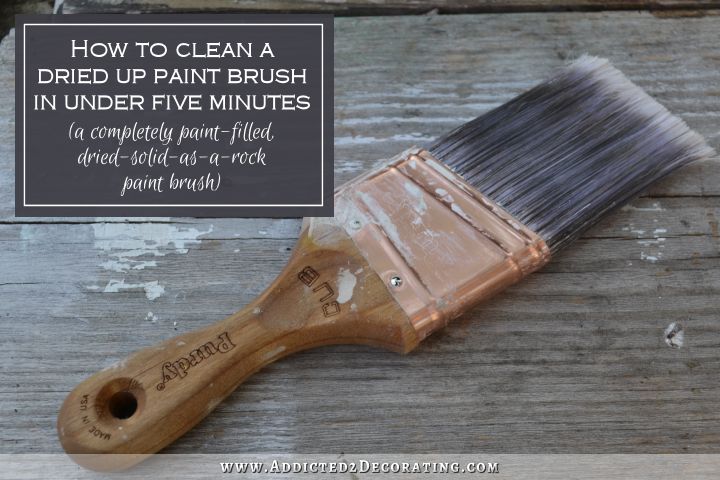
Soak brushes in warm vinegar for 1 hour to soften paint. Use a comb or brush cleaner to remove loosened paint. Repeat soaking if paint remains hard. For stubborn paint, use a small amount of rubbing alcohol. Rinse brushes with warm water and soap after treatment. Let brushes dry naturally, shaping bristles for best results.
Quick Fixes For Forgotten Brushes
Soak brushes overnight in Murphy’s Oil Soap to loosen dried paint. Use your fingers or a comb to pull paint out gently. For fast cleanup, use a brush restorer or commercial brush cleaner. Warm water helps soften paint on synthetic bristles. Always rinse thoroughly to avoid damage to the brush.
Long-term Brush Care Strategies
Clean brushes immediately after use to prevent paint from drying. Use the right cleaner for oil-based or water-based paints. Store brushes by hanging or flat to keep bristles straight. Avoid soaking brushes too long in water; it weakens glue. Regularly condition bristles with brush oil to keep them soft. Proper care extends brush life and keeps paint jobs smooth.
Frequently Asked Questions
How To Get Dried Paint Off A Paint Brush?
Soak the brush overnight in Murphy oil soap. Use a plastic comb to remove softened paint. Rinse with warm water and soap, reshape bristles, and let dry. Avoid submerging the metal ferrule to protect glue.
How Do You Soften Paint Brushes That Have Gone Hard?
Soak the brush overnight in Murphy’s oil soap or warm vinegar. Use a comb to gently remove softened paint. Rinse with warm water and soap, reshape bristles, and dry. Avoid soaking the metal ferrule to prevent loosening. Repeat if needed for stubborn hardness.
Is A Paint Brush Ruined If Paint Dries On It?
A paint brush is often ruined if paint dries on it, as hardened paint clogs bristles and damages their shape. Some dried paint can be softened and removed, but extensive drying usually makes the brush unusable. Prompt cleaning preserves brush quality and extends its life.
Can You Save Hardened Paint Brushes?
Yes, you can save hardened paint brushes by soaking them in warm soapy water or specialized brush cleaner. Gently comb out softened paint, rinse well, reshape bristles, and let dry. Avoid soaking the metal ferrule to prevent loosening the glue.
Conclusion
Dried paint can ruin your brushes if left untreated. Act quickly to soak and comb out the paint. Use simple household products like soap or vinegar for best results. Regular cleaning after each use keeps brushes soft and ready. With these easy steps, you save money and reduce waste.
Clean brushes last longer and work better on every project. Remember, gentle care makes a big difference. Keep your tools clean and paint with confidence next time.