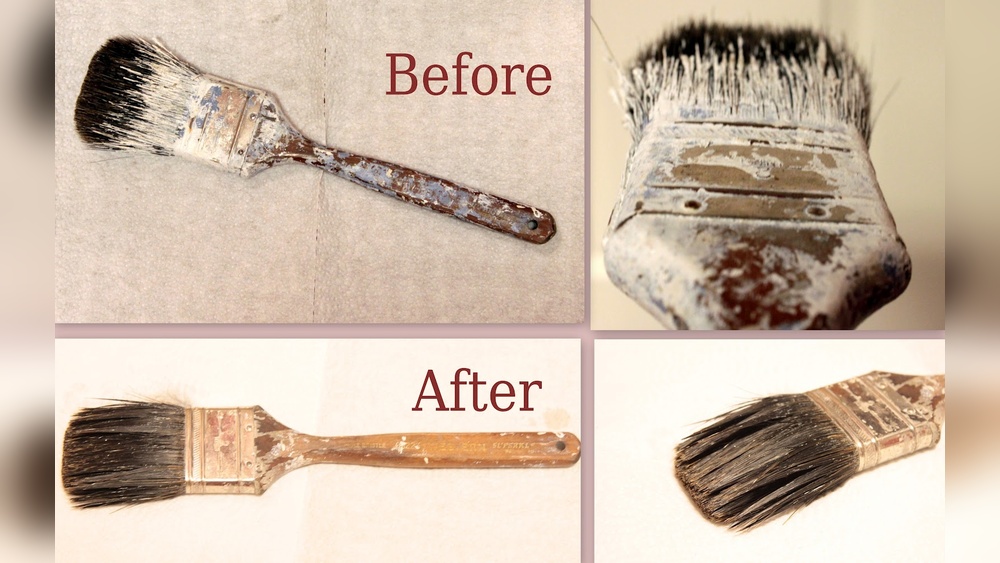
Have you ever picked up a paintbrush only to find it stiff with dried paint, making your next project feel impossible? You’re not alone, and the good news is you don’t have to toss those dried paint brushes away.
Knowing how to get dried paint out of paint brushes can save you money, time, and frustration. In this guide, you’ll discover simple, effective methods to restore your brushes to their former glory—so you can get back to creating with ease.
Stick with me, and you’ll learn the tricks that professional painters use to revive even the toughest, hardened brushes. Ready to bring your tools back to life? Let’s dive in.

Credit: www.cbreier.com
Causes Of Dried Paint
Dried paint on brushes happens for many reasons. Understanding these causes helps prevent damage. It also guides how to clean brushes properly.
Paint can harden fast or slow depending on its type and environment. Knowing how paint dries on brushes is key to saving them.
Common Paint Types That Harden
Oil-based paints dry slowly but form a hard shell. Acrylic paints dry quickly and become stiff fast. Latex paints also dry fast and may harden on brushes.
Each paint type reacts differently with air and brush fibers. This affects how and when paint hardens on brushes.
How Paint Dries On Brushes
Paint dries by losing moisture and reacting with air. Water-based paints dry as water evaporates. Oil paints dry through oxidation, a chemical reaction.
Drying causes paint to stick tightly to brush bristles. This makes removal difficult if not cleaned soon after use.
Impact Of Drying Time
The longer paint stays on a brush, the harder it becomes. Quick cleaning prevents paint from setting and ruining brushes. Slow drying paints give more cleaning time but still need attention.
Leaving brushes overnight or longer with paint on them leads to tough, dried paint layers. This increases cleaning effort or may require replacement.
Tools For Cleaning Brushes
Cleaning dried paint from brushes requires the right tools. Using proper supplies makes the process easier and protects the brush. Having the correct equipment helps restore your brushes to a usable state. Below are key tools that assist in cleaning dried paint effectively.
Essential Cleaning Supplies
Start with a good solvent or brush cleaner. Mineral spirits work well for oil-based paint. Warm soapy water suits water-based paints. Use a small container to soak brushes. Paper towels help wipe off excess paint. A sturdy bowl or bucket keeps your workspace clean.
Using Combs And Brushes
Brush combs remove paint trapped between bristles. They reach deep where fingers cannot. Fine-toothed combs help separate stiff bristles. Stiff cleaning brushes scrub off dried paint. Use gentle strokes to avoid damage. These tools revive brush flexibility.
Protective Gear Tips
Wear gloves to protect your skin from chemicals. Safety glasses prevent splashes from entering your eyes. Work in a well-ventilated area to avoid fumes. Old clothes or aprons keep paint stains off your clothes. Proper protection ensures a safe cleaning process.
Soaking Methods
Soaking methods are effective for loosening dried paint from brushes. They help soften the hardened paint, making it easier to remove. These methods work well for different paint types and brush conditions. Patience is key, as soaking can take several hours or overnight.
Murphy’s Oil Soap Technique
Fill a container with warm water and add Murphy’s Oil Soap. Soak the dried paintbrush in the solution overnight. The soap breaks down the paint without damaging bristles. After soaking, use a comb or brush cleaner to remove softened paint. Rinse the brush thoroughly with clean water.