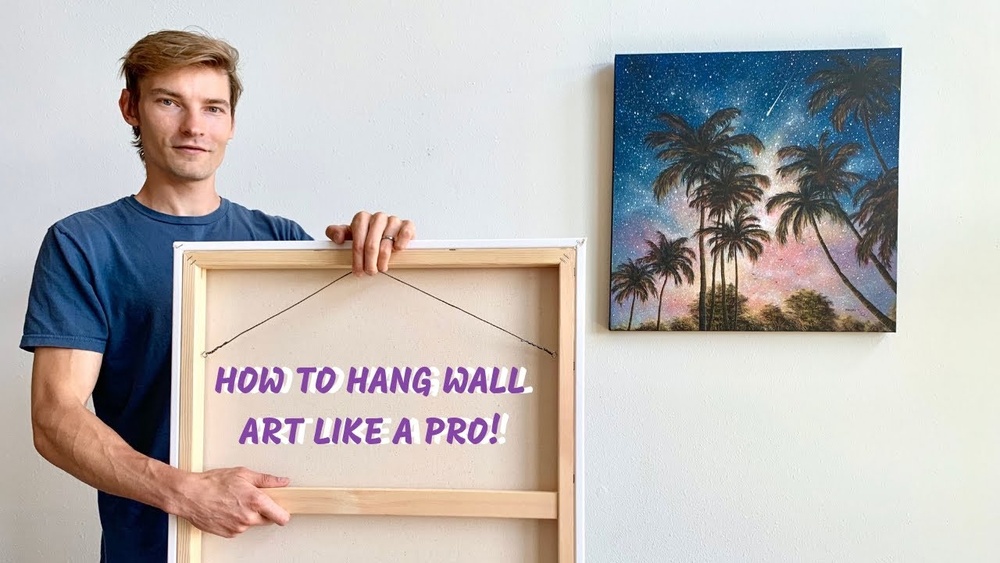
Hanging a canvas painting on your wall might seem simple, but getting it just right can transform your entire space. You want your artwork to look balanced, secure, and perfectly placed—not crooked or too high.
Whether you’re decorating your living room, bedroom, or office, knowing how to hang your canvas properly makes all the difference. In this guide, you’ll discover easy, practical tips to hang your canvas painting like a pro. By the end, you’ll feel confident choosing the best method for your wall and artwork, ensuring your space looks stylish and polished.
Ready to turn your blank wall into a stunning gallery? Let’s get started!
Tools And Materials Needed
Hanging a canvas painting requires some basic tools and materials. Having the right items makes the process easier and ensures the artwork stays secure. Prepare everything before you start to avoid interruptions.
Measuring Tape
A measuring tape helps find the perfect spot on the wall. It ensures your painting hangs straight and balanced. Accurate measurements prevent mistakes and wasted effort.
Level
A level keeps the canvas painting perfectly horizontal. Even a slight tilt can look unprofessional. This simple tool guarantees your artwork looks its best.
Hammer And Nails
Use a hammer and nails for lightweight canvases. Choose nails that fit the size and weight of your painting. Nails provide a strong hold on most wall types.
Picture Hooks
Picture hooks offer extra support for heavier canvases. They come in different sizes and weight limits. Hooks reduce the risk of damage to your wall and painting.
Pencil
A pencil marks the wall where nails or hooks will go. Light marks are easy to erase later. This step helps place your painting exactly where you want it.
Wall Anchors
Wall anchors secure heavy paintings on drywall. They expand inside the wall for stronger support. Use anchors to avoid nails pulling out over time.
Stud Finder
A stud finder locates wall studs for extra stability. Hanging on studs is best for large or heavy canvases. This tool helps avoid damage to drywall.
Credit: www.epcn.ch
Choosing The Right Spot
Choosing the right spot for your canvas painting is key to making your room look great. The placement affects how the art blends with your furniture and the room’s size. Careful selection can highlight the painting and improve the room’s overall feel. Below are some tips to help pick the perfect location for your canvas.
Measure Furniture Width
Start by measuring the width of the furniture under the painting. This gives a guide to how wide the artwork should be. The canvas should cover about two-thirds of the furniture width. This size creates a balanced and pleasing look. A painting too small looks lost, while too large feels overwhelming.
Consider Wall Height And Room Scale
Check the height of the wall where you want to hang the painting. Tall walls call for larger pieces or groups of canvases. Small walls work better with smaller paintings. Also, think about the room size. Big rooms can hold bigger art, while small rooms need more modest pieces. This keeps the space feeling cozy and not crowded.
Balance And Proportion Tips
Balance the painting with other elements in the room. Look at nearby objects and furniture shapes. Place the canvas so it feels centered or evenly spaced. Keep the artwork at eye level for the best view. This usually means hanging the center of the canvas about 57-60 inches from the floor. Proper proportion helps the painting and room look harmonious.
Hanging Methods
Hanging canvas paintings on your wall can transform any room. Choosing the right hanging method depends on canvas size, wall type, and whether you want to avoid damage. Some methods require nails or screws, while others use adhesive solutions. Below are practical options to hang your canvas securely and attractively.
Using D-rings And Wire
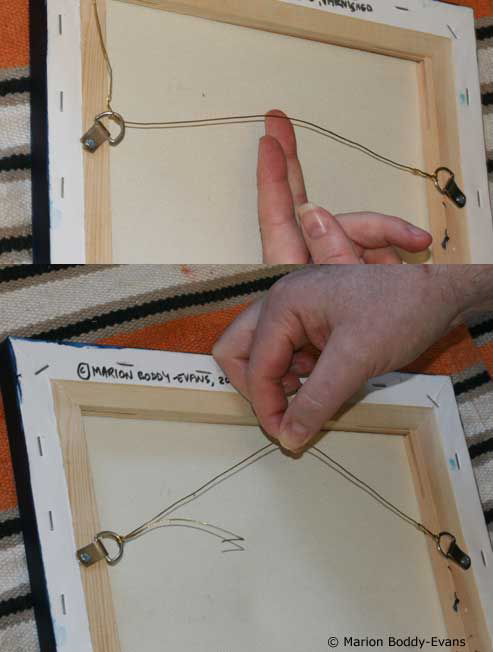
D-rings and wire offer strong support for heavier canvases. Attach D-rings to the back of your canvas frame, near the top corners. Then, string picture wire between the rings, leaving some slack. Hang the wire on a wall hook or nail. This method balances weight and makes adjusting easy.
Sawtooth Hanger Technique
Sawtooth hangers suit small to medium canvases. Nail or screw the sawtooth hanger into the center top of the frame. Hang the canvas on a single nail or hook. This technique is simple and keeps the canvas flat against the wall. It works best on drywall or wood surfaces.
Adhesive Strips And Putty
Adhesive strips and putty provide a no-drill option. Use strips rated for the weight of your canvas. Clean the wall surface before applying. Press the canvas firmly against the wall for a few seconds. Putty works well for lightweight canvases or posters. Both options avoid holes but may not hold heavy frames.
No-nail Options For Renters
Renters often avoid wall damage with no-nail solutions. Command hooks and adhesive strips are popular choices. Another option is using easels or leaning canvases against the wall. These methods protect walls and allow easy rearranging. Choose products designed for your canvas weight and wall type.

Credit: www.wikihow.com
Preparing The Canvas
Preparing the canvas is the first step to hanging your painting securely and beautifully. A well-prepared canvas ensures your artwork stays safe and looks great on the wall. Take time to check the canvas type and attach the right hardware before hanging.
Framed Vs Unframed Canvases
Framed canvases come with a ready structure for hanging. They usually have hooks or wire already attached. This makes hanging easier and more stable. Unframed canvases need extra care. They are stretched over wooden bars and have no outer frame. These require attaching hardware before you hang them.
Attaching Hardware
Choose suitable hardware based on your canvas size and weight. Small canvases can use sawtooth hangers or D-rings. Larger canvases benefit from wire stretched between two D-rings for better support. Attach the hardware firmly to the wooden stretcher bars at the back. Make sure everything is level and secure before hanging. This prevents your painting from falling or tilting on the wall.
Step-by-step Hanging Process
Hanging a canvas painting on your wall can transform any room. The process is simple and requires just a few tools. Follow these easy steps to ensure your artwork hangs straight and secure. This step-by-step guide helps you place your canvas perfectly every time.
Marking The Wall
Begin by choosing the exact spot for your canvas. Hold the painting against the wall at your desired height. Use a pencil to lightly mark the top center of the canvas. Measure the distance from the top of the canvas to the hanging hardware. Mark this distance below your first mark on the wall. This mark will guide where to place your nail or hook.
Leveling The Canvas
Use a level tool to check your marks. Place the level horizontally on the wall where you made your marks. Adjust the pencil marks until the bubble is centered. This step ensures your painting will hang straight. Level artwork looks neat and professional.
Securing The Painting
Choose the right hardware for your canvas weight. Small nails or picture hooks work well for light to medium canvases. Drill a small hole or hammer the nail gently into the wall at your mark. Hang the canvas on the nail or hook. Check again with the level. Adjust if needed for perfect alignment.
Gallery Wall Arrangement
A gallery wall arrangement transforms a blank wall into a stunning display of art. It allows you to showcase multiple canvas paintings together. This creates a cohesive and dynamic visual impact. Proper planning helps maintain balance and harmony among the pieces. Consider size, color, and style to create a unified look.
Arranging canvases in a gallery wall also adds personality to any room. It reflects your taste and style clearly. Thoughtful placement ensures the wall does not feel cluttered or empty. The right arrangement draws attention and complements your space perfectly.
Layout Planning
Start by gathering all your canvas paintings in one area. Arrange them on the floor to test different layouts. Try symmetrical or asymmetrical patterns depending on your style. Use paper templates cut to the size of each canvas. Tape these on the wall to preview the layout before hanging. This prevents unnecessary holes in the wall. Adjust the arrangement until it feels balanced and pleasing.
Spacing Between Pieces
Maintain consistent spacing between each canvas for a clean look. A gap of 2 to 4 inches works well in most rooms. Smaller spaces may require tighter gaps to avoid crowding. Larger walls can handle wider spacing for a more open feel. Keep equal distance horizontally and vertically. This helps the eyes move smoothly across the gallery wall.
Height Guidelines
Hang the center of your gallery wall at eye level. This is usually about 57 to 60 inches from the floor. Measure the total height of the arrangement. Adjust the top and bottom pieces to fit within this height range. For furniture below, position the gallery about 6 to 12 inches above it. This keeps a nice visual connection between the furniture and artwork.
Maintenance And Care
Proper maintenance and care keep your canvas painting looking fresh and vibrant. Taking small steps protects both the artwork and your wall. Clean paintings carefully to avoid damage. Check hanging hardware regularly for safety. This section guides you on avoiding wall damage and cleaning your canvas painting effectively.
Avoiding Wall Damage
Use proper hooks or anchors for your wall type. Avoid heavy nails that cause large holes. Choose picture hangers with smooth edges. Use wall-friendly adhesive strips for lightweight canvases. Remove hanging hardware gently to prevent peeling paint. Keep the canvas away from damp or humid areas. These steps protect your walls and keep paintings secure.
Cleaning Tips
Dust your canvas regularly with a soft brush or cloth. Avoid using water or cleaning sprays directly on the canvas. Use a dry microfiber cloth for gentle cleaning. For stubborn dirt, lightly dab with a slightly damp cloth. Do not scrub or rub hard. Keep the painting out of direct sunlight to prevent fading. Proper cleaning preserves the colors and texture of your canvas.

Credit: www.youtube.com
Frequently Asked Questions
What Is The Easiest Way To Hang A Canvas Painting?
The easiest way to hang a canvas painting is using sawtooth hangers or adhesive strips. Measure, level, then secure with nails or hooks. For lightweight canvases, use adhesive putty for damage-free hanging. This method ensures stability and a clean look on any wall.
What Is The 2 3 Rule For Wall Art?
The 2/3 rule for wall art means the artwork should cover about two-thirds the width of the furniture below it. This ensures balanced, proportional decor.
How To Stick Canvas Painting On Wall Without Nails?
Use adhesive strips, double-sided tape, or mounting putty to stick canvas paintings on walls without nails. Ensure the surface is clean and dry before applying. Choose products rated for the canvas weight to prevent falling or damage.
Is It Okay To Hang An Unframed Canvas Painting?
Yes, you can hang an unframed canvas painting. Use hooks, nails, or adhesive strips to secure it safely and maintain a clean, modern look.
Conclusion
Hanging a canvas painting can brighten any room quickly. Choose the right method based on your wall and canvas weight. Measure carefully to place the artwork at eye level. Use hooks or adhesive strips for lighter pieces. For heavier canvases, opt for nails or anchors.
Keep the artwork balanced with nearby furniture. A well-hung painting adds style and personality to your space. Take your time, and enjoy the process. Your wall will look inviting and complete.