Keeping your paint palette from drying out can save time, money, and frustration—especially if you paint over several days or love using slow-drying mediums like acrylics and gouache. Many artists struggle with paint drying too quickly, and it can be discouraging to waste expensive materials.
But with the right strategies, you can keep your paints workable for hours or even days. Let’s explore effective ways to keep your palette fresh, practical solutions for different paint types, and smart artist habits that make a real difference.
Why Paint Dries Out On The Palette
Understanding why your paint dries can help you prevent it. Most paints, especially acrylics, dry by evaporation. The water in the paint escapes into the air, leaving behind pigment and binder. Factors such as temperature, humidity, air movement, and the type of palette you use all play a part. For example, a palette in a sunny window will dry paint much faster than one in a cool studio corner. Gouache and watercolors also dry by evaporation, though they can be reactivated with water. Oil paints dry much slower, but can still form a skin on the palette over time.
Choosing The Right Palette
The palette you choose affects how long your paint stays workable. Here’s how different palettes compare:
| Palette Type | Drying Speed | Best For |
|---|---|---|
| Wooden Palette | Fast | Oils |
| Plastic Palette | Moderate | Acrylics, Gouache |
| Glass Palette | Moderate | Oils, Acrylics |
| Wet Palette | Very Slow | Acrylics, Gouache |
| Disposable Paper | Fast | Oils, Acrylics |
Wet palettes are the best choice for keeping acrylics and gouache moist. These palettes use a damp sponge and a special permeable paper, creating a humid environment that slows evaporation. For oils, a glass or wooden palette with a tight-fitting cover works well to prevent skinning. Plastic palettes are convenient but can dry paints quickly unless covered or modified.
How To Set Up A Wet Palette
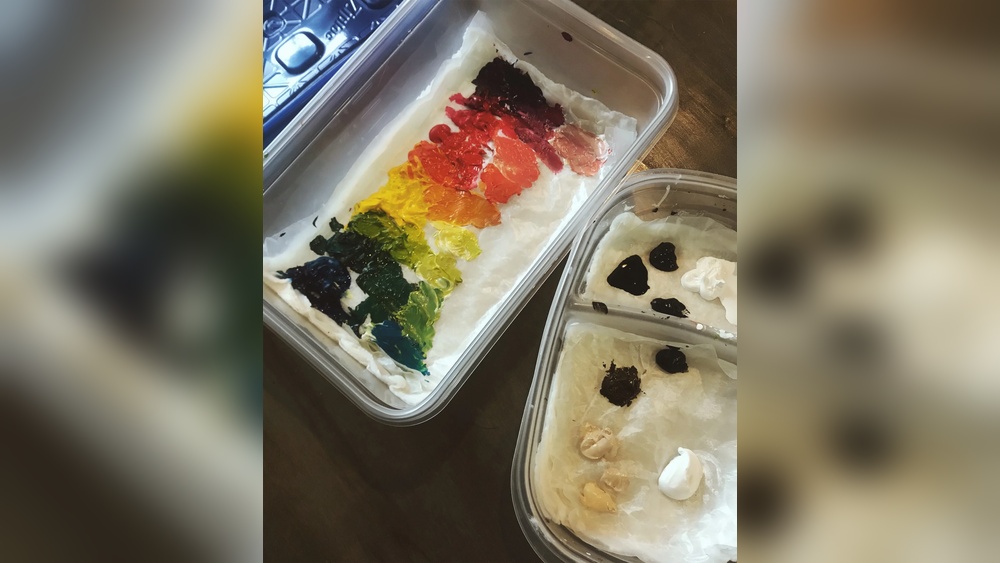
A wet palette is a game changer for acrylic and gouache artists. You can buy one or make your own with a shallow container, a sponge, and baking parchment.
- Place a damp sponge in the bottom of the container.
- Lay a piece of baking parchment on top.
- Add your paint on the parchment.
The sponge keeps the environment moist, and your paint stays workable for days. If you paint in a dry or hot climate, add a few drops of water to the sponge as needed. Don’t let water pool above the parchment, or your paint will become too thin.
Wet Palette Maintenance
- Change the water every few days to avoid mold.
- Rinse the sponge to remove any paint build-up.
- Store the palette with the lid on when not in use.
Covering And Storing Your Palette
If you use a traditional palette, covering it when you take breaks makes a big difference. A simple plastic wrap or airtight lid slows evaporation. For longer storage, you can place the entire palette in a plastic bag or food storage container.
Here are some storage tips:
- Press plastic wrap tightly against the paint to reduce air exposure.
- Store the palette in the fridge overnight (for water-based paints) to slow drying even more.
- For oil paints, a palette box or airtight case prevents dust and slows oxidation.
Avoid leaving your palette near heaters, open windows, or direct sunlight—these will dry paint in minutes.
Using Palette Additives And Retarders
Many paint brands offer retarders, which are additives that slow drying. These are especially helpful for acrylics, which can dry in 10–20 minutes under normal conditions.
- Mix a small drop of retarder into your paint on the palette.
- Do not use too much; excess retarder can make paint sticky or prevent proper drying on canvas.
Some artists use slow-drying acrylics, which have special formulas that extend open time. For gouache and watercolors, simply misting with water is enough to keep them moist.
Popular Retarder Brands And Features
| Brand | Paint Type | Typical Open Time Extension |
|---|---|---|
| Liquitex Slow-Dri | Acrylics | Up to 50% |
| Golden Retarder | Acrylics | Up to 30 mins extra |
| Winsor & Newton Slow Drying Medium | Oils | Several hours |
Always follow the manufacturer’s instructions for best results.
Misting Your Palette
A simple spray bottle is one of the cheapest and most effective tools for keeping paint moist. Use clean water to mist your palette lightly every 15–30 minutes, especially in dry climates. Be careful not to flood the paint, as too much water can dilute colors or cause puddling.
For oil paints, misting is not recommended. Instead, focus on palette covers and storing in cool places.

Credit: www.masteroilpainting.com
Using Cling Film Or Damp Paper Towels
If you don’t have a palette lid, try pressing cling film (plastic wrap) directly onto the paint. This creates a barrier, slowing water loss. For short breaks, a damp paper towel over the paint can also help. These methods are cheap and work well for most water-based paints.
Studio Environment Matters
The air in your studio affects how fast your paint dries. High temperatures, low humidity, and fans all increase evaporation. To keep your paint fresh:
- Use a humidifier if your air is dry.
- Keep windows closed on windy days.
- Paint during cooler parts of the day.
- Avoid placing your palette near heaters or sunny windows.
If you live in a humid climate, you may not need as many tricks. But if your air is dry, every little bit helps.
Paint Application Techniques
How you work with paint can make a difference. Here are some habits to adopt:
- Squeeze out only as much paint as you need for 30–60 minutes of work.
- Keep unused paint in small piles rather than spreading it thinly on the palette.
- Re-mix colors as needed, and keep a mist bottle handy.
- For longer sessions, cover unused paint with a damp towel or move the palette to a cooler spot during breaks.
Keeping Oil Paints Fresh
Oil paints dry much more slowly than acrylics or gouache, but they can still form a skin on the palette if exposed to air for too long. Here’s how to prevent it:
- Use a palette box with a tight-fitting lid.
- Store your palette in the freezer overnight—this can keep paint fresh for days or even weeks.
- Cover paint piles with wax paper or a sheet of plastic wrap.
If your paint forms a thin skin, you can usually remove it with a palette knife and use the fresh paint underneath.
Traveling With A Palette
Artists who paint outdoors or carry their palette between home and studio need extra protection from drying. Consider these steps:
- Use a sealed palette box with a gasket to keep air out.
- For acrylics, a portable wet palette works best.
- Carry a small spray bottle to mist paint if needed.
- Keep your palette out of direct sun while painting outdoors.
Traveling can dry paint quickly, so plan ahead and bring extra paint if needed.
Avoiding Common Mistakes
Many beginners make the same errors when trying to keep their palette fresh. Here are a few to watch out for:
- Spreading paint too thin: Thin layers dry faster. Keep paint in small mounds.
- Forgetting to mist: If you get absorbed in painting, set a timer to remind yourself.
- Overusing retarders: Too much can weaken paint film or cause it to stay tacky.
- Not cleaning the palette: Old, dry paint can flake into fresh paint and cause muddy colors.
- Using the wrong palette type: Choose a wet palette for acrylics, not a wooden one.
Real-world Example: Saving Paint Over A Weekend
Imagine you have leftover acrylic paint after a long painting session. Instead of throwing it away:
- Mist the paint lightly.
- Cover with plastic wrap pressed against the paint.
- Place the palette in a sealed container or ziplock bag.
- Store in the fridge.
Many artists find their paint is still workable after 2–3 days using this method. Just allow the palette to return to room temperature before painting again to avoid condensation.
When To Let Paint Dry
Sometimes, letting paint dry on the palette is not a problem. For example, gouache and watercolors can be reactivated with water even after drying. Some artists even prefer to work from a dry palette, especially for small details or travel kits.
Oils, however, should not be allowed to dry on the palette as dried oil paint cannot be reactivated and becomes difficult to clean.
Comparing Cost And Convenience
Here’s how the main methods stack up in terms of price and ease:
| Method | Cost | Convenience | Effectiveness |
|---|---|---|---|
| Wet Palette | Medium | Easy to use | Very High |
| Mist Bottle | Low | Very easy | High |
| Retarder | Low-Medium | Simple | Medium |
| Plastic Wrap | Low | Easy | Medium |
| Sealed Box/Fridge | Low | Some effort | High |
Two Insights Artists Often Miss
First, studio environment matters more than most people realize. A humidifier can help almost as much as a wet palette in very dry climates. Second, the way you arrange paint on your palette changes drying time. Keeping paint in thicker blobs slows evaporation—thin smears dry out in minutes.
Another tip: For long painting breaks (like overnight), try combining methods. Mist the paint, press on cling film, seal in a box, and refrigerate. This layered approach works even in tough conditions.

Credit: www.youtube.com
Where To Learn More
For more about paint chemistry and drying times, you can visit the Wikipedia page on paint. Understanding the science behind your materials makes you a better, more confident artist.
Frequently Asked Questions
How Long Can I Keep Acrylic Paint Wet On A Palette?
With a wet palette and proper storage, acrylic paint can stay wet and usable for up to a week. On a regular palette in dry air, it may last only 15–30 minutes. Covering and misting helps, but results vary based on your environment.
Can I Use A Wet Palette For Oil Paints?
A wet palette is not suitable for oil paints because oil and water do not mix. Use a glass or wooden palette with a tight-fitting cover, or store the palette in the freezer to slow drying.
Is It Safe To Refrigerate My Paint Palette?
For water-based paints like acrylics and gouache, it is safe to store your palette in the fridge overnight. Keep it sealed to avoid food contamination. Do not refrigerate oil paints, as they can pick up odors from food.
Do Retarders Affect Paint Color Or Texture?
Most modern retarders are clear and do not change paint color, but using too much can make the paint feel sticky or slow drying on your canvas. Always use the recommended amount.
What’s The Best Way To Keep Gouache From Drying Out?
A wet palette is ideal for gouache. You can also mist the paint, cover with plastic wrap, or store in an airtight container. Unlike acrylic, dried gouache can be reactivated with water, so a little drying is less of a problem.
Keeping your paint palette from drying out means less waste, smoother sessions, and better results in your art. With a few simple habits and the right tools, you’ll spend more time painting and less time scraping dried paint. Experiment with these methods to find what works best for your style and environment, and enjoy painting without the stress of drying palettes.
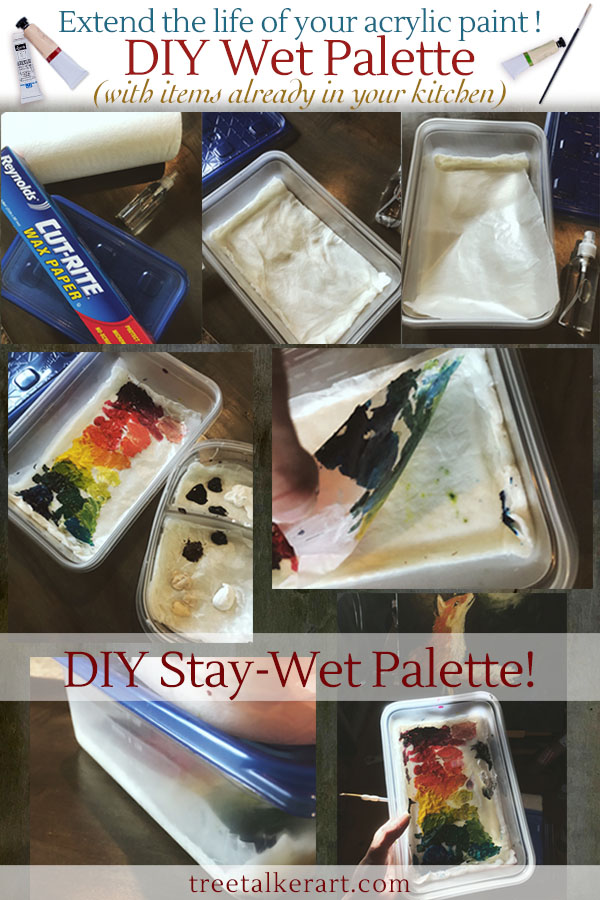
Credit: treetalkerart.com