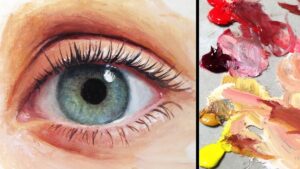
You want your artwork to shine with crisp, eye-catching details, but painting those tiny elements can feel tricky. How do you keep your small brush steady and your strokes precise without frustration?
Whether you’re adding delicate highlights, intricate patterns, or lifelike textures, mastering fine detail painting is within your reach. In this guide, you’ll discover simple, effective techniques that will help you control your brush, choose the right paint consistency, and build up details like a pro.
Get ready to transform your paintings by learning how to paint fine details with a small brush — and watch your art come alive like never before.
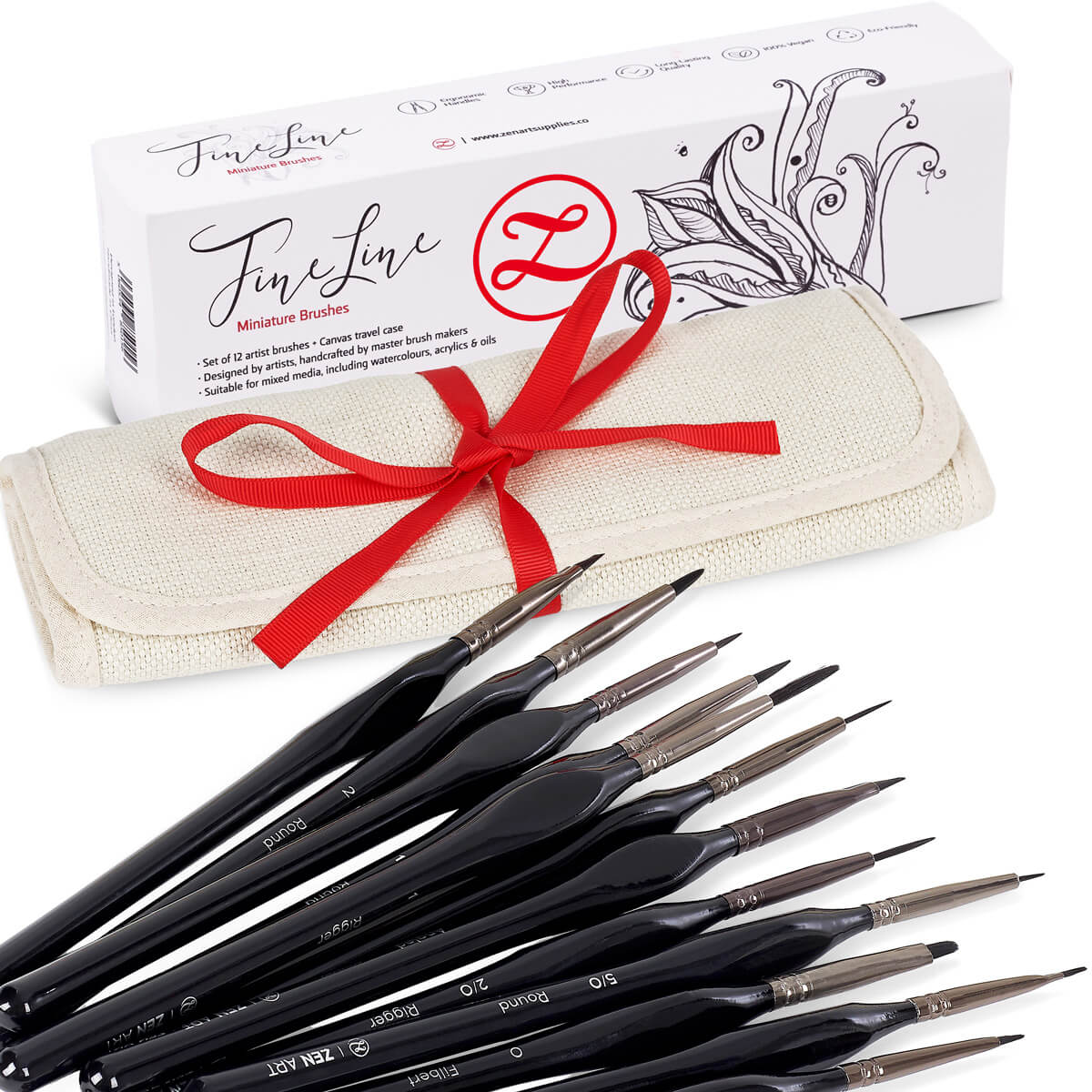
Credit: shop.zenartsupplies.co
Choosing The Right Brush
Painting fine details requires steady hands and smart techniques. Small brushes help create sharp lines and tiny dots. Using the right methods improves control and precision. This section explains key techniques to paint fine details effectively.
Using Multiple Thin Layers
Apply thin paint layers instead of one thick coat. Thin layers dry faster and prevent clumping. They allow better control over color intensity. Multiple layers build depth and smoothness. This method keeps small details clear and sharp.
Creating Fine Lines And Dots
Use the tip of your brush for fine lines. Hold the brush vertically and paint slowly. For dots, gently tap the brush on the surface. Practice steady hand movements for consistency. Fine lines and dots add texture and detail.
Controlling Brush Pressure And Movement
Light pressure helps create thin, delicate strokes. Pressing harder makes thicker lines. Move your brush slowly and steadily. Avoid sudden jerks to keep lines smooth. Control your wrist and fingers for better accuracy.

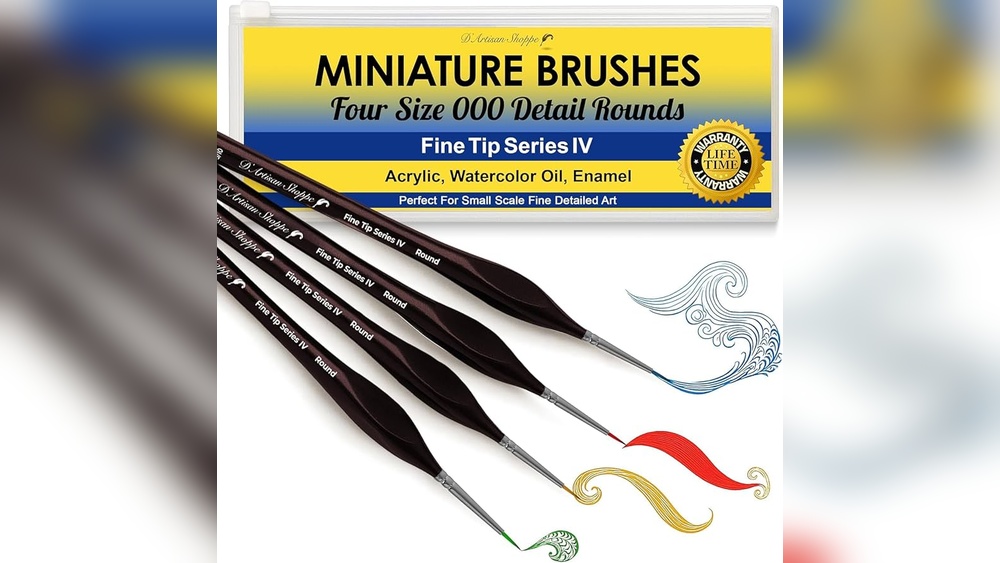
Credit: www.amazon.com
Preparing Your Paint
Taking good care of your small brushes ensures they last longer and perform better. Fine detail painting demands precision, so your brushes must stay in top condition. Proper care keeps the bristles sharp and prevents damage. This saves money and improves your painting experience.
Cleaning Techniques For Small Brushes
Clean brushes right after use to avoid dried paint. Use lukewarm water and mild soap or brush cleaner. Gently swirl the brush in the cleaner without pressing hard. Rinse well until water runs clear. Avoid soaking brushes for too long to protect the glue and bristles. Pat dry with a soft cloth and reshape the tip before storing.
Proper Storage To Maintain Shape
Store brushes upright with bristles pointing up to keep their shape. Use a brush holder or cup to avoid bending the tips. Avoid storing brushes in tight spaces where bristles can get crushed. Keep brushes away from direct sunlight and heat to prevent damage. Cover the bristle tips with a protective sleeve if possible.
When To Replace Your Brush
Replace brushes if bristles start to splay or lose their shape. If the brush no longer holds a fine point, it is time for a new one. Brushes with loose bristles or damaged handles should be replaced. Using worn brushes can make fine detail work difficult. Investing in a new brush improves control and results.

Credit: www.trekell.com
Frequently Asked Questions
What Brush Is Best For Fine Details?
A fine detail brush with a sharp point and good snap works best. Short handles provide better control for precise, close-up painting.
How To Paint Extremely Fine Lines?
Use a fine-tipped brush with firm bristles. Thin the paint slightly for smooth flow. Apply multiple thin layers slowly for precision. Keep your hand steady and paint in small sections.
How To Paint Small Details On Minis?
Use a fine-tipped brush with thinned paint. Apply multiple thin layers slowly. Focus on one small area at a time. Keep your brush damp but not overloaded. Steady your hand for precise control.
How To Paint Perfect Small Dots?
Load your brush halfway with paint. Press it gently onto the surface, twisting slightly for a perfect small dot. Keep the brush damp, not soaked, for smooth application. Practice steady hand control and use a fine-tipped brush to enhance precision.
Conclusion
Painting fine details with a small brush takes patience and practice. Use gentle, steady strokes to keep lines clean and sharp. Thin your paint slightly for better flow and control. Always keep your brush tip pointed and avoid overloading it.
Take breaks to rest your hand and stay focused. With these simple steps, you can add beautiful details to any artwork. Keep practicing, and your skills will improve over time. Enjoy the process of creating detailed, delicate paintings.