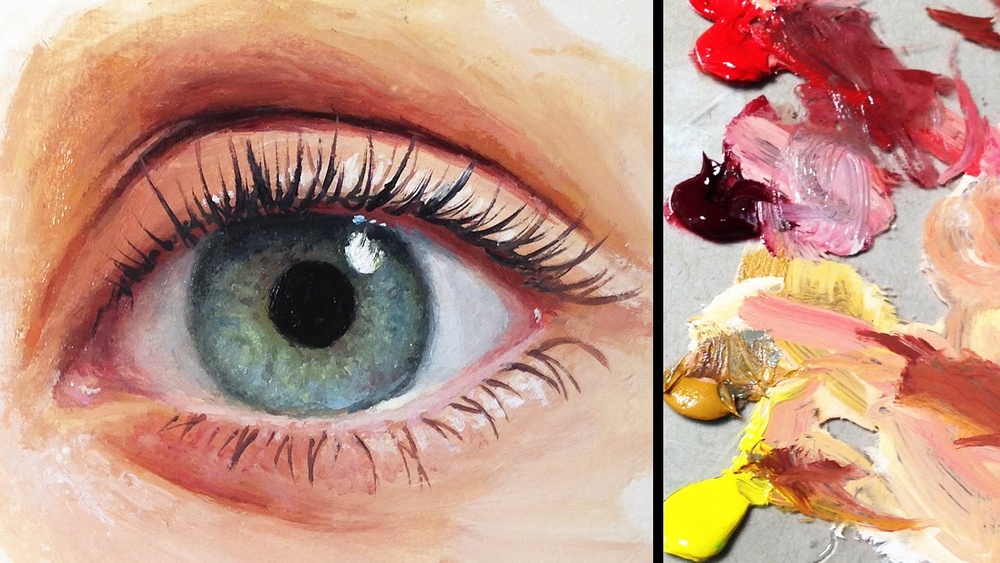
If you’ve ever wanted to capture the captivating beauty of a human eye in your paintings, you’re in the right place. Painting a realistic eye with acrylics might seem tricky at first, but with the right approach, you can create stunning, lifelike results that draw viewers in.
In this guide, you’ll discover simple, step-by-step techniques that break down the process into easy-to-follow parts. Whether you’re a beginner or looking to refine your skills, you’ll learn how to bring depth, shine, and emotion to your eye paintings. Ready to unlock the secrets behind those mesmerizing eyes?
Let’s dive in and make your artwork truly come alive.
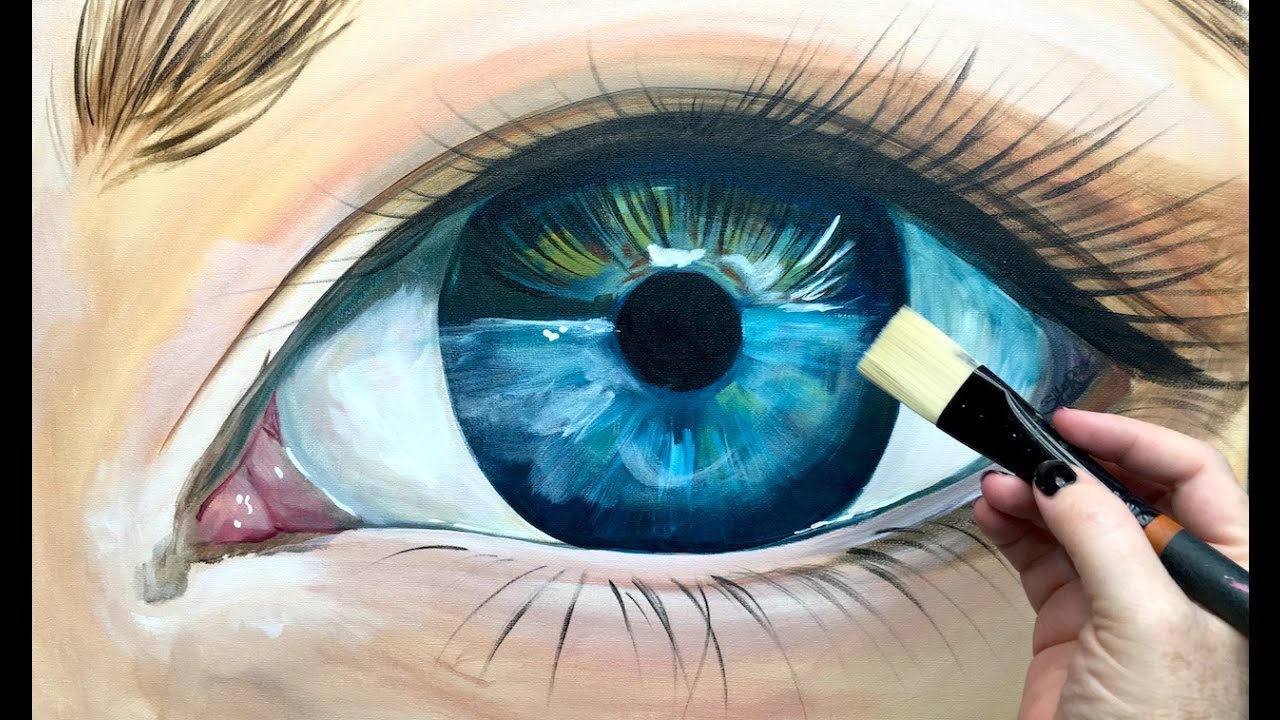
Credit: www.youtube.com
Materials And Setup
Sketching the eye is the first and crucial step in painting a realistic eye with acrylics. A careful sketch sets the foundation for a detailed and lifelike painting. It helps capture the eye’s shape, size, and key features before applying paint. Taking time to sketch well improves the final result and makes painting easier.
Start with light, gentle lines to avoid mistakes. Use a pencil that can be easily erased. Focus on the overall shape and important details without pressing too hard. This approach allows adjustments as you refine the sketch.
Basic Eye Shape
Begin by drawing the basic shape of the eye. The eye is not a perfect oval or circle. It has a unique almond shape with slight curves at the edges. Sketch a horizontal line to guide the eye’s width.
Draw two curved lines above and below this guide. These lines form the upper and lower eyelids. Keep the lines soft and light. Avoid making the shape too round or too flat. Observe the eye carefully to get the right proportions.
Marking Key Features
After the basic shape, mark important features inside the eye. Draw a circle for the iris, centered inside the eye shape. The iris should touch the upper and lower eyelids slightly. Add a smaller circle inside the iris for the pupil.
Sketch the highlight spot where light reflects on the eye. This spot adds life and realism. Also, mark the crease of the upper eyelid above the eye shape. Lightly sketch the eyelashes’ direction along the eyelids.
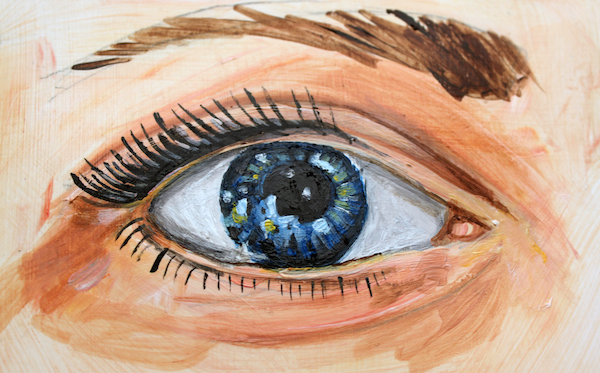
Credit: www.craftsy.com
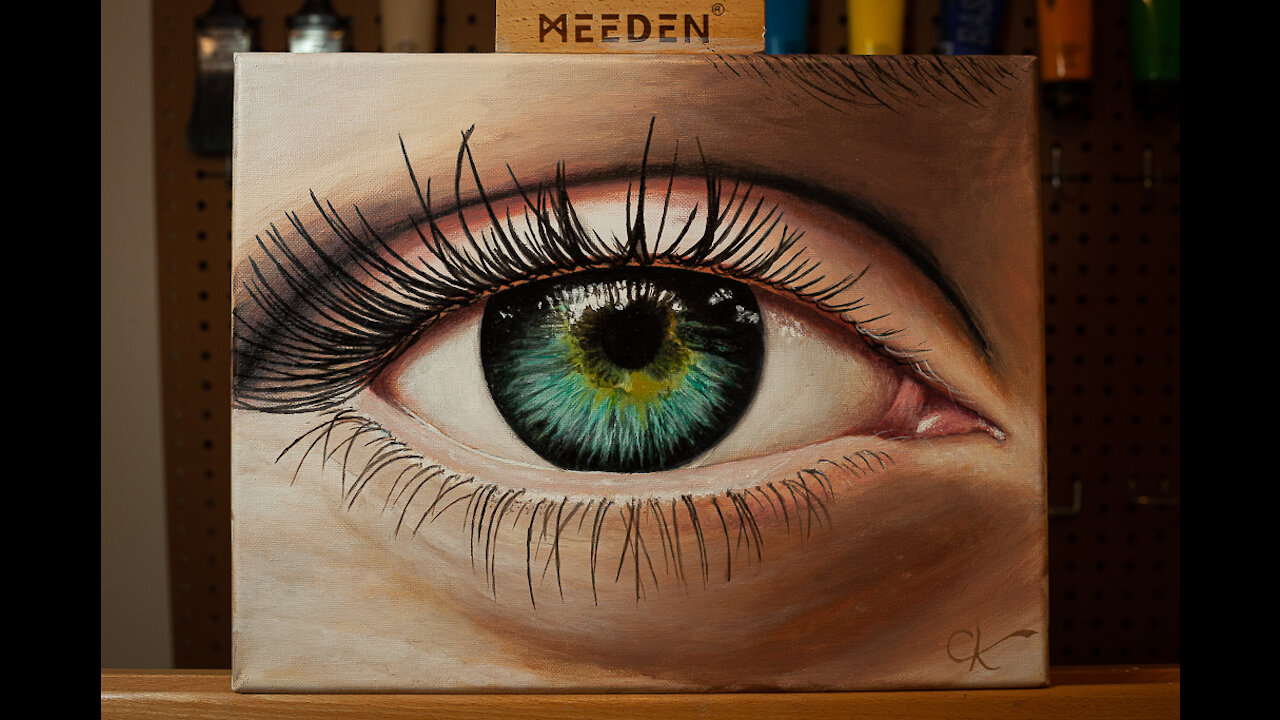
Credit: rumble.com
Details That Make an Eye Realistic
The white of the eye is not white
It is shaded by the upper lid and brow, often greyish or slightly warm.
The iris has depth
Darker outer ring, radiating texture and a shadow at the top from the eyelid.
Highlights sell the wetness
A small, sharp highlight placed consistently with the light source makes the eye look alive.
Lids have thickness
Paint the lower lid rim as a light edge and show the upper lid casting a shadow.
Lashes grow in clumps
Paint lashes as curved, tapered strokes in groups, not evenly spaced lines.
Frequently Asked Questions
How To Make A Realistic Eye For Beginners?
Start with a light pencil outline of the eye shape. Add layers of shading to create depth. Paint the iris using varied tones and highlights. Use fine brush strokes for eyelashes and details. Blend colors smoothly for a natural look.
Practice observation to improve realism.
What Are Common Mistakes When Drawing Realistic Eyes?
Common mistakes include ignoring the eye’s spherical shape, harsh shading, misaligned eyelids, and neglecting light reflections.
How To Do Eye Painting?
Start by sketching the eye’s outline. Apply light, medium, and dark colors to create depth. Blend warm tones for realism. Paint the iris, shadows, and highlights carefully. Add eyelashes and details last for a lifelike finish.
Can You Do Realism With Acrylic Paint?
Yes, acrylic paint can achieve realism. Its fast drying time allows layering and fine details for lifelike effects.
Conclusion
Painting a realistic eye with acrylics takes practice and patience. Focus on shapes, colors, and light reflections. Use layers to build depth and texture. Watch how shadows and highlights create a lifelike effect. Keep your brushstrokes smooth and controlled. Remember, small details make big differences.
Enjoy the process and learn from each attempt. Your skills will improve step by step. Painting realistic eyes can be rewarding and fun. Keep experimenting and trust your creative instincts.