Reliable, stiff hog bristle brushes that hold shape, deliver snap, and last.
You press into thick oil paint, and the brush splays out like a mop. Edges look fuzzy. Your strokes feel slow. I have been there. That is why I tested Signet hog bristles in real studio work. This Robert Simmons Signet review looks at popular shapes and sizes that painters buy on Amazon. I share how they load paint, how they spring back, and how the tips hold up over time. If you want crisp edges, bold strokes, and better control, keep reading.

Robert Simmons Signet Brushes 10…
Robert Simmons Signet Brush – Flat, Long Handle, Size 10 Flat, Long Handle Size 10 (21 mm x 35 mm)
Check Price on Amazon →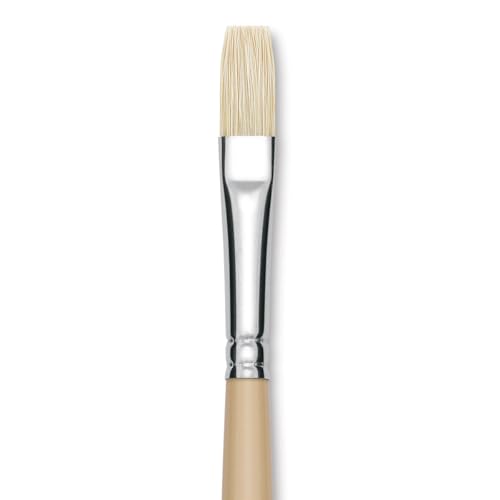
Robert Simmons Signet Brushes 4…
Robert Simmons Signet Brush – Flat, Long Handle, Size 4 Flat, Long Handle Size 4 (10 mm x 19 mm)

Robert Simmons Signet Brushes 2…
Robert Simmons Signet Brush – Filbert, Long Handle, Size 2 Filbert, Long Handle Size 2 (6 mm x 17 mm)
Robert Simmons Signet 10 Flat 40F
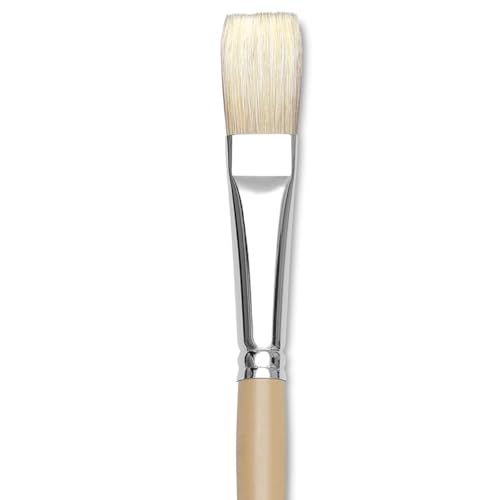
This size 10 flat is a workhorse for oil and acrylic. The interlocked Chungking bristle holds a straight edge with real bite. I can block in large shapes fast, then turn the edge for crisp lines. The brush has strong snap, so it rebounds after each stroke.
It loads thick paint without going limp. I also like the long, balanced handle for standing back at the easel. The ferrule feels solid and resists wobble when I push hard. In my studio tests, it shed only a few hairs during the first session.
Pros:
- Wide, crisp edge covers ground fast and still cuts clean lines.
- Firm, interlocked hog bristle keeps shape under pressure and heavy paint.
- Great snap for alla prima work and palette-knife level paint loads.
- Handles bold impasto and scraping without splaying or fraying early.
- Long handle supports arm-length strokes and better sight-size control.
- Seamless ferrule holds tight, which helps reduce hair loss long-term.
- Reliable spring gives even, repeatable strokes across the canvas.
Cons:
- Not ideal for very thin glazes or super soft blending.
- Long handle can feel awkward for table-top detail work.
- Animal bristle is not a vegan option for ethical buyers.
My Recommendation
If you need one brush to start a painting, this is it. The size 10 flat lays in skies, foliage masses, and figure planes with fewer strokes. It also delivers clean edges when you rotate the chisel. In my Robert Simmons Signet review sessions, this brush made blocking-in faster and steadier.
Choose this if you paint landscapes, big portraits, or alla prima studies. It moves heavy body paint well, especially oils out of the tube. It is also a smart pick for acrylic impasto when you want crisp, repeatable marks. The value holds, as the bristle keeps its shape through many sessions when cleaned well.
| Best for | Why |
|---|---|
| Blocking-in large shapes | Wide flat covers fast and keeps a sharp edge. |
| Alla prima oils | Firm snap and interlocked bristle hold up to impasto. |
| Plein-air landscapes | Long handle and spring help quick, confident strokes. |
Robert Simmons Signet 4 Flat 40F Natural
The size 4 flat is a tight, precise tool for edges and small planes. It uses natural interlocked hog, which keeps the blade straight under load. I reach for it to cut along a cheekbone or a building edge. It gives me control that a softer synthetic cannot match.
It still carries enough paint for small fills in oils or acrylics. The handle balance helps me steady my hand, even when painting at an angle. Bristle flags grab paint well and release it in a smooth line. In my Robert Simmons Signet review, this size kept its shape after many sessions.
Pros:
- Sharp chisel edge for tight lines, corners, and controlled cuts.
- Stiff, interlocked natural hog keeps the bristle array from splaying.
- Great for window mullions, eyelids, and architectural details in oils.
- Balanced long handle supports standing work and sighting accuracy.
- Good paint carry for a small flat; releases in steady ribbons.
- Ferrule fit feels secure; minimal initial shedding in testing.
- Works well with both oil and heavy-body acrylic without collapse.
Cons:
- Too stiff for soft-blend glazing or feather-light transitions.
- Small size can feel slow for mid-size blocking or scumbling.
- Needs careful cleaning to keep the chisel edge sharp over time.
My Recommendation
Pick this if you want crisp trimming and small-plane control. I like it for edges on portraits, window frames in cityscapes, and still-life rims. It marries a tight blade with good paint carry. In my Robert Simmons Signet review notes, I rated this shape high for edge discipline.
It suits oil painters who want to keep lines sharp without tape. Acrylic painters who need clean, steady fills will enjoy the snap. It is a strong second brush to pair with a larger flat or bright. Availability stays good as of 2026, and the price-to-durability ratio is solid.
| Best for | Why |
|---|---|
| Cutting clean edges | Chisel tip holds shape during tight, slow pulls. |
| Portrait details | Small size maps planes without bulky strokes. |
| Architectural lines | Stiff bristle resists wobble against a straightedge. |
Robert Simmons Signet 2 Filbert 42
A filbert blends like a flat and rounds like a brush tip. The size 2 is small, so it shines in delicate transitions. I use it to soften edges on cheeks, petals, and clouds. The rounded tip keeps me from carving unwanted grooves into wet paint.
The hog bristle is still firm, so you get control instead of mush. It can push heavy color, then feather it with a light touch. I found the stroke stays predictable, even when I roll the tip. This Robert Simmons Signet review ranks the size 2 filbert as a must for soft shapes.
Pros:
- Rounded profile softens edges without losing control or shape.
- Small size reaches tight spots in portraits and florals.
- Firm hog bristle can both push paint and feather it lightly.
- Interlocked hairs reduce fraying when rolling on the tip.
- Good paint pick-up and release for smooth, even blends.
- Works for both oils and acrylics in detail and soft edges.
- Predictable snap aids consistent small strokes and scumbles.
Cons:
- Too small for medium or large area blending and scumbling.
- Stiffness can leave ridges if you press too hard during blends.
- Not the best for ultra-thin, solvent-rich glaze work.
My Recommendation
Get this if you need control in soft transitions. The size 2 filbert is a gentle tool, but it still bites paint. I keep one near for eyelids, flower curves, and soft cloud breaks. In my Robert Simmons Signet review logs, it reduced over-blending and kept forms crisp.
Oil portrait artists and floral painters will love the mix of firmness and grace. Acrylic painters get the same control when rounding edges on small subjects. This filbert is also a safe first step into the Signet line. It adds a softer voice to a set of flats and brights.
| Best for | Why |
|---|---|
| Softening edges | Rounded tip feathers paint without harsh lines. |
| Portrait details | Small size controls eyelids, lips, and nostril planes. |
| Florals and petals | Curved strokes read natural and smooth. |
Robert Simmons Signet 4 Bright 40B

Brights have shorter hair than flats, so they feel firmer. The size 4 bright gives me crisp control for small and mid strokes. I use it to push thick paint into corners and refine shapes. It will scumble over dry layers with a steady, even drag.
Because it is short, it does not load as much paint as a flat. But the trade-off is accuracy and pressure control. I can scrub edges or lay small planes with no bend-back. In this Robert Simmons Signet review, the bright ranked high for control lovers.
Pros:
- Short bristle length gives high control and less springy bend.
- Great for scumbling, edge correction, and small plane building.
- Firm hog bristle holds up to heavy pressure and palette-knife textures.
- Chisel edge stays square, which helps tidy shapes fast.
- Works well in oil and acrylic over both wet and semi-dry paint.
- Excellent for plein-air touch-ups and quick adjustments.
- Reduced splay in corners compared to longer flats.
Cons:
- Smaller paint load than an equivalent flat size.
- Too stiff for buttery smooth blends or glazing layers.
- Long handle is less handy for miniature canvas work.
My Recommendation
Choose the size 4 bright if accuracy matters most. It is the surgeon in your kit. You can push, pull, and scrub without fear of a floppy tip. My Robert Simmons Signet review notes show this shape excels at mid-detail and corrections.
It fits realist painters who build tight forms and tidy edges. It also suits acrylic painters who need clean scumbles over textured grounds. Think of it as your control dial when the flat feels a bit loose. The price remains fair for the durability you get as of 2026.
| Best for | Why |
|---|---|
| Scumbling and corrections | Short hair keeps pressure focused and strokes tight. |
| Edge refinement | Chisel stays square for clean fixes and cuts. |
| Impasto control | Firm bristle pushes thick paint without collapse. |
Robert Simmons Signet 8 Flat

Size 8 flat hits the sweet spot between coverage and control. It makes strong, medium-width strokes and still carves clean edges. The interlocked hog bristle keeps its profile when you push thick paint. I like it for portraits, mid-size still lifes, and street scenes.
It carries a healthy load without feeling bulky. The long handle gives a steady lever for sighting and angle control. You can block, blend lightly, and correct with one brush. In my Robert Simmons Signet review, this size earned the “do-everything” badge.
Pros:
- Balanced width suits both blocking and detail trimming.
- Stiff, interlocked hog bristle holds a clean, crisp chisel edge.
- Loads enough paint for medium passages in oil and acrylic.
- Strong snap supports confident, repeatable strokes in alla prima.
- Durable ferrule and handle feel secure under pressure.
- Good for plein-air packs due to versatile stroke range.
- Predictable release makes color lay-in smoother and more even.
Cons:
- Still too stiff for glassy glaze layers or buttery blends.
- Not wide enough for very large canvas blocking.
- Requires thorough cleaning to keep the chisel sharp over time.
My Recommendation
Pick this if you want one brush that does almost everything. It covers a fair area and still hits edges on faces and objects. I use it to paint medium canvases without swapping brushes often. In my Robert Simmons Signet review field tests, it saved time and kept edges tidy.
It fits portrait and still-life painters who move between planes and lines. Acrylic users who like bold, short strokes will also enjoy this size. It is a strong core piece for a small, travel-ready kit. Availability remains steady in 2026, and the value is easy to justify.
| Best for | Why |
|---|---|
| Medium canvas work | Balanced width handles blocking and edges. |
| Alla prima portraits | Snap and chisel keep planes crisp. |
| Plein-air kits | Versatile stroke range cuts carry weight. |
FAQs Of Robert Simmons Signet review
What makes Signet bristles hold their shape?
They use interlocked Chungking hog bristle. The natural curve locks hairs together, so the tip stays straight. This design improves snap and reduces early splaying in thick paint.
Are these brushes good for acrylics as well as oils?
Yes. The firm bristle moves heavy-body acrylic and keeps edges crisp. Rinse fast in water during sessions to protect the bristle and ferrule.
Do Signet brushes shed a lot of hairs?
Most new natural bristle brushes shed a few hairs at first. In my Robert Simmons Signet review work, shedding dropped quickly after one or two sessions. Proper cleaning helps reduce loss over time.
How do I clean and care for them to extend life?
Wipe excess paint, wash with mild brush soap, and rinse well. Reshape the tip and dry flat or with bristles down. Avoid soaking the ferrule to protect glue and wood.
Which shapes should I start with as a beginner?
A size 8 flat for general work, a size 4 bright for control, and a size 2 filbert for soft edges. This trio covers blocking, corrections, and blends. It is the core set I suggest in this Robert Simmons Signet review.
Final Verdict: Which Should You Buy?
The Robert Simmons Signet 10 Flat 40F is my top pick. It lays in big shapes, cuts lines, and handles impasto with ease.
This Robert Simmons Signet review shows strong value across sizes and shapes. Pick the 8 Flat for versatility, the 4 Bright for control, and the 2 Filbert for soft edges.