When it comes to kids’ crafts, safety is your top priority — and choosing the right paint can feel confusing. You might wonder, “Is acrylic paint safe for my child’s little hands and curious mouth?” Understanding acrylic paint safety for kids is crucial. Acrylic paint is popular for its bright colors and quick drying time, but not all acrylics are created equal.
You’ll discover what makes some acrylic paints kid-friendly and which ones you should avoid. By the end, you’ll feel confident picking the safest and most fun paints for your child’s creative projects. Keep reading to learn how to protect your kids while letting their imagination run wild!
Acrylic Paint Basics
Acrylic paint is a popular choice for kids’ crafts. It dries quickly and offers bright colors. This type of paint is water-based and easy to clean up with soap and water.
Understanding acrylic paint helps parents choose the safest options for children. Knowing the difference between craft and artist-grade paints is important. Each type has features suited for different projects.
What Is Acrylic Paint
Acrylic paint is made from pigment suspended in an acrylic polymer. It stays flexible when dry and resists fading. The paint is water-soluble but becomes waterproof after drying.
This paint works well on many surfaces like paper, wood, and fabric. It is ideal for both indoor and outdoor crafts. Acrylic paint is known for its bright and lasting colors.
Craft Vs Artist-grade Acrylics
Craft acrylics are cheaper and have less pigment. They often contain more water and fillers. This makes them dry faster but with a matte finish.
Artist-grade acrylics contain more pigment. They provide vibrant colors and better blending. These paints last longer and resist sunlight fading.
For kids’ crafts, craft acrylics are popular. They are safe, affordable, and cover large areas quickly. Artist-grade paints suit advanced projects needing detailed work.
Common Uses In Kids Crafts
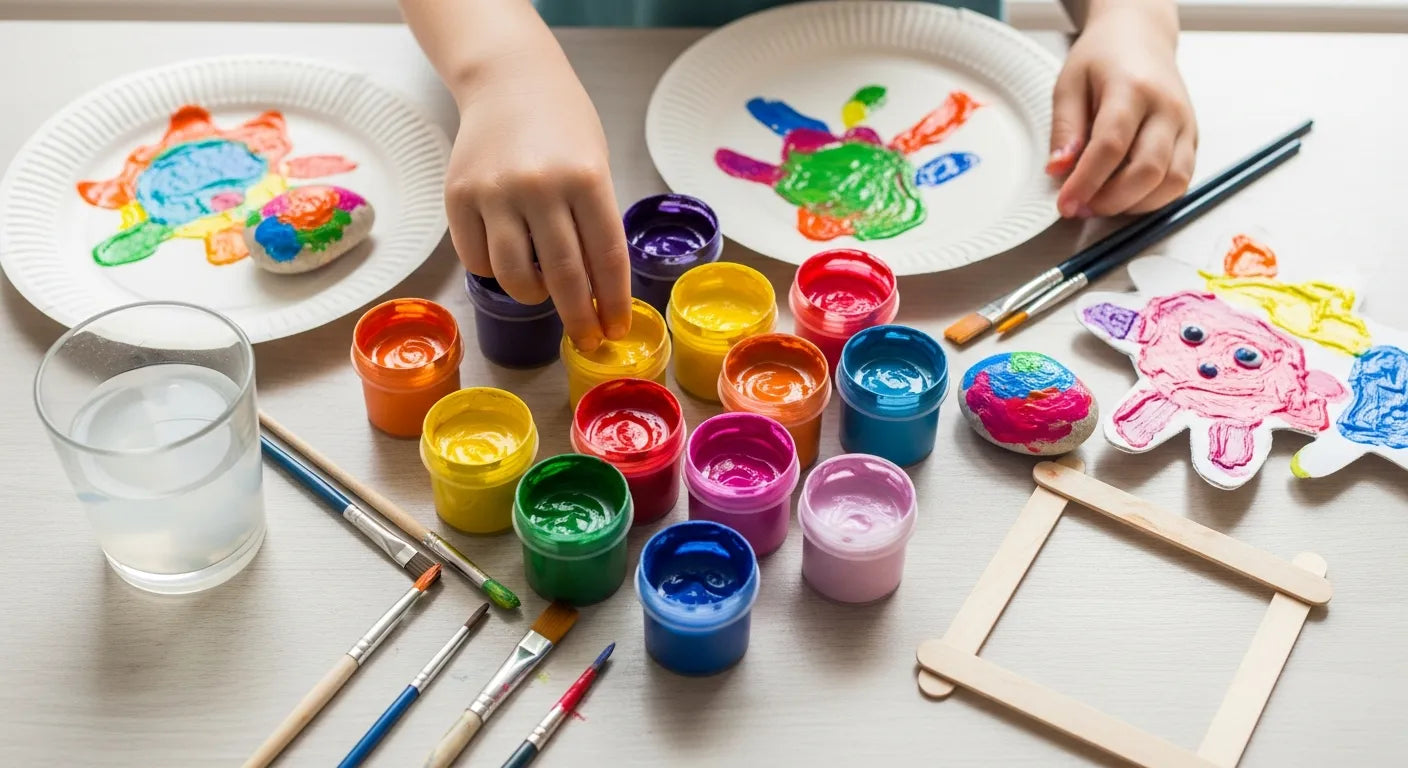
Acrylic paint is used for decorating paper, wood, and clay. Kids enjoy painting toys, masks, and holiday decorations. It also works well for simple canvas art projects.
The quick-dry feature helps children finish projects faster. Parents appreciate that acrylic paint cleans up easily. Non-toxic craft acrylics are safe for young artists.
Credit: www.imthecheftoo.com
Safety Concerns
Safety concerns are a top priority when choosing acrylic paint for kids’ crafts. Parents and caregivers need clear facts about potential hazards. Understanding these risks helps keep children safe while they enjoy creative activities. Below, the main safety issues around acrylic paint are explained simply and clearly.
Toxicity And Chemical Risks
Acrylic paints contain chemicals that can be harmful in large amounts. Some paints have solvents and heavy metals. These substances can cause skin irritation or allergic reactions. Ingesting paint is dangerous and can lead to poisoning. Proper supervision is crucial to prevent accidental swallowing or inhaling fumes. Using paints labeled as safe reduces these risks significantly.
Non-toxic Labels Explained
Many acrylic paints for kids come with “non-toxic” labels. This means the paint meets safety standards for art materials. These paints do not contain harmful heavy metals or strong solvents. The labels are usually certified by health organizations. Still, non-toxic does not mean edible. Children should not eat or lick the paint. Washing hands after use is always important.
Risks For Babies And Toddlers
Babies and toddlers are more vulnerable to paint hazards. Their skin is delicate and more likely to react to chemicals. They often put hands or objects in their mouths. This behavior increases the chance of ingesting paint accidentally. Acrylic paint is not recommended for very young children unless supervised closely. Choosing washable, non-toxic paints helps lower risks in this age group.