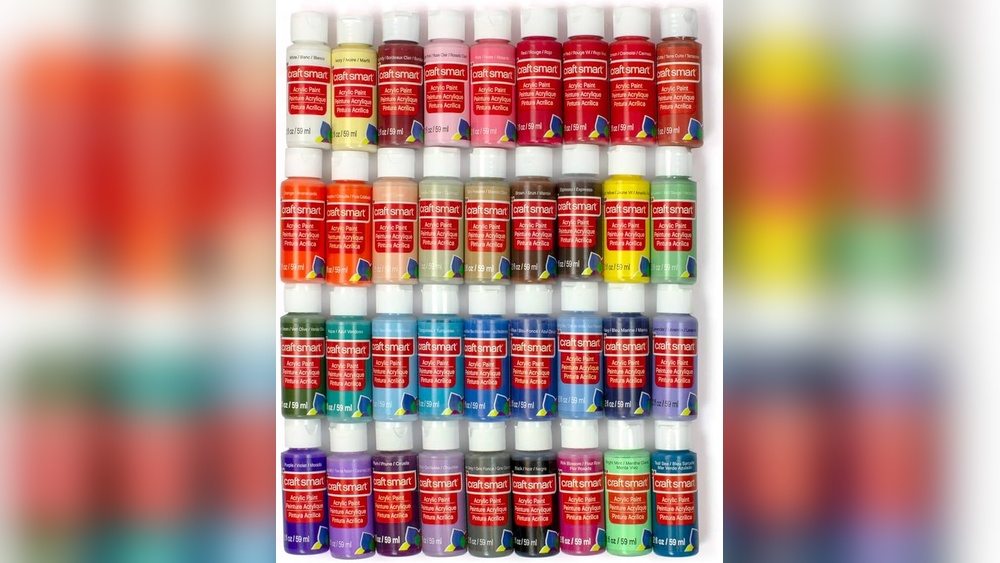
Are you wondering if Craft Smart paint is truly safe to use, especially around kids or for your home projects? You’re not alone.
When it comes to choosing the right paint, knowing whether it’s non-toxic can make a big difference for your health and peace of mind. You’ll discover what “non-toxic” really means for Craft Smart acrylic paint, how to use it safely, and what precautions you should keep in mind.
Keep reading to find out if this popular craft paint is the right choice for your next creative adventure.

Credit: www.amazon.com
Craft Smart Paint Basics
Craft Smart Paint Basics help you understand this popular art supply better. It is commonly used in many crafting projects. Knowing its features guides you in safe and effective use.
Craft Smart Paint is favored for its ease and versatility. It works well on many surfaces and cleans up quickly. Its safety profile makes it a choice for both adults and children.
Water-based Formula
Craft Smart Paint uses a water-based formula that is easy to work with. This type of paint dries fast and has low odor. It is safer than solvent-based paints for indoor use. Water makes cleanup simple and quick after painting.
Common Uses
This paint is great for wood, fabric, plaster, paper, and canvas. It sticks well and shows bright, lasting colors. Many hobbyists use it for school projects and home decorations. It is not suitable for skin or food contact.
Drying And Cleanup
Craft Smart Paint dries quickly, often within minutes. This allows for layering and faster project completion. Cleanup requires only soap and water, no harsh chemicals needed. Always wash brushes and tools right after use to keep them in good shape.
Non-toxic Features
Craft Smart paint offers several non-toxic features that make it popular for art projects. It is water-based and designed to be safe for general crafting. The paint cleans up easily with soap and water. These qualities make it suitable for use by children and adults alike.
Understanding the non-toxic nature of Craft Smart paint helps users apply it safely. It is important to follow usage guidelines to avoid any risks. The paint should not be ingested or applied on the skin.
Safety For Art Projects
Craft Smart paint is safe for many art and craft activities. It works well on wood, fabric, paper, canvas, and other surfaces. The paint dries quickly, reducing the chance of smudging. It does not release harmful fumes, making it safe indoors. Children can use it with adult supervision. Avoid using the paint on skin or near the mouth.
Certification And Labels
Craft Smart paint carries non-toxic certifications from trusted sources. It meets ASTM D-4236 standards for art materials. This certification ensures it has been tested for harmful ingredients. Labels on the packaging confirm the paint is free from heavy metals. These certifications provide confidence in the paint’s safety for crafting.
Comparison With Other Paints
Compared to some other acrylic paints, Craft Smart is more user-friendly for beginners. It has fewer harmful chemicals and no strong odors. Some professional paints contain solvents that can irritate skin or lungs. Craft Smart paint is less likely to cause allergic reactions. It offers a safer option for schools and family art activities.
Health And Safety Considerations
Understanding health and safety is important when using Craft Smart paint. This paint is labeled non-toxic, but precautions still matter. Knowing how it interacts with skin, ingestion risks, and air quality helps prevent harm. Follow safety tips to enjoy crafting safely.
Skin Contact Risks
Craft Smart paint is not designed for skin use. It can cause irritation or allergic reactions on sensitive skin. Avoid applying it on face or body. Wash skin immediately if paint gets on it. Use gloves if you have sensitive skin or plan long painting sessions.
Ingestion Hazards
Do not eat or swallow Craft Smart paint. It contains pigments and chemicals unsafe for digestion. Keep paint away from young children and pets. Store it out of their reach. If swallowed, rinse mouth and seek medical advice promptly.
Ventilation And Application Tips
Use Craft Smart paint in a well-ventilated area. Good airflow reduces fumes and drying odors. Open windows or use fans during painting. Avoid spraying or sanding paint indoors without protection. Clean brushes and tools with soap and water right after use.
Credit: www.walmart.com
Environmental Impact
Understanding the environmental impact of Craft Smart paint helps users make informed choices. Many people want products that are safe for the planet as well as for their craft projects. This section explores how Craft Smart paint fares in terms of eco-friendliness, waste management, and sustainability efforts.
Eco-friendly Ingredients
Craft Smart paint uses water-based formulas that reduce harmful emissions. It avoids harsh chemicals found in some paints. This lowers pollution during use and drying. The paint contains fewer volatile organic compounds (VOCs). VOCs contribute to air pollution and health problems. Choosing paints with low VOCs helps protect the environment and indoor air quality.
Waste And Disposal
Proper disposal of leftover paint is important. Craft Smart paint can be cleaned up with soap and water, reducing the need for strong solvents. This makes cleanup safer for the environment. Users should avoid pouring paint down drains or into soil. Many communities offer paint recycling or hazardous waste collection programs. Following these guidelines prevents contamination of water and land.
Sustainability Practices
Craft Smart’s parent company shows commitment to reducing environmental impact. They focus on minimizing waste in packaging and production. Some packaging uses recyclable materials to lower landfill waste. The company works toward energy efficiency in manufacturing. Supporting brands with sustainability goals encourages better industry practices. Choosing paints with eco-conscious production helps protect natural resources.
Usage Recommendations
Using Craft Smart paint correctly ensures a safe and enjoyable crafting experience. This paint works well on many materials but needs proper handling. Following usage recommendations keeps you and your family safe while making art.
Suitable Surfaces
Craft Smart paint sticks well to wood, paper, canvas, and fabric. It also works on plaster and terracotta. Use it on clean, dry surfaces for the best results. Avoid applying on plastic or metal, as the paint may not hold well.
Avoiding Harmful Exposure
Though non-toxic, avoid eating or swallowing the paint. Do not use it on skin or near the eyes. Always use paint in a well-ventilated space to prevent breathing in fumes. Clean brushes and hands with soap and water after use.
Safe Practices For Kids
Supervise children during painting projects. Teach them not to put paint or brushes in their mouths. Provide smocks or old clothes to protect their skin and clothing. Encourage hand washing immediately after finishing their artwork.

Credit: www.walmart.com
Handling Special Situations
Handling Craft Smart paint requires attention in certain situations to maintain safety. Though non-toxic, special care helps avoid risks during use. This section covers key precautions for spraying, sanding, accidental ingestion, and storage.
Spraying And Sanding Precautions
Spraying Craft Smart paint can release fine particles into the air. Use a mask to prevent inhaling these particles. Work in a well-ventilated area to keep fresh air flowing. Avoid spraying near open flames or heat sources. When sanding dried paint, wear a dust mask and goggles. Sand in a well-ventilated space to reduce dust buildup. Clean surfaces and tools after spraying or sanding to avoid residue buildup.
Accidental Ingestion Response
Craft Smart paint is non-toxic but not edible. If swallowed, do not panic. Rinse the mouth with water immediately. Drink a small amount of water to dilute any paint residue. Avoid inducing vomiting unless instructed by a medical professional. Seek medical advice if any irritation or discomfort occurs. Keep the paint container handy for reference in emergencies.
Storage And Shelf Life
Store Craft Smart paint in a cool, dry place away from direct sunlight. Keep lids tightly closed to prevent drying out. Avoid freezing temperatures, which can damage the paint. Check the label for the recommended shelf life, usually 2-3 years. Discard paint that shows separation, foul odor, or unusual texture. Proper storage ensures paint remains safe and effective for future use.
Frequently Asked Questions
Is Craftsmart Acrylic Paint Toxic?
Craft Smart acrylic paint is water-based and non-toxic for art projects. Avoid skin contact and ingestion. Use in ventilated areas.
Is Michaels Craft Smart Paint Non-toxic?
Michaels Craft Smart paint is non-toxic and water-based, safe for general art and craft use. Avoid skin contact or ingestion. Use in well-ventilated areas.
Is Craft Smart Paint Safe For Skin?
Craft Smart paint is non-toxic but not safe for direct skin contact. Avoid using it on skin to prevent irritation or allergic reactions.
Is Crafters’ Acrylic Paint Non-toxic?
Crafters’ acrylic paint is water-based and non-toxic, safe for all ages in art projects. Avoid skin contact and ingestion.
Conclusion
Craft Smart paint is non-toxic and water-based, making it safe for crafts. Use it on wood, paper, canvas, and similar surfaces for best results. Avoid applying it on skin or ingesting it. Always work in a ventilated area, especially when spraying or sanding.
Follow instructions carefully to ensure safe use. This paint suits children’s and adults’ art projects well. Remember, non-toxic does not mean edible or skin-safe. Stay safe and enjoy your creative work with Craft Smart paint.