Choosing the best field easels enhances your painting experience outdoors and in the studio. A good easel supports your canvas, making painting easier and more comfortable.
Field easels come in many styles, sizes, and materials. Some are lightweight and portable, perfect for travel and outdoor use. Others offer adjustable heights and angles to fit different painting needs. Many include extra features like drawers, palettes, and carrying bags for convenience.
Whether you paint small sketches or large canvases, the right easel helps you focus on your art. This guide covers top field easels that balance quality, portability, and functionality. Each option suits various skill levels and painting styles. Finding the right easel boosts creativity and keeps your workspace organized and stable during painting sessions.
Top Picks for Best Field Easels
Why Choose a Field Easel?
Field easels are designed for artists who need a portable and adjustable solution for painting outdoors or in various locations. They offer the flexibility and convenience that studio easels may lack, making them an essential tool for plein air painting and travel.
French Style Field And Sketchbox Easel With Aluminum Tripod

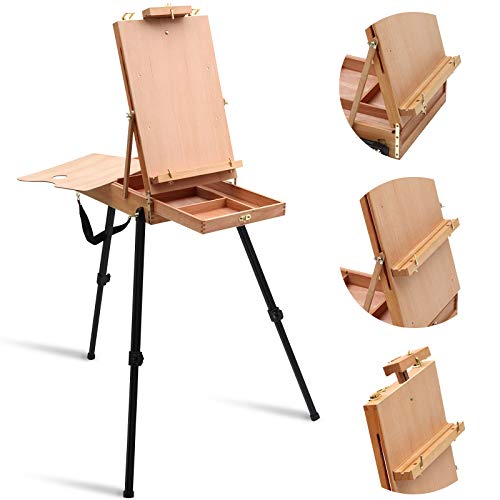
The Falling in Art Light Weight French Style Field and Sketchebox Easel is ideal for artists who seek a combination of portability and sturdy construction. Whether you are a professional painter working on-site, a hobbyist who enjoys plein air painting, or a student needing a reliable easel for classes, this easel suits your needs perfectly. Its adjustable design and lightweight materials make it convenient for outdoor use without compromising stability.
Pros:
- Lightweight design at only 9.35 pounds, making it easy to transport.
- Made with an adjustable beechwood tripod for customizable height and angle settings.
- Equipped with a handy drawer and palette for storing art supplies and mixing colors.
- Durable aluminum tripod legs provide excellent stability on uneven surfaces.
- Elegant French style field and sketchbox design adds an aesthetic appeal to your workspace.
Cons:
- The height of 53.5 inches might be limiting for taller artists.
- The brown color may show wear or paint stains over time.
This Falling in Art easel boasts a balanced combination of lightweight materials and sturdy craftsmanship. The use of aluminum for the tripod legs ensures that the easel remains stable even on uneven ground, which is crucial for artists working outdoors. Additionally, the adjustable beechwood tripod provides flexibility in positioning the canvas at the perfect angle and height, enhancing comfort and precision during painting sessions.
Another significant feature is the integrated drawer and palette, which allow artists to keep their essential tools and colors within easy reach. This thoughtful design helps maintain a clean and organized workspace, fostering creativity and efficiency. Overall, this easel offers practical benefits combined with a stylish French design, making it a valuable tool for artists of all skill levels.
To buy this product, click here.
Vevor French Easel
What Makes a Field Easel Work Outdoors
A field easel is judged by three things that never appear in studio easel reviews: how fast it sets up, how well it stays put in wind, and how little it weighs on the walk back. Painters discover the first two on their second trip out, usually the hard way. A design that needs both hands and a careful sequence of adjustments to open will quietly stop coming with you.
Wind is the real adversary. A canvas is a sail, and a light easel with a narrow leg spread and no ballast will go over. Every serious field easel has a hook or ring under the centre for hanging a bag, and every experienced plein air painter uses it. On a beach or a hillside, spread the legs wider and lower the mast; the lower the centre of gravity, the longer you get to paint.
Choosing a Field Easel
Tripod, box or pochade
A tripod easel is lightest and quickest. A box easel carries your paints in the same unit and is heavier but steadier. A pochade box mounts a small panel on a camera tripod and is the most compact of all, suited to panels under about 30 centimetres. Match the format to how far you walk and how large you paint.
Setup time
Count the adjustments in the product images. Three leg locks and one mast lock is quick. A dozen wing nuts is not, and in cold weather with numb fingers it is worse than the listing makes it sound.
Ground adaptability
Independently adjustable legs let you stand level on a slope, which is where most landscapes are painted. Fixed length legs force you onto flat ground. Spiked feet grip soil and grass; rubber feet are for pavements and studio floors, and the best easels have spikes that retract inside rubber.
Weather tolerance
Aluminium and anodised alloy survive rain and salt. Untreated timber swells, sticks and then never quite grips again. If you paint on the coast or in wet climates, this decides the material for you.
Canvas capacity versus pack size
Check both the maximum canvas the easel takes and the length it folds to. An easel that holds a metre high canvas but does not fit in your car boot or on your back is not a field easel in practice.
Shade and glare
Painting in direct sun makes every colour look lighter than it is, and your painting will read as muddy indoors. Some field easels accept a clamp on umbrella or a shade arm. If yours does not, work with the sun behind you and keep both the canvas and your palette in the same light.
Frequently Asked Questions
How do I keep a field easel from blowing over?
Hang your bag from the hook under the centre column, spread the legs as wide as the ground allows, and lower the mast to drop the centre of gravity. A canvas acts as a sail, so ballast is not optional in wind.
What is the difference between a field easel and a pochade box?
A field easel is a freestanding tripod or box easel that holds a full size canvas. A pochade box is a small paint box that mounts on a camera tripod and holds panels up to roughly 30 centimetres. The pochade is far more compact and far more limited in size.
Should a field easel be aluminium or wood?
Aluminium for wet or coastal conditions and for long walks, because it does not swell and weighs less. Wood for steadiness in calm conditions and for painters who mind vibration more than weight.
Why do my outdoor paintings look muddy indoors?
Because direct sun on the canvas makes every colour look lighter than it is, so you mix everything too dark. Keep the canvas and the palette shaded in the same light, using an umbrella or by working with the sun behind you.