
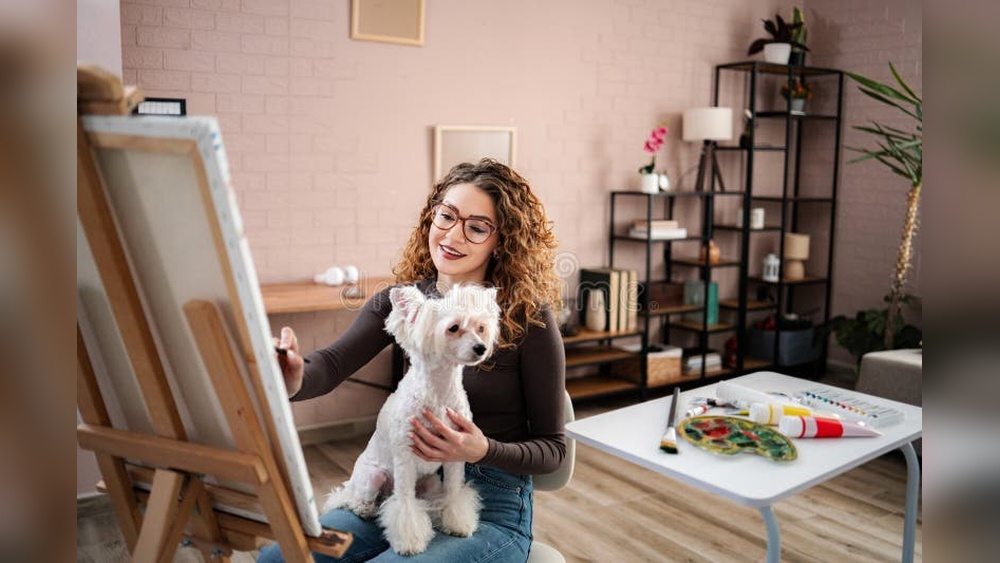
Quick answer: To paint sitting with a lap easel, sit upright with both feet supported, tilt the easel to roughly 20 to 45 degrees so the surface faces your eyes, and keep it about an arm’s length minus a little from your face. Secure the canvas or paper with clamps or tape, put your palette and water on a side table at the same height as your hand, and paint from the elbow and shoulder rather than the wrist. Take a short break every 20 to 30 minutes.
A lap easel turns a chair, sofa or bed into a small studio. It suits painters with limited space, people who find standing tiring, those recovering from injury and anyone who simply prefers to work seated. But painting comfortably on your lap takes more than balancing a board on your knees. Learning how to paint sitting with a lap easel means getting posture, angle, reach and workflow right.
This guide covers setup, ergonomics, which media and sizes work best, and practical fixes for common problems such as neck strain, wobbling and spills.
What Counts as a Lap Easel?
The term covers a few related designs:
- Angled lap desk easels: a flat board with a fold-out prop that sets the angle. Some include a ledge to hold the canvas.
- Lap easels with clamps: similar to a lap desk but with clips or a top bar to hold a canvas panel or pad.
- Cushioned lap trays: a board on a soft base that shapes to your lap; useful on sofas and beds.
- Floor-standing seated easels: technically not lap easels, but designed to sit over your legs or beside a chair.
Each style has strengths. If you are still deciding what to buy, our roundup of the best painting easels, including seated options compares lap, tabletop and floor models.
How to Paint Sitting With a Lap Easel: Step-by-Step Setup
1. Choose the right seat
A firm chair with a backrest and armrests is ideal. Armrests can support your forearms during detail work. A sofa or bed works, but add a cushion behind your lower back so you do not slump.
2. Support your feet
Plant both feet flat on the floor or on a footrest. Raising your feet slightly lifts your knees, which tilts your lap and helps the easel sit at a steadier angle. In bed, a pillow under your knees does the same job.
3. Set the angle
A flat surface forces you to bend your neck and distorts your view of the painting. Tilt the easel so its surface is closer to perpendicular to your line of sight. A useful range:
| Medium | Suggested angle from horizontal | Why |
|---|---|---|
| Watercolor | 10 to 20 degrees | Washes flow gently without running off |
| Gouache | 20 to 35 degrees | Less runny than watercolor; more upright is comfortable |
| Acrylic | 30 to 45 degrees | Thicker paint stays put; better view |
| Colored pencil, pastel, drawing | 30 to 45 degrees | Reduces neck bend; pastel dust falls away from the surface |
| Oil (small panels) | 35 to 45 degrees | Thicker paint; upright view reduces distortion |
These are starting points. Adjust until you can see the whole painting without craning your neck.
4. Find the right distance
Too close and you lose the overall view; too far and you overreach. Most people settle with the surface roughly 16 to 24 inches from their eyes. You should be able to reach every corner by moving your arm rather than leaning your body.
5. Secure the surface
Clamp or tape your canvas panel, board or paper so it cannot slide. Painter’s tape around the edges of paper also gives a clean border. Canvas panels and boards are usually easier than stretched canvases, which are thicker and can wobble on a lap easel.
6. Position your supplies
Place a side table or rolling cart next to your painting hand, ideally at about the height of the easel’s lower edge. Put your palette, water and brushes there. Reaching down to the floor repeatedly strains your back, and balancing a palette on your lap invites spills.
7. Light your work
Position a lamp so light falls on the painting from the side opposite your painting hand. That avoids your hand casting shadows across the surface. Daylight-balanced bulbs help with color accuracy.
Ergonomics: Staying Comfortable for Longer
Posture checklist
- Back supported, shoulders relaxed and down.
- Neck in a neutral position, chin level rather than tucked.
- Elbows close to the body for detail work, free for larger strokes.
- Feet supported; knees at or slightly above hip level.
Paint from the shoulder, not the wrist
Seated painting tempts you to anchor your wrist and make small, cramped strokes. Use your whole arm for larger marks and loosen your grip on the brush. Holding the brush further back on the handle encourages looser, more confident strokes.
Take regular breaks
Every 20 to 30 minutes, set the easel aside, stand up, roll your shoulders and look at something far away for a minute. Looking into the distance relaxes eye muscles that tire from focusing up close.
Use a mahl stick for detail
A mahl stick (or a simple dowel) rests across the edge of the easel to support your painting hand without touching wet paint. It is very helpful for steady detail work when seated.
Best Sizes and Surfaces for Lap Painting
Lap easels suit smaller works. As a rough guide:
- Comfortable: up to about 11 by 14 inches.
- Manageable: 12 by 16 to 16 by 20 inches on larger, sturdier lap easels.
- Difficult: anything larger, which overhangs and becomes unstable.
Canvas panels, wood panels, watercolor blocks and mixed media pads are ideal because they are flat and light. Watercolor blocks, which are glued on all sides, stay flat even with wet washes, which is a real advantage when you cannot tape down large sheets.
Best Easel for Sitting: What to Look For
When people search for the best easel for sitting, they usually need a few specific features:
- Adjustable angle with several locking positions.
- A canvas ledge or clamp to hold work securely.
- Lightweight build so it is comfortable on your legs.
- A non-slip or cushioned base for stability on soft surfaces.
- Storage such as a small drawer for brushes and pencils, if space is tight.
For larger seated work, some painters prefer a sturdy floor easel set low and pulled close to a chair, rather than a lap easel. H-frame studio easels often adjust low enough for this. Our Richeson H-frame easel review discusses height ranges that work for seated painters.
Workflow Tips by Medium
Watercolor
Keep the angle shallow. Load the brush more than you would when standing, because washes need to travel down the slope. Keep a paper towel in your non-painting hand to catch drips at the bottom edge.
Acrylic
Acrylic dries quickly, especially near a heater or lamp. Use a stay-wet palette on your side table and mist paint lightly. Wear old clothes or an apron, because acrylic does not wash out once dry.
Gouache
Gouache works beautifully on a lap easel because it is less messy and dries fast. Reactivating dried paint on the palette is easy, which suits short seated sessions.
Oil
Oil is possible on small panels but needs extra care: ventilation, solvent-free or low-odor practices and a safe place for wet panels to dry. Many lap painters choose water-mixable oils to reduce solvent use.
Drawing and pastel
Tilt the easel more steeply for pastel so dust falls away instead of settling on the surface. A tray or towel across your lap catches the dust.
Painting in Bed or on the Sofa
Soft surfaces make lap painting harder because the easel tilts and moves. These steps help:
- Use a firm pillow or a lap tray with a cushioned base underneath the easel.
- Sit up with a firm pillow behind your lower back.
- Place a waterproof sheet or old towel over bedding.
- Use spill-proof water containers with weighted bases.
- Keep supplies on a bedside table rather than on the mattress.
For people with limited mobility, a bed tray with an adjustable top can work as a lap easel. Small panels and watercolor blocks are especially practical.
Adaptations for Limited Mobility or Grip
Seated painting is often the most accessible way to keep painting through injury, arthritis or fatigue. A few adaptations make a noticeable difference:
- Thicker handles: wrapping brush handles in foam tubing or using chunky-handled brushes reduces grip strain.
- Shorter sessions: two 30-minute sessions are often more productive than one tiring hour.
- Forearm support: armrests, a rolled towel or a mahl stick takes weight off the shoulder.
- Weighted water cups: heavier containers are harder to knock over.
- Pre-squeezed palettes: setting out paint in advance, on a covered stay-wet palette, avoids repeated tube squeezing.
- Quick-release clamps: easier to operate than tight knobs when swapping panels.
If a particular movement causes pain, it is sensible to check with a healthcare professional or occupational therapist, who can suggest adjustments specific to your needs.
A Simple 45-Minute Seated Session
- Five minutes: set up the chair, footrest, easel angle, light and side table.
- Ten minutes: sketch the composition lightly and check it from a distance.
- Twenty minutes: block in large shapes and main colors, painting from the shoulder.
- Short break: stand, stretch and look across the room.
- Ten minutes: add a few key details, then clean brushes and cover the palette.
Keeping sessions structured like this helps you finish small pieces regularly, which builds skill faster than starting large paintings you struggle to complete from a chair.
Common Problems and Fixes
| Problem | Likely cause | Fix |
|---|---|---|
| Neck or shoulder ache | Easel too flat or too low | Increase angle, raise knees or add a cushion under the easel |
| Wobbling | Soft seat, unsecured canvas | Firm base, clamp the canvas, reduce size |
| Distorted drawing | Viewing the surface at an angle | Increase tilt; step back and view the painting upright regularly |
| Spills | Supplies on lap | Move palette and water to a side table |
| Cramped strokes | Anchored wrist | Hold the brush further back, move from the shoulder |
| Hand shadows | Light on the wrong side | Move lamp to the side opposite your painting hand |
Check Your Painting From a Distance
When you paint up close and at an angle, proportions can drift. Every so often, prop the painting upright across the room or take a quick photo with your phone and look at it on the screen. Photos and mirrors both reveal errors that are hard to see from a seated position.
FAQs
Can you paint on canvas with a lap easel?
Yes. Canvas panels and small stretched canvases work well. Keep sizes modest, usually up to around 11 by 14 inches, and secure the canvas with clamps or a ledge.
What angle should a lap easel be for painting?
Around 10 to 20 degrees for watercolor and 30 to 45 degrees for acrylic, gouache, drawing and oil. Adjust until you can see the whole surface without bending your neck.
What is the best easel for sitting?
Look for an adjustable angle, secure canvas holding, light weight and a stable or cushioned base. For larger work, a floor easel adjusted low beside a chair can be more comfortable.
How do I avoid back pain when painting sitting down?
Support your lower back, keep your feet supported, tilt the easel toward you, keep supplies within easy reach and take a short break every 20 to 30 minutes.
Can I paint with watercolor on a lap easel?
Yes. Use a shallow angle, tape the paper or use a watercolor block, and keep a paper towel handy to catch drips at the bottom edge.
Is a lap easel good for beginners?
It is a practical, space-saving way to start. It suits small paintings and studies, which are ideal for building skills before working larger.
Final Thoughts
Painting from a seat can be just as productive as working at a standing easel. Set a comfortable angle, keep supplies beside you, secure your surface and move from the shoulder. Small panels and regular breaks make long seated sessions enjoyable rather than tiring.
When you are ready to choose equipment, our guide to the easels artists love, from lap to studio models covers designs that work well for seated painting and makes it easier to match an easel to your space and medium.





5 Comments