If you love painting but sometimes feel stuck or unsure what to create, you’re not alone. Many people want to paint but don’t know where to start. The good news is, you don’t need to be a professional artist to make beautiful canvas art. In fact, simple ideas can be just as powerful and enjoyable as complex ones. This article will give you a range of simple things to paint on canvas. Whether you’re a complete beginner or looking for fresh inspiration, you’ll find practical suggestions, beginner-friendly tips, and a few clever tricks that make the process fun and stress-free.
Let’s explore easy yet creative canvas painting ideas, learn how to pick subjects, and discover how to turn small inspirations into art you’ll be proud to hang on your wall.
Why Simple Ideas Work So Well
Simple ideas make painting less stressful. You’re free from worrying about details and can enjoy the process. With simple subjects, you can focus on colors, brushstrokes, and your own style. It’s also easier to finish a painting, which builds your confidence and makes you want to paint more.
Beginners often forget that simple paintings can look impressive when you use bright colors, interesting shapes, or even just your own imagination. Sometimes, a basic subject painted with bold colors can become a real conversation piece.
How To Choose What To Paint
If you feel stuck, ask yourself a few questions:
- What colors am I drawn to?
- Do I want to paint something from nature, or something more abstract?
- Is there something in my home or outside that makes me feel happy or calm?
Remember, there are no wrong answers. If you feel excited about an idea, that’s a great place to start.
20 Simple Things To Paint On Canvas
Here are 20 ideas that work well for beginners and anyone wanting an easy, relaxing painting experience. Each idea includes a short description and practical tips to help you get started.
1. Sunsets
Sunsets are perfect for beginners because you can play with colors and blending. Start with a light yellow at the bottom, then add oranges, pinks, and purples as you move up the canvas. Use a big brush for the sky and a small brush to add a simple silhouette, like a tree or mountain.
2. Mountains
Paint a few triangle shapes in different shades of grey, blue, or purple. Blur the edges with a dry brush to make them look far away. Add a lighter color on one side of each mountain for sunlight.
3. Flowers
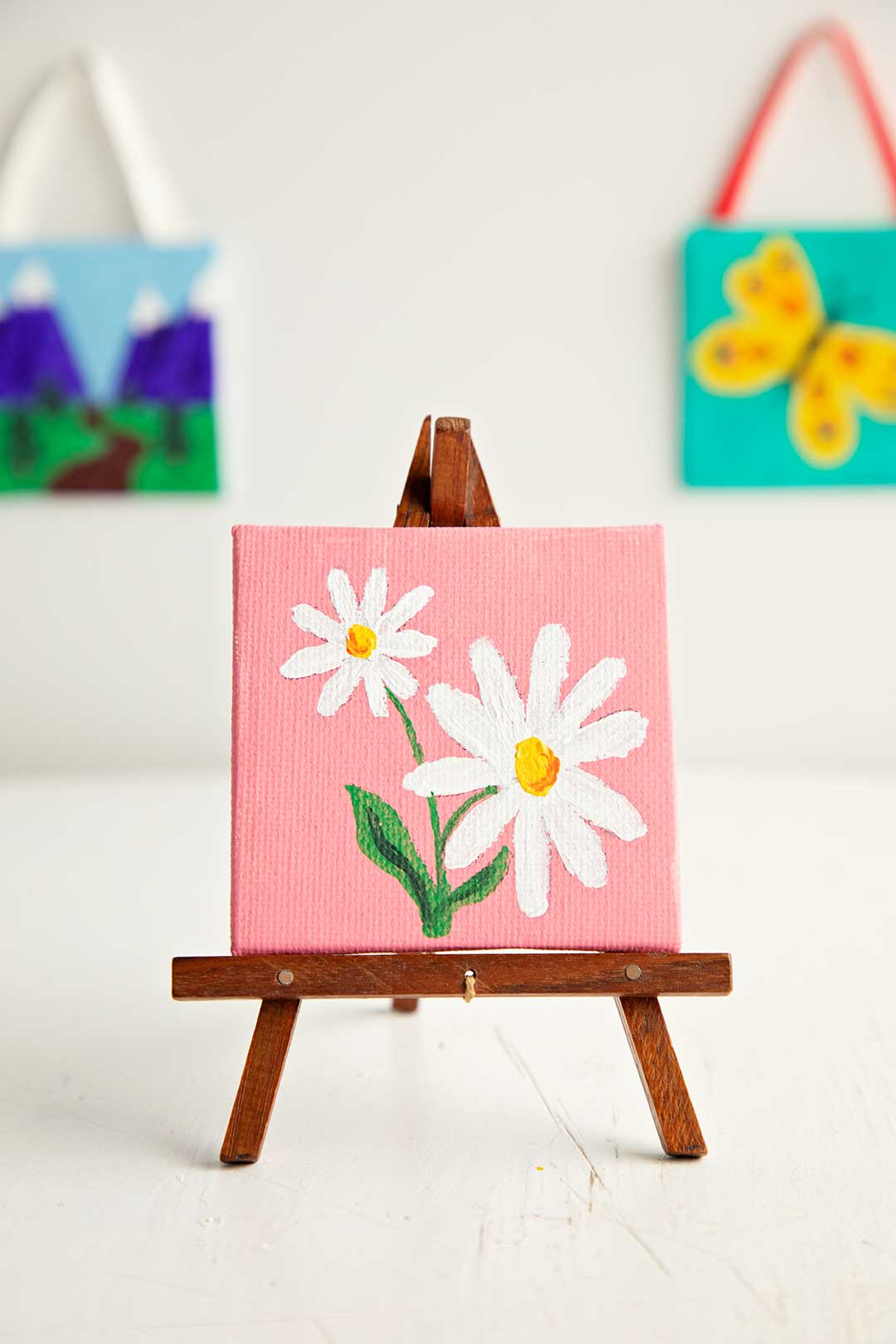
Pick a single flower, like a daisy or tulip, and paint it big on the canvas. Focus on simple shapes—round petals and a central circle. For a twist, paint several flowers in a row or let them overlap.
4. Abstract Lines
Use painter’s tape to create lines or geometric shapes. Paint each section a different color. When you remove the tape, you’ll have a clean, modern abstract painting.
5. Simple Trees
Paint a straight line for the trunk, then use a round brush to dab green, orange, or red for leaves. For a winter tree, skip the leaves and just paint bare branches.
6. Ocean Waves
Start with a blue background. Use white and lighter blues to make wave shapes. Don’t worry about detail—just let your brush move in soft curves to mimic the water.
7. Fruit
Choose a bright fruit, like an apple or lemon. Paint a simple round shape and add a highlight for shine. Place the fruit off-center for a modern look.
8. Cacti And Succulents
Draw a few cactus shapes—tall, round, or spiky. Paint them green and add dots or lines for texture. Put them in colorful pots for extra fun.
9. City Silhouette
Paint a sunset background, then use black paint to add simple rectangles and triangles for buildings. You don’t need detail—just enough to show a city skyline.
10. Clouds
Start with a blue sky. Use a dry brush or sponge to dab on white paint for fluffy clouds. Add a bit of grey for shadow to make them look soft and real.
11. Balloon Bunch
Paint a few oval shapes in different colors for balloons. Connect them with thin lines for strings. This is a playful idea that’s great for kids’ rooms.
12. Minimalist Faces
Draw a face using just one line (known as a continuous line drawing). It’s modern and stylish, and you don’t need to worry about perfect proportions.
13. Pine Trees
Paint a brown trunk, then use a fan brush or dabbing motion to add green layers for branches. Paint several trees in different sizes for a forest look.
14. Rainy Window
Paint a blue or grey background. Use a small brush to make dots and short lines for raindrops. Add a blurry shape (like a tree or car) behind the “window” for depth.
15. Galaxy
Blend dark blues, purples, and blacks. Add white dots for stars and a few larger circles for planets or moons. Use a toothbrush to flick white paint for a star effect.
16. Birds On A Wire
Paint a simple blue or sunset sky. Use a ruler to paint a straight black line for the wire, then add small black shapes for birds sitting on it.
17. Leaves
Pick a few leaf shapes—like ferns, maple, or monstera. Paint them in green, yellow, or even metallic colors. Overlap them for a layered look.
18. Hot Air Balloon
Paint a large oval or circle for the balloon, add stripes or patterns, and a small basket beneath. Place it against a sky or landscape background.
19. Houses Or Cabins
Paint a simple house shape with a triangle roof and square body. Add a few windows and a door. Place it in a field, forest, or snowy scene.
20. Your Favorite Animal (simplified)
Choose any animal and break it into simple shapes. For example, an owl can be made from circles and triangles. Use basic colors and don’t stress about details.
Essential Supplies For Simple Canvas Painting
You don’t need a studio full of tools. Here’s what you should have:
| Item | Why It Matters | Beginner Tip |
|---|---|---|
| Canvas or canvas board | Surface for your painting | Choose small sizes at first |
| Acrylic paints | Easy to use and quick to dry | Start with basic colors: red, blue, yellow, white, black |
| Brushes (varied sizes) | For big areas and details | Get a flat, round, and detail brush |
| Water cup & palette | For cleaning and mixing | Plastic plates work as palettes |
| Paper towels/rags | For cleaning brushes and mistakes | Keep them close by |
Non-obvious tip: Start with a small canvas (like 8×10 inches). It’s less intimidating, uses less paint, and is easy to finish in one sitting.

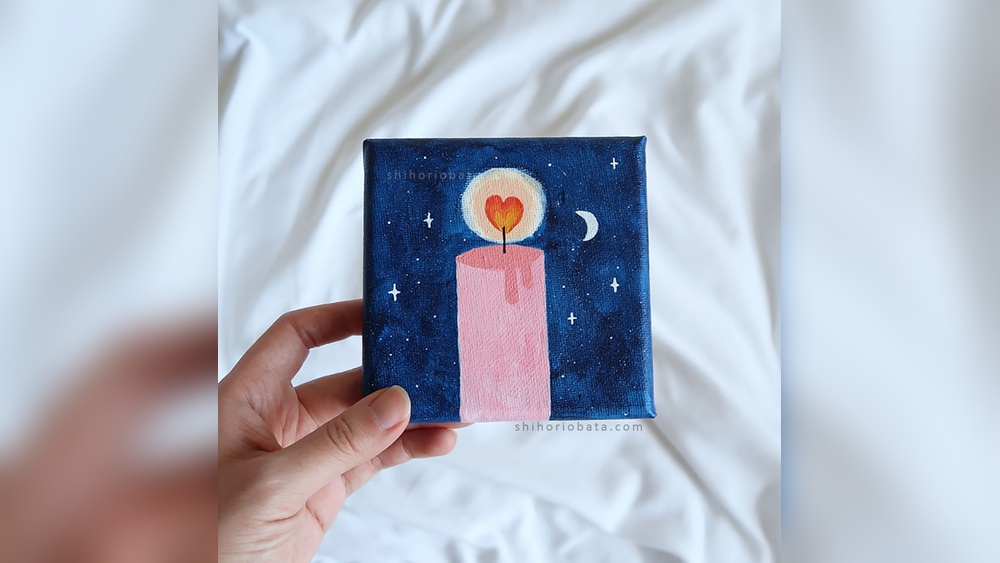
Credit: www.shihoriobata.com
Painting Techniques Made Simple
You don’t need advanced skills to make your painting look great. Here are a few techniques that are easy to try and make a big difference:
- Blending: Use a damp brush to blend two colors where they meet. Works well for skies and backgrounds.
- Dabbing: Use a sponge or brush to dab on color for leaves, flowers, or clouds.
- Dry Brushing: With very little paint, drag your brush lightly over the canvas for a textured look.
- Layering: Let each layer dry before adding another. This prevents muddy colors and gives your painting depth.
Practical insight: Beginners often use too much water with acrylics. For strong colors, use less water and more paint.
Comparing Simple Vs. Complex Painting Subjects
Choosing the right subject makes a big difference. Here’s how simple and complex painting ideas compare for beginners:
| Feature | Simple Subjects | Complex Subjects |
|---|---|---|
| Time Required | Usually under 2 hours | Several hours or days |
| Stress Level | Low | High (more details to manage) |
| Skill Needed | Beginner to intermediate | Intermediate to advanced |
| Room for Creativity | High – you can experiment | Sometimes less, due to accuracy |
| Confidence Boost | High – easy wins | Can be discouraging if difficult |
Where To Find Inspiration
Sometimes, the hardest part is just choosing what to paint. Here’s where you can look for ideas:
- Photos on your phone: Snapshots from your daily life can become great paintings.
- Nature walks: Leaves, rocks, and clouds offer endless simple shapes and colors.
- Children’s books: The illustrations are often simple and colorful.
- Online art communities: Browse websites like Pinterest or Instagram for ideas. Remember, always use others’ art for inspiration, not copying exactly.
A useful resource for art ideas is the WikiHow Canvas Painting Guide.
Two Surprising Insights For Beginners
Many new painters miss these points:
- Backgrounds matter: Even a simple painting looks finished if you paint the background first. Don’t leave it white—try a light color wash.
- Mistakes can be fixed: With acrylic paint, let it dry, then just paint over errors. No one will ever know!

Credit: thenymelrosefamily.com
How To Make Your Simple Painting Stand Out
A few easy tricks can make your work look more professional:
- Use bold colors: Don’t be afraid to make your sky very blue or your leaves very bright.
- Add a highlight or shadow: A small white or dark line can give your object depth and make it pop.
- Frame your painting: Even a basic painting looks impressive when framed.
Common Mistakes And How To Avoid Them
Using Too Much Water
Too much water can make your colors look washed out or cause the paint to drip. Use just enough to keep your brush moving smoothly.
Overworking The Paint
Painting over the same spot again and again can make the colors muddy. Lay down your color and move on. If you want to change something, let it dry first.
Ignoring Drying Time
Acrylics dry fast, but not instantly. If you paint on top of wet paint, colors can mix in ways you don’t want.
Rushing The Details
Details are best added at the end. Focus on big shapes and colors first, then add small lines or highlights.
Credit: welcometonanas.com
Displaying Your Simple Canvas Art
You don’t need a gallery to show your work. Try these ideas:
- Hang a group of small canvases together for a gallery wall
- Give finished paintings as gifts
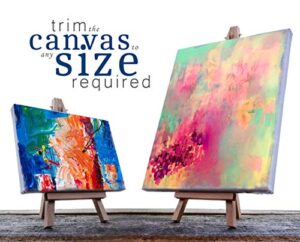
- Use small easels for shelf displays
- Swap out paintings for different seasons
Frequently Asked Questions
What Is The Easiest Thing To Paint On Canvas For Beginners?
The easiest is often a sunset or an abstract design. These subjects don’t require perfect shapes and let you experiment with color blending.
Can I Use Regular Paper Instead Of Canvas?
You can use thick paper (like watercolor paper), but canvas is stronger and gives a different texture. Paint can warp thin paper, so canvas is best for lasting results.
What Kind Of Paint Is Best For Simple Canvas Art?
Acrylic paint is best for beginners. It dries quickly, cleans up with water, and works well on canvas. Oil paint takes longer to dry and is harder to clean.
How Can I Fix Mistakes In My Painting?
Let the mistake dry completely, then paint over it with a layer of background color. Once dry, repaint the area. Acrylics are very forgiving for this reason.
How Do I Choose Colors That Look Good Together?
Use the color wheel: colors opposite each other (like blue and orange) usually look good together. For safety, use only a few colors and keep them simple. There are many free online color palette tools to help.
Painting on canvas doesn’t have to be complicated. Simple ideas, basic supplies, and a little creativity are all you need. Start small, play with color, and enjoy the process. Every painting teaches you something new, and before long, your walls will be filled with your own unique art.