Are you ready to bring the soothing beauty of lavender into your artwork? Painting lavender with acrylics might seem tricky at first, but with the right techniques, you can create stunning, delicate flowers that brighten any canvas.
In this guide, you’ll learn simple steps to mix the perfect lavender color, choose the best brushes, and apply paint in a way that captures the soft, calming essence of these lovely blooms. Whether you’re a beginner or looking to refine your skills, this article will give you easy-to-follow tips that make painting lavender not only achievable but truly enjoyable.
Keep reading, and soon you’ll be creating gorgeous lavender paintings that stand out with vibrant yet gentle colors.
Materials Needed
Gathering the right materials makes painting lavender with acrylic paint easier and more enjoyable. Having the correct colors, brushes, and supplies helps create beautiful and realistic lavender flowers. Each item plays a key role in the painting process.
Acrylic Paint Colors
Choose acrylic paints in shades of purple, white, and green. Start with basic purple, such as violet or dioxazine purple. Add white to create soft lavender tones. Include a little blue or magenta to adjust the shade. Green shades help paint stems and leaves accurately. Using quality paints improves color vibrancy and blending.
Brush Types
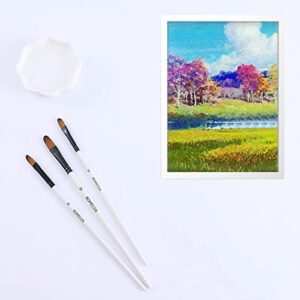
Select brushes with different shapes and sizes for detail and coverage. Round brushes work well for painting small petals and fine details. Flat brushes are good for covering larger areas and creating background washes. Fan brushes can help create texture for leaves and flower stems. Using clean, soft bristles gives better control and smoother strokes.
Additional Supplies
Have a palette to mix and blend your paint colors easily. Use a cup of water to rinse brushes between colors. Paper towels or a cloth help wipe excess paint from brushes. A canvas or acrylic paper provides a good surface for painting. Optional items include a pencil for sketching and a palette knife for mixing paint.
Credit: www.pamelagroppe.com
Mixing Lavender Shades
Mixing lavender shades with acrylic paint requires a good balance of colors. Lavender is a soft purple with hints of blue and pink. Achieving the right shade needs careful mixing of primary colors. Understanding how to adjust tones helps create beautiful lavender hues. This section guides you through basic and advanced mixing techniques. You will learn how to make pastel lavender and keep your colors vibrant.
Basic Lavender Mix
Start with equal parts of blue and red paint. Use a soft red like magenta for better results. Mix these two to create purple. Add white paint slowly to lighten the shade. Keep mixing until you get a soft lavender color. Avoid using too much red or blue at once. This basic mix forms the base for all lavender shades.
Adjusting Warm And Cool Tones
Warm lavender has more red or magenta added. This gives a pinkish, cozy feel to the color. Cool lavender has more blue, giving a fresh, calm look. Add small amounts of red or blue to shift the tone. Mix well and test your color on paper. Adjust slowly to avoid making the color too dark or dull.
Creating Pastel Lavender
Pastel lavender is soft and light. Start with your basic lavender mix. Add plenty of white paint to soften the color. Mix until the paint looks smooth and creamy. Pastel lavender works great for backgrounds and gentle floral details. Use a clean brush to blend pastel shades on your canvas.
Tips For Vibrant Lavender
Use high-quality acrylic paints for bright colors. Avoid adding too much white, which can dull the color. Mix in a tiny bit of yellow to brighten your lavender shade. Keep your brush clean to avoid muddy colors. Layer your paint in thin coats for better vibrancy. Let each layer dry before applying the next.
Preparing Your Canvas
Preparing your canvas is the first step to a beautiful lavender painting. A well-prepared surface ensures your acrylic paint sticks well and lasts long. It also helps the colors appear vibrant and smooth. Spend time on this stage to make painting easier and more enjoyable.
Choosing The Right Surface
Select a surface that suits acrylic paint best. Canvas boards, stretched canvas, and canvas panels work well. Canvas fabric with a tight weave holds paint nicely and shows fine details. Thicker canvas prevents warping and is easier to handle. You may also choose a wooden panel for a sturdy surface. Avoid glossy or slick surfaces, as paint may not adhere properly.
Priming Techniques
Prime your canvas before painting lavender. Use gesso, a white acrylic primer, to prepare the surface. Apply a thin, even coat with a wide brush or sponge. Let it dry completely. A second coat improves texture and paint adhesion. Sand lightly between coats for a smoother finish. Priming blocks paint absorption, so colors stay bright and true.
Credit: www.youtube.com
Painting Lavender Stems
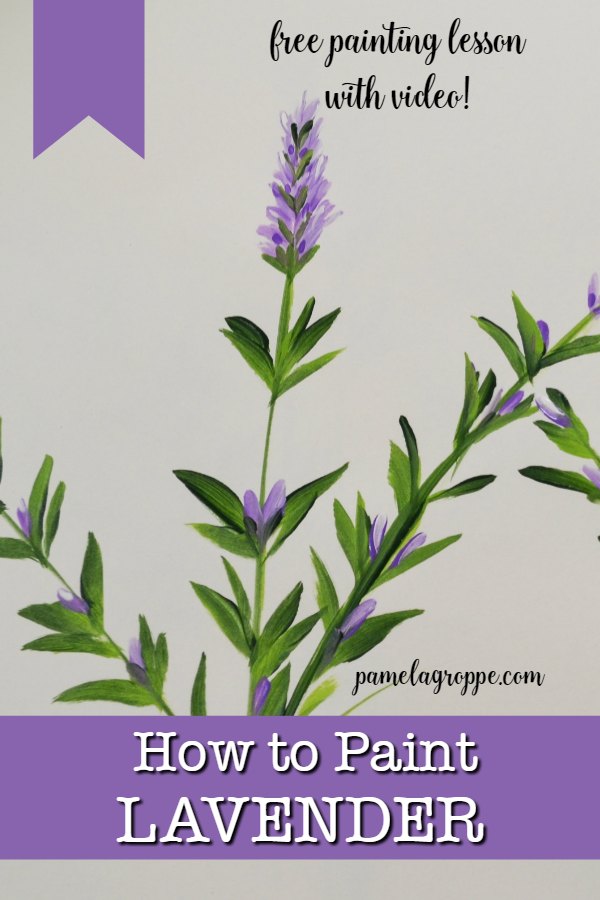
Painting lavender stems requires careful attention to detail. The stems are thin and delicate, giving the flower its natural look. Using acrylic paint, you can create soft, realistic stems that complement the lavender buds. Focus on brush control and color choices to make the stems appear lifelike and vibrant.
Brush Strokes For Stems
Use a small, round brush for painting lavender stems. Light, upward strokes work best to mimic the thin shape of the stems. Keep your hand steady and use gentle pressure. Avoid thick strokes, as lavender stems are slender. Paint each stem with a single stroke for a smooth, natural look. Let the brush tip do the work to create fine lines.
Color Blending For Depth
Mix green with a little brown or yellow to get a natural stem color. Start with a darker shade for the base of the stem. Add lighter green or yellow on one side for highlights. Blend the colors softly to avoid harsh lines. This blending technique adds depth and dimension. It makes the stems appear round and three-dimensional.
Painting Lavender Flowers
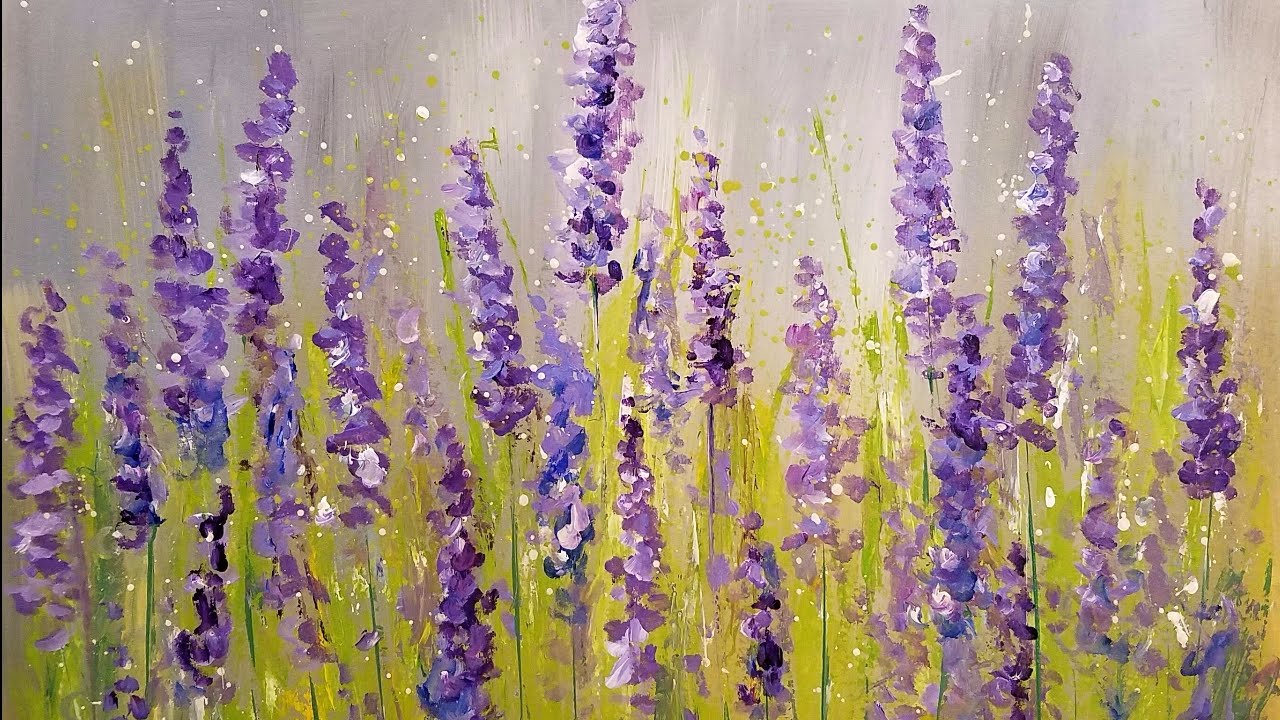
Painting lavender flowers with acrylics requires patience and attention to detail. These delicate blooms have a unique shape and soft colors. Capturing their beauty takes practice and the right techniques. Follow these steps to create realistic lavender flowers in your artwork.
Focus on the small flower clusters and the gentle color transitions. Use simple brush strokes and layering to build depth. Work slowly and enjoy the process of painting each petal.
Using Dotting Techniques
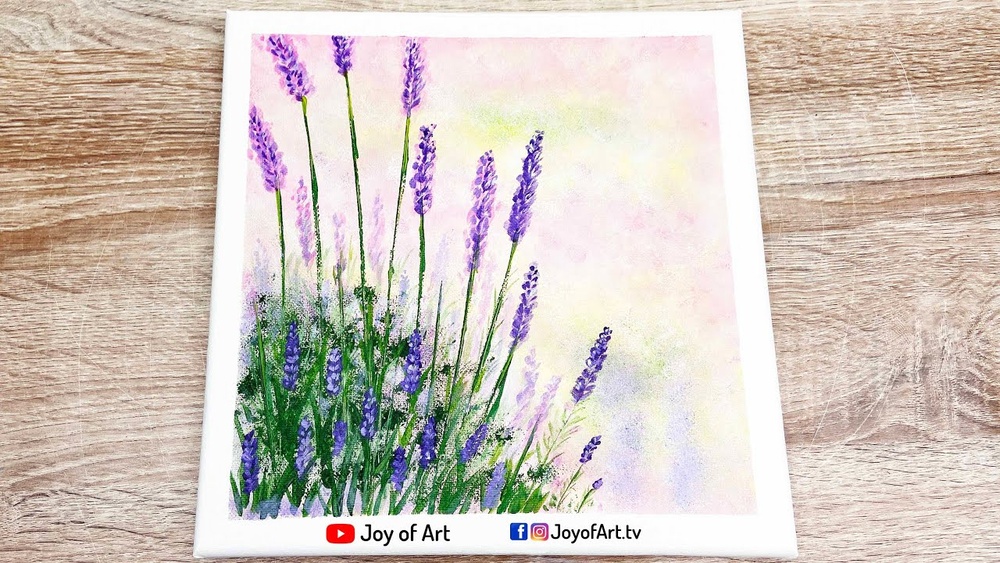
Dotting is an effective way to paint the tiny lavender buds. Use the tip of a small round brush or a cotton swab. Dip it lightly in purple or lavender paint. Press gently on the canvas to create small dots. These dots mimic the clustered buds of the flower.
Vary the size and spacing of the dots to add natural texture. Use a mix of light and dark purples. This adds visual interest and a three-dimensional feel. Dotting also helps avoid hard lines, keeping the flower soft.
Layering Petals
Layering builds volume and depth in the petals. Start with a light base color of lavender or pale purple. Let it dry before adding the next layer. Use a slightly darker shade to paint petal shapes over the base layer.
Paint petals in small groups, overlapping each other. This creates a natural look and avoids flatness. Keep each brush stroke short and light. Gradually add layers until the petals look full and rich.
Adding Highlights And Shadows
Highlights and shadows give the flowers a lifelike appearance. Use white or light lavender to add highlights on the petal edges. This shows where light hits the flower. Add shadows with a mix of purple and a tiny bit of blue or brown.
Apply shadows in areas where petals overlap or curve inward. Blend the shadows softly for a smooth transition. This contrast between light and dark makes the lavender flowers pop on the canvas.
Adding Background Elements
Adding background elements enhances the overall look of your lavender painting. It creates depth and sets the mood. A well-chosen background can make the lavender stand out. Simple backgrounds often work best with acrylics. You want the focus to stay on the lavender flowers. Backgrounds can be soft or bold depending on your style.
Choosing Background Colors
Select colors that complement lavender’s soft purple tones. Light greens, blues, or warm neutrals work well. Avoid colors that clash or overpower the lavender. Soft pastels create a calm, peaceful feeling. Darker shades add contrast and drama. Test colors on a separate paper before applying them. Keep the color palette limited for a balanced look.
Blending Background With Foreground
Blend the background gently into the lavender stems and leaves. Use a dry brush or sponge to soften edges. This creates a smooth transition between background and foreground. Avoid harsh lines that separate the two areas. Blending adds realism and depth to your painting. Work quickly while the paint is wet for better blending. Layer colors gradually for a natural effect.
Finishing Touches
Finishing touches bring your lavender painting to life. These final steps add depth and protection. They make your artwork look polished and last longer. Focus on small details and safeguarding your painting for the best results.
Detail Enhancements
Use a fine brush to add tiny highlights and shadows. This creates a more realistic look. Light lavender petals need soft white touches. Darker purple shades add depth between petals. Add thin green lines for lavender stems. These small details make your painting vibrant and complete.
Protecting Your Artwork
Apply a clear acrylic varnish once your painting is dry. It protects colors from fading and damage. Choose a matte or glossy finish based on your preference. Spray varnish works well for even coverage. Let the varnish dry fully in a dust-free space. This step keeps your lavender painting beautiful for years.

Credit: feelingnifty.com
Common Mistakes To Avoid
Painting lavender with acrylics can be rewarding but tricky. Some mistakes can ruin your work or make it harder. Avoiding common errors helps keep colors bright and shapes clear. Here are key mistakes to watch out for.
Overmixing Colors
Mixing colors too much can dull the lavender shade. Lavender needs soft, light purple tones. Overmixing blends colors into a muddy look. Use small amounts of color at a time. Blend just enough to get the right hue.
Ignoring Brush Care
Dirty or dry brushes cause rough, uneven strokes. Clean brushes after each color change. Keep them moist to avoid stiff bristles. Good brush care keeps your lines smooth. It also helps you paint delicate lavender petals well.
Skipping Layer Drying
Not letting layers dry causes colors to mix unintentionally. Wet layers can blur details and lose contrast. Wait for each layer to dry before adding the next. This builds depth and makes your lavender look fresh.
Tips For Beginners
Painting lavender with acrylics can be fun and relaxing. Beginners often face challenges with color and technique. Simple tips help create beautiful lavender paintings without frustration. These ideas make the process smooth and enjoyable for new painters.
Practice Color Mixing
Mixing the right lavender color takes practice. Start with white paint as your base. Add small amounts of blue and red to create a soft purple. Test your mix on paper before painting. This step helps you find the perfect shade. Keep notes of your mixes for future use.
Start Simple
Begin with basic shapes and forms of lavender flowers. Avoid detailed patterns at first. Use light strokes to create petals and stems. Focus on the overall look instead of small details. Simple paintings build confidence and skill. You can add complexity with experience.
Experiment With Tools
Use different brushes to find what works best. Small round brushes are good for petals. Flat brushes help with leaves and stems. Try cotton swabs or sponges for texture effects. Changing tools can create unique results. Explore and enjoy the process of discovery.
Frequently Asked Questions
What Colors Do I Mix To Get Lavender?
Mix red and blue to create purple, then add white to lighten it into lavender. Adjust with small amounts of red or blue for tone.
What Brushes Are Best For Painting Lavender?
Use fine round or liner brushes for delicate lavender petals. Fan brushes work well for soft, textured foliage. Synthetic bristles hold acrylic paint better, ensuring smooth strokes and detail.
What Color Makes Up Lavender?
Lavender color is made by mixing purple (a blend of blue and red) with white. Adjust red or blue for warmth or coolness.
How To Make Purple 💜 Color?
Mix equal parts of red and blue paint to make purple. Adjust by adding more red for warmer or more blue for cooler purple shades.
Conclusion
Painting lavender with acrylics can be simple and enjoyable. Use light purple shades by mixing white with violet carefully. Small brush strokes help capture delicate lavender petals well. Practice blending colors to get soft, natural tones. Remember, patience improves your painting step by step.
Try different techniques to find what works best for you. Keep your brush clean and colors fresh for vibrant results. Enjoy the process, and soon you will create beautiful lavender artwork with confidence.