
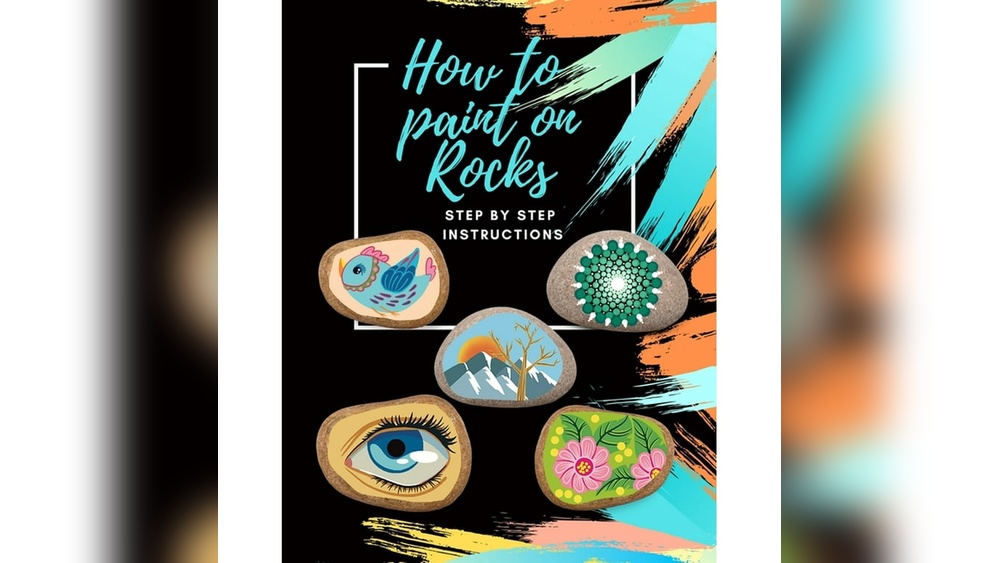
Quick answer: The best painting ideas for adult beginners, step by step, are simple subjects built in clear stages: a sunset silhouette, a moonlit lake, a single tulip, a lemon still life, a birch forest with tape, layered mountains, a coffee cup and an abstract color-block canvas. Each follows the same sequence: background first, big shapes second, details and highlights last. Start on an 8×10 or 9×12 inch canvas with five colors plus white, and expect one to two hours per project.
Adults often approach painting with more hesitation than kids do. There is the fear of “wasting” materials, the inner critic comparing early work with finished paintings online, and the simple question of where to start. Clear, staged projects solve all three. The painting ideas for adults beginners step by step below are chosen because each teaches one core skill and produces a result you will be happy to keep.
You will find ten projects with full instructions, a minimal supply list, a practice order that builds skills logically, and fixes for common frustrations. If you would like broader groundwork before your first canvas, such as how brushes differ and which paints to buy, our painting for beginners guide covers the essentials.
The Three-Stage Method Behind Every Project
Almost every successful beginner painting follows the same structure. Learn it once and every new subject becomes easier.
- Background (cover the canvas). Paint the sky, wall or base color first. This removes the intimidating white surface and sets the mood.
- Big shapes (block in). Paint the main subject as simple flat shapes in its middle value: the mountain, the cup, the flower head.
- Light, shadow and details (refine). Add darker shadows, lighter highlights and the small details that make the subject read.
Work from large brushes to small brushes and from back to front. Resist adding details until the big shapes look right from across the room.
Minimal Supplies for Adult Beginners
- Paint: student-grade acrylic in titanium white, a warm yellow, a red (crimson or cadmium red hue), ultramarine blue, burnt umber and black. That is enough for every project here.
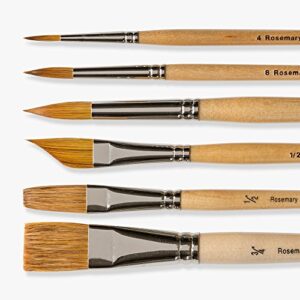
- Brushes: a 1-inch flat, a 1/2-inch flat, a medium round (size 6–8), a small round or liner (size 1–2).
- Surface: canvas panels or stretched canvas in 8×10 or 9×12 inches.
- Extras: palette or paper plate, two water jars (one for rinsing, one clean), paper towels, painter’s tape, pencil.
A beginners painting kit for adults can bundle these together; whichever route you choose, a smaller set of decent paints usually outperforms a large set of very cheap ones.
Recommended Practice Order
| Order | Project | Main skill | Time |
|---|---|---|---|
| 1 | Abstract color blocks | Brush control, clean edges | 45 min |
| 2 | Sunset silhouette | Blending | 1 hour |
| 3 | Moonlit lake | Gradients, reflections | 1 hour |
| 4 | Layered mountains | Value and depth | 1 hour |
| 5 | Birch forest with tape | Masking, texture | 1–1.5 hours |
| 6 | Single tulip | Form and petals | 1 hour |
| 7 | Lemon still life | Light and shadow | 1.5 hours |
| 8 | Coffee cup | Ellipses, reflected light | 1.5 hours |
| 9 | Ocean wave | Transparency, layering | 2 hours |
| 10 | Cozy cabin in snow | Combining all skills | 2 hours |
Easy Canvas Painting Ideas for Beginners Step by Step
1. Abstract Color Block Canvas
- Tape the canvas into five to eight irregular shapes with painter’s tape.
- Press tape edges firmly with a fingernail.
- Choose a palette of three colors plus white; mix two lighter versions of each.
- Paint each section a different color, brushing away from the tape to prevent bleeding.
- Apply a second coat once the first is dry.
- Peel the tape slowly at a low angle while the last coat is slightly damp.
What you learn: loading a brush, even coverage, clean edges and color harmony.
2. Sunset Silhouette
- Paint the bottom third of the canvas yellow with a touch of white.
- Paint orange above it and blend the boundary with horizontal strokes while wet.
- Paint red-pink above the orange, then purple at the top, blending each seam.
- Let it dry 10–15 minutes.
- Paint a black horizon along the bottom: hills, a city skyline or a beach.
- Add a black silhouette subject such as a tree, palm or person.
- Add a few small “v” birds with a liner brush.
What you learn: wet blending, working before paint dries, using silhouettes to simplify.
3. Moonlit Lake
- Blend a sky from deep blue at the top to lighter blue near the horizon.
- Paint a white circle moon in the upper third; soften its edge slightly with a dry brush for glow.
- Paint dark tree lines on both sides of the horizon.
- Paint the water below in mirrored colors, slightly darker.
- Pull a vertical column of broken white horizontal strokes below the moon for its reflection.
What you learn: gradients, reflections and creating a glowing light source.
4. Layered Mountains
- Paint a soft sky.
- Mix blue with lots of white for the farthest range and paint an irregular ridge.
- Add less white for each closer range, painting three or four layers.
- Paint the foreground darkest, with simple pine trees.
What you learn: value (light vs dark) creates depth; distant things look lighter and cooler.
5. Birch Forest With Tape
- Place vertical strips of tape of varying widths for trunks.
- Paint the background in autumn oranges and golds, or soft blues for winter.
- Peel the tape once dry to the touch.
- Drag the edge of an old card dipped in black across the white trunks to make birch marks.
- Add thin black branches with a liner brush.
What you learn: masking, negative space and texture tools beyond brushes.
Painting Ideas for Beginners Step by Step: Still Life and Florals
6. Single Tulip
- Paint a soft, plain background and let it dry.
- Sketch an egg shape for the bloom and a long stem.
- Fill the bloom with a mid red or pink.
- Add a darker shade on one side and between petals.
- Add lighter strokes on the lit side and petal edges.
- Paint the stem and two long leaves in green, darker where they overlap.
For more floral projects, try these simple flower painting ideas for beginners.
7. Lemon Still Life
- Paint the background a medium gray-blue and the table a warm brown.
- Paint the lemon shape in mid yellow.
- Choose a light direction. Add a darker ochre-yellow on the shadow side.
- Paint a cast shadow on the table in a darker version of the table color, slightly blue.
- Add a pale yellow-white highlight on the lit side.
What you learn: the five parts of light on an object: highlight, light, core shadow, reflected light and cast shadow.
8. Coffee Cup
- Draw a cylinder: an ellipse at the top, straight sides, a curved bottom.
- Paint the cup a light color and the coffee a dark brown ellipse.
- Shade one side of the cup and add a soft highlight down the other.
- Add the handle and a cast shadow.
- Optional: a curl of steam with a dry brush and white.
Slightly Bigger Challenges
9. Ocean Wave
- Paint the sky light blue and the sea dark blue-green.
- Paint a curving wave shape in lighter turquoise where light passes through.
- Darken the base of the wave.
- Stipple white foam on the crest with an old brush; add blue-gray shadows inside the foam.
- Add thin white lines across the water for movement.
10. Cozy Cabin in Snow
- Blend a twilight sky from pink to purple to navy.
- Paint white snowy hills with blue shadows.
- Paint a small brown cabin with a white snowy roof.
- Add glowing yellow windows and a warm halo around them.
- Paint dark pine trees and splatter snowflakes.
Winter scenes are especially forgiving for beginners; more ideas are in our guide to easy winter painting ideas.
Watercolor Painting Ideas for Beginners Step by Step
Several projects above translate well into watercolor with one change: you work light to dark and plan white areas in advance instead of painting white on top.
- Sunset silhouette: wet the paper, drop in yellows, oranges and pinks, let them blend, then paint the silhouette once fully dry.
- Layered mountains: paint the palest range first, let it dry, then each closer range stronger.
- Tulip: paint a light wash for the whole bloom, then drop in darker color on one side while damp.
Common Frustrations and Fixes
| Frustration | Cause | Fix |
|---|---|---|
| Streaky sky | Not enough paint or paint drying mid-blend | Use more paint, a bigger brush and work quickly |
| Muddy colors | Dirty brush or overblending | Rinse between colors; blend only at boundaries |
| Everything looks flat | All values are similar | Add darker darks and lighter lights |
| Details look messy | Brush too big or paint too thick | Use a liner with slightly thinned paint |
| Painting looks unfinished | Missing highlights | Add a few small light accents on the lit side |
| Fear of ruining it | Perfectionism | Remember acrylic covers mistakes once dry |
Habits That Make Adult Beginners Improve Faster
- Paint small and often. Three short sessions a week beat one marathon.
- Repeat projects. Painting the same subject twice shows obvious progress.
- Step back frequently. View the painting from six feet away to judge shapes and values.
- Squint. Squinting simplifies details into value shapes.
- Keep a sketchbook. Quick thumbnail sketches help plan compositions.
- Date and keep everything. Comparing early and later work is motivating.
- Take a class or follow tutorials. Watching someone demonstrate brush handling accelerates learning.
Basic Color Mixing Every Project Uses
A handful of mixes cover most of the projects above. Practicing them on a scrap canvas before you start saves frustration mid-painting.
| Target | Mix | Tip |
|---|---|---|
| Sky blue | White + small amount of ultramarine | Add blue to white, never white to blue, to avoid huge piles |
| Orange | Yellow + a touch of red | Yellow is weak; add red gradually |
| Purple | Ultramarine + crimson | Cadmium-type reds make duller purples |
| Natural green | Yellow + ultramarine + a hint of burnt umber | Umber calms artificial greens |
| Shadow color | Object color + ultramarine or umber | Avoid adding only black |
| Warm highlight | White + a little yellow | Pure white can look chalky |
Setting Up a Small Home Painting Space
You do not need a studio. A corner of a table near a window, a cheap tabletop easel and a plastic tub for supplies is enough. Good light matters most: daylight from the side or a daylight-balanced lamp lets you judge colors accurately. Keep a damp paper towel under your palette to slow acrylic drying, and store wet paintings upright against a wall.
If you have watercolors on hand, alternating them with acrylic sessions is a good way to learn how transparent and opaque paints behave differently, which strengthens your color mixing in both.
FAQs
What should an adult beginner paint first?
Start with an abstract color-block canvas or a sunset silhouette. They teach brush control and blending while producing a result that looks finished, which builds confidence for more detailed subjects.
Is acrylic or watercolor better for adult beginners?
Acrylic is usually easier for beginners because it is opaque and mistakes can be painted over. Watercolor is portable and beautiful but less forgiving. Many adults start with acrylic and add watercolor later.
How long does a beginner canvas painting take?
Most step-by-step beginner projects take one to two hours on an 8×10 or 9×12 inch canvas, including short drying breaks.
What colors should a beginner buy?
White, a warm yellow, a red, ultramarine blue, burnt umber and black can mix almost everything in beginner projects. Add more colors only when you know you need them.
How can I make my paintings look less amateur?
Strengthen value contrast, simplify details, vary edges between soft and sharp, and add a few final highlights. A clear focal point and fewer, cleaner colors also help.
Do I need talent to learn painting as an adult?
No. Painting is a set of learnable skills: blending, value, color mixing and composition. Regular practice with structured projects is what produces improvement.
Next Step
Work through the projects in order, repeat any that feel shaky, and keep each attempt so you can see your progress. Within ten paintings, most adult beginners notice real gains in blending, value and confidence.
For guidance on materials, brush types and the fundamentals that support every project, read our essential tips for getting started with painting.




2 Comments