Are you ready to unlock your creativity and bring your ideas to life on canvas? Painting with acrylics is one of the easiest and most rewarding ways to start.
Whether you’re a complete beginner or looking to improve your technique, this guide will show you how to paint on canvas using acrylics step by step. You’ll learn how to choose the right materials, apply your paint smoothly, and blend colors like a pro.
By the end, you’ll have the confidence to create vibrant, lasting artwork that truly expresses your style. Keep reading, and let’s get your brush moving!

Credit: theoutdoorsyartist.com
Materials Needed
Gathering the right materials is the first step for painting with acrylics on canvas. Choosing quality supplies makes the process easier and more enjoyable. This section covers the essential items needed to start your acrylic painting journey.
Choosing Acrylic Paints
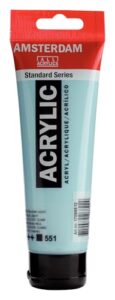
Select paints that offer vibrant colors and good coverage. Student-grade acrylics are affordable and fine for beginners. Artist-grade paints have richer pigments and last longer. Consider buying a basic set with primary colors. You can mix these to create many shades. Look for paints that dry fast but allow some blending time.
Selecting Brushes
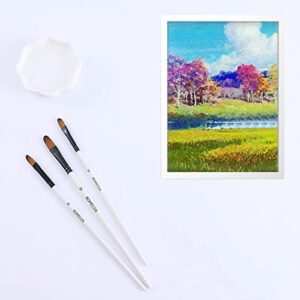
Brushes come in different shapes and sizes. Flat brushes cover large areas quickly. Round brushes are perfect for details and lines. Synthetic brushes work well with acrylics and are easy to clean. Avoid using old or worn-out brushes. A small selection of 3 to 5 brushes is enough to start painting.
Preparing Canvas And Easel
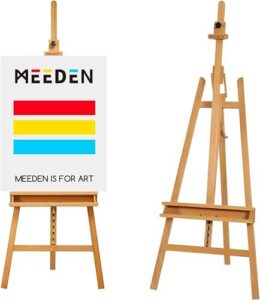
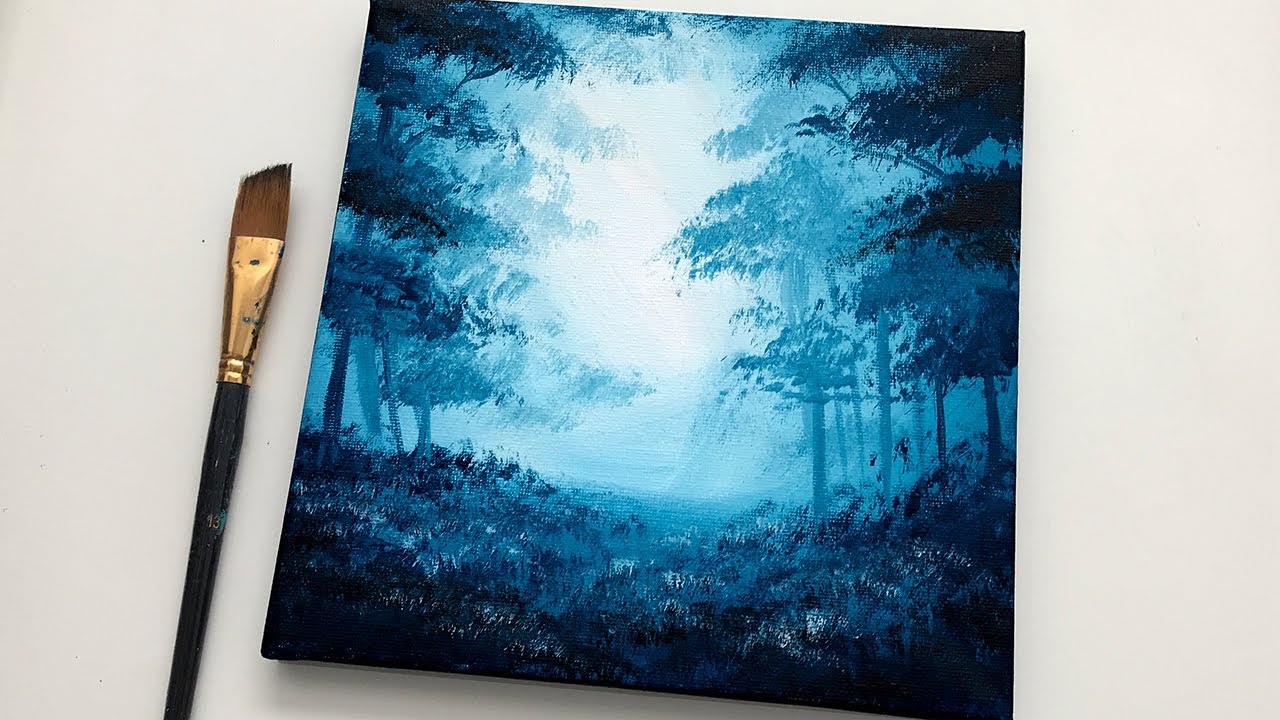
Choose a pre-stretched canvas or canvas board for convenience. Make sure the surface is clean and dry before painting. Set up an easel to hold your canvas at a comfortable height. An adjustable easel helps you paint standing or sitting. If you do not have an easel, a flat surface works too, but keep your canvas steady.
Credit: www.youtube.com
Setting Up Your Workspace
Setting up your workspace is the first step in creating acrylic art on canvas. A well-prepared area helps you focus and paint comfortably. It also keeps your supplies organized and your space clean. Take time to arrange everything before you start painting. This reduces interruptions and allows your creativity to flow smoothly.
Organizing Supplies
Gather all your acrylic paints, brushes, palettes, and water cups. Place them within easy reach to avoid constant searching. Use containers or trays to keep brushes and tools tidy. Prepare paper towels or rags nearby for quick cleanups. Organizing supplies saves time and prevents messes during painting sessions.
Lighting And Ventilation
Choose a spot with plenty of natural light to see true paint colors. If natural light is limited, use bright, white lamps to illuminate your workspace. Good lighting reduces eye strain and improves color accuracy. Open windows or use a fan for fresh air. Proper ventilation helps remove paint fumes and keeps the room comfortable.
Protecting Surfaces
Cover your table or floor with newspaper, plastic sheets, or an old cloth. This protects surfaces from paint spills and stains. Use an easel or sturdy board to support your canvas. Keep cleaning supplies nearby to wipe up any accidents quickly. Protecting your workspace makes cleanup easier and keeps your area neat.
Preparing The Canvas
Acrylic paint offers great flexibility and vibrant colors for canvas artists. It dries fast, which helps create layers quickly. Working with acrylics requires understanding how to control paint consistency and layering techniques. Using the right tools and additives can improve your painting experience. Below are key tips to work effectively with acrylic paints on canvas.
Maintaining Paint Consistency
Good paint consistency affects how smoothly you apply acrylics. Thick paint holds texture and brush marks well. Thin paint flows easily but may lose color strength. Mix acrylics with small amounts of water or acrylic medium to adjust thickness. Avoid adding too much water, as it weakens pigment and adhesion. Test your paint on scrap canvas before starting your artwork.
Wet-on-wet Vs Wet-on-dry
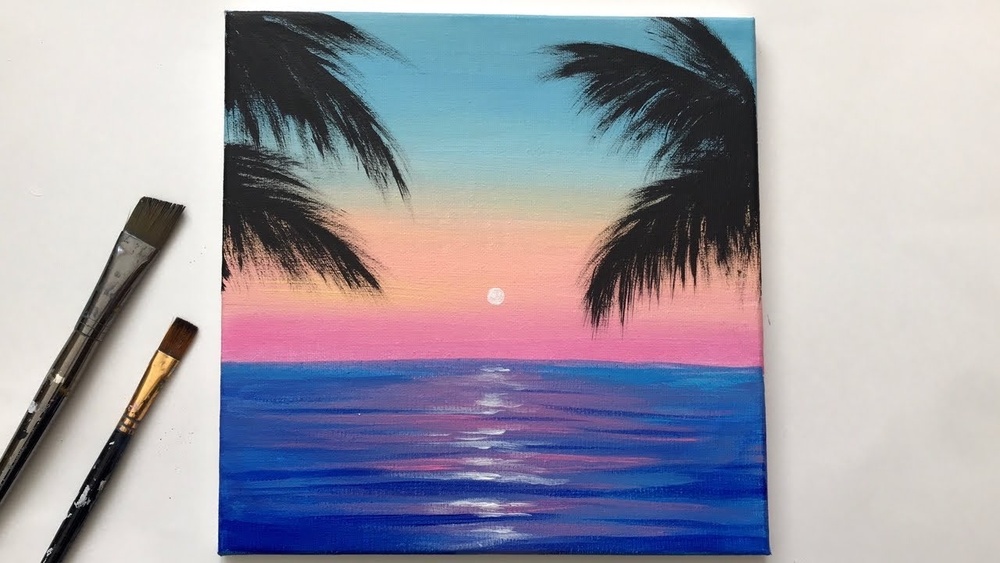
Wet-on-wet means layering paint while the previous layer is still wet. This method allows smooth blending and soft edges. It works well for skies or backgrounds. Wet-on-dry means painting over dry layers. This technique creates sharp lines and clear shapes. Use wet-on-dry for details and highlights. Choose your method based on the effect you want to achieve.
Using Mediums And Additives
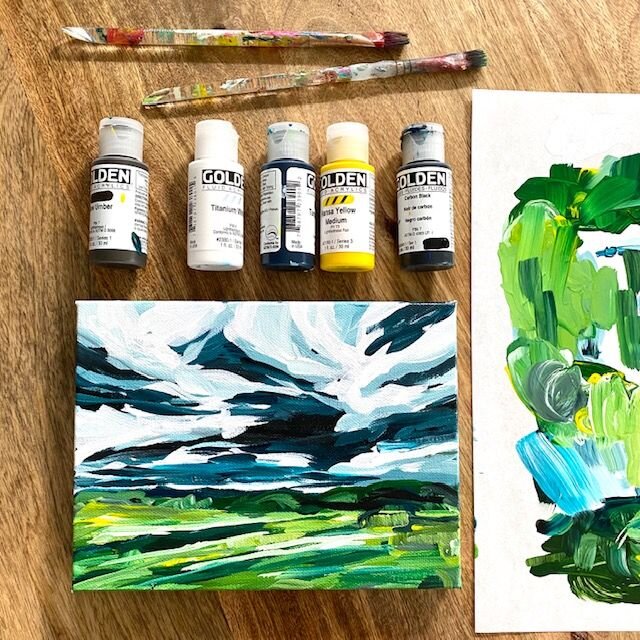
Mediums change acrylic paint’s texture, drying time, and finish. Glossy mediums add shine and depth. Matte mediums reduce shine for a flat look. Slow-drying mediums help blend colors longer. You can also add texture with gels or pastes. Use mediums sparingly to keep paint strong. Always stir well before applying to your canvas.
Credit: ellebyers.com
Basic Painting Techniques
Building layers and depth is key to making acrylic paintings stand out. Layers bring life and richness to your canvas. They create a sense of space and realism. Each layer adds detail and complexity to your work. This process helps your painting feel more alive and dynamic.
Layering Paint
Start with thin layers of acrylic paint. Let each layer dry before adding the next. Thin layers prevent colors from mixing too much. Use a brush or palette knife for smooth application. Layering creates a strong base and smooth transitions. It also adds texture to your painting surface.
Adding Highlights And Shadows
Highlights make areas look bright and closer to the viewer. Use lighter colors and small brush strokes for highlights. Shadows add depth and make objects appear three-dimensional. Use darker tones softly to avoid harsh edges. Place shadows opposite to your light source for realism. This contrast boosts the overall impact of your painting.
Creating Dimension
Dimension gives your painting a sense of form and volume. Use layers to build up shapes slowly. Blend edges gently to avoid flatness. Vary brush strokes to add interest and movement. Use color temperature changes to push areas forward or back. These techniques help your painting feel real and engaging.
Frequently Asked Questions
How To Start Painting With Acrylic On Canvas?
Choose quality acrylic paints, brushes, and a primed canvas. Sketch your design lightly. Apply paint in thin layers, blending while wet. Experiment with colors and brush strokes. Let each layer dry before adding details. Practice regularly to improve your technique and creativity.
What Are The Common Mistakes In Acrylic Pouring?
Common acrylic pouring mistakes include overmixing colors causing muddiness, using too much water, and applying matte finish paints that dull colors.
Do You Paint The Background First Or Last With Acrylic?
Paint the background first with acrylics to establish mood and depth. It helps blend layers smoothly later.
Do I Need To Wet My Canvas Before Acrylic Painting?
Wetting your canvas before acrylic painting is not necessary. Use a dry canvas for better paint adhesion and control.
Conclusion
Painting with acrylics on canvas offers a fun way to express creativity. Start simple and practice often to improve skills. Use the right brushes and keep your paint wet while blending. Experiment with colors and techniques to find your style.
Remember, patience and practice bring better results. Enjoy each step and watch your artwork come to life. Keep painting, and your confidence will grow with every canvas.