Yes—Da Vinci Maestro watercolor brushes are worth it for control and longevity.
You want a brush that holds a razor point, loads a full wash, and springs back like it’s reading your mind. Cheap synthetics fray fast. Mid-tier naturals can feel mushy or stiff. Da Vinci’s Maestro Kolinsky series aims to end that guesswork. If you paint fine lines, botanical detail, or tight calligraphy, you need a brush that won’t split mid-stroke. If you lay big gradients, you need a full belly that releases paint in a smooth, even flow. In this hands-on review, I break down whether is Da Vinci Maestro worth it for your style, budget, and goals.

da Vinci Watercolor Series 35…
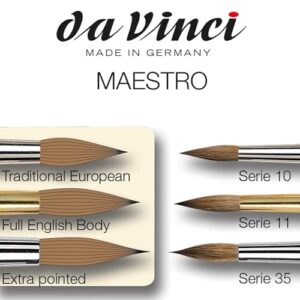
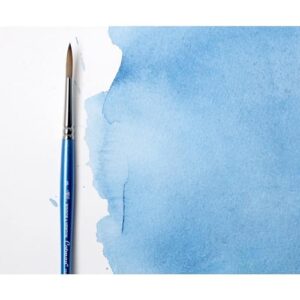
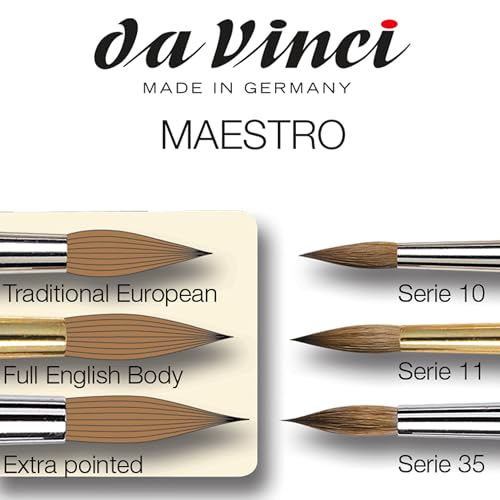
Series 35 has an extra long taper at the tip that is great for fast, loose watercolor painting and is a favorite amongst illustrators, cartoonists and animators The maestro designation…

da Vinci Watercolor Series 35…
Series 35 has an extra long taper at the tip that is great for fast, loose watercolor painting and is a favorite amongst illustrators, cartoonists and animators The maestro designation…

da Vinci Watercolor Series 35…
Series 35 has an extra long taper at the tip that is great for fast, loose watercolor painting and is a favorite amongst illustrators, cartoonists and animators The maestro designation…
Series 35 Maestro Round Kolinsky, Size 4

The Series 35 Size 4 is a workhorse round for daily watercolor use. It has a long taper and a sharp point that stays true through long sessions. The belly holds a generous load, so you can pull a silky wash without reloading too often. The snap feels crisp, yet the brush never feels brittle or bouncy.
What stands out is control. The point lands where you want it, even at speed. It lifts cleanly for dry edges and controlled fades. With good care, hair wear is slow and consistent. For artists who deal with tight value shifts, this size nails that fine balance of flow and precision.
Pros:
- Excellent point retention for fine detail
- Strong belly for smooth wash delivery
- Reliable snap for confident, repeatable strokes
- Great all-rounder size for most subjects
- Consistent hair quality and ferrule fit
- Short handle feels balanced and light
- Holds shape after many rinse cycles
Cons:
- Pricier than mid-range synthetics
- Natural hair needs mindful care and cleaning
- Not ideal for heavy scrubbing techniques
My Recommendation
If you want one brush to do almost everything, pick this Size 4. It writes hairlines, fills small shapes, and carries enough wash for small to mid studies. It feels right for botanical work, urban sketching, and portraits. If you ask me is Da Vinci Maestro worth it for an upgrade from synthetic, this is where the value clicks. You will see smoother edges, finer points, and fewer reloads.
| Best for | Why |
|---|---|
| Everyday watercolor sketching | Versatile size with steady flow and point |
| Detail and line work | Long taper gives precise, clean strokes |
| Small to mid washes | Good belly holds paint for even coverage |
Series 35 Maestro Round Kolinsky, Size 3/0

The Size 3/0 is a precision tool. It draws eyelashes, stamens, whiskers, and tiny calligraphic notes with ease. The point is needle-fine and holds steady, even when you switch speeds. Despite the tiny profile, the hair still pulls a surprising micro-load for short, smooth lines.
Where it shines is control over water. Many micro brushes either flood or starve. This one meters paint well, which helps when you edge around highlights or dot in tiny textures. The snap is quick, so starts and stops stay clean. It is a detail lover’s brush, plain and simple.
Pros:
- Ultra-fine tip for micro lines and dots
- Predictable flow in tiny strokes
- Fast snap for crisp starts and stops
- Great for botanicals and eyelashes
- Balanced short handle reduces hand fatigue
- Consistent sizing across batches
Cons:
- Not made for washes or fills
- Requires a light hand to protect the tip
- Small size may feel delicate to beginners
My Recommendation
If your work lives in the fine zone, get the 3/0. It is perfect for tiny accents that bring a painting to life. You will spend less time fighting frayed tips and more time placing exact marks. For artists asking is Da Vinci Maestro worth it for miniature work, this size answers with control you can feel from the first stroke.
| Best for | Why |
|---|---|
| Miniature and model detail | Needle tip and quick snap |
| Botanical stamens and veins | Steady, low-flow control |
| Calligraphic accents | Clean line starts, no feathering |
Series 35 Maestro Round Kolinsky, Size 5

The Size 5 adds a bit more belly and reach than a Size 4. It lets you stretch a gradient across a larger petal or a small sky. The long taper still draws a tight point, so you can drop sharp edges right after a broad sweep. This is the sweet spot if you need both wash power and line work in one brush.
I found it ideal for portraits and small landscapes. You can move from hairlines to cheek shadows without swapping tools. Flow is smooth and even. The brush helps prevent streaks because it holds enough paint to carry a stroke in one pass.
Pros:
- Stronger wash capacity than smaller sizes
- Keeps a razor point for detail
- Excellent for portrait transitions
- Comfortable, light short handle
- High hair quality and consistent crimp
- Balances control and coverage well
Cons:
- Costs more than many mixed synthetics
- Might feel large for micro-detail tasks
- Not a scrubber; gentle use is best
My Recommendation
If you like one-brush painting on quarter sheets or in sketchbooks, choose this. It feels like a size that can do it all with fewer dips. For those weighing is Da Vinci Maestro worth it over a mid-tier blend, the added wash capacity and point control make the jump feel smart. It is a reliable daily driver for serious studies and finished pieces.
| Best for | Why |
|---|---|
| Small landscapes | Enough belly for skies, sharp tip for trees |
| Portrait features | Smooth value shifts and fine hairlines |
| One-brush sessions | Coverage and control in one tool |
Series 35 Maestro Round Kolinsky, Size 2/0

The Size 2/0 sits between micro and standard rounds. It is nimble enough for tight edges but not as whisper-thin as a 3/0. I like it for eyelashes, leaf veins, and lettering on map art. Flow is modest and even, which is key when you trace along highlights or place small textures in fur.
This size also helps when you want steady lines without the stress of a needle tip. The point is fine, yet the slightly bigger belly keeps strokes from starving out. If you often outline shapes or create controlled hatching, this Size 2/0 finds a nice middle path.
Pros:
- Fine, steady point for outlines
- More forgiving than a 3/0
- Good flow for short lines
- Responsive snap for quick marks
- Lightweight and well balanced
- Solid build and ferrule alignment
Cons:
- Too small for washes or fills
- Can dry out fast on thirsty paper
- Needs gentle cleaning to protect the tip
My Recommendation
Artists who like fine work but want a touch more buffer than a 3/0 will love this. It is steady, calm, and exact. If you keep wondering is Da Vinci Maestro worth it for line control, the Size 2/0 makes a clear case. It helps you land clean edges with less hand tension and fewer reloads.
| Best for | Why |
|---|---|
| Outlines and edging | Fine point with even flow |
| Lettering accents | Quick snap, minimal feathering |
| Fur and feather detail | Short, controlled strokes |
Maestro Kolinsky Set: Series 10, 5/0, 0, 4

This gift-boxed set covers tiny detail to everyday work. The Series 10 sharp rounds in 5/0, 0, and 4 give you surgical points with steady flow. The hair loads well and releases in a clean, linear way. If you like crisp lines and tight edges, these shapes shine.
The value here is range. You can ink fine textures, write labels, and still lay small fills with the Size 4. The set also makes a strong base kit if you are moving from synthetics to natural hair. Build quality feels premium, and the point alignment is on target across sizes.
Pros:
- Three essential sizes for detail and fills
- Sharp rounds deliver surgical tips
- Smooth flow with clean lift-off
- Gift-ready box adds protection and style
- Easy upgrade path from synthetics
- Consistent performance across the set
Cons:
- Higher up-front cost than single brushes
- No large wash brush in the set
- Natural hair needs gentle handling
My Recommendation
If you want a matched trio with pro performance, choose this set. It covers most fine needs and gives you a daily driver in Size 4. If your key question is is Da Vinci Maestro worth it when bought as a set, the answer is yes for detail-heavy styles, sketchbook work, and gift giving. The range saves time, and the points stay true.
| Best for | Why |
|---|---|
| Detail-focused painters | Three sharp points for micro to small work |
| Upgrading from synthetics | Clear jump in flow, snap, and point |
| Gift or starter pro kit | Curated sizes in a protected box |
FAQs Of is Da Vinci Maestro worth it
Are Da Vinci Maestro brushes good for beginners?
Yes. They make control easier because the point stays sharp and the flow is steady. Beginners see cleaner lines and smoother washes. That boosts skill growth fast.
How long do Da Vinci Maestro brushes last?
With gentle use and proper cleaning, they can last years. Avoid scrubbing. Rinse well, reshape, and dry flat. Use brush soap now and then.
What makes Maestro different from synthetics?
Natural Kolinsky hair has great snap and capillary action. It holds more paint and releases it in a smooth, even way. Points also stay finer under load.
Is the higher price justified?
If you value control, yes. You spend less time fighting frayed tips. You get smoother edges and fewer reloads. For many, that payoff is worth it.
Which size should I buy first?
Start with a Size 4 or 5 for all-round use. Add a 2/0 or 3/0 for fine detail. That pair covers most watercolor needs.
Final Verdict: Which Should You Buy?
The best single pick is the Series 35 Size 4. It balances wash load, snap, and a sharp point. If you favor details, the Maestro Series 10 set adds strong value across three sizes.
If you ask me is Da Vinci Maestro worth it, the answer is yes for control and flow. The right size will upgrade your painting from the first stroke.
I have tested many watercolor brushes over the years, and a few themes decide value more than any brand name. You want a brush that holds shape, controls water, and behaves the same from the first stroke to the last. You also want one that feels like an extension of your hand. Da Vinci Maestro checks these boxes because of the way Kolinsky hair works. It stores paint in the belly and feeds it through the taper in a way synthetic or mixed hairs try to mimic but rarely match. The point stays tight, even after long, wet sessions.
Let’s look deeper at whether is Da Vinci Maestro worth it for your use. If you paint often, a natural hair round that lifts, bends, and resets is a joy. It builds muscle memory fast because you can count on the same response day after day. That matters for line control, edge quality, and timing. A brush that floods or starves can ruin an edge in a blink. Good tools remove that risk and let you focus on color, value, and form.
Cost is part of this choice. The Maestro line costs more than mid-range synthetics. But the payoff shows in two ways. First, your time. Fewer redos and fewer fights with splayed tips. Second, your results. Smooth blends. Clean hairlines. Crisp light shapes that read from six feet away. For many painters, that shift is worth far more than the price gap.
Care is simple but vital. Rinse until clear, gently shape the tip, and dry flat or with the tip down. Avoid hot water and harsh cleaners. Use brush soap as needed to lift staining pigments. Do not store wet in a cap. These small steps keep the point true and hair healthy. With that, a Maestro can serve you for years and hold resale value if you ever thin your kit.
One more note on size choice. Size 4 and 5 are the sweet spots for general work. They hold enough paint for small skies and still pull hairlines. The 2/0 and 3/0 are for fine accents. They shine when you need lashes, stamens, or fine hatching. The set option gives you range in one buy, which is handy if you are building a pro kit or looking for a gift.
What about paper and paint combos? On cold press cotton, a Size 5 lays a smooth sky with fewer reloads. On hot press, a 3/0 writes steady ink-like lines. Heavier granulating pigments may need a touch more water to flow through the tip. Staining colors rinse out well with gentle soap. Rough paper can be hard on any natural hair; use a light hand and avoid scrubbing in dry valleys.
Do you need Maestro if you already have high-end synthetics? It depends. Synthetics do great for gouache, masking fluid, and fast sketching. But in watercolor, where subtle flow is king, a top Kolinsky reveals a different ceiling. You will notice smoother gradients and faster edge control. If you sell work or aim for consistent prints, that control shows up in your results and your schedule.
Is there a learning curve? A little. Natural hair holds more paint. That changes your timing. Plan your strokes. Test the load on a scrap. After a few sessions, it will feel natural. You will find you can do more with fewer dips, and that speeds up your process on both studies and finals.
If you are still asking is Da Vinci Maestro worth it, think about your current pain points. Do you fight frayed tips? Do you lose edges in wet-on-wet? Do your lines spread when you speed up? A Maestro reduces those issues. It is not magic, but it raises your tool floor. That lets your skill show, without noise from a weak brush.
In the end, value is personal. If you only paint now and then, a mid-range brush can be fine. But if you paint weekly, study edges, or sell work, it is a smart buy. The point quality, the flow, and the snap save time and lift the joy in each session. And for me, that is the best kind of value—one you feel in your hand, every time you paint.