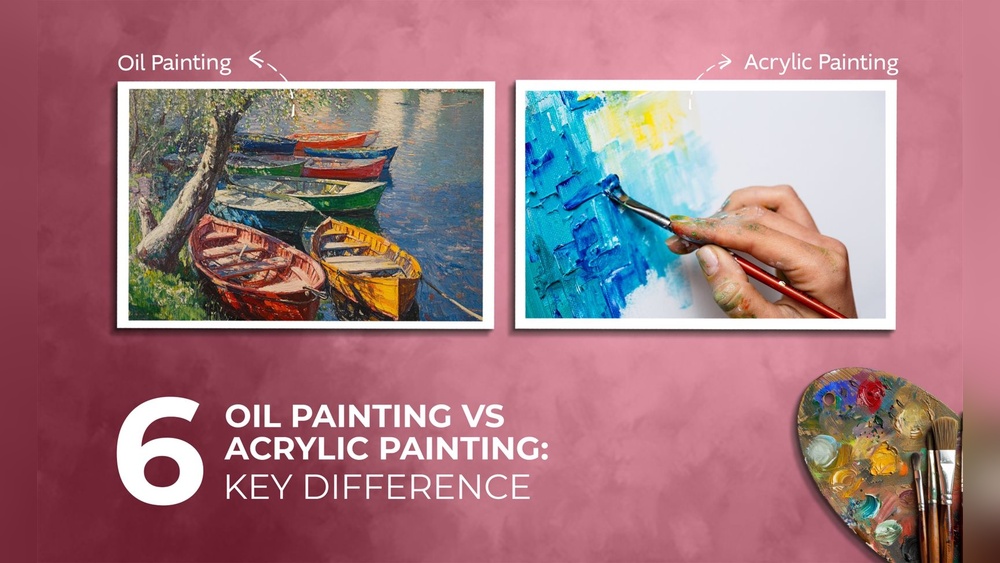
Are you trying to decide between oil painting and acrylic painting for your next masterpiece? Both types of paint offer unique qualities that can dramatically affect your creative process and the final look of your artwork.
Understanding the key differences between oil and acrylic paints can help you choose the medium that best fits your style, technique, and goals. Whether you’re drawn to the rich, slow-drying texture of oils or the fast, versatile nature of acrylics, this guide will clear up the confusion and give you practical insights to make the right choice.
Keep reading to discover how each paint behaves, what tools you’ll need, and how your artistic journey can change depending on which one you pick.

Credit: craftico.in
Paint Composition
Understanding paint composition helps clarify the differences between oil and acrylic paints. Each type uses unique ingredients that impact texture, drying time, and finish. These materials shape how artists work and the final look of their paintings.
Oil Paint Ingredients
Oil paint consists mainly of pigment and drying oils. Linseed oil is the most common binder. It holds pigment particles together and slows drying. Other oils like walnut or poppy seed oil may be used for different effects.
Oil paints contain finely ground pigments. These provide rich, vibrant colors. The oil base allows for smooth blending and a glossy finish. Solvents like turpentine or mineral spirits thin the paint and clean brushes.
Acrylic Paint Ingredients
Acrylic paint uses pigment suspended in an acrylic polymer emulsion. This water-based binder dries fast by evaporation. It creates a flexible and durable paint film. Pigments in acrylics are similar to oils but mixed differently.
Acrylic paints can be thinned with water or acrylic mediums. They dry quickly to a matte or satin finish. Additives improve flow, drying time, and texture. This composition allows for layering and easy cleanup with water.
Drying Time
Drying time is a major factor that affects how artists work with oil and acrylic paints. It influences the techniques they use and how long they can spend on a painting. Understanding drying time helps artists choose the right paint for their style and pace.
Oil Paint Drying Process
Oil paint dries very slowly. It can take days or even weeks to fully dry. This slow drying allows artists to blend colors smoothly on the canvas. They can work wet-on-wet, mixing colors directly while the paint is still soft. The slow drying also lets artists fix mistakes or add details over time. However, this means artists must wait longer before adding new layers or finishing a painting.
Acrylic Paint Fast Drying
Acrylic paint dries quickly, often within minutes to an hour. This fast drying suits artists who like to work fast or in layers. They can paint over dried areas without waiting long. The quick drying, however, limits the time for blending colors on the canvas. Artists must work fast to mix colors before the paint sets. Acrylics dry to a matte or slightly shiny finish, which can differ from the look of oils.
Texture And Finish
Texture and finish play a big role in choosing between oil and acrylic paints. Both mediums offer unique tactile experiences and final looks. Understanding these differences helps artists pick the best option for their style and project.
Oil Paint Texture
Oil paint feels thick and smooth. It spreads easily and blends well on the canvas. The slow drying time lets artists work with the paint longer. This allows for soft transitions and rich texture. Oil paint can build up in layers, creating depth and dimension.
Acrylic Paint Texture
Acrylic paint has a lighter, more plastic feel. It dries fast, making thick textures harder to achieve. Artists can use additives to thicken acrylics, but it still feels less buttery than oil. Acrylics can create sharp edges and bold strokes with less blending.
Matte Vs Luminous Finish
Oil paints offer a natural shine and glow. Their finish looks rich and deep, adding life to colors. Acrylics usually dry matte or semi-matte. They can appear flatter unless varnished. Some artists prefer the bright, glossy look of oils. Others like the modern, clean finish of acrylics.
Blending And Techniques
Blending and techniques are key to understanding oil and acrylic painting differences. Each medium offers unique ways to mix colors and apply paint. These differences affect the final look and feel of your artwork. Artists choose their medium based on how they want to blend colors and build layers. Below, we explore these aspects in detail.
Wet-on-wet With Oils
Oil paints stay wet for hours or even days. This allows artists to blend colors directly on the canvas. The wet-on-wet technique creates smooth transitions and soft edges. It helps to achieve subtle gradations and rich textures. Because oils dry slowly, painters can adjust and refine their work over time.
Layering With Acrylics
Acrylic paints dry very fast, often within minutes. This speed forces artists to work in layers. Each layer must dry before adding the next one. This technique builds depth and detail step by step. Layers in acrylic painting are usually thin and opaque. It gives a more graphic and bold effect compared to oils.
Color Mixing Differences
Oil paints have a creamy consistency that blends smoothly. Mixing colors in oils is easy and forgiving. Acrylics dry quickly and darken slightly when dry. This can make color mixing tricky for beginners. Acrylic colors may look different on the palette than on the canvas. Adjusting colors in acrylic needs planning and practice.
Surface Compatibility
Surface compatibility plays a key role in choosing between oil and acrylic paints. Different paints react uniquely with various surfaces. Knowing which surface suits each paint type helps create lasting artworks. The right surface ensures proper adhesion, texture, and drying behavior. This section explains surfaces compatible with oil and acrylic paints.
Surfaces For Oil Painting
Oil paints work best on primed surfaces that prevent oil absorption. Traditional choices include canvas, wood panels, and linen. Canvas must be coated with gesso or oil primer to avoid paint sinking in. Wood panels require a smooth, sealed finish to protect against moisture. Linen offers a fine texture preferred by many artists for oil paints. Paper can be used but needs special priming to handle oils. Proper preparation extends the life of oil paintings.
Surfaces For Acrylic Painting
Acrylic paints are versatile and stick well to many surfaces. Canvas, paper, wood, and even fabric suit acrylics without strict priming needs. Acrylics dry quickly, so surface texture influences the final look. Primed or unprimed canvas both work, but priming improves paint hold. Paper designed for acrylic or mixed media absorbs paint without warping. Wood and masonite provide smooth, solid bases. Acrylics also adhere to glass, plastic, and metal with proper surface cleaning.
Cleanup And Maintenance
Cleanup and maintenance play a key role in the painting process. Proper care keeps your tools in good shape and ensures better results. Each paint type needs different cleaning methods. Understanding these differences helps save time and avoid damage.
Cleaning Oil Brushes
Oil paint sticks to brushes and dries slowly. Use a solvent like turpentine or mineral spirits to remove paint. Dip the brush in the solvent and gently swirl. Repeat until the paint loosens. Then wash brushes with warm water and soap. Rinse well and reshape the bristles. Let brushes dry flat to avoid damage.
Cleaning Acrylic Brushes
Acrylic paint dries fast and can harden on brushes. Clean brushes immediately after use with warm water. Use soap to remove all paint residue. For stubborn paint, soak brushes briefly in water before washing. Avoid letting acrylic paint dry on brushes. Proper cleaning keeps bristles soft and flexible.
Handling Paint Stains
Oil paint stains are tough and need solvents for removal. Use turpentine or paint thinner on fabric stains carefully. For acrylic stains, use water and soap quickly before paint dries. Some stains may need specialized cleaners. Always test cleaners on small areas first. Protect your clothing and workspace to reduce stains.
Health And Safety
Health and safety are important when choosing between oil and acrylic paints. Each type of paint has unique features that affect your health while painting. Understanding these differences helps you create art safely.
Toxicity Of Oil Paints
Oil paints often contain toxic substances. Some pigments have heavy metals like lead or cadmium. These can harm your skin or lungs if inhaled or touched. Solvents used to thin oil paints, such as turpentine, are also harmful. They release strong fumes that can cause headaches and dizziness. Always avoid eating or drinking near oil paints to prevent ingestion.
Non-toxic Acrylics
Acrylic paints are usually safer to use. Most acrylics are water-based and have fewer toxic chemicals. They do not need harsh solvents for thinning or cleaning. This makes acrylics a good choice for home studios or classrooms. Still, some pigments may cause mild allergies. It is best to read the label before use. Wearing gloves can protect sensitive skin.
Ventilation Needs
Good ventilation is crucial for any painting activity. Oil paints and solvents release harmful vapors that build up indoors. Open windows or use fans to keep air fresh. Acrylic paints dry quickly and emit less odor. Still, proper airflow helps reduce dust and fumes from spray varnishes or fixatives. Painting in a well-ventilated space keeps your environment safe and comfortable.
Cost And Accessibility
Cost and accessibility play important roles in choosing between oil and acrylic painting. Both mediums have different price points and availability factors. These differences affect hobbyists and professionals alike. Understanding these aspects helps artists make informed decisions. Below, we explore the price comparison and availability of these paints in Austin, Texas.
Price Comparison
Acrylic paints generally cost less than oil paints. A beginner set of acrylics can be affordable and enough for many projects. Oil paints are pricier, often due to the quality of pigments and oils used. Brushes and mediums for oil painting also add to the overall cost. Acrylic supplies tend to be more budget-friendly for casual artists. Oils might require more investment but offer richer textures and blending options. Paint tubes for oils often last longer, balancing the cost over time.
Availability In Austin, Texas
Acrylic paints are widely available in Austin art stores and craft shops. Local stores like Austin Art Supply and Michaels stock a variety of brands and colors. Oil paints are also easy to find but may have fewer options in smaller stores. Specialty art shops in Austin often carry premium oil paints and related materials. Online shopping offers both acrylic and oil supplies with quick delivery to Austin. Workshops and classes in the city frequently focus on both mediums, reflecting their accessibility to local artists.
Artist Preferences
Artists choose oil or acrylic paints based on their style, technique, and goals. Each paint type offers unique features that appeal to different preferences. Understanding these choices helps to see why some artists stick to oils while others prefer acrylics.
Why Choose Oil Paints
Oil paints dry slowly, allowing more time to blend colors smoothly. This feature suits artists who like working wet-on-wet. Oils create rich, deep colors with a glossy finish. Many artists appreciate the traditional feel of oil painting. The texture of oil paint lets artists create thick, textured brushstrokes easily. This medium suits detailed work and gradual color changes.
Why Choose Acrylic Paints
Acrylic paints dry fast, perfect for quick layering and corrections. They are water-based, making cleanup easier with just soap and water. Acrylics work well for artists who want to finish paintings quickly. Their colors stay vibrant and do not yellow over time. Acrylics are versatile, allowing use on many surfaces like canvas, wood, and paper. This paint is also less toxic than oils, making it safer for indoor use.
Common Misconceptions
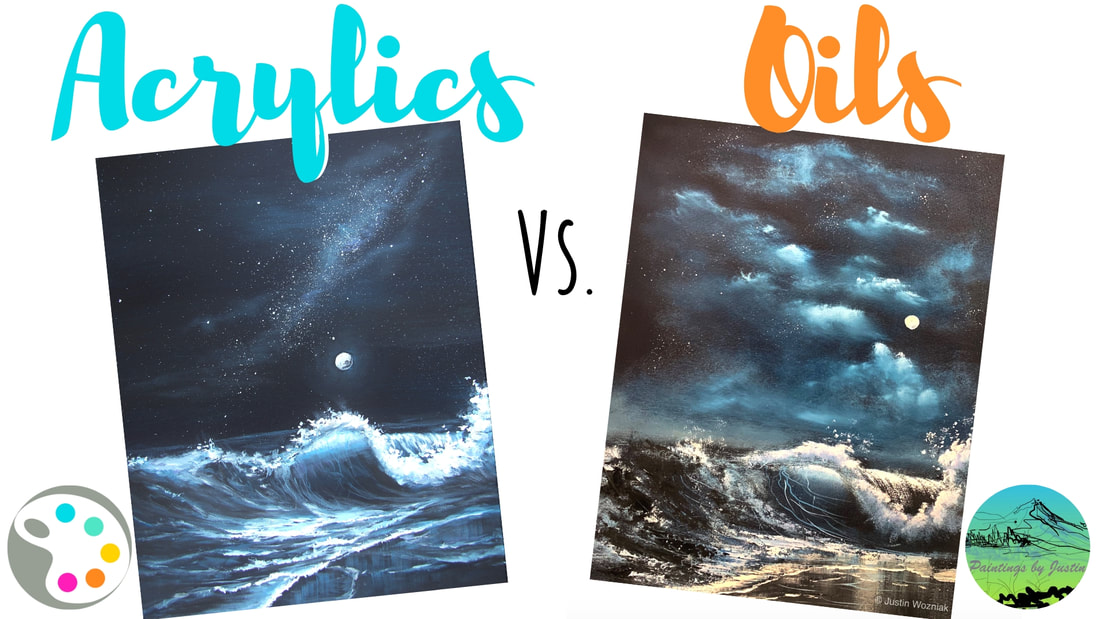
Some believe acrylics are only for beginners or students. This idea is false; many professionals use acrylics for fine art. Others think oil painting is always better because of tradition. Both paints have strengths and weaknesses. Another myth is acrylics lack depth and texture. Modern acrylics can mimic oil paint effects well. Some artists avoid acrylics due to fast drying, but many techniques work around this. Each paint can produce beautiful, lasting art if used skillfully.
Credit: createfulart.com
Longevity And Durability
Longevity and durability are key factors in choosing between oil and acrylic paints. Artists value how long a painting lasts and how well it withstands time and environmental effects. Both paint types have distinct traits affecting their lifespan and resilience. Understanding these helps artists pick the right medium for their work.
Oil Paint Aging
Oil paint has a long history of lasting centuries. It dries slowly, allowing pigments to settle and bind tightly. This slow drying forms a strong, flexible film that resists cracking. Over time, oil paintings may darken slightly but maintain rich colors. Proper care, like avoiding direct sunlight and humidity, preserves oil paintings well. However, oil paint can yellow or develop surface cracks if not stored right.
Acrylic Paint Stability
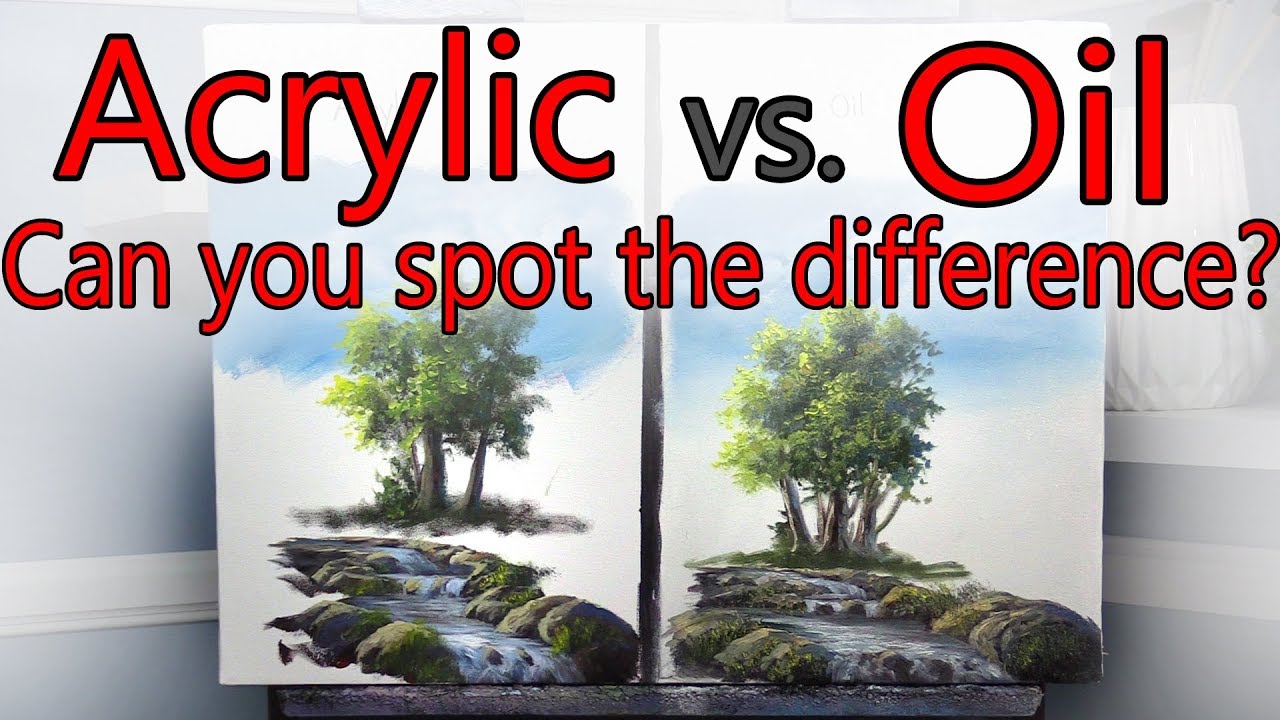
Acrylic paint dries quickly to a tough, plastic-like finish. This finish resists cracking and fading under normal conditions. Acrylics are less sensitive to temperature and humidity changes than oils. Their colors remain bright and stable for decades. Acrylic paint is water-resistant once dry, making it durable against moisture damage. Yet, very old acrylic paintings might become brittle or show surface chalking after many years.
Credit: www.youtube.com
Frequently Asked Questions
What’s Better To Paint With Acrylic Or Oil?
Acrylic paints dry fast, ideal for quick layering and easy cleanup. Oil paints dry slowly, allowing smooth blending and richer colors. Choose acrylics for speed and versatility; pick oils for depth and blending flexibility. Both have unique benefits for different painting styles and preferences.
Why Do Artists Choose Not To Use Acrylic Paint?
Artists avoid acrylic paint due to its fast drying time, which limits blending and wet-on-wet techniques. Some dislike its matte finish and perceive it as less vibrant than oils. Additionally, acrylics can be hard on brushes and difficult to remove once dry, leading some to prefer oils.
What Is The Golden Rule Of Oil Painting?
The golden rule of oil painting is “fat over lean. ” Apply flexible, oil-rich layers over lean, fast-drying ones to prevent cracking. This technique ensures durability and smooth blending, enhancing paint adhesion and longevity. Follow this rule for stable, vibrant oil paintings that age well.
Do Famous Painters Use Oil Or Acrylic?
Famous painters use both oil and acrylic paints. Oils offer rich colors and slow drying for blending. Acrylics dry fast and suit quick layering. Choice depends on style, technique, and preference.
Conclusion
Oil and acrylic paints each offer unique benefits and challenges. Oil paint dries slowly, allowing smooth blending and rich colors. Acrylics dry fast, which suits quick work and layering. Choosing depends on your style and patience. Experiment with both to find what fits best.
Both can create beautiful, lasting art. Keep practicing and enjoy the process.