Oil paints deliver deep color, long blending time, and classic results.
You want rich color, smooth blends, and a finish that looks timeless. Oil paints solve that problem with slow drying and high pigment levels. They layer well, glaze well, and hold texture like no other medium. But not all sets are equal. Some shine in value for beginners. Others bring pro-level saturation and lightfastness for gallery work. I’ve tested each set below the way real painters do—on primed canvas, with linseed and walnut oil, and in both thin glazes and thick impasto. Here’s how these oil paints perform, where each set wins, and how to pick the right one for your style and budget.
Winsor & Newton Winton Oil…
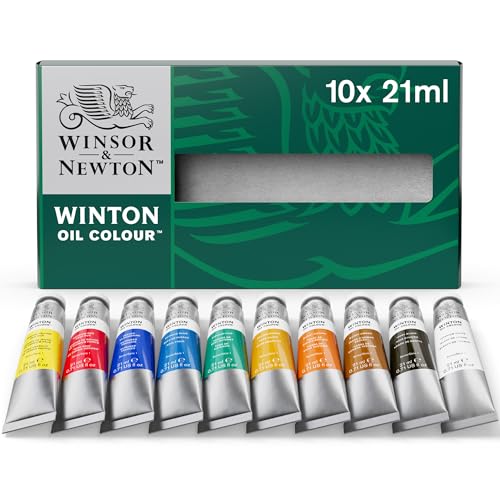
Sold as a Set of 10 colors Individually formulated colors High quality oil colors at a moderate price Lightfast, permanent and intermixable with other brands Convenient 21ml. tubes

Winsor & Newton Winton Oil…
This set contains 20 essential starter colors for beginners, made from quality fine art pigments. It offers excellent retention of brush and palette knife strokes due to its stiff consistency…

Magicfly Oil Paint, 40pcs (18ml/0.6oz),…
【40 Rich & Vibrant Oil Based Colors】Magicfly Professional Oil Paint Set contains 40 unique colors (primary colors, metallic gold & silver). Plus we provides 2 more white color tubes than…
Winsor & Newton Winton Basic Oil Set (10 x 21ml)

The W&N Winton line is a proven student-grade range that still feels refined. The 10-color basic set covers essential primaries, earths, and a white that handles well. These oil paints move easily under the brush and knife, with a creamy body that suits beginners. They dry at a moderate pace, which gives you time to blend without waiting days for layers to set.
On canvas, the hues lean clean and modern, with reliable tint strength. You can build decent impasto, though peaks will soften a bit as they cure. The set is ideal for learning color mixing and simple glazing. While these are not full artist-grade pigments, the value-to-performance ratio is strong for practice, studies, and first commissions.
Pros:
- Great value entry into oil paints with trusted brand quality
- Creamy handling for smooth blends and controlled strokes
- Balanced selection of basics that mix into many tones
- Predictable drying time, helpful for beginners
- Consistent consistency across the colors in the set
Cons:
- Lower pigment load than top artist-grade lines
- Impasto body softens slightly as paint cures
- Limited range if you need special pigments or historical hues
My Recommendation
Pick the Winton 10-tube set if you’re starting your oil paints journey or returning after a break. It shines for studies, portraits in a limited palette, and alla prima practice. The colors are forgiving and easy to mix. If you plan to glaze often, add a safflower-based white and a transparent earth later. For first landscapes and still lifes, this set gets you painting fast without waste.
| Best for | Why |
|---|---|
| Beginners learning oil paints | Easy handling, balanced basics, fair price |
| Alla prima studies | Creamy texture blends well on the canvas |
| Budget-friendly practice | Reliable quality without pro-level cost |
W&N Winton Oil Set (20 x 12ml Tubes)

If you like the Winton handling but want more choice, this 20-color set nails it. The 12ml tubes give you breadth instead of depth, which is perfect for learning what you love. You get more greens, warmer reds, useful violets, and extra earths. The flow is similar to the 10-tube set, but this range adds versatility for landscapes and portraits.
On the palette, these oil paints mix cleanly into secondary and tertiary hues. Some pigments are “hue” versions, which keep cost down and improve drying evenness. I found the whites workable with both knife and hog bristle. For glazing, thin layers keep their chroma better than you’d expect at this level.
Pros:
- Broader color range for targeted palettes
- Good consistency across 20 colors
- Excellent starter set for landscapes and portrait practice
- Strong brand support and predictable results
- Small tubes help you test colors without waste
Cons:
- 12ml tubes run out fast on large works
- Not the highest pigment load for deep glazing
- Some “hue” colors differ from single-pigment artist paints
My Recommendation
Choose the Winton 20-tube set if you want a wider palette to explore mixing without buying individual tubes. It’s great for students, hobbyists, and anyone who enjoys trying new color paths. These oil paints teach you how to simplify or enrich a palette. Once you find your workhorses, you can upgrade those specific colors in larger artist-grade tubes.
| Best for | Why |
|---|---|
| Exploring color | 20 colors spark discovery and learning |
| Small to medium canvases | 12ml tubes suit studies and sketches |
| Value-minded painters | More hues without high cost |
Magicfly 40-Color Oil Paint Set (18ml)

Magicfly packs in 40 colors, each at 18ml, in a giftable box. The draw here is breadth and easy access to unusual shades. You can test ideas fast without heavy mixing. The set is aimed at hobby painters, students, and kids under adult guidance. The label notes non-toxic, and the paints clean up well with common studio steps.
In use, these oil paints have a soft, creamy feel. Coverage is fair, and the colors look vibrant out of the tube. Dry time is moderate to slow, which helps when blending skies or skin. Some colors are better in tints than in mass tone, so I suggest using plenty of white to build body and pastel notes.
Pros:
- Huge 40-color range inspires play and learning
- Vibrant appearance and smooth mixing
- Good for class settings and group projects
- Gift-ready box with a broad appeal
- Works for canvas, panels, and practice boards
Cons:
- Not a pro-grade pigment load for deep glazing
- Color names may not match traditional artist standards
- Some colors benefit from added white for opacity
My Recommendation
Go with Magicfly if you want lots of choice and a friendly feel. It’s ideal for families, school studios, and new artists who want to try oil paints without fear. Use it to learn layering, scumbling, and color harmony. If you move into gallery work, you can upgrade select colors later while still using this set for studies.
| Best for | Why |
|---|---|
| Hobby painters and students | 40 colors spark creativity and speed learning |
| Gifts and classes | Nice presentation and easy-to-use paints |
| Color exploration | Wide range without heavy mixing |
Castle Art 24 x 12ml Oil Paint Set

Castle Art’s 24-color oil set comes in a neat box with a short tutorial. It’s designed to help new painters get results fast with clear steps. The color range is practical, with key primaries, useful earths, and a good white. These oil paints spread smoothly and have a medium body that suits brushes more than heavy knives.
I found the flow even and the colors easy to control in thin layers. For thick passages, add a touch of impasto medium for better hold. Dry time is mid-range, which supports glazing on day two or three. If you like structured guidance with your supply, the included tips are a nice touch for first projects.
Pros:
- Beginner-friendly set with simple tutorial
- Balanced color range in 24 thoughtful shades
- Smooth handling and easy mixing
- Clear, giftable presentation box
- Good for brush-led work and layering
Cons:
- 12ml tubes will go fast on larger canvases
- Needs medium for firm impasto texture
- Not aimed at pro-level glazing depth
My Recommendation
Pick Castle Art if you want structured learning with gentle guidance. It’s ideal for anyone who likes checklists and step-by-step projects with oil paints. You will get quick wins, then grow into more complex techniques. This set can carry you through many small paintings and skill drills without a steep learning curve.
| Best for | Why |
|---|---|
| Guided beginners | Helpful tutorial and user-friendly flow |
| Small works | 12ml tubes suit studies and practice |
| Layered painting | Medium body supports glazes and scumbles |
Paul Rubens 20 Colors x 50ml Pro Oil Set

Paul Rubens steps up to a pro feel with large 50ml tubes and rich saturation. The body is creamy yet robust, so it holds brush marks and knife ridges. Whites have good covering power, and the transparent colors glaze with real depth. These oil paints are well-suited for portraits, realism, and expressive impasto.
Out of the tube, most hues are strong in mass tone and tint beautifully. The set balances warm and cool options across primary ranges and earths. Drying is moderate, though some colors with linseed may set a bit faster than safflower-based whites. Color permanence is solid, and film strength feels reliable once cured.
Pros:
- High saturation and creamy, full-bodied texture
- Large 50ml tubes offer great long-term value
- Strong opacity in whites and rich transparency in glazers
- Suitable for impasto and detailed work
- Good lightfastness across core colors
Cons:
- Higher upfront cost than student sets
- Thicker body may need a bit more medium for delicate glazes
- Dry times vary more across pigments
My Recommendation
Choose Paul Rubens if you’re ready for a pro-level step with oil paints. It fits serious students and working artists who want impact on canvas. The large tubes let you paint bigger or more often without fear of running out mid-session. If you crave strong color, crisp edges, and convincing impasto, this set is a smart buy.
| Best for | Why |
|---|---|
| Serious learners | Artist-like handling and saturation |
| Impasto techniques | Creamy body holds peaks and textures |
| Large work | 50ml tubes offer plenty of paint |
How I Test Oil Paints for Real-World Use
Real testing is more than swatches. I work each set on a primed cotton canvas and a rigid panel. I test thin glazes, mid-body layers, and heavy knife impasto. I also mix complements and push tints with titanium white. That reveals the paint’s character under common studio moves.
I note drying times over three to seven days at room temp. I watch for sinking-in, which can dull color as oil absorbs. I test with linseed oil, walnut oil, and a solvent-free medium. I also check how a color holds under varnish. Oil paints show their truth in these small, careful trials.
Key Buying Factors: Oil Paints That Match Your Goals
Start with your goal. If you learn and practice, a student-grade set saves money. If you sell work or plan to, go for richer pigment and better lightfastness. A mixed approach works well. Use an affordable set for studies, then upgrade your most-used colors.
Check lightfastness. Look for ASTM ratings I or II for long-term work. Ask about the binder oil too. Linseed gives durable films and can dry faster. Safflower or poppy help whites resist yellowing. Dry times vary with pigment. Cobalt and iron oxides may set faster than phthalos and quinacridones.
Think about body. If you paint thick, choose oil paints with a paste-like feel or use impasto medium. For glazing, pick smooth, higher-chroma transparent colors. Keep safety in mind. Use good airflow, gloves if needed, and a proper rag can. Consider solvent-free mediums if you want a low-odor setup.
Technique Tips to Get the Most from Your Set
Pre-tone your canvas. A light neutral ground makes values easy to judge. Start with a limited palette to learn harmony. Use lean layers first. Add more oil in later layers to avoid cracking. The “fat over lean” rule still matters in 2026. It’s simple and it works.
For blends, use a soft brush and light touch. Work wet-into-wet in small sections. For texture, load your knife and pull in one pass. Don’t overwork the same area for minutes at a time. When in doubt, step back, breathe, and return with fresh eyes. Oil paints reward patience and small, smart moves.
Color Selection: Build Palettes That Do More With Less
For a starter palette, I like titanium white, lemon yellow, cad yellow hue, cad red hue, alizarin crimson permanent, ultramarine blue, phthalo blue, yellow ochre, burnt sienna, and burnt umber. This gives warm and cool primaries and earths. You can mix skin, skies, trees, and most objects.
For a portrait add-on, try transparent oxide red, raw umber, and Naples yellow hue. For landscapes, add sap green, viridian hue, and cobalt blue hue. You can expand later with a transparent orange or a deep violet. Build a palette that fits your subjects. Keep it tight at first. Mastery grows from limits.
Handling, Drying, and Finish: What to Expect
Handling tells you how a paint moves. Creamy paints blend with less fight. Stiffer paints hold peaks and give you crisp edges. Dry time shapes your session. A slow set is great for big blends. A moderate set helps you layer the next day. Finish can be matte to glossy. Varnish later for an even sheen.
You can speed dry with a small amount of alkyd medium. Use it sparingly, as a little goes far. If you want more open time, add walnut oil in tiny amounts. Test on a small panel to learn the sweet spot. Oil paints can do a lot. Learn your brand’s feel and work it to your style.
Durability and Lightfastness: Protect Your Work
Pigment stability matters. Many modern colors score ASTM I (excellent). Traditional hues like genuine alizarin can be less lightfast, so brands sell permanent versions. Earth colors like ochres and umbers are usually rock solid. Whites vary in yellowing risk. Titanium white in safflower often stays cleaner over time.
Always let paintings cure before final varnish. Six months is a safe rule for most thin to moderate layers. Thick impasto may need longer. Use a removable varnish so you can clean and re-varnish in the future. Oil paints last for centuries when you respect the craft basics. Good prep, good layers, and patience make a big difference.
Cost Breakdown: Where to Spend and Where to Save
Spend on the colors you use the most. White, primaries, and key earths deserve better tubes. You can save on niche colors or pastels you only touch now and then. Large tubes cut cost per ml if you paint often. Small tubes help you test without waste. Both have a place in a smart studio.
If you are new, buy a solid set and maybe add one or two artist-grade colors. That gives you a taste of top-end performance without a big bill. You will feel where the upgrade matters most. Oil paints reward this balanced approach. Your results and your budget both benefit.
Safety, Cleanup, and Storage
Keep a lid on safety. Vent your space. Use odorless mineral spirits or go solvent-free with modern mediums. Store oily rags in a metal can with a self-closing lid or lay them flat to dry. Some colors can irritate skin. Wear gloves if needed and don’t eat in the studio.
Clean brushes with solvent or a brush soap. Wipe excess paint first to save time. Cap tubes snugly and store them cool and dry. If a tube skins over, remove the skin and the paint under it is fine. Oil paints are robust. Treat them right and they will treat you well.
Real-World Use Cases: Match Paint to Project
Sketching on small panels calls for quick mixes and clean tints. Winton and Castle Art shine here. You can learn shape and value without fuss. For big impasto, Paul Rubens handles like a champ. It gives you peaks and strong color that reads across a room.
For classroom work and color play, Magicfly’s 40 colors keep things fresh. You will discover combos you might not try otherwise. For mixed projects, use an affordable set for studies and keep a few artist-grade staples on hand. Oil paints offer a path for every budget and every goal.
FAQs Of oil paints
How long do oil paints take to dry?
Thin layers can be touch-dry in two to five days. Thick impasto can take weeks. Dry time varies by color, medium, and room conditions.
Do I need solvents to use oil paints?
No. You can paint solvent-free using oils and modern alkyd or gel mediums. Good airflow still helps.
What is “fat over lean” with oil paints?
Start with lean layers (less oil), then add more oil in later layers. It reduces cracking and helps the film cure well.
Which white should I choose for oil paints?
Titanium white covers well and tints fast. Safflower-based white can yellow less. Use zinc sparingly in mixes due to brittleness.
How do I keep colors from getting muddy?
Wipe your brush often. Mix with two or three colors at most. Let layers set before heavy rework.
Final Verdict: Which Should You Buy?
For simple value and smooth learning, the Winton sets are easy wins. For more colors in class or at home, Magicfly brings fun and range. For a guided start, Castle Art helps you build skills fast. If you want pro feel and big tubes, Paul Rubens stands out.
Match oil paints to your goal and pace. Start lean and upgrade where it counts. Your art, your mix, your rules.