Oil painting is a beautiful art form. It has been used for centuries. But how long does it take an oil painting to dry? This question is common among artists.

Credit: www.quora.com
Credit: www.exibitart.com
Understanding the Drying Process
Oil paints dry differently. They don’t just dry by evaporation. Oil paints dry through a process called oxidation. This means the oil in the paint reacts with air.
Factors That Affect Drying Time
Several factors affect how long oil paintings take to dry. Let’s look at some of these factors:
- Type of Oil Paint
- Thickness of Paint
- Environmental Conditions
- Type of Surface
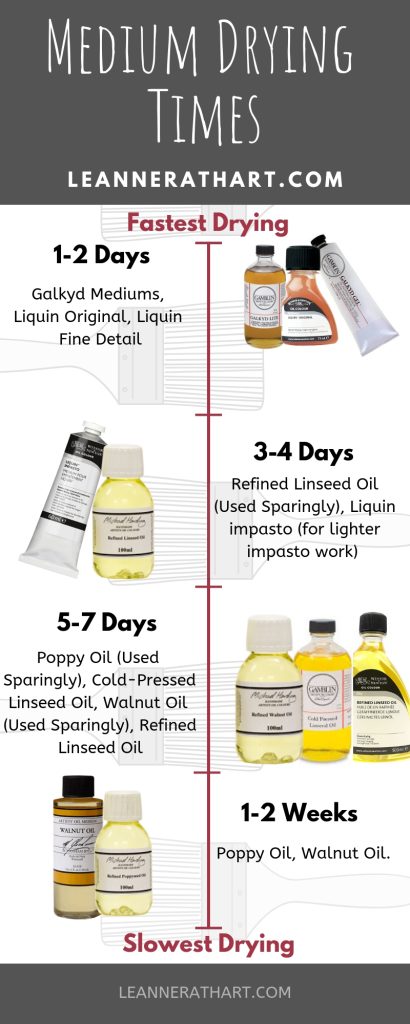
- Mediums Used
Type of Oil Paint
Different brands have different drying times. Some paints dry faster than others. For example, Alkyd oil paints dry faster. Traditional oil paints take longer.
Thickness of Paint
Thicker layers of paint take longer to dry. Thin layers dry faster. Artists use different techniques. Some use thick layers. Others use thin layers.
Environmental Conditions
Humidity and temperature affect drying time. Paint dries faster in a warm, dry place. It takes longer in a cold, damp place. Good ventilation helps too.
Type of Surface
Different surfaces affect drying. Canvas and wood absorb paint. This can speed up drying. Metal and glass do not absorb paint. This can slow down drying.
Mediums Used
Mediums are mixed with paint to change its properties. Some mediums make paint dry faster. Others make it dry slower. Linseed oil slows down drying. Liquin speeds it up.
Typical Drying Times
So, how long does it take for an oil painting to dry? Here is a table showing typical drying times:
| Type of Oil Paint | Drying Time |
|---|---|
| Alkyd Oil Paint | 24 to 48 hours |
| Traditional Oil Paint | 3 to 7 days |
Tips to Speed Up Drying
Want to speed up drying? Here are some tips:
- Use a fast-drying medium.
- Paint in a warm, dry room.
- Use thin layers of paint.
- Use Alkyd oil paints.
- Ensure good ventilation.
Use A Fast-drying Medium
Fast-drying mediums help. Liquin is a good choice. It makes paint dry faster.
Paint In A Warm, Dry Room
A warm, dry room speeds up drying. Avoid painting in cold, damp rooms. Use a heater if needed.
Use Thin Layers Of Paint
Thin layers dry faster than thick layers. Apply paint thinly. This helps it dry quicker.
Use Alkyd Oil Paints
Alkyd oil paints dry faster. They are a good option for quick drying. Consider using them.
Ensure Good Ventilation
Good ventilation helps. Open windows if possible. Use a fan to circulate air.
Common Questions
Here are some common questions about drying times:
- Can I use a hairdryer to speed up drying?
- Can I varnish my painting before it is dry?
- How can I tell if my painting is dry?
Can I Use A Hairdryer To Speed Up Drying?
A hairdryer is not recommended. It can cause paint to crack. It’s best to let paint dry naturally.
Can I Varnish My Painting Before It Is Dry?
No, you should not varnish before it’s dry. Varnish can trap moisture. This can ruin your painting. Wait until it’s fully dry.
How Can I Tell If My Painting Is Dry?
Touch the surface gently. If it feels dry, it’s probably dry. You can also use a palette knife. Gently scrape the surface. If paint comes off, it’s not dry.
Frequently Asked Questions
How Long For Oil Paint To Dry?
Oil paint typically takes 1-2 weeks to dry to the touch.
What Affects Oil Paint Drying Time?
Humidity, temperature, and thickness of the paint layer all affect drying time.
Can You Speed Up Oil Paint Drying?
Yes, use a fast-drying medium or place the painting in a warm, dry room.
Does Oil Paint Dry Faster In Heat?
Yes, higher temperatures can accelerate the drying process of oil paint.
Conclusion
So, how long does it take an oil painting to dry? It depends on many factors. The type of paint, thickness, and environment all matter. Use the tips to speed up drying. Be patient. Your beautiful art will be worth the wait.