The best painter oil painting tools help you master color, control, and finish.
You want a smooth start, rich color, and a clean studio. But the right gear for painter oil painting is often confusing. Should you grab a book, a ground, or a thinner first? I have tested many tools and guides over the years. I have also seen how small choices lead to big gains. This guide breaks down what matters, what works, and why. If you want faster progress and fewer mistakes, start here.

The Oil Painter’s Color Handbook:…
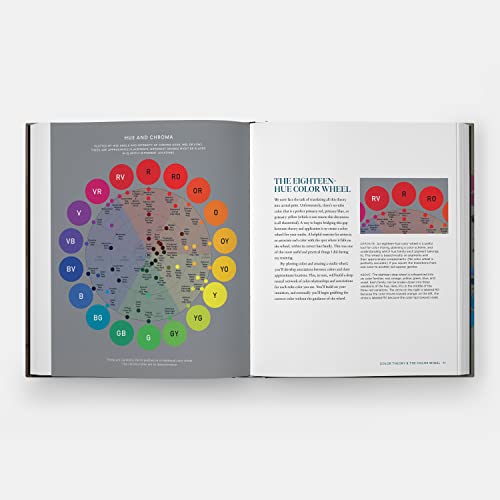
The Oil Painter’s Color Handbook: A Contemporary Guide to Color Mixing, Pigments, Palettes, and Composition: A Contemporary Guide to Color Mixing, Pigments, Palettes, and Harmony

The Complete Oil Painter: The…
No description found
Odorless Paint Thinner for Oil…
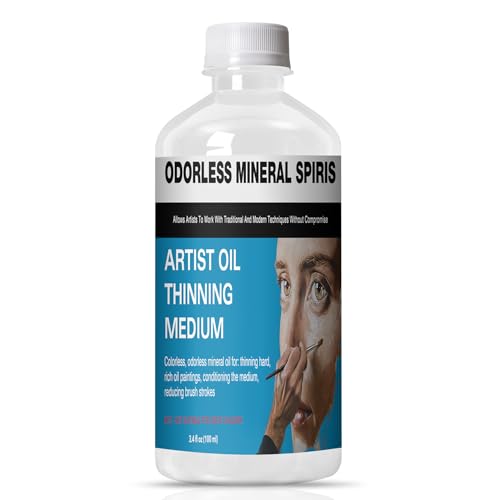
THE BEST ODORLESS SOLVENT ON THE MARKET: With its ultra-smooth, high-quality odorless mineral oil formula, it effectively thins and seamlessly blends with oil-based paints, stains, and varnishes. Use these odorless…
Oil Painter’s Color Handbook: Mixing and Harmony

This handbook is my go-to for color clarity in painter oil painting. It breaks down color mixing in a way that sticks. The swatches, palettes, and pigment notes are practical, not dry. If you care about accurate skin tones and clean neutrals, this is a smart buy.
I like how it links pigment choice to paint behavior. You learn why certain mixes turn muddy and how to avoid that. The book also covers palette design that fits your style. It helps you make a system that saves time each session.
Pros:
- Clear color mixing demos that avoid jargon
- Pigment-by-pigment notes for smart paint choices
- Palette setups for portraits, landscapes, and abstracts
- Helps prevent muddy mixes and chalky lights
- Great swatch visuals with real-world examples
- Boosts confidence for painter oil painting at any level
- Easy to use as a studio reference
Cons:
- Not a full step-by-step painting course
- Focuses on oils, so less value if you switch mediums often
- Some advanced sections may feel dense to brand-new artists
My Recommendation
If color trips you up, start here. This handbook suits beginners who want clean mixes fast. It also fits mid-level painters who need better harmony. If you paint portraits and keep missing skin tones, this book helps a lot with painter oil painting. If you paint outside and struggle with greens, the palette tips are gold. It works best when kept open on a table as you paint. For value, it earns its place on the shelf due to daily use.
| Best for | Why |
|---|---|
| Beginners in painter oil painting | Clear mixing rules reduce guesswork and waste |
| Portrait artists | Accurate skin tone logic and palette design |
| Landscape painters | Reliable greens and neutrals without mud |
The Complete Oil Painter: Beginner to Pro Guide
I call this the roadmap for painter oil painting. It covers tools, surfaces, mediums, and method. The structure is clear, and the lessons move fast. You can jump to a section, try a task, and see better results the same day.
I like the balance of technique and strategy. It tells you what matters and what does not. You get advice on brushes, grounds, and layers that hold up over time. It also helps you fix common mistakes without repainting the whole canvas.
Pros:
- Step-by-step guidance from setup to finish
- Explains solvents, mediums, and safe use
- Strong focus on surface prep and longevity
- Project ideas to grow skills with less stress
- Covers alla prima and layered methods
- Great for building a studio routine
- Clear photos that support the text
Cons:
- Some chapters feel basic to skilled painters
- Not focused on one subject like portrait or still life
- A few materials discussed may change with brands over time
My Recommendation
If you want one guide to start painter oil painting the right way, pick this. It suits new artists who want structure and steady wins. It helps hobbyists who feel stuck and need a plan. It also aids experienced painters who want to tighten process and cut waste. The best part is how it stays useful as you grow. It has the “do this next” clarity most books miss.
| Best for | Why |
|---|---|
| New oil painters | Clear fundamentals and safe practices |
| Self-taught artists | Structured path reduces trial and error |
| Process-focused painters | Workflow tips improve speed and results |
Odorless Paint Thinner for Oil Painting, 3.4 oz

An odorless thinner is a lifesaver for home studios. This 3.4 oz bottle is small, but it goes far when used right. I use it to thin underpaintings and to clean brushes in stages. It keeps fumes low and the paint feel consistent.
For painter oil painting, the key is control. A clean, low-odor thinner helps you move fast. It also keeps your focus on values and edges. Use it with a ventilated space and tight lids for best results.
Pros:
- Low odor for indoor painting sessions
- Good for lean underlayers and quick block-ins
- Helps with brush cleaning between color shifts
- Travel-friendly 3.4 oz size
- Supports a clean, focused workflow
- Ideal for painter oil painting in small studios
- Pairs well with modern alkyd mediums
Cons:
- The small bottle can run out fast for heavy use
- Still needs good ventilation despite low odor
- Not a medium; use sparingly to avoid weak paint films
My Recommendation
Choose this if you need an odorless option for painter oil painting at home or on the go. It suits artists who paint in short sessions and want a tidy setup. It helps beginners learn solvent control without harsh fumes. It also works for pros who need a compact, travel-safe bottle. Keep it capped tight to prevent evaporation and store away from heat.
| Best for | Why |
|---|---|
| Home studios | Low odor keeps air more comfortable |
| Travel and plein air | Compact size and easy packing |
| Beginners learning solvent use | Predictable, gentle thinning and cleanup |
Gamblin Oil Painting Ground, 8 oz

A good ground is the start of a strong painting. Gamblin’s oil ground creates a smooth, slightly absorbent surface. Paint grabs well but still slides when you need it to. It feels stable under the brush and cures to a durable film.
For painter oil painting, surface prep is half the battle. This ground helps control sinking-in and uneven gloss. It also reduces color dulling in thin areas. Apply it in thin coats and let it cure well before painting.
Pros:
- Smooth, reliable surface for oils
- Improves paint adhesion and flow
- Reduces sinking-in and patchy sheen
- Makes color mixing look clean on day one
- Works on panel or canvas with proper sizing
- Great for painter oil painting longevity
- Trusted brand with consistent quality
Cons:
- Needs proper drying time before use
- Requires sizing for raw canvas or wood
- More steps than using acrylic gesso
My Recommendation
Pick this if you want a pro surface from the start. It suits painters who value brush feel and stable layers. It helps with painter oil painting where color clarity and sheen control matter. It also supports artists who sell work and care about longevity. Take the time to prep right; the payoff is a cleaner, richer finish.
| Best for | Why |
|---|---|
| Serious studio painters | Consistent surface for accurate color and edges |
| Artists who sell work | Improved durability and finish quality |
| Detail-focused painters | Balanced absorbency for fine brushwork |
FAQs Of painter oil painting
What is the best surface for painter oil painting?
Use a well-primed canvas or panel. An oil ground gives great feel and durability. Acrylic gesso works too but feels more absorbent. Choose based on your touch and drying needs.
Do I need odorless thinner to paint with oils?
No, but it helps. Odorless thinner lowers fumes and cleans brushes. Always ventilate. Many artists also use solvent-free gel mediums.
How do I stop colors from turning muddy?
Limit your palette and mix with intent. Wipe the brush between strokes. Follow values, not just hue. A good color guide speeds up clean mixing.
How long should I wait between layers?
Follow “fat over lean.” Thin layers dry faster; thick or oily layers need more time. Touch-dry can take days. Full cure takes longer.
What is sinking-in and how do I fix it?
Sinking-in is dull, flat spots as oil absorbs. Use a quality ground. Paint with balanced medium. You can apply a light retouch varnish later.
Final Verdict: Which Should You Buy?
If color control is your weak spot, get the Oil Painter’s Color Handbook. If you need a broad path from setup to finish, The Complete Oil Painter is the clearer roadmap.
For surface quality, Gamblin Oil Painting Ground pays off in every stroke. For cleanup and lean starts, the Odorless Paint Thinner helps keep painter oil painting simple and safe.