Have you ever felt stuck staring at a blank canvas, unsure of where to start or how to bring your ideas to life? What if you could create stunning, vibrant paintings using only three colors?
It might sound limiting, but this simple approach can unlock your creativity in ways you never imagined. By focusing on just three hues, you’ll learn to mix, blend, and play with shades that give your artwork depth and energy. Ready to discover how a minimal palette can lead to maximum impact?
Keep reading, and you’ll find easy, inspiring painting ideas that anyone can try—no fancy supplies needed. Your next masterpiece is just three colors away!
Choosing Your Three Colors
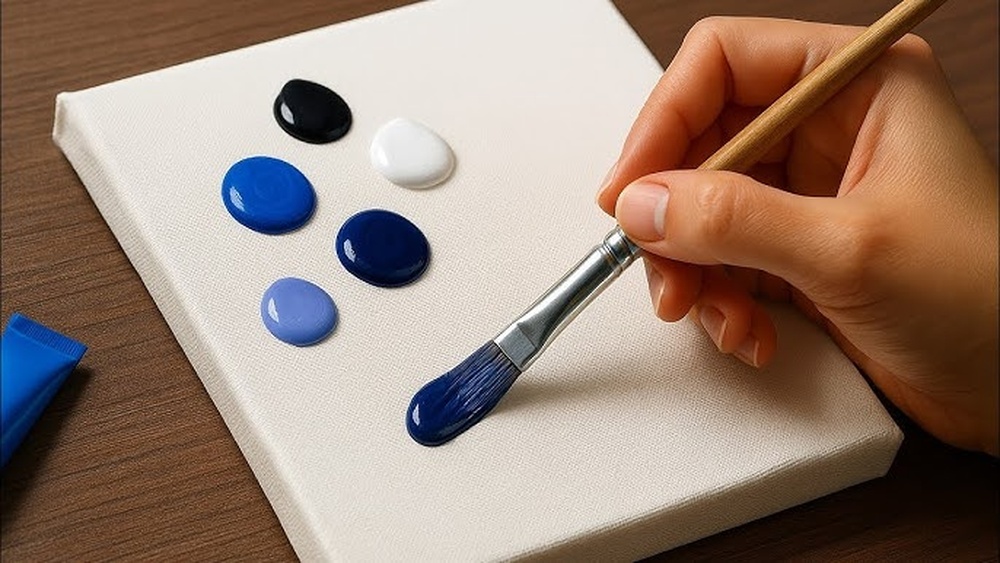
Choosing the right three colors is key to successful painting. It sets the mood and style of your artwork. A limited palette can still create vibrant and balanced paintings. Careful color selection helps you mix many shades from just three hues. This approach simplifies your process and sharpens your skills.
Think about what feeling or theme you want to express. Bright and bold, calm and muted, or natural and earthy? Your choice of colors will guide your painting’s look. Start by exploring basic color theories that work well with three colors.
Primary Color Combinations
Primary colors—red, blue, and yellow—are the foundation of all other colors. Using these three allows you to mix a full range of hues. This combo is perfect for beginners who want to experiment with color mixing. It encourages creativity and teaches how colors blend.
With primary colors, you can create vibrant and lively paintings. Mixing red and blue makes purple, blue and yellow make green, and red and yellow make orange. This trio gives you endless possibilities even with only three colors.
Complementary Color Choices
Complementary colors sit opposite each other on the color wheel. Examples include blue and orange or red and green. Using two complementary colors with a neutral makes your painting pop. This scheme creates strong contrast and visual interest.
Complementary colors can bring energy and balance to your artwork. Choose one color as dominant and the other as an accent. Adding a neutral color helps soften the contrast and adds harmony to your painting.
Using Neutrals For Balance
Neutrals like white, black, gray, or beige help balance bright colors. They create space and calm areas in your painting. Neutrals also help highlight your main colors without overwhelming the artwork.
Pair two vibrant colors with a neutral for a refined and elegant look. Neutrals allow you to control the mood and depth of your painting. They are essential for creating contrast and making colors stand out.

Credit: www.reddit.com
Mixing And Blending Techniques
Mixing and blending techniques play a crucial role when painting with only three colors. These skills help create depth and variety in your artwork despite the limited palette. Careful mixing allows you to produce many shades and tones from just a few colors. Blending helps achieve smooth transitions and realistic effects in your painting. Understanding these methods can improve your control over color and enhance your creativity.
Creating Shades And Tints
Shades and tints add dimension to your painting. To create a shade, mix your color with black or a darker tone. This makes the color deeper and richer. For tints, add white to lighten the color. Tints give a softer, pastel look. Experiment with small amounts of white or black to find the perfect shade or tint. This technique helps you stretch your three colors into many variations.
Achieving Color Harmony
Color harmony ensures your painting feels balanced and pleasing. Use your three colors thoughtfully to avoid clashing. Mixing colors to create smooth gradients helps blend them naturally. Pay attention to warm and cool tones to keep harmony. Test combinations on a palette before applying them to your work. Harmonious colors guide the viewer’s eye and unify the painting’s style.
Working With Undertones
Undertones influence how colors mix and look together. Each color has a warm or cool undertone that affects blends. Identifying these undertones helps you predict the result of mixing. For example, a cool blue mixed with warm red creates a muted purple. Being aware of undertones prevents muddy colors. Use this knowledge to create cleaner, more vibrant blends with your limited palette.
Minimalist Painting Styles
Minimalist painting styles use a small number of colors to create striking art. Using only three colors challenges artists to focus on form, contrast, and balance. This style suits beginners and experienced painters alike. It encourages creativity within simple limits. The result is clean, bold artwork that captures attention.
Abstract Designs
Abstract designs thrive with just three colors. Artists play with shapes, lines, and textures to express ideas. Limited colors highlight the composition and emotion in the piece. Using contrasting or harmonious colors creates visual tension or calm. Abstract art with three colors can feel both modern and timeless.
Floral And Nature Themes
Nature themes become elegant with three colors. Flowers, leaves, and trees can be stylized using simple palettes. Choosing one color for the subject, one for shadows, and one for highlights adds depth. This minimal palette keeps the focus on shape and pattern. It offers a fresh take on classic nature paintings.
Geometric Shapes
Geometric shapes fit perfectly in minimalist painting styles. Triangles, circles, and squares arranged with three colors create rhythm and structure. The limited palette emphasizes symmetry and spacing. Artists can experiment with bold or soft color contrasts. This style suits wall art and modern decor.

Credit: www.youtube.com
Tools And Materials
Choosing the right tools and materials is key for painting with only three colors. The limited palette means every brushstroke and surface matters. This section covers essential items to prepare for your creative journey.
Selecting Brushes And Mediums
Pick brushes with good quality bristles. Synthetic brushes work well for acrylics. Natural hair brushes suit oils and watercolors better. Use various sizes for detailed work and broad strokes. Mediums help change paint texture and drying time. Experiment with gel or glazing mediums for acrylic paints. For oils, try linseed or walnut oil to improve flow. Watercolors need only clean water as a medium.
Choosing The Right Canvas
Canvas choice affects paint absorption and finish. Cotton canvas is affordable and versatile. Linen offers a smoother surface and lasts longer. Choose a pre-primed canvas to save time. Canvas boards provide a rigid and budget-friendly option. For watercolors, use thick, textured paper. Smaller canvases keep focus on color blending and shapes when using three colors.
Using Palette Knives
Palette knives add texture and sharp edges to your painting. Use them to mix colors on your palette. Spread paint thickly for a 3D effect. They work well with heavy body acrylics and oils. Clean knives quickly to avoid dried paint buildup. Palette knives offer a fresh alternative to brushes and help create bold strokes.
Step-by-step Painting Ideas
Using only three colors in painting can spark creativity and simplify your process. This approach helps you focus on shapes, tones, and composition. It also challenges you to mix colors and explore new shades. Here are step-by-step painting ideas to try with just three colors.
Simple Landscape Scenes
Start with a basic sky using one color diluted for a light tone. Add a middle color to paint mountains or hills. Use the third color for trees or foreground details. Mix colors to create shadows and highlights. Keep shapes simple and use broad strokes. This method creates depth without many colors. Experiment with blending to capture natural light.
Bold Portraits With Limited Palette
Choose three colors that contrast well for skin, hair, and background. Begin with a mid-tone base for the face using one color. Use another color for shadows and contours. Apply the third color to highlight key areas like eyes and lips. Mix colors to add warmth or coolness to the skin tone. Use bold brush strokes for a strong effect. This technique focuses on expression and form.
Creative Patterns And Textures
Pick three colors that complement each other for patterns. Start by painting a background with one solid color. Use the second color to create geometric shapes or lines. Add the third color to build texture or small details. Try different brush techniques like dabbing or stippling. Layer colors to create depth and interest. This approach works well for abstract or decorative art.
Tips For Enhancing Minimalist Art
Enhancing minimalist art with only three colors requires careful planning and creativity. Simple palettes highlight shapes, lines, and space. Use these tips to make your minimalist paintings stand out. Each technique sharpens the focus and mood of your artwork. Explore ways to use limited colors effectively.
Playing With Negative Space
Negative space is the empty area around your subject. It balances the composition and draws attention. Use your three colors to define shapes and spaces clearly. Leave parts of the canvas blank to create breathing room. Negative space helps the viewer’s eye rest and explore your design. It adds elegance and simplicity.
Emphasizing Contrast
Contrast makes colors and shapes pop. Choose one color as the background and use others for the main elements. High contrast between light and dark shades adds drama. It guides the viewer’s focus to important areas. Use contrast to create tension or calmness in your painting. This makes your minimalist art visually striking.
Layering For Depth
Layering adds richness even with just three colors. Apply thin layers of paint to build subtle tones. Mix colors lightly to create new shades and gradients. Overlapping shapes give a sense of space and dimension. Layering keeps your art from looking flat or simple. It invites viewers to look closer and appreciate details.

Credit: shop.zenartsupplies.co
Frequently Asked Questions
What Are The Best Three Colors For Painting?
The best three colors are primary colors: red, blue, and yellow. They mix to create many other shades. Using these ensures versatility and color harmony in your painting.
How Can I Mix Colors Using Only Three?
Mix primary colors to create secondary and tertiary colors. Experiment with ratios for different shades. This technique maximizes color options with limited paint.
Is Painting With Three Colors Suitable For Beginners?
Yes, it simplifies color choices and encourages creativity. Beginners learn color theory and blending effectively. It builds confidence with manageable complexity.
What Painting Styles Work Well With Three Colors?
Minimalist, abstract, and modern styles suit three-color palettes. These styles focus on form and contrast, enhancing visual impact with limited hues.
Conclusion
Using only three colors can spark your creativity and focus. This simple palette challenges you to explore mixing and shading deeply. Each painting becomes unique, showing how limited colors create endless possibilities. Start small, experiment, and enjoy the process of making art your own.
Keep practicing and watch your skills grow with just three colors. Painting can be fun and rewarding with fewer tools. Try these ideas and see how vibrant your work can become.