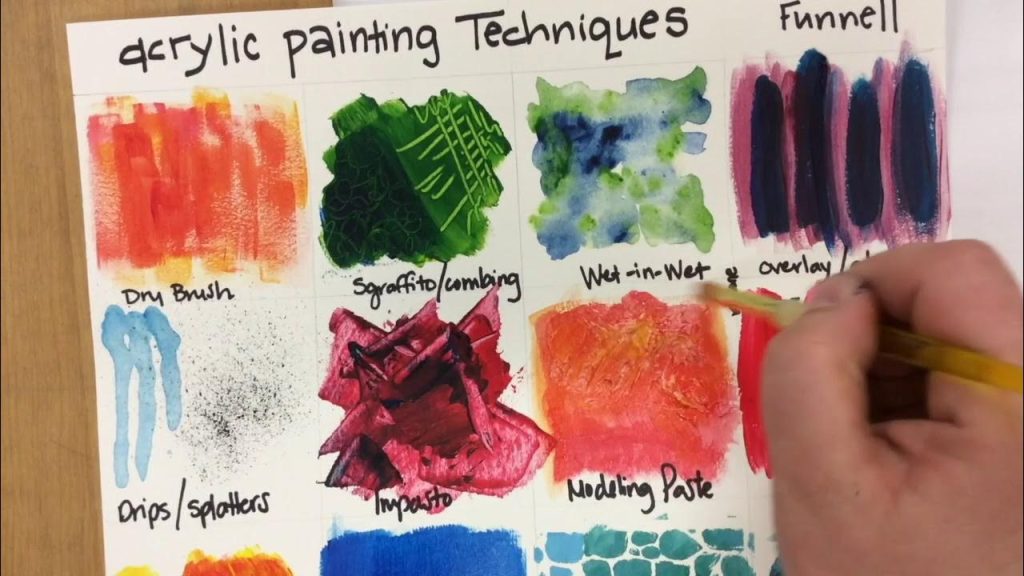
Painting with acrylics on canvas can be fun. It allows you to create beautiful artworks easily. This guide will share some tips to help you get started.
Materials You Will Need
Before you start painting, gather all the necessary materials. Here is a list of what you’ll need:
- Acrylic paints
- Canvas
- Brushes
- Palette
- Water container
- Paper towels
- Varnish (optional)
Preparing Your Canvas
Preparing your canvas is an important step. It ensures your painting looks its best. Follow these steps to prepare your canvas:
- Prime your canvas: Use gesso to prime your canvas. This helps the paint adhere better. Apply one or two coats and let it dry.
- Sketch your design: Use a pencil to lightly sketch your design. This will guide you while painting.
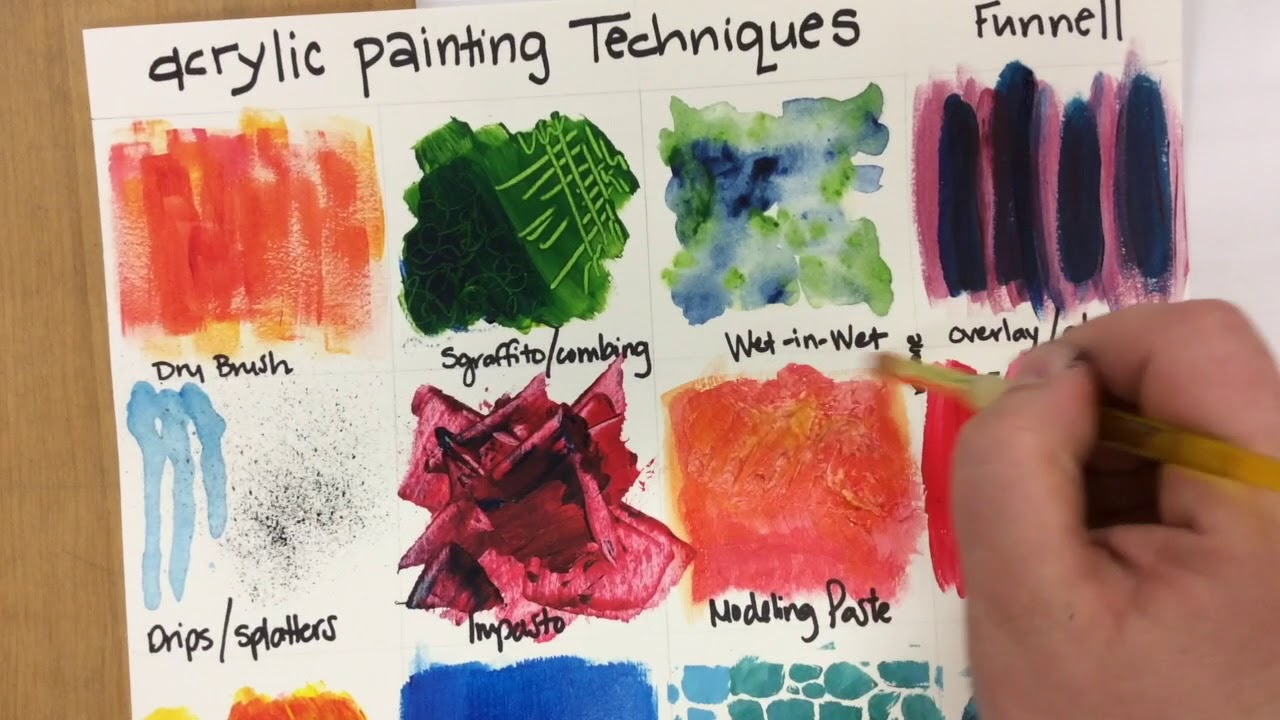
Credit: m.youtube.com
Choosing the Right Brushes
Different brushes create different effects. It’s essential to choose the right brushes for your painting. Here are some common types of brushes used in acrylic painting:
| Brush Type | Use |
|---|---|
| Flat brush | For broad strokes and filling large areas |
| Round brush | For details and thin lines |
| Fan brush | For blending and creating textures |
| Detail brush | For fine details and intricate work |
Mixing Your Paints
Mixing your paints helps you create the colors you want. Use a palette to mix your colors. Add a little water to your paint to make it smoother. This helps you apply it more easily.
Starting Your Painting
Now that you are ready, it’s time to start painting. Follow these steps to create your masterpiece:
- Start with the background: Paint the background first. This sets the stage for your painting. Use a large brush for this step.
- Add base colors: Use a flat brush to add base colors to your design. Don’t worry about details yet.
- Build up layers: Acrylic paint dries quickly. Apply multiple layers to add depth and texture. Let each layer dry before adding the next one.
- Work on details: Use smaller brushes for details. Add highlights and shadows to make your painting more realistic.
Blending Techniques
Blending is essential for smooth transitions between colors. Here are some blending techniques you can try:
- Wet-on-wet: Apply wet paint onto wet paint. This helps colors blend smoothly.
- Dry brushing: Use a dry brush with a small amount of paint. This creates a soft, textured effect.
- Glazing: Apply a thin, transparent layer of paint over dry paint. This adds depth and richness to your colors.
Cleaning Your Brushes
Cleaning your brushes is crucial. It keeps them in good condition. Follow these steps to clean your brushes:
- Rinse your brush in water to remove excess paint.
- Use soap and water to clean the bristles thoroughly.
- Rinse the brush again until the water runs clear.
- Shape the bristles and let the brush dry.
Adding Finishing Touches
Once your painting is complete, add some finishing touches. These can make your artwork stand out. Here are some ideas:
- Varnish: Apply a coat of varnish to protect your painting. This also adds a professional finish.
- Frame: Consider framing your painting. A frame can enhance the overall look of your artwork.
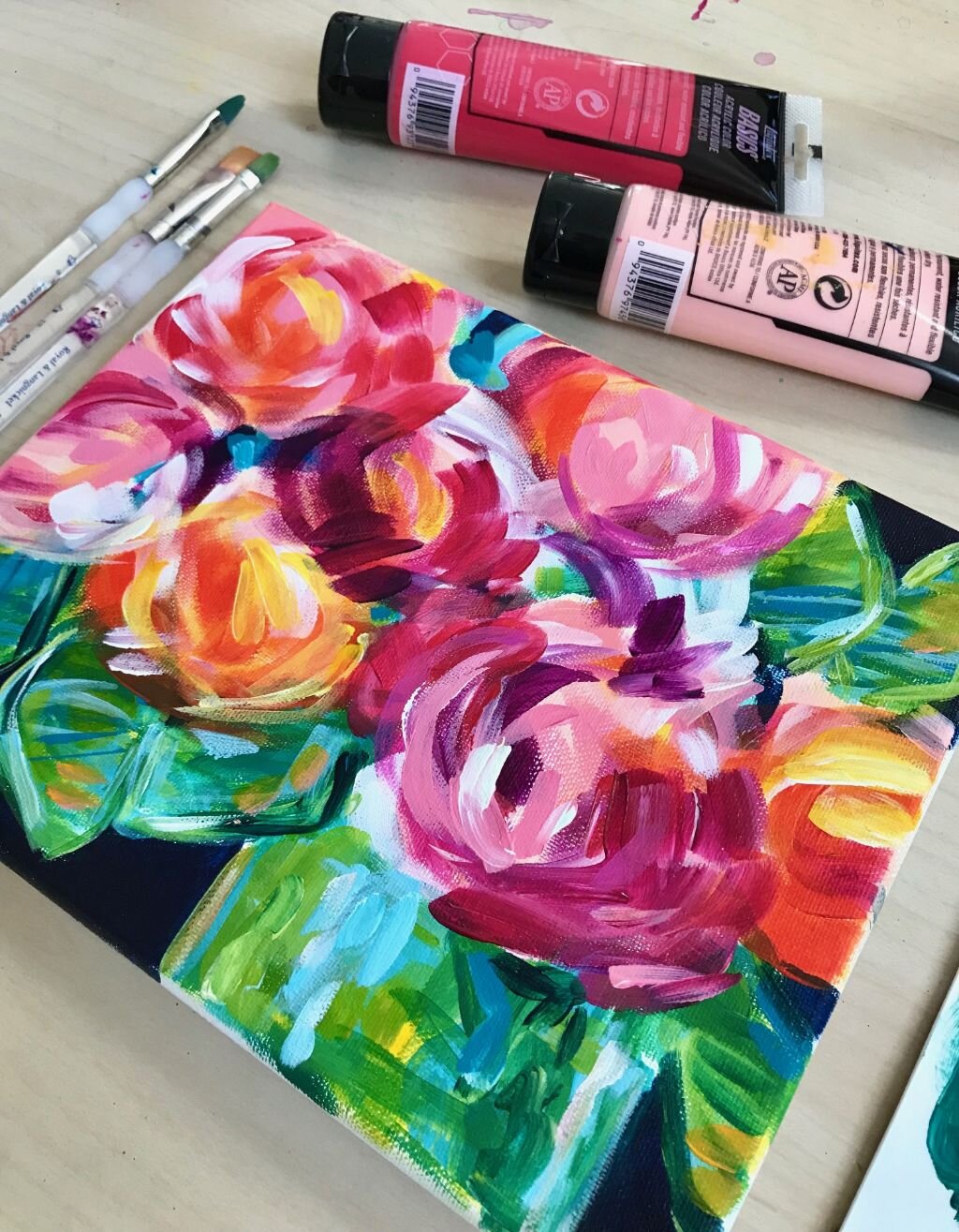
Credit: ellebyers.com
Frequently Asked Questions
What Is The Best Canvas For Acrylics?
Choose a cotton or linen canvas. They offer durability and good texture for acrylic paints.
How To Prepare Canvas For Acrylic Painting?
Apply a layer of gesso to prime the canvas. This ensures better paint adhesion and longevity.
How To Blend Acrylic Paints On Canvas?
Use a damp brush to blend. Work quickly before the paint dries to achieve smooth transitions.
Can You Use Water With Acrylic Paint?
Yes, water can thin acrylic paint. This helps in creating washes and lighter layers.
Conclusion
Painting with acrylics on canvas is a rewarding experience. With the right tips and techniques, you can create stunning artworks. Remember to prepare your canvas, choose the right brushes, and practice blending. Don’t forget to clean your brushes and add finishing touches. Happy painting!