Quick answer: Montessori art materials are real, child-sized, carefully limited tools that let a young child create independently: short-handled brushes, small jars of non-toxic watercolor or tempera, chunky beeswax crayons, working scissors, glue with a brush, natural clay, chalk, sewing cards, metal insets for tracing, and natural collage items. They are presented one activity at a time on a tray with everything needed, including cleanup supplies. The emphasis is on process and hand control rather than finished crafts, so there are no coloring pages, templates, or adult-made examples.
Walk into a Montessori classroom and look for the art supplies. You will not find a craft cupboard stuffed with glitter, pom-poms, and stickers. You will find a low shelf with a few trays, each holding one activity: a brush and a single jar of blue, a pair of scissors and a basket of paper strips, a lump of clay on a board. The materials look sparse because every one of them has been chosen for a reason.
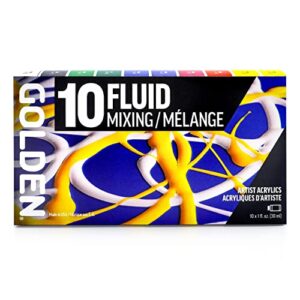
This guide explains what Montessori art materials are, the principles that decide what makes the cut, the specific items used from toddlerhood through age six, how they differ from conventional craft supplies, and how to build a set at home. If you are putting together the painting portion, the roundup of the best Montessori paint sets for kids compares non-toxic paints that suit child-led, independent use.
The Principles Behind the Materials
Maria Montessori built her method around a “prepared environment” in which children act independently with materials designed for their size and stage. Art materials follow the same rules as every other material in the room.
Real, not toy
Scissors cut. Paint covers. Glue sticks. Children can tell when a tool is a pretend version, and a tool that fails teaches them that their effort does not matter.
Child-sized
Short brush handles for short arms, small jars a small hand can lift, half-sheets of paper that fit a child’s reach, trays that two small hands can carry.
Isolated
Each material focuses on one skill or one variable. A single color of watercolor isolates brush control. Paper strips isolate the snipping motion. Once the skill is secure, a second variable is added.
Self-contained
Everything needed for the activity and its cleanup lives on one tray. The child never has to ask for water, a cloth, or more paper.
Natural and beautiful
Wood, cotton, beeswax, glass, and paper are preferred over plastic. They give honest sensory feedback, they age well, and they are pleasant to handle, which invites care.
Open-ended
There is no right result. No templates, no coloring sheets, no sample to copy. The material invites exploration and the adult observes rather than directs.
What Are Montessori Art Materials? The Core List
Painting materials
- Short-handled brushes. One or two per tray, with a handle around 6 inches and a medium round or flat head. The short handle keeps control close to the hand.
- Watercolor. Often a single pan or a small dish of liquid watercolor to start, expanding to two or three colors and eventually a small set. Non-toxic and washable.
- Tempera. Washable tempera in small lidded jars, one brush per jar so colors stay clean without adult help.
- Water jar. A small glass or ceramic jar the child can fill and empty alone. Glass is used deliberately; it teaches careful handling.
- Paper. Watercolor paper or heavy drawing paper cut to a size that fits the tray, usually half or quarter sheets.
- Cloth or sponge. For blotting the brush and wiping the table. Cleanup is part of the material.
- Easel. In many classrooms, a child-height easel with a clip for paper and a ledge for two or three paint jars, used standing.
Drawing materials
- Beeswax block crayons. Chunky and durable, suited to a toddler’s whole-hand grip. Typically three to six colors, not thirty.
- Beeswax stick crayons. For older preschoolers moving toward a pencil grip.
- Colored pencils. Introduced around age 3 or 4, often with the metal insets.
- Chalk and a small chalkboard. The erasable surface encourages repetition and low-stakes practice.
- Metal insets. A classic Montessori material: ten geometric shapes in metal frames. The child traces the frame and the inset, then fills the shape with lines. It is a drawing activity and a pre-writing exercise at once.
Cutting and gluing materials
- Scissors. Real blades with rounded tips, sized for small hands. Left-handed versions for left-handed children.
- Paper strips and cutting cards. Progressing from plain strips, to strips with straight lines, wavy lines, and then shapes.
- Glue. White glue in a small jar with a short brush, or a glue stick. The brush version teaches a controlled amount.
- Collage papers and natural items. Pre-cut shapes, tissue, pressed leaves, seeds, petals, in a divided dish.
Modeling materials
- Natural clay or air-dry clay. A fist-sized piece in a lidded container, with a board or mat.
- Homemade dough. Flour, salt, and water dough for the youngest children.
- Simple tools. A wooden roller, a dull knife, a stamp. Two at most.
Handwork materials
- Threading. Large wooden beads and a shoelace, progressing to smaller beads.
- Sewing cards. Punched cards and a blunt needle with yarn, then burlap and real embroidery, then simple fabric projects.
- Weaving. A cardboard loom with fabric strips, later a small frame loom.
- Finger knitting and simple knitting. For ages 5 and up.
Printing materials
- Stamps. Wooden blocks, cork, cut vegetables, leaves.
- Ink pad or sponge in a dish of paint.
Montessori Art Materials vs Conventional Craft Supplies
| Montessori approach | Conventional craft approach | |
|---|---|---|
| Quantity | Few items, each complete | Large mixed bins |
| Color choice | One to three colors at a time | Full rainbow sets |
| Tools | Real, working, child-sized | Often toy or adult-sized |
| Materials | Wood, glass, cotton, beeswax, paper | Mostly plastic |
| Goal | Process, hand control, independence | Finished craft, often from a template |
| Adult role | Presents once, then observes | Directs step by step |
| Storage | Open low shelf, one tray per activity | Closed cupboard, adult-controlled |
| Cleanup | Part of the activity, supplies on the tray | Adult cleans up |
| Examples shown | None | A finished sample to copy |
How the Materials Progress by Age
12 to 24 months
Beeswax block crayons on large paper, chalk on a board, dough with hands only, painting with water on a chalkboard or dark paper. The goal is cause and effect: I move, a mark appears.
2 to 3 years
Single-color watercolor on a tray, snipping paper strips, gluing pre-cut shapes, stamping, clay with one tool, large-bead threading. Trays are presented individually and the child begins the full cycle of fetch, work, clean, return.
3 to 4 years
Two or three watercolor colors, tempera at the easel, cutting along lines, metal insets with colored pencils, sewing cards, nature collage. Color mixing is introduced as its own activity: two primaries and a mixing dish.
4 to 6 years
A small full watercolor set, mixing colors deliberately, cutting shapes and curves, embroidery on burlap, weaving on a loom, clay with several tools, drawing from observation (a flower, a shell). Art begins to connect with other work: botany drawings, map coloring, letter decoration.
How Materials Are Presented
Montessori materials are not simply left out; each is shown once before the child uses it independently. The presentation is slow, mostly silent, and includes cleanup.
- Carry the tray to the table with both hands.
- Name the materials briefly.
- Demonstrate the activity in deliberate, exaggerated steps: dip the brush, wipe it on the jar rim, make a stroke, rinse.
- Demonstrate the cleanup: blot the brush, wipe the table, replace the paper, carry the tray back.
- Invite the child to try. Step away and observe without correcting.
The presentation is why a two-year-old can paint alone. They have seen exactly what each item on the tray is for.
Choosing Specific Supplies for Home
Paint
Look for non-toxic labeling, washability, and reasonably strong pigment. Weak, watery children’s paint is frustrating; the child works hard and the color barely shows. Liquid watercolor in small jars is a good first paint because one color can be set out at a time. Washable tempera in small lidded jars suits easel work.
Brushes
Short handles, around 6 inches, with a head that holds paint but is not floppy. A medium flat and a medium round cover early years. Avoid tiny detail brushes and giant wall brushes alike.
Paper
Heavier than copy paper. Watercolor paper or 80 to 100 lb drawing paper takes wet paint without pilling. Cut it to tray size in advance.
Scissors
Steel blades with rounded tips. Plastic “safety” scissors that cannot cut paper cleanly are the single most common source of frustration on an art shelf.
Crayons
Beeswax blocks or thick sticks. They are durable, the colors are rich, and they do not snap. Limit the set to a handful of colors and rotate.
Trays and jars
Wooden or bamboo trays about 9 by 12 inches, small glass jars (baby food or spice jars are the right size), small ceramic dishes for collage pieces.
What Montessori Art Materials Leave Out, and Why
- Coloring books and templates. They define the result and reduce the activity to filling in someone else’s drawing.
- Glitter, sequins, and pom-poms. Decoration without skill; they also create mess the child cannot control.
- Giant marker sets. Thirty colors is a choice burden. Markers also do not teach pressure control the way crayons and brushes do.
- Adult-made examples. A model to copy replaces the child’s intention with the adult’s.
- Plastic tools that do not work. Toy scissors, dried-up glue sticks, brushes that shed.
- Praise-driven display. Work may be displayed modestly at the child’s eye level, but the focus stays on the doing.
A Starter Set for Home, Tray by Tray
If you want to begin this week with a child between 2 and 4, these four trays cover painting, cutting, drawing, and modeling with materials that are easy to find.
- Watercolor tray: one small glass jar, one short flat brush, one color of liquid watercolor in a tiny dish, four quarter-sheets of watercolor paper, one folded cotton cloth.
- Cutting tray: rounded-tip steel scissors, a basket of 1 inch paper strips, an empty bowl for the pieces.
- Crayon tray: three beeswax blocks in a wooden dish, three half-sheets of heavy paper.
- Clay tray: a lidded jar with a fist of air-dry clay, a small wooden board, one wooden roller.
Present each tray once, then leave them on a low shelf. Add a gluing tray after two or three weeks so the cut strips have somewhere to go, and swap the watercolor color weekly.
How This Differs From Other Approaches
Reggio Emilia-inspired environments share the emphasis on real materials and process but tend toward abundance and open studios with many materials available at once. Waldorf settings use similar natural materials, particularly beeswax crayons and watercolor, but with more adult-led, story-based painting sessions. Montessori is the most structured of the three in presentation and the most restrained in quantity: one skill, one tray, independent use.
FAQs
What paint is used in Montessori classrooms?
Non-toxic, washable watercolor and tempera, usually presented one color at a time in small jars with a short brush. Liquid watercolor is common for tray work; tempera is common at the easel.
Why do Montessori art materials use so few colors?
Limiting colors isolates the skill being practiced, such as brush control, and prevents choice overload. Colors are added as the child’s control grows.
Are Montessori art materials expensive?
Not necessarily. Trays, small jars, beeswax crayons, scissors, and paper are inexpensive. Metal insets are the one specialized item, and sturdy cardboard shapes work as a substitute at home.
At what age do Montessori children start using scissors?
Around 2.5 to 3 years, with real rounded-tip scissors and paper strips that can be cut in a single snip.
Do Montessori classrooms do crafts?
Rarely in the template sense. Children make things, including sewn, woven, and clay pieces, but the activities are open-ended and process-focused rather than reproducing a sample.
Can I use regular children’s paint for Montessori activities?
Yes, as long as it is non-toxic and washable and you present it the Montessori way: one or two colors on a complete tray with cleanup supplies. Stronger pigment is worth paying for because weak paint discourages effort.
Next Step
Understanding what Montessori art materials are comes down to a short checklist: real, child-sized, isolated to one skill, complete on a tray, natural where possible, and open-ended. Most of the list can be assembled from a hardware store and a kitchen drawer. The paint is the part worth choosing carefully, since the child will use it unsupervised and the pigment has to reward the effort. The comparison of non-toxic paint sets that suit independent Montessori work narrows the options so the painting tray is ready the day the shelf goes up.