Use odorless mineral spirits or natural oil, then mild soap and water.
If you’ve ever fought gummy bristles or ruined a favorite brush, this guide is for you. I’ll show you exactly what to clean oil paint brushes with, why it works, and how to do it fast. I’ve cleaned thousands of brushes in the studio and on tight deadlines. You’ll get proven steps, safe options, and smart habits that save money and tools.
Why cleaning oil paint brushes the right way matters
Clean brushes last longer, paint better, and keep your color clean. Dirty ferrules spread pigment into fresh mixes. That turns brights to mud and shifts your values.
There’s also health and safety. Many solvents release fumes. Used rags can self-heat and ignite if stored wrong. Good methods protect your lungs, your studio, and your work.
Finally, oil residue left in bristles hardens. It shortens the snap and splay. Over time, it ruins edge control. The right routine prevents this and keeps your workflow smooth.
What to clean oil paint brushes with: the core kit
If you want a simple and safe answer to what to clean oil paint brushes with, start with a small, reliable kit. Build around your style and budget.
- Odorless mineral spirits (OMS) For fast cuts through wet paint with low odor.
- Safflower or linseed oil For a gentle, solvent-free start that lifts pigment.
- Mild brush soap or dish soap For final wash. Look for conditioners.
- Two jars with lids For dirty and cleaner stages. Glass or metal is best.
- Paper towels or cotton rags For wiping before wet cleaning.
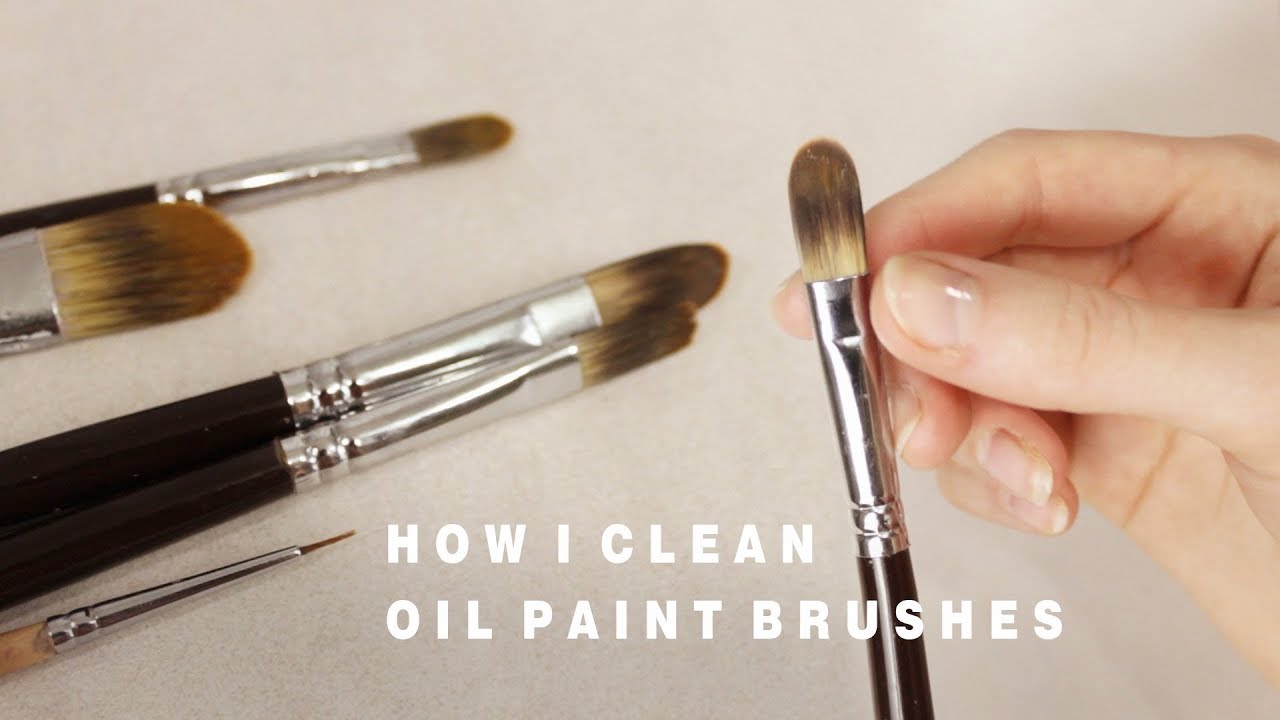
- A brush comb or old plastic fork For gentle comb-out near the tip.
- Brush shaper or hair gel For reshaping after washing.
This is the kit I reach for daily. It covers studio work, classes, and travel. If you asked me what to clean oil paint brushes with on a tight budget, I’d still pick this mix.
Step-by-step methods that actually work
Here’s how I teach students what to clean oil paint brushes with and how to use it. Pick the method that fits your setup.
Method 1: Solvent first, then soap
- Wipe the brush on a rag until little paint comes off.
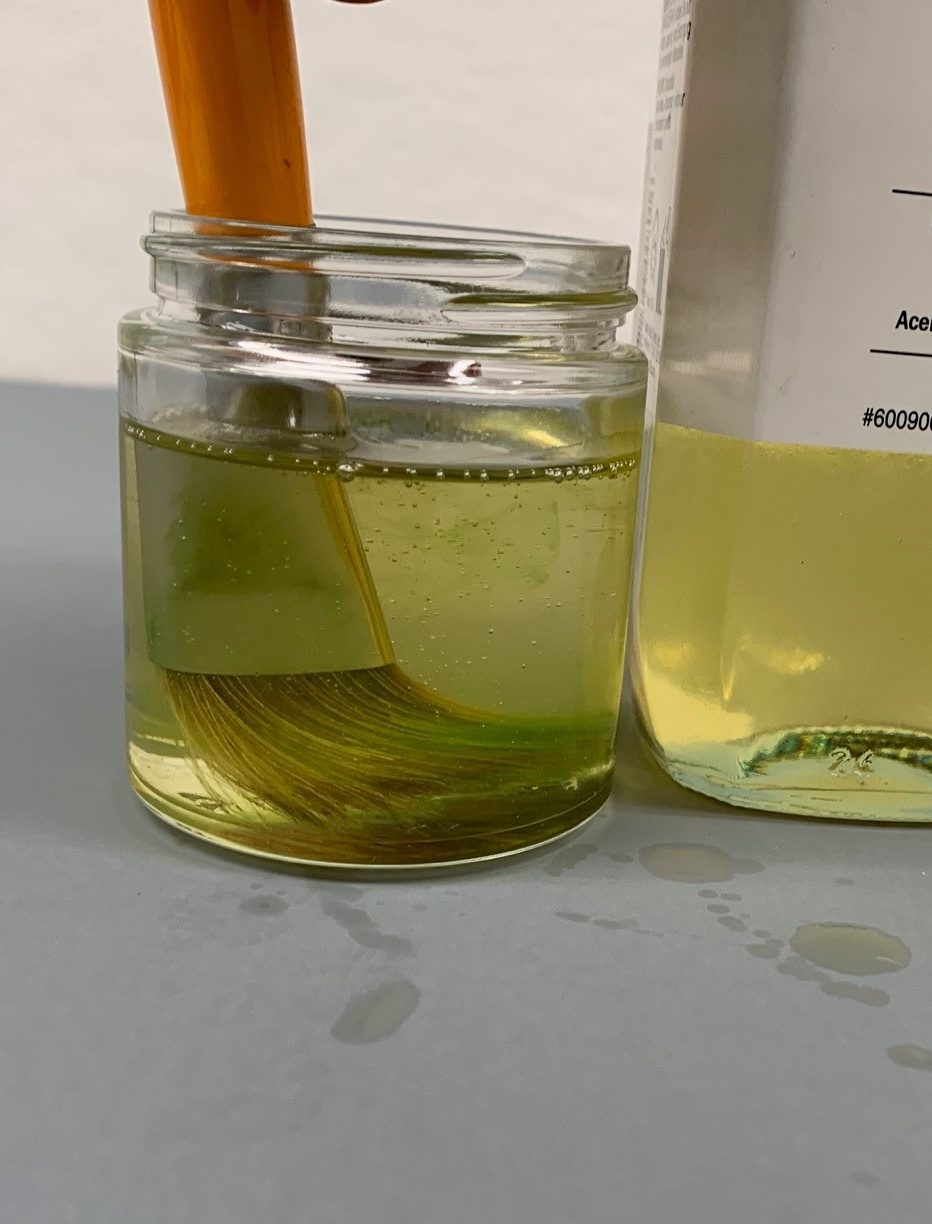
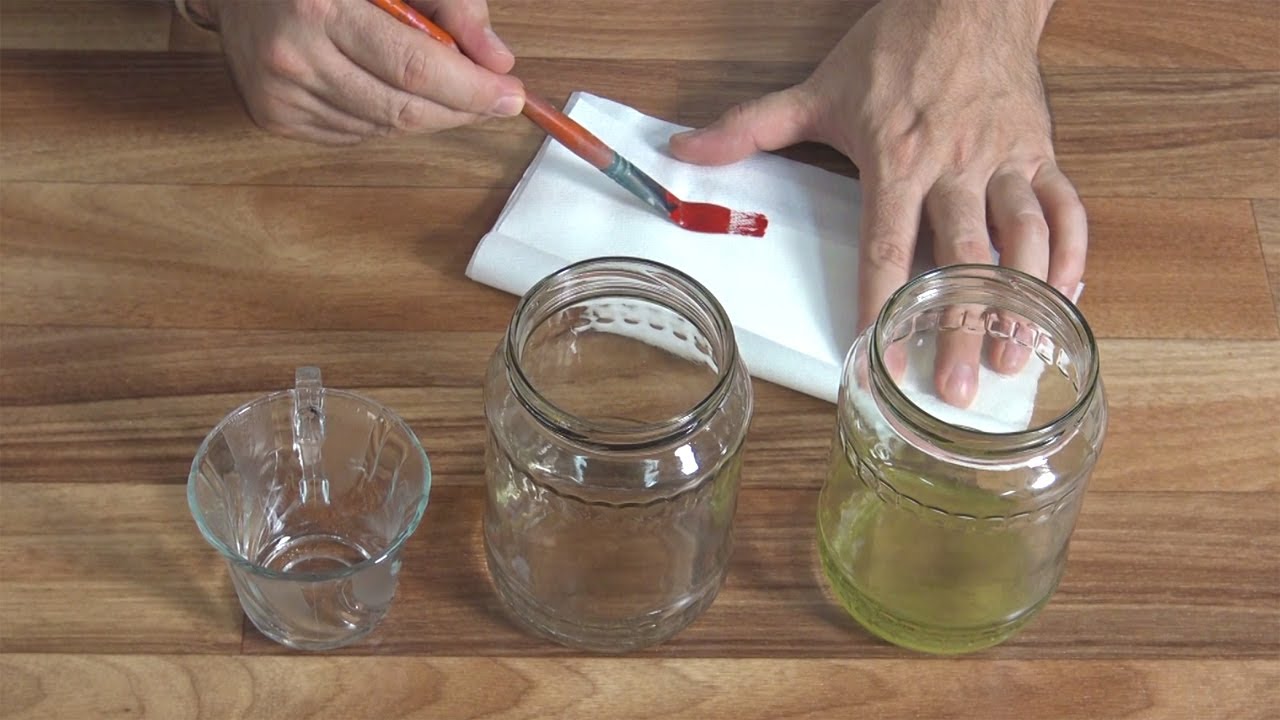
- Swirl in a jar of dirty OMS. Press gently on the bottom.
- Wipe again. Repeat in a second jar with cleaner OMS.
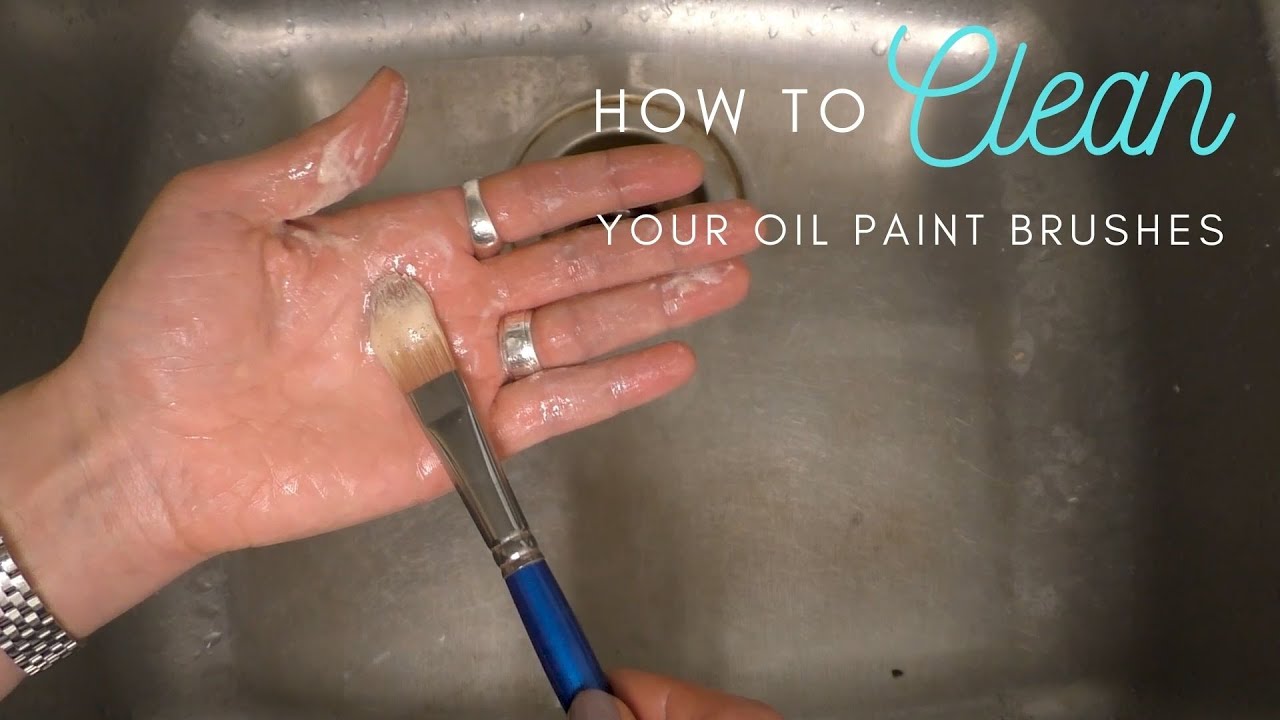
- Wash with brush soap under cool water. Work from ferrule outward.
- Rinse until water runs clear. Shape the tip and dry flat.
Best for fast studio turnover and thick impasto.
Method 2: Oil first, then soap (solvent-light)
- Wipe well on a rag.
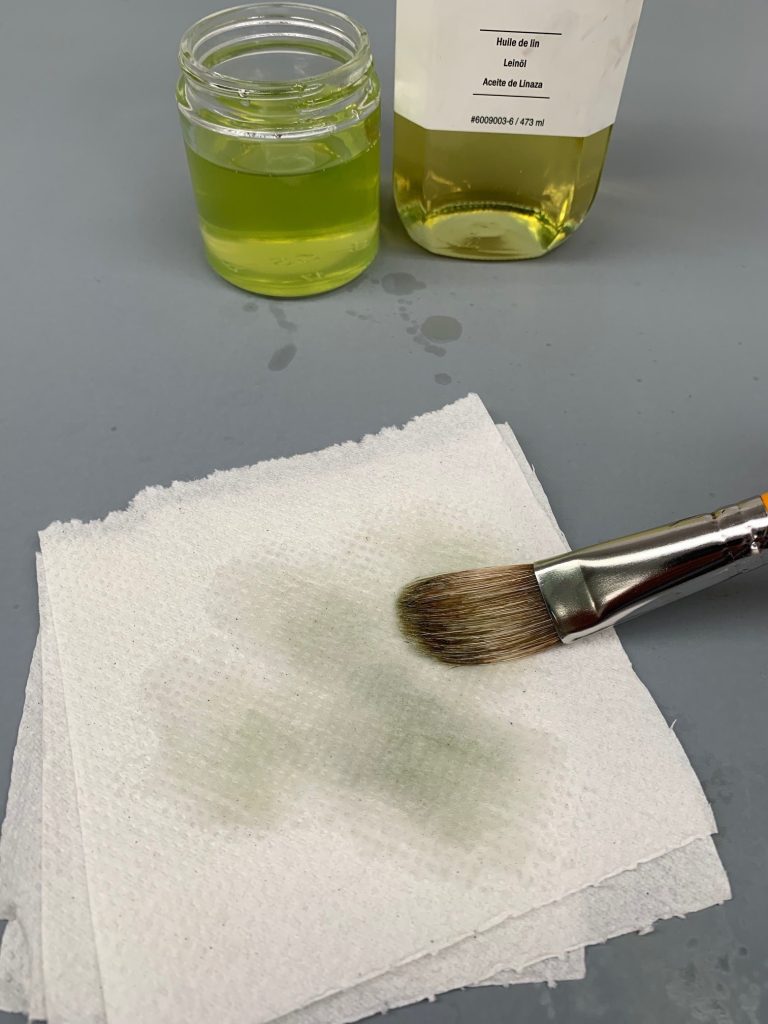
- Dip into safflower or linseed oil. Work it through the bristles.
- Wipe. Repeat until most pigment lifts.
- Wash with brush soap and cool water. Rinse clean.
- Shape and dry flat.
Great if you want to avoid solvent fumes. It’s my go-to at home.
Method 3: Soap-only cleanup (fresh paint)
- Wipe the brush as clean as possible.
- Use plenty of brush soap and cool water.
- Massage from ferrule to tip. Rinse and repeat.
- Condition with a touch of soap. Shape and dry.
This works best when the paint is still wet and you used lean mediums.
 cleaners: what actually cuts oil and what to skip”
style=”max-width: 100%; height: auto; border: 2px solid black; border-radius: 10px; display: block; margin: 0 auto;”
loading=”lazy”
/>
Comparing cleaners: what actually cuts oil and what to skip
When you ask what to clean oil paint brushes with, you will hear many options. Here’s how they stack up.
- Odorless mineral spirits
- Pros Cuts fresh oil fast. Reusable by decanting. Low odor.
- Cons Still a solvent. Needs good airflow. Keep away from flames.
- Turpentine (artist grade)
- Pros Strong cleaner. Traditional.
- Cons Strong fumes. Skin and airway irritant. I rarely use it now.
- Safflower or linseed oil
- Pros Gentle. Great for mid-session wipes. Low odor.
- Cons Slower. Needs a final soap wash to remove residue.
- Dish soap or brush soap
- Pros Removes oil residue. Conditions hair. Affordable.
- Cons Not ideal alone for heavy loads of paint.
- Citrus-based cleaners
- Pros Smells nice. Can cut oil well.
- Cons Some have strong terpene vapors. Ventilate and test first.
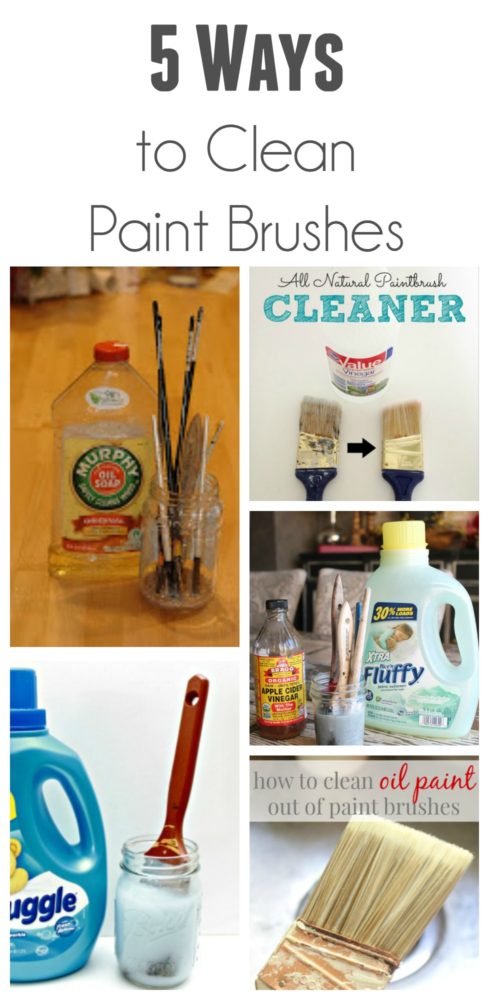
- Household stand-ins (in a pinch)
- Pros Can work short term. Things like baby oil followed by soap.
- Cons Not all are equal. Avoid vegetable oil-only “cleaning” without soap. It leaves residue.
I test cleaners on cheap synthetics first. Safety data sheets and label warnings help you plan safe use.
Safety and environmental best practices
Solvents and oily rags need care. It’s part of knowing what to clean oil paint brushes with and how to do it safely.
- Ventilation Work with a cross-breeze or a fume hood. Keep lids on jars.
- Skin care Wear nitrile gloves if you have sensitive skin. Wash hands well.
- Fire safety Air-dry oily rags flat on a nonflammable surface. Store in a sealed metal can. Do not ball them up.
- Waste management Let paint sludge settle. Pour off clean OMS for reuse. Bring sludge and spent rags to hazardous waste drop-off.
- Kid and pet safety Store all chemicals high and sealed. Label every jar.
Local rules vary. Check your city’s hazardous waste guidance before disposal.
Matching the cleaner to your brush hair
Different bristles react in different ways. This matters when deciding what to clean oil paint brushes with.
- Natural hog bristle Handles solvents well. Keep water cool to avoid swelling. Condition after washing.
- Natural sable or mongoose Very soft. Avoid long solvent soaks. Use oil-first and soap, then shape.
- Synthetic nylon or taklon Stable and tough. Less prone to damage. Still avoid hot water and long soaks.
- Ferrule and handle Never soak past the bristles. Water under the ferrule loosens glue. Varnished wooden handles can crack if submerged.

Source: youtube.com
Troubleshooting: rescuing gummed-up or dried brushes
We all forget a brush now and then. Here’s how I recover them.
- For semi-dry paint Massage with safflower oil. Let it sit 10 minutes. Comb gently. Wash with soap and cool water.
- For fully dried oil Try a small amount of brush restorer or a strong citrus cleaner. Work slowly. Rinse and repeat. Avoid acetone unless it’s a last resort on cheap synthetics.
- For bent tips Warm water and brush soap can help. Shape with soap and let dry overnight.
If the brush still sheds or splits, retire it for texture work. It’s still useful for scumbling and grounds.

Mistakes to avoid
These are the errors I see most when people ask what to clean oil paint brushes with and how to do it.
- Using hot water It sets paint deeper in the hair. Use cool water only.
- Crushing the brush on the jar bottom It breaks hairs. Swirl gently.
- Soaking past the ferrule It loosens glue and warps handles.
- Skipping the final soap wash Oil or solvent alone leaves residue.
- Scraping with metal combs Hard tools can cut hairs. Use a plastic comb or your fingers.
A few good habits beat one long deep clean. Wipe often while you work.
A simple studio workflow that saves brushes
This is the routine I use to balance speed, safety, and cost. It answers what to clean oil paint brushes with during and after sessions.
- During painting Keep a rag, a small oil cup, and a two-jar OMS setup. Wipe, dip in oil, wipe again, keep moving.
- End of day Hit the dirty jar, then the clean jar. Wash with brush soap. Shape with a touch of soap.
- Weekly maintenance Decant OMS. Let sludge settle. Wipe jar walls with a rag. Replace soap when it gets gritty.
This rhythm cuts cleanup time in half and keeps whites clean.
Household items that work in a pinch
Sometimes you need a fast fix. Here’s what to clean oil paint brushes with when the art store is closed.
- Baby oil It lifts pigment well. Follow with soap and water to remove residue.
- Canola or vegetable oil Works like linseed in a pinch. Again, finish with soap.
- Gentle shampoo It can help on soft-hair brushes. Use sparingly and rinse well.
- Vinegar for handles only Helps remove dried paint on handles. Do not soak bristles in acids.
These are backups, not daily drivers. They can help you avoid damage until you restock.
How to reuse and save on cleaners
You can answer what to clean oil paint brushes with and keep costs low.
- Decant solvents Let sludge settle a few days. Pour off the clear top into a clean jar.
- Use two-jar systems Dirty first, cleaner second. You’ll use far less solvent.
- Portion soaps Cut bar soaps into halves. Keep one near the sink and one sealed.
- Wipe more, wash less Every second you spend wiping saves a minute at the sink.
Over a year, these habits can cut your spend by half and reduce fumes a lot.
Frequently Asked Questions of what to clean oil paint brushes with
Can I clean oil paint brushes with just water?
No. Oil paint is not water soluble. Use oil or a solvent first, then soap and cool water.
Is dish soap safe for oil paint brushes?
Yes, for the final wash. It removes oil residue, but start by wiping and using oil or OMS first.
Can I use olive oil to clean brushes?
Yes, in a pinch. Follow with a thorough soap and water wash to remove the oil film.
What’s better: turpentine or odorless mineral spirits?
OMS is gentler and has lower odor. Artist-grade turpentine is strong but has harsher fumes.
How do I dispose of oily rags safely?
Lay them flat to dry on a nonflammable surface. Once fully dry, follow local hazardous waste rules.
Will acetone clean dried oil paint from brushes?
It can, but it is harsh and can damage hair and glue. Use it only as a last resort on cheap synthetics.
Can I clean oil paint brushes with baby oil?
Yes, it lifts pigment well. Always finish with soap and water to avoid residue.
How often should I deep clean my brushes?
After every session. A short wipe-and-wash each day beats a long rescue later.
Conclusion
Great brush care is a simple habit, not a chore. Now you know what to clean oil paint brushes with, how to use each option, and how to stay safe. Choose a method that fits your space, then stick to it for a week. You’ll see smoother strokes, cleaner color, and longer brush life. Ready to level up your studio? Try the two-jar routine tonight, then subscribe for more pro painting tips and step-by-step guides.