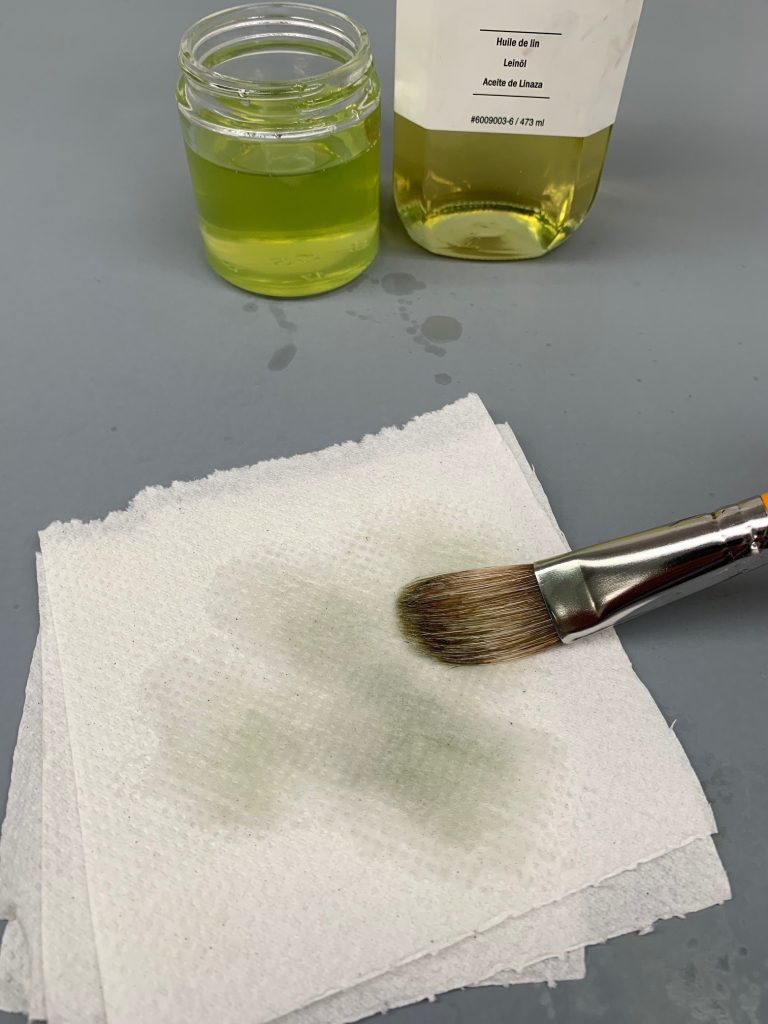
Use odorless mineral spirits, safflower or linseed oil, and a dedicated brush soap.
Mastering what to use to clean oil paint brushes keeps your tools sharp and your colors true. I have cleaned thousands of brushes in busy studios and quiet home corners. This guide shows what works, what to skip, and how to clean fast and safe. If you want a clear plan for what to use to clean oil paint brushes, you are in the right place.
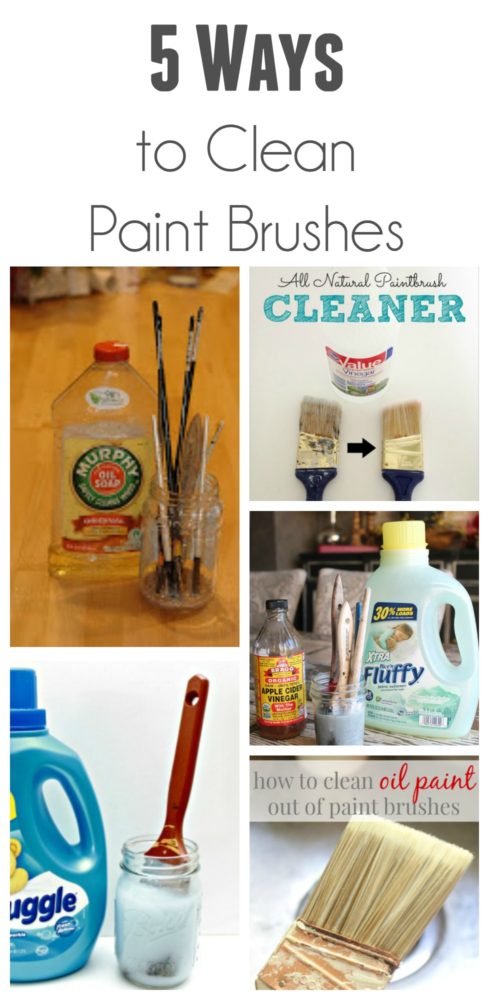
Why cleaning oil paint brushes properly matters
Clean brushes last longer, hold a fine edge, and lay paint better. Residue can muddy color and weaken paint films over time. Dried paint at the ferrule spreads hairs and ruins control. A smart approach to what to use to clean oil paint brushes saves money and prevents headaches.
Good cleaning is also a safety habit. Solvents need care, ventilation, and proper storage. Using the right method protects both your tools and your lungs.
What to use to clean oil paint brushes depends on the stage. Use solvent or oil to dissolve wet paint. Use soap and water to finish and remove residue. Follow a steady routine and your brushes will thank you.

The best solvents and alternatives for oil brush cleaning
Choosing what to use to clean oil paint brushes starts with your main solvent or oil. Pick for strength, smell, safety, and the type of brush hair.
Mineral spirits and odorless mineral spirits
Odorless mineral spirits work for most oil colors. They are less smelly than standard mineral spirits. Use artist-grade for lower aromatics and smoother cleanup. Keep two jars to reduce waste and get a cleaner finish.
Pros
- Strong enough for most paints
- Reusable by settling
- Lower odor than turpentine
Cons
- Still needs ventilation and gloves
- Can dry natural hair if overused
Turpentine
Traditional turpentine cuts fast and strong. Some artists love how it opens paint. It has a sharp smell and can irritate skin and lungs. If you use it, ventilate well and cap it tight between uses.
Pros
- Very effective on sticky paints and varnishes
- Classic feel with some mediums
Cons
- Strong odor and higher irritation risk
- Not ideal for small or poorly ventilated spaces
Plant oils
Safflower, linseed, or walnut oil loosen wet paint without harsh fumes. Wipe, then massage oil through the bristles. Follow with a thorough soap-and-water wash to remove the oil. This is my go-to when teaching beginners at home.
Pros
- Low odor and gentle on natural hair
- Great first step before soap
Cons
- Needs a full soap wash after
- Slower than solvent on heavy build-up
Citrus and soy brush cleaners
Citrus-based cleaners use d-limonene. Soy-based cleaners can soften dried paint. These are useful when you want to avoid petroleum solvents. They still need airflow and skin care.
Pros
- Effective and often lower odor
- Good for restoring neglected brushes
Cons
- Can swell some plastics over time
- Not all are safe on every hair type; test first
Specialty brush soaps and conditioners
Use a dedicated brush soap for the final clean. These are made to lift oil and condition hairs. They reduce frizz and keep points crisp. Dish soap works in a pinch, but a brush soap is better long term.
Pros
- Cleans and conditions in one
- Extends brush life
Cons
- Adds a step, but it pays off
If you ask what to use to clean oil paint brushes for best results, a combo is ideal. Start with oil or OMS to break paint. Finish with a dedicated brush soap. That balance keeps the bristles clean and supple.
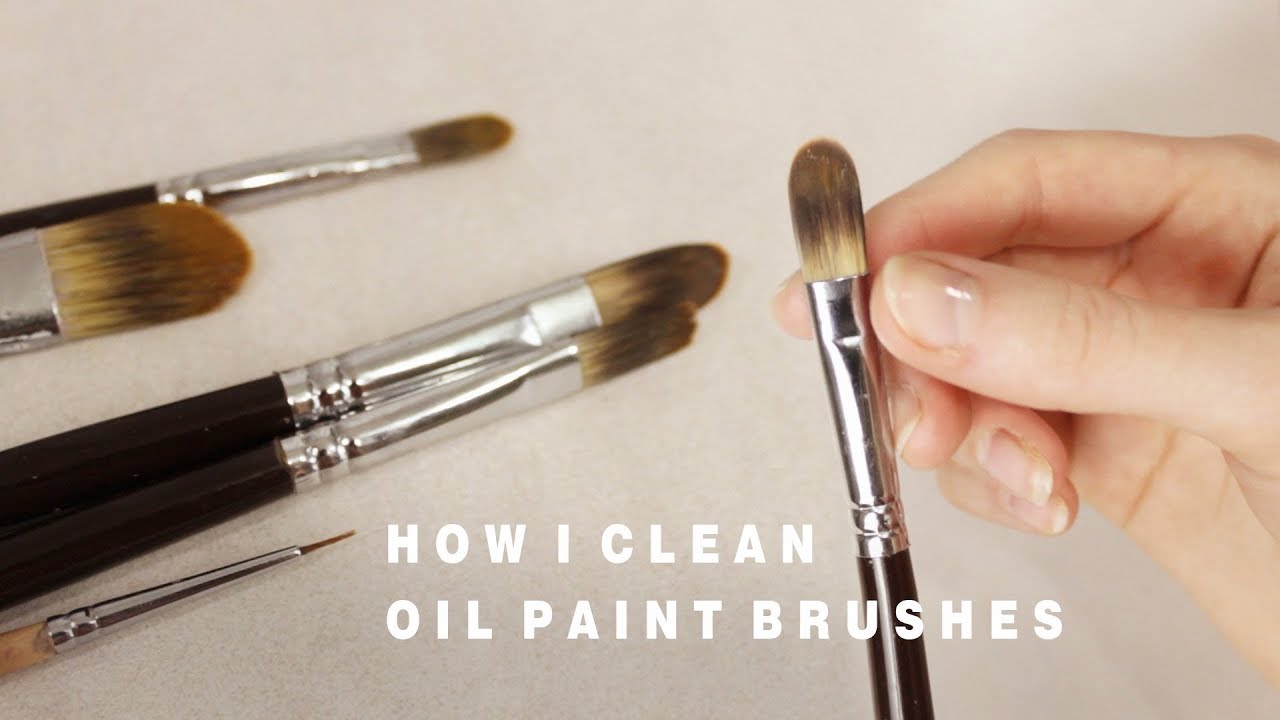
Step-by-step: how to clean oil paint brushes without damaging them
This is my reliable method. It is fast, safe, and gentle. It fits both studio and home use.
-
Wipe first. Scrape excess paint on a scrap card or rag. Pinch the bristles with a rag to pull out paint from heel to tip.
-
Oil loosen. Work a teaspoon of safflower or linseed oil through the bristles. Massage from ferrule to tip. Wipe again.
-
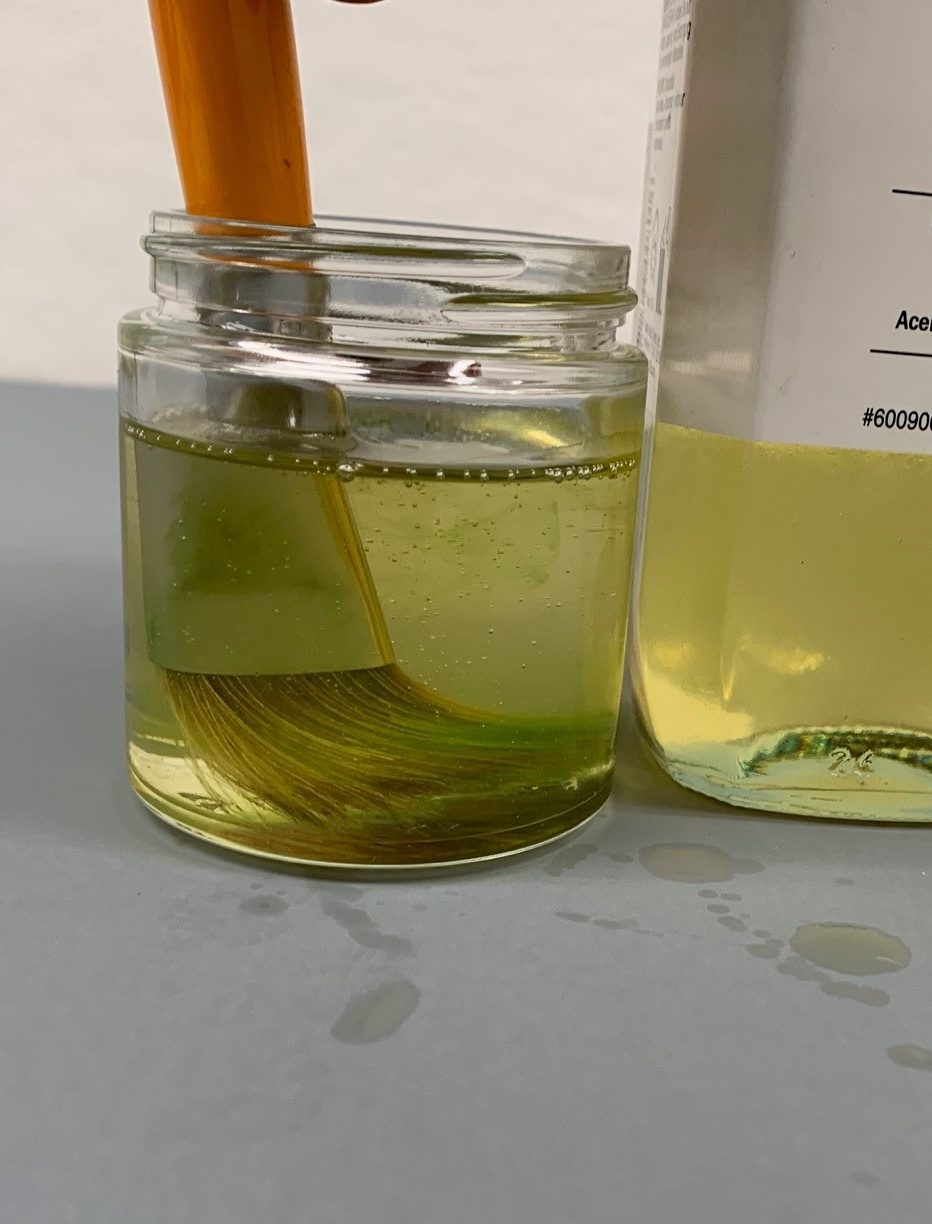
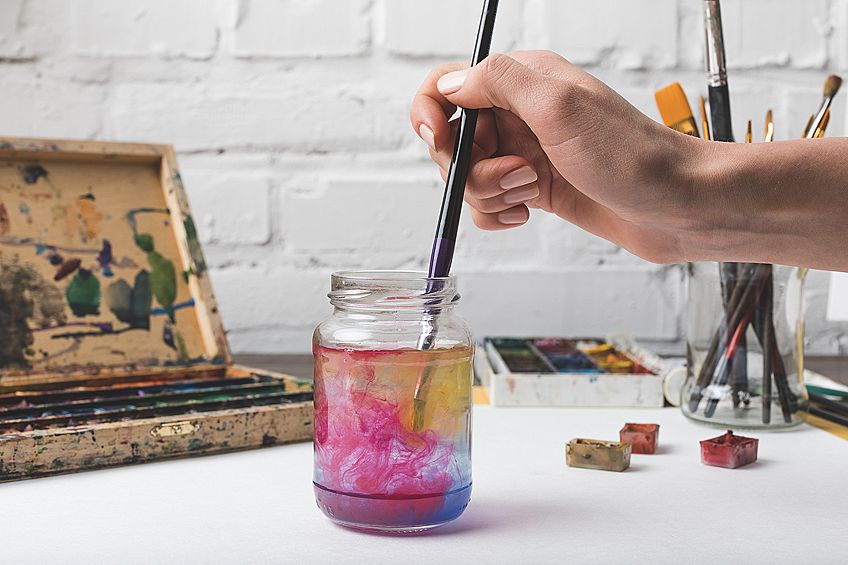
Two-jar solvent. Dip in jar one of odorless mineral spirits. Swirl, wipe on a coil or screen, and blot. Move to jar two for a final rinse. Cap jars when not in use.
-
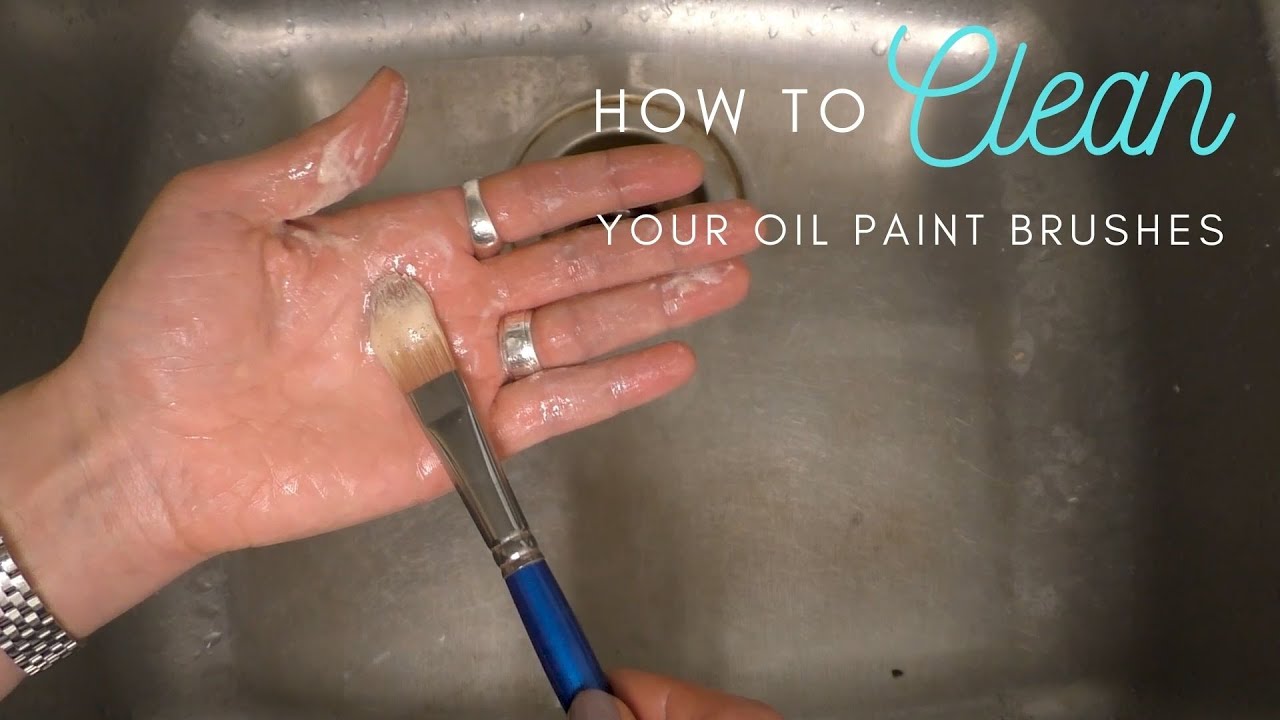
Soap and water. Lather with brush soap under lukewarm water. Never hot water. Work the lather from ferrule down until the suds run clean.
-
Rinse and repeat. Rinse well. If color remains, repeat the soap step. Do not rush this part.
-
Condition and shape. Use a touch of brush soap as a leave-in. Shape the tip with your fingers.
-
Dry flat. Lay the brush flat or bristles down in a holder. Do not store bristles up when wet. Water can wick into the ferrule and loosen glue.
Solvent-free option for home
- Use plant oil to loosen.
- Wash with brush soap and water until clear.
- Condition, shape, and dry flat.
Tip
- Never leave brushes soaking in solvent. It bends hairs and eats glue.
- Avoid acetone and strong cleaners on natural hair. They can strip and snap the tips.
If you wonder what to use to clean oil paint brushes for speed and safety, this simple routine hits both marks.
Safe disposal and studio safety
Good cleaning includes good disposal. Do not pour solvents down the sink. Let solids settle in a closed jar. Decant the clear top back into use. Collect the sludge for a hazardous waste drop-off.
Oily rags can self-heat. Put used rags in a metal can with a tight lid. Some artists add water to the can as an extra step. Follow local rules for disposal. Safety data sheets and municipal guides back this practice.
Ventilate the room. Use a fan and open window if you can. Wear nitrile gloves. Simple steps like these make what to use to clean oil paint brushes safer for daily work.
Troubleshooting and brush rescue
Even careful painters slip. Here is how to fix common issues.
-
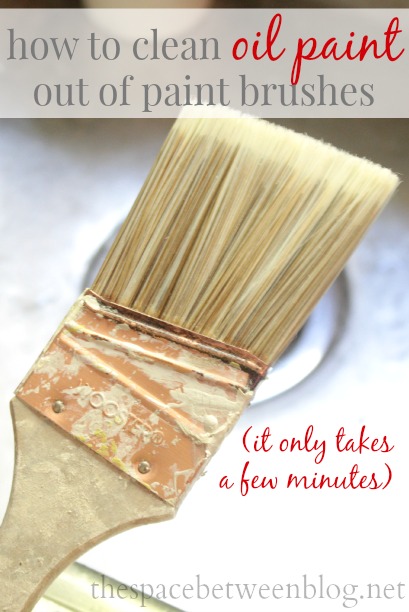
Paint dried near the ferrule. Soak the bristles only in a citrus or soy cleaner. Keep the ferrule out if the cleaner is strong. Comb gently with a brush comb.
-
Splayed tip. Clean well, then reshape with soap. Wrap in a paper sleeve and let dry overnight.
-
Sticky residue after cleaning. You may have skipped the soap step. Wash again with brush soap until squeaky clean.
-
Losing hairs. This can come from hot water or soaking in solvent. Switch to cooler water and keep soak times short.
When asking what to use to clean oil paint brushes that are neglected, try a plant oil softening step first. Then move to a mild restorer. Be patient. Fast fixes can cost you the brush.
Budget and eco-friendly options
You can clean well without harsh fumes or high cost.
- Use plant oil first. It is cheap and gentle.
- Choose artist-grade odorless mineral spirits if you need solvent.
- Reuse solvents by settling in closed jars.
- Pick a solid brush soap that lasts months.
- Switch to water-mixable oils if you want soap-and-water cleanup from the start.
If your goal is what to use to clean oil paint brushes with less odor, the oil plus soap method is great. It is slower than solvent, but it is kinder to you and your tools.

My tested workflow and tips
I paint alla prima and in layers. My brushes see lots of work. Here is what I learned the hard way.
- Keep two solvent jars. The first gets dirty fast. The second stays cleaner and saves soap time.
- Wipe more than you think. A good wipe cuts your cleanup in half.
- Never park a brush in solvent. I ruined a favorite filbert that way. The tip bent and never recovered.
- Label rags and waste. A clean studio is a safe studio.
- Condition natural hair. It keeps a razor edge on sables and mops.
Day to day, what to use to clean oil paint brushes for me is simple. Oil to loosen, OMS to rinse, brush soap to finish. This mix is fast, safe, and repeatable.
Frequently Asked Questions of what to use to clean oil paint brushes
What is the safest thing to use to clean oil paint brushes at home?
Use plant oils like safflower or linseed, followed by brush soap and water. This method is low odor and gentle on bristles.
Can I clean oil paint brushes with dish soap alone?
Yes, but first loosen paint with oil. Dish soap works, yet a dedicated brush soap conditions better and extends brush life.
Is turpentine better than mineral spirits for cleaning?
Turpentine cuts faster but has a stronger odor and irritation risk. Odorless mineral spirits clean well with less smell and suit small studios.
How do I dispose of dirty solvent and oily rags?
Let solids settle in a closed jar and reuse the clear solvent. Take sludge and oily rags to a hazardous waste drop-off and store rags in a sealed metal can.
Will water clean oil paint brushes?
Not by itself. Use oil or solvent first to remove paint, then soap and water to finish.
What should I use if I have sensitive skin or limited ventilation?
Use the oil plus soap method and choose low-odor products. Wear nitrile gloves and keep air moving with a fan or open window.
Can I save a brush with dried oil paint?
Often yes. Soak the bristles in a citrus or soy cleaner, avoid the ferrule, then wash with brush soap and reshape. It may take a few cycles.
Conclusion
Great results start with clean tools. Choose what to use to clean oil paint brushes based on your space, your health needs, and your paint load. Use oil or OMS to loosen, brush soap to finish, and smart storage to protect your investment.
Adopt the simple routine today and watch your colors pop and your brushes last. Want more studio guides and deep dives? Subscribe, share your questions in the comments, and request the next topic you want covered.