Oil dominates easel painting for unmatched versatility, luminous depth, and durability.
If you want a medium that blends like butter, glows like glass, and lasts for ages, oil wins. I have painted, taught, and repaired oil works for years, and I can explain why is oil a dominant medium in easel painting with clear, real-world insight. Keep reading for a deep yet simple look at the tools, science, and habits that make oil the gold standard.

The core reasons oil rules the easel
Oil does almost everything well on an easel. It blends smooth. It holds crisp marks. It lets you glaze thin veils or build thick peaks. It dries slow, so you can push, pull, and fix the work on your terms.
Here is the short list of why is oil a dominant medium in easel painting that I share with new painters:
- Range of looks. Soft skin, bright light, rough bark, glass shine. Oil does all of it.
- Control. Long open time lets you blend, edge, and layer with ease.
- Depth. Glazes stack up and make light bounce through the film.
- Strength. A well built oil film hardens into a tough, stable skin.
- Repair. You can adjust areas days or weeks later without a fight.
In my studio, I can switch from a fast alla prima study to a slow glaze build in one session. That mix of speed and depth is a big part of why is oil a dominant medium in easel painting.
A brief history on the easel
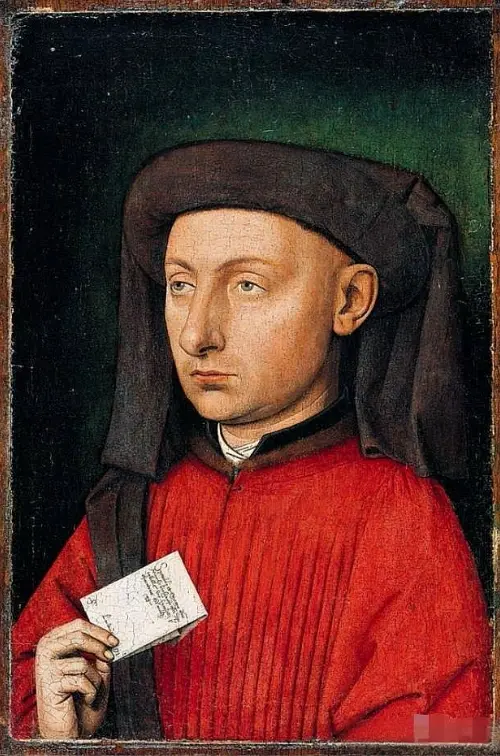
Oil took off in Europe in the 15th century. Early Flemish painters used it for sharp detail and light. Venice made it lush and deep. Think Titian and his glowing reds. Baroque masters pushed impasto and drama. Impressionists went wet-into-wet and painted light outdoors.
Across styles, the easel stayed the stage. The medium grew with better grounds, brushes, and pigments. The record is clear: why is oil a dominant medium in easel painting has roots in both craft and culture. The studio, the tools, and the market all backed oil.
The science behind the magic
Drying oils harden by oxidation. The oil takes in oxygen and crosslinks. That makes a solid film. Linseed oil gives the strongest film. Walnut oil yellows less but is a bit softer. Safflower is pale, yet weaker for underlayers.
The oil’s refractive index is close to many pigments. That helps light pass and bounce back with glow. Oil also wets pigment well. That makes rich mixes and smooth layers. Add the right solvent or gel and you tune flow, gloss, and build. This chemistry is key to why is oil a dominant medium in easel painting.
Visual qualities painters and collectors love
Oil is great at light. Thin glazes act like stained glass. Thick strokes catch highlights. A final varnish pulls the tones together and adds pop.
In portraits, I rely on a thin warm glaze to make skin feel alive. In seascapes, I scumble a cool, dry layer to show spray. That range of looks, from satin to glassy gloss, feeds the eye and answers the question of why is oil a dominant medium in easel painting.

Working properties that fit studio life
Oil meets you where you are. Short session? Work alla prima with a touch of solvent. Long project? Layer lean to fat with patience. You can paint on canvas, linen, or panel. You can use knives, hog bristle, or soft sable.
When I teach, I start students on a limited palette and slow-dry medium. It keeps them from rushing. The paint stays open and kind. That low stress feel is a big reason why is oil a dominant medium in easel painting for both pros and new hands.

Longevity, conservation, and archival strength
Museums show that good oil films can last for centuries. The key is sound layers, stable grounds, and good care. Linseed-based paint forms a strong network. It resists water and modest heat swings. Varnish shields the surface and can be replaced.
Conservators warn about brittle pigments like zinc white in high amounts. They also caution against very lean top layers. Follow fat-over-lean and you boost life. Strong archival performance explains why is oil a dominant medium in easel painting across eras.

Surfaces, grounds, and smart supports
Oil likes a sealed, toothy ground. Acrylic gesso is common and safe. Oil primer is smooth and classic. Canvas is light and lively. Panels are flat and firm. Each choice shifts the feel of the stroke.
For detail, I use fine linen on panel with oil primer. For big skies, I use medium cotton with acrylic gesso. Match the ground to the goal. That pairing power supports why is oil a dominant medium in easel painting.

Cost, access, and the market
Oil can be cost-wise. A few pro tubes last a long time. You can start with titanium white, yellow ochre, ultramarine, and a red. Add a fast-dry alkyd medium if time is tight. Brushes and a simple box easel get you far.
The market also favors oil. Galleries and collectors still link oil to fine art. That demand loops back and funds better paints and tools. This eco-system helps sustain why is oil a dominant medium in easel painting.

Limits, risks, and how to avoid them
Oil is not perfect. Linseed can yellow in dark storage. Zinc white can make layers brittle. Solvents can smell and harm if misused. Oily rags can self-ignite if piled up.
Simple fixes work. Use titanium or lead white instead of zinc for strength. Vent your space. Use odorless mineral spirits or solvent-free gel. Lay oily rags flat to dry in a metal can. Respect these rules and you keep all the gains that show why is oil a dominant medium in easel painting.
Practical tips to get the most from oil
Try this simple plan for a first or next piece:
- Prep the ground. Seal your panel or canvas and let it dry.
- Draw the shapes. Use a thin neutral mix with a touch of solvent.
- Block-in lean. Set big value masses with low oil.
- Rest and assess. Let it set for a day if needed.
- Add form. Work mid tones, edges, and color shifts.
- Enrich with glazes. Use more oil as you go fat-over-lean.
- Finish with accents. Place crisp lights and deep darks.
- Varnish later. Wait a few months, then even the gloss.
A few pro habits from my bench:
- Mix more paint than you think. It keeps color steady.
- Keep edges varied. Hard where you want focus. Soft elsewhere.
- Test mediums on a scrap. Each brand behaves a bit different.
- Log your layers. Date, mix, and medium. Notes help you grow.
These steps make it easy to see why is oil a dominant medium in easel painting once you feel the flow.
Frequently Asked Questions of why is oil a dominant medium in easel painting
Why is oil a dominant medium in easel painting compared to acrylic?
Oil stays wet longer, so blending and subtle edges are easier. It also builds optical depth with glazes that many acrylic setups struggle to match.
Does oil paint really last longer than other media?
With sound layers and care, oil films can endure for centuries. The crosslinked oil network resists moisture and wear better than many waterborne binders.
Is the fat-over-lean rule hard to follow?
No. Start with less oil and add a bit more medium in later layers. Keep top layers more flexible and you prevent cracking.
Can beginners handle oil safely at home?
Yes, with simple steps. Vent the room, use solvent-free gels or low-odor spirits, and dry oily rags flat in a metal can.
What grounds work best under oil?
Acrylic gesso is versatile and easy. Oil primer gives a slick surface for detail but needs longer prep and care.
How do I reduce yellowing in oil paintings?
Use titanium or lead white instead of zinc and avoid very thick raw linseed in top coats. Store works in light, not darkness, to slow reversible yellowing.
Conclusion
Oil dominates easel work because it offers range, depth, control, and lasting strength. It fits quick studies and grand, layered builds. It lets light live inside the paint film, and it rewards careful craft.
If this sparked ideas, pick a small panel and test the steps today. Share what you paint, ask a question, or subscribe for more tips and studio guides.