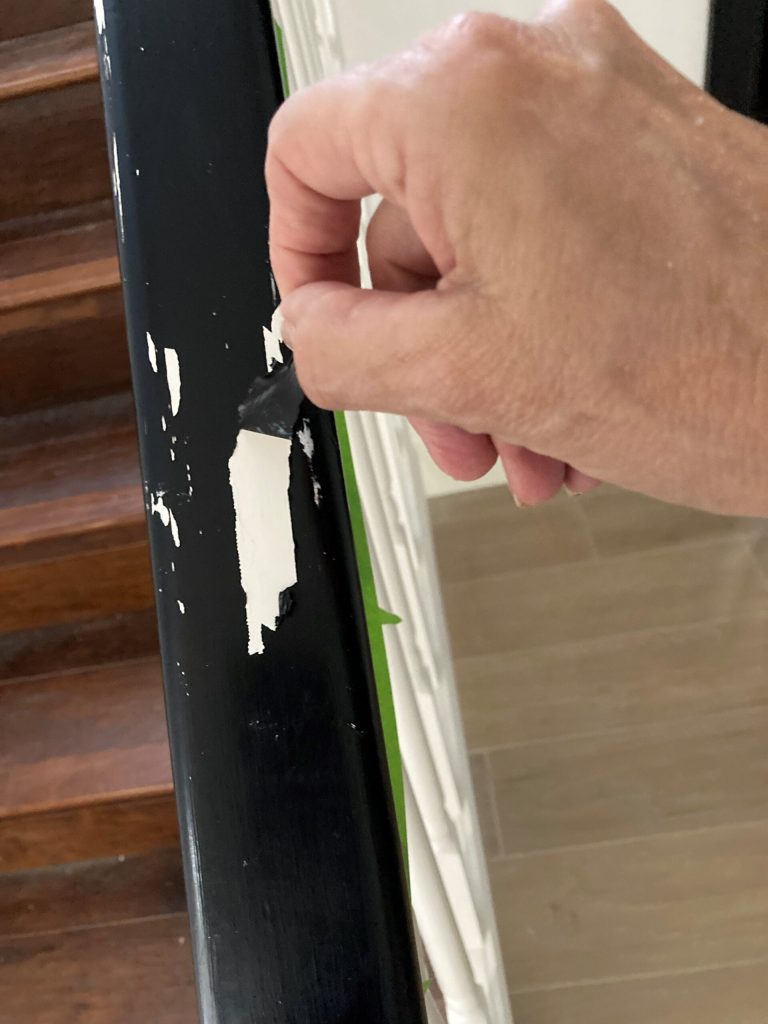
Yes, but only after cleaning, sanding, and priming with a quality bonding primer.
If you have ever asked will latex paint stick to oil based paint, you are not alone. I have painted hundreds of trim boards, doors, and cabinets. The secret is smart prep and the right primer. Keep reading, and I will show you the exact steps, pro tips, and tests that make latex over oil last for years.
How latex bonds to oil-based paint
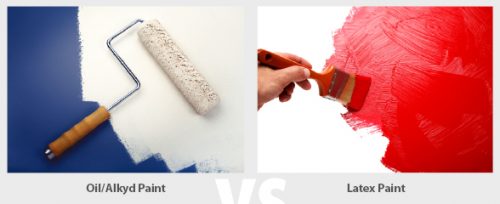
Latex wants a surface it can bite. Oil finishes often cure to a hard, glossy shell. That slick coat blocks latex from grabbing on.
Adhesion comes in two ways. Mechanical grip from a scuffed surface. Chemical bonding from a primer that keys into the old finish. Temperature, humidity, and cure time also matter. When you set those right, latex will hold to oil with no drama.
/can-you-use-latex-paint-over-oil-based-paint-1822386-hero-02-8192cfb87d084acdbfdf3bf3a1aa555d.jpg)
Why latex fails to stick without prep
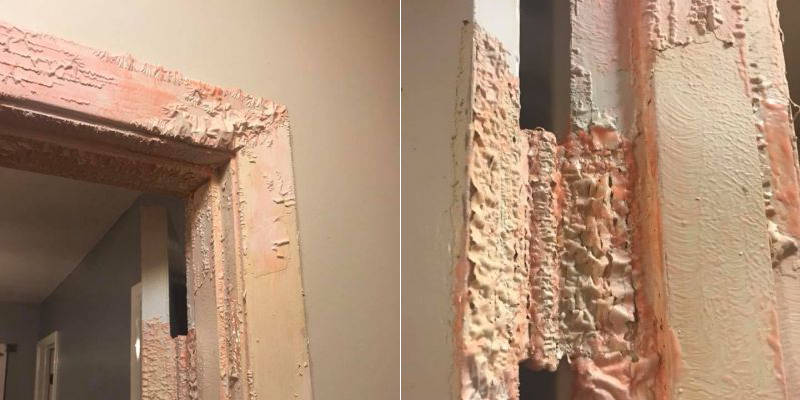
Most failures come back to three things. Gloss, grease, and wrong primer.
Here is what I see on jobs that peel fast:
- Shiny, un-sanded trim that looks clean but is slick.
- Kitchen oils, hand grime, or furniture polish on the surface.
- Chalky or degraded paint that was never stabilized.
- Tannins or dye bleed from wood that stains through.
- Latex painted over oil in a rush, with no bonding primer.
If you skip prep, the first bump or tape pull can lift paint. That is why asking will latex paint stick to oil based paint is smart. The answer depends on how you prepare.

The proven process: latex over oil done right
Follow this sequence. It is simple and it works.
- Identify the existing paint
- Clean a small spot and rub with denatured alcohol on a rag. If color transfers, it is likely latex. If not, it may be oil.
- Old homes may have lead paint. Use safe work practices if the house predates 1978.
- Clean thoroughly
- Wash with a degreaser or TSP substitute. Rinse well and let dry.
- On cabinets and doors, clean twice. Oils hide in corners.
- Scuff sand
- Use 180 to 220 grit. You want a uniform dull sheen.
- Vacuum and tack cloth to remove dust.
- Repair and caulk
- Fill dents and holes. Sand smooth.
- Caulk small gaps where trim meets walls.
- Prime for adhesion and stain block
- Use a bonding primer rated for glossy or hard surfaces.
- Good choices include waterborne bonding primers, alkyd bonding primers, or shellac primers for knots and tough stains.
- Apply one full, even coat. Let it dry per label.
- Test adhesion before topcoat
- Do a quick tape test in a hidden spot. More on this below.
- Paint with a durable latex
- Choose a 100% acrylic latex or waterborne alkyd enamel for trim and doors.
- Apply two thin coats. Respect the recoat window.
- Allow proper cure
- Dry to touch is not a full cure. Avoid heavy use for several days. Full cure can take 14 to 30 days.
If you follow these steps, will latex paint stick to oil based paint becomes a confident yes.
Choosing the right primer and paint
Primer choice makes or breaks adhesion and stain control.
-
Waterborne bonding primer
Excellent for glossy oil and previous varnish. Low odor. Good flexibility. Use when you need grip with easy cleanup. -
Alkyd bonding primer
Great adhesion to hard, slick surfaces. Levels well. Slightly longer dry time. Good for trim and doors. -
Shellac-based primer
Best for stains, odors, and knots. Superb adhesion. Fast dry. Strong odor and more cleanup care.
Topcoats that last:
-
100% acrylic latex
Strong adhesion, colorfast, easy to clean. Great for walls and trim. -
Waterborne alkyd enamel
Looks and feels like oil but cleans with water. Hard, smooth finish for doors and cabinets.
This pairing is why pros answer yes when asked will latex paint stick to oil based paint. The right primer bridges the gap.
:max_bytes(150000):strip_icc()/can-you-use-latex-paint-over-oil-based-paint-1822386-hero-02-8192cfb87d084acdbfdf3bf3a1aa555d.jpg)
Quick tests to confirm adhesion
Simple checks can save a full repaint.
-
Tape test per ASTM style
Score a small grid through the primer. Press high-tack tape and pull fast. If little to no primer lifts, adhesion is good. -
Fingernail scratch
After full dry, press a nail on an inconspicuous spot. A light mark is fine. Peeling or flaking is not. -
Wait times matter
Test primer after the labeled dry time. Test the topcoat after it sets. Cooler, damp rooms need more time.
Use these tests whenever you wonder will latex paint stick to oil based paint on your project.

Safety, ventilation, and cleanup
Prep can release dust and fumes. Keep it safe.
- Ventilate the space and use fans to move air out.
- Wear a dust mask when sanding and gloves when using cleaners or shellac.
- If the home was built before 1978, follow lead-safe rules or hire a certified pro.
- Bag dust and used rags. Store primer and paint away from heat.
Good safety gives you a clean job and a clear head.
:max_bytes(150000):strip_icc()/can-you-use-latex-paint-over-oil-based-paint-1822386-hero-02-8192cfb87d084acdbfdf3bf3a1aa555d.jpg)
Real-world use cases and pro tips
From my own jobs, here is what works best.
-
Trim and doors
A waterborne bonding primer plus two coats of waterborne alkyd enamel. The finish is smooth and hard. It resists scuffs and tape pulls. -
Kitchen cabinets
Degrease twice. Sand well, including profiles. Spot prime problem areas with shellac. Then a bonding primer and a bonded enamel topcoat. Cure for two weeks before heavy use. -
Handrails and banisters
Expect heavy wear. Prime, then use a high-grade enamel. Add extra cure time. -
Previously stained wood
Shellac primer locks in tannins. Then apply your bonding primer if needed, or go right to enamel if the shellac provides adhesion and block.
These moves turn the question will latex paint stick to oil based paint into a repeatable win.

Common mistakes to avoid
I see these slip-ups most often.
- Skipping the clean step before sanding. Grease gets ground in and blocks primer.
- Light, patchy sanding. You need a uniform dull scratch.
- Using a general purpose primer that is not rated for glossy surfaces.
- Recoating too soon. Trapped solvents cause poor adhesion and blocking.
- Painting in cold or humid rooms. Dry times rise and bonding drops.
Avoid these, and your finish will hold.
Troubleshooting peeling, blocking, or stains
If things go wrong, fix the cause first.
-
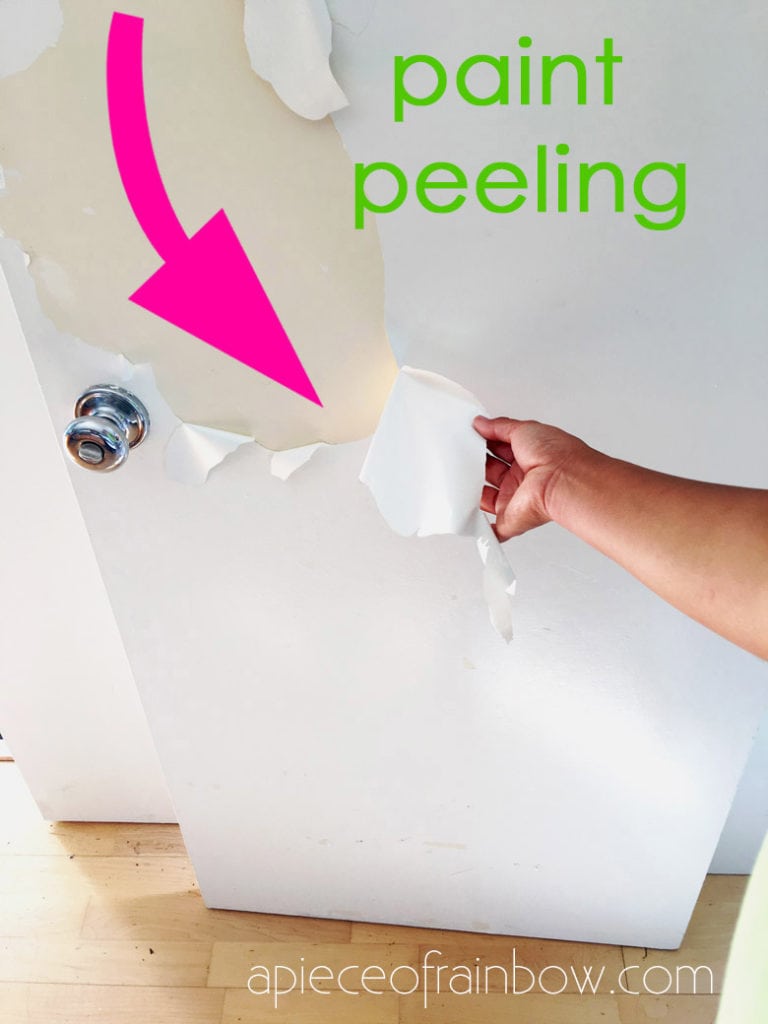
Peeling or flaking
Stop, scrape the loose areas. Sand the edges smooth. Clean, prime with a stronger bonding or shellac primer, and repaint. -
Blocking or sticking doors
Allow more cure time. Sand high rub spots and recoat thin. Keep doors open during cure. -
Tannin or dye bleed
Spot prime stains with shellac. Then recoat with your finish paint.
Use small tests before full fixes. It saves time and paint.
Cost, time, and durability expectations
Set a simple plan and budget.
- Time
Small trim room: one weekend. Cabinets: one to two weeks with cure time. - Cost
Primer and paint for a room’s trim: moderate. Cabinets: higher due to degreasers, primers, and enamels. - Durability
With prep and bonding primer, expect years of service with easy touch-ups. Clean with mild soap and water.
When done right, will latex paint stick to oil based paint for the long haul. Yes.
Frequently Asked Questions of will latex paint stick to oil based paint
How do I know if the old paint is oil or latex?
Rub a small area with alcohol on a cloth. If color comes off, it is likely latex. If it does not, it may be oil.
Can I use deglosser instead of sanding?
Yes, liquid deglosser can help. I still recommend a light scuff sand for a sure grip, then a bonding primer.
What primer should I use before latex over oil?
Use a bonding primer rated for glossy surfaces. Shellac-based primer is best for stains, while waterborne or alkyd bonding primers are great for general adhesion.
How long should I wait between primer and latex topcoat?
Follow the can’s time, usually a few hours. In cool or humid rooms, wait longer to ensure a firm bond.
Will latex paint stick to oil based paint on cabinets?
Yes, with cleaning, sanding, and a bonding or shellac primer. Cabinets take heavy use, so give extra cure time before daily wear.
Can I paint latex over oil without primer?
It is risky. Without primer, latex may peel or chip. A proper bonding primer bridges latex to the old oil surface.
What is the best latex for trim over oil paint?
Choose a 100% acrylic latex or a waterborne alkyd enamel. Both give strong adhesion and a durable, smooth finish.
Conclusion
Latex can stick to oil-based paint and last for years, but only with smart prep and the right primer. Clean, sand, and use a bonding or shellac primer, then top with a quality acrylic or waterborne enamel. Test adhesion, respect dry times, and let the finish cure.
If you are ready to upgrade old oil-painted trim, start small and follow the steps above. Want more guides like this? Subscribe for pro tips, ask a question in the comments, or share your project wins.