
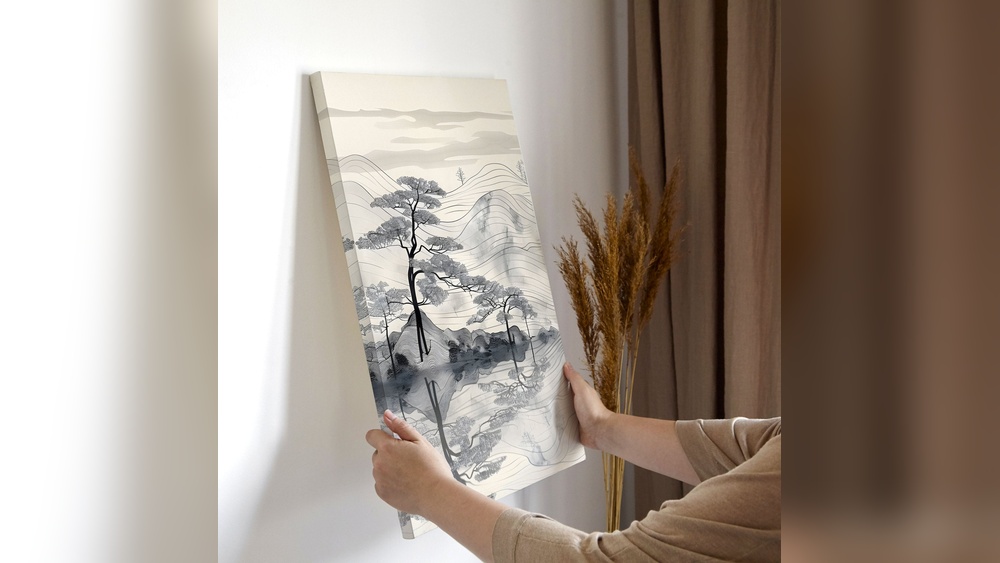
Quick answer: Cool art ideas to paint on canvas include misty layered landscapes, galaxy skies, bold color-field abstracts, textured gesso relief pieces, split-canvas triptychs, palette-knife florals, moody seascapes and graphic silhouettes. The ideas that look most impressive tend to rely on strong value contrast, a limited palette and one clear focal point rather than lots of detail, which makes many of them achievable for beginners on an 11×14 or 16×20 canvas.
“Cool” is doing a lot of work in that search. Nobody wants another tutorial for a flat, clip-art sunflower. What people usually mean is something that looks striking on a wall, feels a little ambitious and still has a realistic chance of turning out well.
Below are 20 cool art ideas to paint on canvas, grouped by the effect they create. Each comes with a rough time estimate, a skill rating and the method that makes it work. There are also notes on scaling ideas up for large canvases and using gesso to build texture before you even open the paint.
What Makes a Canvas Idea Look “Cool”
Before choosing a subject, it helps to know why some paintings grab attention and others do not. Four things do most of the heavy lifting:
- Value contrast. A painting with deep darks next to bright lights reads from across a room. Low-contrast paintings look pleasant up close and vanish at a distance.
- A limited palette. Three or four colors plus white look deliberate. Twelve colors often look accidental.
- Scale and simplicity. One big shape on a large canvas is more dramatic than many small shapes.
- Surface interest. Texture, visible brushwork, drips or metallic accents add something a print cannot.
Landscape subjects happen to tick all four boxes easily, which is why they dominate living room walls. If you want reference for how finished landscape pieces are composed and framed, browsing a curated set of landscape canvas art picks is a useful way to study color and layout before you paint your own.
Cool Easy Painting Ideas for Canvas (Beginner Friendly)
1. Layered Misty Mountains
Time: 1 to 2 hours. Skill: Beginner.
Paint four or five mountain ridges, each one lighter and bluer than the one in front of it. Start with the farthest ridge using a pale blue-gray mixed with lots of white, then add a little more blue and less white for each closer layer. The nearest ridge is almost navy. This trick is called atmospheric perspective, and it creates depth instantly with no drawing skill.
2. Galaxy Sky
Time: 1 hour. Skill: Beginner.
Cover the canvas in black or deep navy. While it is still damp, sponge in clouds of purple, magenta and teal, keeping them soft and irregular. Once dry, flick white paint thinned to an ink consistency off a toothbrush for stars and dot a few larger stars with the tip of a brush handle. A thin glaze of white in a diagonal band suggests the Milky Way.
3. Tape-Resist Geometric Abstract
Time: 1.5 hours plus drying. Skill: Beginner.
Lay painter’s tape across the canvas in random intersecting lines. Fill each section with a different color from a planned palette (try four analogous colors plus one accent). Peel the tape while the final coat is still slightly tacky for the crispest edges.
4. Silhouette Against a Gradient
Time: 1 hour. Skill: Beginner.
Blend a sky from yellow at the horizon through orange and pink to violet. Once dry, paint palm trees, a city skyline, a lone tree or a deer in solid near-black. The extreme contrast between flat black and glowing color is what makes this simple idea look polished.
5. Ombre Ocean Horizon
Time: 1.5 hours. Skill: Beginner.
Divide the canvas at the lower third. Blend the sky from pale peach to light blue, then blend the water from turquoise at the shoreline to deep teal at the horizon. Add a thin white line for breaking surf with a dry brush.
Canvas Art Ideas for Beginners Who Want a Challenge
6. Palette Knife Florals
Time: 2 hours. Skill: Beginner to intermediate.
Instead of brushing petals, press and drag thick paint with a small, trowel-shaped palette knife. Each stroke forms a petal with a ridge of texture. Use heavy-body paint or add a gel medium so the marks hold their shape. Loose bouquets of peonies, poppies or wildflowers suit this method best.
7. Moonlit Lake With Reflections
Time: 2 hours. Skill: Intermediate.
Paint a dark blue sky with a pale moon, a tree line along the far shore and a lake that mirrors both. The trick: reflections are slightly darker than the objects they reflect and broken up with thin horizontal strokes. A soft vertical streak of moonlight on the water ties the composition together.
8. Northern Lights Over Pines
Time: 2 hours. Skill: Intermediate.
Blend green and teal ribbons upward into a dark sky, softening the top edges while keeping the base brighter. Paint pine silhouettes along the bottom with a fan brush or the edge of a flat brush, tapping downward for branches.
9. Abstract Pour-Style Without Pouring
Time: 1.5 hours. Skill: Intermediate.
Mix paint with a fluid medium to a honey-like consistency, then drip and tilt only a portion of the canvas, guiding the flow with a palette knife. This gives a controlled pour effect with far less waste than a full flip-cup pour.
10. Desert Arch or Canyon at Dusk
Time: 2 to 3 hours. Skill: Intermediate.
Warm terracotta, burnt sienna and violet shadows on rock against a cool lavender sky. The temperature contrast between warm rock and cool sky does most of the work.
Gesso Canvas Art Ideas: Texture Before Color
Gesso is usually thought of as a primer, but thick gesso or a gesso and modeling paste mix can sculpt the surface before any color goes on. Once dry, paint glides over the ridges and catches in the grooves.
11. Textured Sea Waves
Spread thick gesso with a palette knife in curling wave shapes across the lower half of the canvas. Let it dry overnight. Paint over with blues and teals, then dry-brush white across the raised crests so they catch the light.
12. Monochrome Relief Abstract
Comb, stamp or scrape patterns into wet gesso using a notched trowel, a fork or bubble wrap. After drying, paint the entire canvas one color, then wipe a darker glaze over it and buff it off the high points. The result reads like carved plaster.
13. Sgraffito Gesso Landscape
Apply gesso thickly and scratch tree trunks, grasses or contour lines into it with the end of a brush. Paint washes of color over the dried surface; pigment pools in the scratched lines and highlights the drawing.
Keep heavy gesso layers to about 1/8 inch or less in one application and let them dry fully, often 24 hours, before painting. Very thick applications can crack as they dry.
DIY Large Canvas Art Ideas for Beginners
Large canvases (24×36 inches and up) feel daunting, but some ideas actually get easier with size because broad gestures replace fiddly detail.
14. Oversized Color-Field Painting
Two or three soft-edged rectangles of related color stacked vertically. Use a 3-inch house-painting brush or a foam roller for the large areas and blend edges with a dry brush. This style is forgiving and suits modern interiors.
15. Split-Canvas Triptych
Line up three canvases side by side and paint one continuous landscape across all of them. Tape them together on the back while painting so the horizon lines match, then separate them to hang with a 2-inch gap. A sibling guide comparing two popular value canvas brands is helpful if you need to buy several matching canvases at once.
16. Giant Botanical Leaf
One monstera or banana leaf filling the whole canvas, painted in three greens with crisp highlights. The scale makes a simple subject feel bold.
17. Brushstroke Abstract
Load a wide brush with two colors at once and make a few confident, sweeping strokes across a light background. Fewer strokes look more intentional. Practice the gesture on newspaper first.
Canvas Panel Ideas for Quick Studies
Small canvas panels (5×7 to 8×10 inches) are ideal for trying ideas before committing to a big canvas.
- 18. Daily cloud studies: paint the sky out your window every day for a week, one panel per day.
- 19. Mini series of one subject: the same barn or tree painted in four different color schemes, then hung as a grid.
- 20. Color swatch art: a grid of painted squares mixing each tube with every other, which doubles as a reference chart and a graphic wall piece.
Painting on Canvas Ideas by Room and Mood
| Room or mood | Ideas that fit | Suggested palette |
|---|---|---|
| Calm bedroom | Misty mountains, ombre ocean, color-field | Soft blues, grays, muted green |
| Bold living room | Brushstroke abstract, desert canyon, triptych | Terracotta, navy, ochre, black |
| Kitchen or dining | Palette knife florals, botanical leaf | Sage, cream, warm coral |
| Office | Geometric tape abstract, relief monochrome | Charcoal, white, one accent color |
| Kids’ room | Galaxy sky, northern lights | Purple, teal, bright white accents |
Supplies That Make These Ideas Easier
- Heavy-body acrylic for texture ideas; fluid acrylic or a flow medium for pours and smooth gradients.
- Gesso and modeling paste for relief work.
- A set of palette knives in at least two shapes.
- Painter’s tape in 1-inch and 2-inch widths.
- Wide flat brushes (1 to 3 inches) for large canvases, plus a small round for details.
- A spray bottle and a stay-wet palette to slow drying in warm rooms.
How to Use Canvas Art Once It Is Finished
A finished canvas needs a little more than a nail. Let it dry fully (thick texture can take days), then varnish to unify the sheen and protect against dust. Paint the edges a solid color, continue the image around them or add a floater frame for a gallery look. Hang the center of the painting around 57 to 60 inches from the floor, a common gallery guideline, and group smaller panels with equal spacing.
How to Frame a Canvas Art Piece
Stretched canvases are usually framed without glass. A floater frame leaves a small gap around the canvas so it appears to hover; a traditional frame holds the canvas from the front with a rabbet. Canvas panels can slip into a standard photo frame of the same size. Secure stretched canvas with offset clips rather than nails through the bars.
Common Mistakes That Make Canvas Art Look Amateur
- Centering everything. Placing the horizon and subject dead center feels static. Try the rule of thirds.
- Using every color you own. Pick a palette before you start and stick to it.
- Leaving white canvas edges. Unpainted, stapled edges distract on an unframed piece.
- Too much detail everywhere. Keep detail near the focal point and let other areas stay loose.
- Skipping varnish. Unvarnished acrylic can look patchy, with shiny and matte areas side by side.
FAQs
What are cool easy painting ideas for canvas?
Misty layered mountains, galaxy skies, tape-resist geometric abstracts and silhouettes against gradient skies are cool, easy options. They rely on color and contrast rather than drawing, and most take one to two hours.
What are good canvas art ideas for beginners?
Beginners do well with subjects built from large shapes: ombre seascapes, simple mountain ranges, color-field abstracts and single botanical leaves. Limit the palette to three or four colors plus white to keep mixes clean.
Can you make art with just gesso on canvas?
Yes. Thick gesso can be spread, combed and scratched into relief textures. Once dry, the surface can stay white as a sculptural piece or be painted and glazed so color highlights the texture.
What should I paint on a large canvas as a beginner?
Choose ideas that rely on broad gestures, such as color-field abstracts, brushstroke abstracts, oversized leaves or a simple horizon landscape. Use wide brushes or rollers so you can cover the area evenly without fatigue.
Is cheap canvas art supply good enough for practice?
For practice, budget canvases and panels are usually fine, especially with an extra coat of gesso. For finished pieces you plan to hang, a sturdier stretcher and better priming help the painting stay taut and look cleaner.
How do I make my canvas painting look professional?
Plan a limited palette, push value contrast, keep detail near one focal point, paint or frame the edges and finish with varnish. Those steps matter more than the subject itself.
Final Thoughts
The coolest canvas paintings are rarely the most complicated ones. They are the ones with a clear idea, strong contrast and a confident finish. Start with one of the beginner landscapes above, then move into texture and large formats as your control improves. If you want more inspiration for color and composition, study our selection of standout landscape canvas pieces and borrow what works for your next painting.


One Comment