
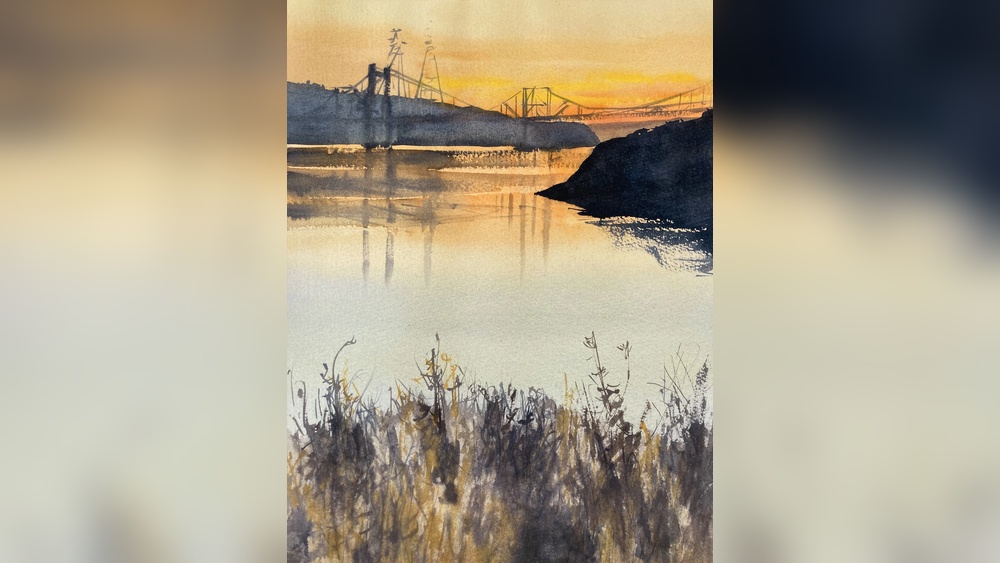
Quick answer: A limited palette for painting uses three to five colors plus white (or water, for watercolor). To set one up, choose a combination that can reach a light, a dark and each primary direction, such as yellow ochre, a red, ultramarine and white. Place the colors along one edge of the palette with white at the end, then paint a quick mixing chart before you start so you know the full range your colors can produce.
Restricting yourself to a few tubes sounds like a handicap. In practice, a limited palette for painting does the opposite: it forces every mix to share the same parent pigments, which gives the finished picture a natural color harmony that is hard to fake with a full set. It also makes mixing faster to learn, because there are only a handful of relationships to master.
Below you’ll find the most useful limited combinations, how to arrange them, how to test them, and how to adapt the idea to watercolor. A small, well-designed palette suits this approach perfectly; our roundup of the best small palettes for detail painting lists surfaces sized for a handful of colors.
Why Painters Use a Limited Palette
- Automatic harmony. Every color in the painting contains some of the same few pigments, so nothing looks pasted in.
- Better value control. With fewer hues to think about, attention moves to light and dark, which carry most of a painting’s structure.
- Faster decisions. You stop hunting for the “right tube” and start mixing what you see.
- Lower cost and lighter kit. Four tubes travel more easily than twenty, which is one reason plein air painters favor limited sets.
- Practice in color relationships. Painters learn that a gray next to orange reads as blue, which teaches more about color than any chart.
The trade-off is chroma. A limited palette usually can’t reach every saturated hue. A vivid violet or a pure turquoise may be out of range. That limit is often part of the appeal, but it’s worth knowing before you choose a combination for a subject full of bright flowers.
Five Proven Limited Palettes
Each combination below is widely taught. Pick one based on the subject and the mood you want.
| Palette | Colors (plus white) | Strengths | Weak spots | Good for |
|---|---|---|---|---|
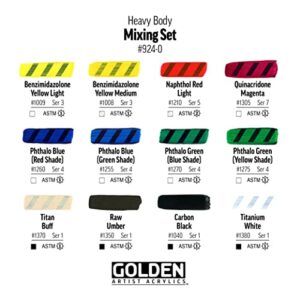
| Primary triad | Hansa yellow, quinacridone magenta or pyrrole red, phthalo or ultramarine blue | Wide hue range, bright mixes | Strong pigments can overpower each other | Still life, florals, general practice |
| Earth triad | Yellow ochre, burnt sienna or red oxide, ultramarine | Natural, cohesive, easy to control | Low saturation | Landscapes, portraits, tonal studies |
| Zorn-style | Yellow ochre, cadmium red light, ivory black | Beautiful skin tones, warm-cool contrast | No true blues or greens | Portraits, figures, interiors |
| Split complementary | Ultramarine, cadmium orange, burnt umber | Strong light/shadow temperature shift | Limited reds and yellows | Seascapes, snow, sunsets |
| Four-color “expanded” triad | Cadmium yellow, cadmium red, ultramarine, burnt sienna | Brights plus quick neutrals | Weak clean greens | Plein air, urban scenes |
How to choose between them
Ask what the painting needs most. If it needs saturated color, start with the primary triad. If it needs mood and unity, start with an earth triad. If it is a portrait, the Zorn-style combination gives believable flesh with almost no effort. If your subject is defined by warm light and cool shadow, the split complementary approach makes that contrast almost automatic.
How to Set Up a Limited Palette, Step by Step
- Clear the palette completely. Old mixes from a full palette will sneak extra hues into your limited work.
- Place colors along one edge only. With three to four colors you can space them 2–3 inches apart along the top edge. That leaves an unusually large mixing area, which is one of the hidden benefits.
- Order them by value. Lightest at one end, darkest at the other, for example white, yellow ochre, red, blue. This puts white next to the lightest color, so tints stay clean.
- Squeeze generously. Because each color appears in almost every mix, you’ll use more of each than usual. Put out roughly twice as much white as any other single color.
- Premix a neutral. Mix your red and blue (or blue and earth) into a dark neutral and place it next to the colors. You’ll use it constantly for shadows.
- Mix a value string. Tint that neutral with white in four or five steps, from near-white to near-black. This ladder gives you ready values for blocking in.
Test It with a Mixing Chart
A mixing chart takes 20–30 minutes and saves hours of guessing. On a sheet of canvas paper or watercolor paper:
- Draw a grid with one row and one column for each color.
- Fill the diagonal with pure color.
- Fill each other square with an even mix of its row and column colors.
- Below each square, add a tint (with white) and, if space allows, a version with a touch of the third color.
With three colors the chart is tiny, which is the point: you’ll see every possible secondary at a glance, and you’ll learn which mixes go dull. That knowledge is what lets you paint quickly later.
What to look for
- Your best “green.” Yellow ochre plus black or ultramarine gives olive greens; hansa yellow plus phthalo blue gives vivid ones.
- Your darkest dark. Usually red plus blue, or blue plus burnt sienna.
- Your most neutral gray. Find the ratio of complements that cancels color, then tint it.
- Dominant pigments. Phthalos and quinacridones are very strong; you’ll need only a speck to shift a mix.
How to Set Up a Watercolor Limited Palette
The same logic applies to watercolor, except white comes from the paper, so value is controlled by water rather than white paint.
- Choose three colors that span warm and cool. A widely used set is a transparent yellow, a rose or magenta, and ultramarine or phthalo blue.
- Squeeze each into a large well, leaving at least one wide mixing area beside each one.
- Keep a fourth well for burnt sienna if you paint landscapes; it gives quick, granulating neutrals with ultramarine.
- Paint a quick wash strip of each color from full strength to very pale to see how transparent and how staining each one is.
The best watercolor limited palette combinations
There is no single best set; it depends on subject. Popular choices include:
- Clean primary: lemon yellow, permanent rose, phthalo blue. Bright, clean, slightly synthetic-looking unless toned down.
- Landscape trio: raw sienna or yellow ochre, burnt sienna, ultramarine. Earthy greens and lovely granulating skies.
- Warm portrait trio: yellow ochre, light red or a warm red oxide, cobalt blue. Soft, believable skin tones.
Look for single-pigment paints where possible. Convenience mixes contain two or three pigments each, and combining them in a limited palette can turn mixes muddy faster.
Painting with a Limited Palette: Practical Tips
- Judge color by neighbor. A mixed gray placed beside a warm orange will read as blue. Use that effect instead of fighting it.
- Save your purest color for focal points. Straight-from-the-tube color has the most impact when it appears in only a few places.
- Keep mixes in families. Mix all the warm lights in one area and all the cool shadows in another.
- Use temperature, not saturation, for contrast. Warm light against cool shadow carries depth even when chroma is low.
- Clean often. With few colors, a single contaminated pile affects everything. Wipe the knife between colors.
Tips by skill level
- Beginners: start with an earth triad. Its colors are forgiving, rarely garish and hard to overmix into neon. Focus on getting three clear values: light, middle and dark.
- Intermediate painters: move to a primary triad and practice neutralizing bright mixes with their complements instead of reaching for black or brown.
- Advanced painters: try painting the same subject with two different limited palettes side by side. Comparing them shows how much mood comes from the palette choice alone.
At every level, keep notes on the back of each painting listing the colors used. Over time those notes become a personal reference for which combinations suit which subjects.
Limited palettes on a wet palette
Acrylic painters can keep a limited set and its premixed value string usable for several days on a stay-wet palette. If you’re deciding between models, our Masterson vs Mijello wet palette comparison covers size, sponge and lid differences. For the basics of how the system works, see our wet palette guide.
Matching a Limited Palette to the Subject
The same three or four tubes can feel very different depending on what you paint. A few pairings that tend to work well:
| Subject | Suggested limited palette | Why it fits |
|---|---|---|
| Foggy morning landscape | Yellow ochre, burnt sienna, ultramarine, white | Soft, low-chroma grays and greens match the atmosphere |
| Bright fruit still life | Hansa yellow, pyrrole red, phthalo blue, white | Reaches saturated oranges, reds and greens |
| Snow scene | Ultramarine, cadmium orange, burnt umber, white | Cool blue shadows and warm orange light do the work |
| Head study | Yellow ochre, cadmium red light, ivory black, white | Natural skin range with cool half-tones from black and white |
| City street at dusk | Cadmium yellow, cadmium red, ultramarine, burnt sienna, white | Warm window light against cool, neutral shadows |
If a subject needs one color your palette can’t reach, it’s acceptable to add a single accent tube and use it sparingly. The harmony comes from the base colors, which still make up most of the painting.
Common Limited-Palette Mistakes
- Choosing three colors that all lean the same way. A warm yellow, warm red and warm blue (ultramarine) gives lovely oranges but muddy greens. Balance warm and cool.
- Not enough white. Running out of white halfway through a passage changes every mix.
- Adding a fourth tube to “fix” a mix. Reach for the mixing chart first; the color is often there.
- Expecting full saturation. If the subject depends on a vivid purple or turquoise, choose a different combination for that painting.
- Skipping value planning. A limited palette won’t rescue weak value structure.
A One-Week Limited Palette Practice Plan
- Day 1: Paint the mixing chart for an earth triad.
- Day 2: Paint a simple still life (an apple and a cup) using only that triad.
- Day 3: Make a mixing chart for a primary triad.
- Day 4: Paint the same still life with the primary triad and compare the mood.
- Day 5: Try a Zorn-style palette on a quick self-portrait or a photo portrait.
- Day 6: Paint a small landscape with a split complementary set.
- Day 7: Choose your favorite and repeat one of the week’s paintings.
By the end of the week you’ll know which palette fits how you see, and you’ll have charts to refer back to.
FAQs
What is a limited palette in painting?
It’s a deliberate restriction to a few colors, typically three to five plus white. Every mix comes from the same small group of pigments, which builds color harmony and sharpens value and temperature control.
What are the three colors in a basic limited palette?
The most common are a yellow, a red and a blue. An earth version swaps in yellow ochre and burnt sienna or red oxide for softer, more natural color. The exact choices depend on whether you want brightness or unity.
How do you set up a watercolor palette with limited colors?
Put three single-pigment colors, one leaning warm and others cool, into large wells with generous mixing space beside each. Control value with water instead of white, and paint a short gradient strip of each to learn its strength and transparency.
Is a limited palette good for beginners?
Yes. It teaches color mixing faster than a large set and keeps paintings from looking chaotic. Many teachers start students with three primaries and white for exactly that reason.
Can you paint green with a limited palette?
Usually, yes. Yellow plus blue gives greens, and yellow ochre with black gives muted olive greens in the Zorn-style approach. How vivid the green is depends on the specific yellow and blue you choose.
Do I need black in a limited palette?
Not always. Many limited palettes mix their darks from blue and red or blue and burnt sienna. Black is essential to the Zorn-style palette, where it doubles as a cool, bluish color when mixed with white.
Final Thoughts
Start with one combination, run a mixing chart, and paint with it long enough to learn its quirks. The constraints will push you toward value and temperature, the two things that make a painting read. A palette with a roomy mixing area and only a few wells suits this work well, and you can compare options in our guide to compact palettes that keep mixes clean.


One Comment