
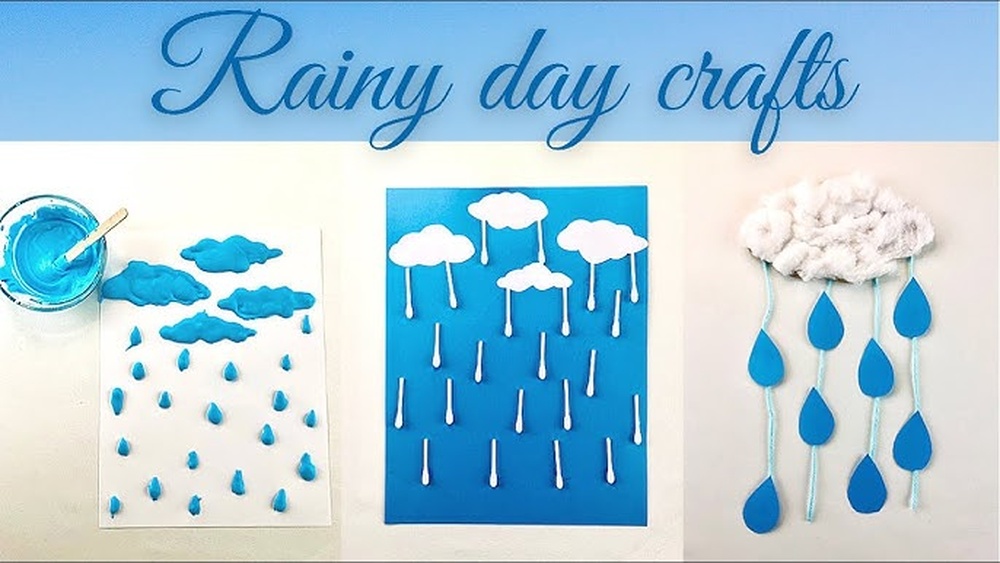
Quick answer: Good painting ideas for a rainy day at home include painting the rain itself with wet-on-wet watercolor, salt and string-pull effects, window-view paintings, cozy still lifes of mugs and plants, puddle-reflection scenes, and process art like blow painting or straw painting. For toddlers, try mess-contained options such as painting with water on a chalkboard, paint-in-a-bag, or washable finger painting on a large sheet. Most need only paper, a few colors and household items.
Rain changes the light in a room, slows the day down, and gives you a reason to stay at the kitchen table for an hour with no plans. That combination is ideal for painting. The best rainy day projects lean into the weather: they use water, blur, reflections and gray light, or they create something warm and bright to contrast with the window.
This list is organized by who is painting, from toddlers to adults, with materials you probably already have. If you have very young children at home, our collection of rainy day crafts for 2 year olds adds more indoor activities designed for that age.
Set Up a Rainy Day Painting Station
Ten minutes of setup prevents most of the mess and keeps everyone painting longer.
- Cover the table with an old shower curtain, a vinyl tablecloth or flattened cardboard.
- Use two water jars per person: one for rinsing and one for clean water. Colors stay brighter.
- Keep paper towels and a damp cloth within reach.
- Set out only a few colors. Three to five colors produce cleaner results than a full set, especially with kids.
- Work near a window. Overcast light is soft and even, which is surprisingly good for judging color.
Home paint palette ideas
No palette? A dinner plate, a muffin tin, an ice cube tray, egg cartons, plastic lids from takeout containers or a sheet of aluminum foil on a baking tray all work. Muffin tins and ice cube trays are especially good for kids, because each color gets its own well and is hard to tip over. A ceramic plate is ideal for watercolor because the paint beads and mixes well on the glazed surface.
Painting Ideas for Toddlers and Preschoolers
For the youngest painters, the process is the point. Choose washable, non-toxic paints and expect to supervise closely.
1. Water painting on a chalkboard or sidewalk-chalk paper
Give a toddler a cup of water and a big brush and let them “paint” a chalkboard, a dark paper, or an outdoor-chalk drawing taped to the table. The marks disappear as they dry, which means no mess and endless repeats.
2. Paint in a bag
Squeeze a few blobs of washable paint into a zip-top freezer bag, seal it, reinforce the seal with tape, and tape the bag to the table or a window. Little fingers squish and mix the colors with zero cleanup. On a rainy window, it doubles as a sensory light display.
3. Raindrop dot painting with cotton swabs
Draw a simple cloud on paper and let your child dot “raindrops” underneath with cotton swabs dipped in blue paint. It practices fine motor control and stays tidy.
4. Finger painting a rainy day scene
Tape a large sheet of paper to the table. Offer blue, gray and one bright color for an umbrella or rain boots. Finger painting is messy, so keep wipes and a washcloth ready.
5. Bubble wrap puddles
Dab paint onto bubble wrap and press it onto paper for a puddle-like texture. Older toddlers can stomp a painted bubble wrap “rain boot” print by wrapping it around their hand.
Painting Ideas for Kids (Ages 5 to 12)
6. Salt watercolor rain
Paint a sky in blues and purples with plenty of water, then sprinkle table or coarse salt onto the wet paint. As the salt absorbs water, it pulls pigment into star-like speckles that look like rain or snow. Brush off the salt once completely dry.
7. Straw-blown storm clouds
Drop thinned gray and blue paint onto paper and blow it around with a straw to create wild, branching storm shapes. Add a lightning bolt in yellow afterward.
8. Crayon resist raindrops
Draw raindrops, an umbrella or a window frame with a white crayon, then paint over the page with watercolor. The wax resists the paint, revealing the drawing. It feels like magic to younger kids.
9. Umbrella collage painting
Paint several sheets in bright patterns: stripes, dots, zigzags. When dry, cut them into umbrella shapes and glue them onto a gray, rain-streaked background.
10. Rain boot portraits
Each family member designs and paints their dream pair of rain boots. It is a fun way to talk about pattern and color.
Painting Ideas for Teens and Adults
11. The view from your window
Paint exactly what you see through a rainy window. Blur the outside world with wet-on-wet watercolor or soft acrylic glazes, then paint a few sharp raindrops on the “glass” with highlights and small shadows. The contrast between blurry background and crisp drops is what sells it.
12. Puddle reflections on a street
Rainy streets are full of reflections: streetlights, signs and buildings stretched downward in puddles. Paint the scene in muted grays, then add bright vertical streaks under each light source.
13. Cozy still life
A steaming mug, a blanket, a book and a plant on the windowsill. Rainy light is soft and directional, which makes still lifes look naturally atmospheric. A limited palette of warm browns, cream and one accent color keeps it cohesive.
14. Wet-on-wet watercolor sky
Wet the paper evenly with clean water, then drop in grays, blues and a hint of purple. Tilt the paper to let colors run downward like rain. This is one of the best exercises for learning how watercolor moves.
15. String-pull abstract
Dip a piece of cotton string in paint, lay it on half a sheet of paper in a loose shape, fold the paper over, and pull the string out while pressing down. The result is a symmetrical, feathery design.
16. Moody abstract color study
Use only the colors you see outside: gray-greens, slate blues, damp browns. Paint a series of small abstract rectangles. It is a relaxing way to train your eye for subtle color.
Quick Comparison: Which Rainy Day Project to Pick
| Project | Best age | Mess level | Time | Supplies |
|---|---|---|---|---|
| Water painting on chalkboard | 1 to 3 | Very low | 15 to 30 min | Water, brush, chalkboard |
| Paint in a bag | 1 to 3 | Very low | 15 min | Zip bag, washable paint, tape |
| Salt watercolor | 4+ | Low | 30 min plus drying | Watercolor, salt |
| Crayon resist | 4+ | Low | 30 min | White crayon, watercolor |
| Straw-blown clouds | 5+ | Medium | 20 min | Thinned paint, straws |
| Window view painting | 12+ | Low | 1 to 2 hours | Watercolor or acrylic |
| Cozy still life | Teens, adults | Low | 1 to 3 hours | Any paint |
How to Paint Realistic Raindrops on Glass
This small skill makes window paintings look impressive. It works with acrylic, gouache or watercolor.
- Paint the blurred background first and let it dry completely.
- Draw drop shapes lightly: rounded at the bottom, sometimes with a short tail above where the drop has run.
- Darken the top of each drop slightly with a darker version of the background color. Water acts like a lens and flips the image, so the dark area sits at the top.
- Lighten the bottom of each drop with a lighter version of the background.
- Add a small shadow just below and to one side of each drop on the “glass.”
- Finish with a tiny white highlight near the top, on the side facing the light.
Vary the drop sizes and cluster a few together. Uniform drops in a grid look artificial.
Using Household Items as Painting Tools
- Forks: Drag through wet paint for grass or fur texture.
- Toilet paper tubes: Stamp circles or pinch into heart and petal shapes.
- Old toothbrushes: Flick for a fine speckle that looks like drizzle.
- Cotton swabs: Neat dots and small details.
- Kitchen sponges: Cut into shapes for stamping clouds or umbrellas.
- Leaves from a houseplant: Press painted leaves onto paper for prints (rinse and dry the plant leaf afterward).
Tips for a Calm, Low-Mess Afternoon
- Dress for paint. Old T-shirts make good smocks.
- Give each child their own tray. A rimmed baking sheet contains drips and defines a work area.
- Prepare a drying spot before you start, such as a cleared counter or a clothesline with clips.
- Plan a cleanup song or timer. It turns cleanup into part of the activity for younger kids.
- Display the results. Taping finished paintings to a window on a rainy day makes a cheerful mini gallery.
Plan the Afternoon by Time Available
Rainy days rarely come with a fixed schedule, so it helps to match the project to the time you actually have before the weather clears or dinner needs making.
- 15 minutes: Paint in a bag for toddlers, or a single wet-on-wet sky for an adult. Both need almost no setup or cleanup.
- 30 to 45 minutes: Crayon resist, salt watercolor or straw-blown clouds. Add drying time at the end, ideally while you clean up.
- One to two hours: A window-view painting, a cozy still life or an umbrella collage that combines painting, cutting and gluing.
- A whole afternoon: A themed “rainy day gallery.” Everyone makes three small paintings on the same subject, such as clouds, puddles and umbrellas, then you hang them together.
Breaking a longer session into short projects keeps younger children engaged. Older kids and adults often prefer one deeper piece with a hot drink nearby.
Turn Rainy Day Paintings Into Keepsakes
Finished paintings tend to disappear into a drawer. A few simple ideas give them a second life.
- Greeting cards: Cut small watercolor pieces to size and glue them onto folded card stock.
- Gift wrap: Large finger paintings and sponge-stamped sheets make cheerful wrapping paper.
- Bookmarks: Cut long strips from abstract or salt-texture paintings and laminate them with clear packing tape.
- A weather journal: Date each rainy day painting and keep them in a folder. Over a year, it becomes a visual record of the seasons.
- Photograph and print: Snap a photo of a favorite piece and print it as a postcard to mail to relatives.
FAQs
What can I paint on a rainy day if I have no ideas?
Paint what is in front of you: the rainy view from a window, a mug on the table, or an abstract using only the colors outside. Weather-inspired projects like salt watercolor or wet-on-wet skies are also easy starting points.
What are easy painting activities for toddlers indoors?
Water painting on a chalkboard, paint in a sealed bag, cotton swab dot painting and finger painting with washable paint are all simple, low-risk activities for toddlers with close supervision.
How do I paint rain with watercolor?
Wet the paper, drop in gray and blue paint, and tilt the paper so colors run downward. Sprinkle salt into wet areas for speckled rain, or lift thin diagonal lines with a damp brush once the wash is nearly dry.
What supplies do I need for rainy day painting at home?
Paper, a few colors of washable paint or watercolor, brushes, water jars and a covered table are enough. Household items like sponges, straws, cotton swabs, salt and bubble wrap expand what you can make.
How can I keep painting mess under control with kids?
Cover the table, use trays for each child, offer small amounts of paint at a time and keep wipes ready. Mess-free options like paint in a bag work well for the youngest children.
What can I use as a paint palette at home?
A ceramic plate, muffin tin, ice cube tray, egg carton or plastic lid all make good palettes. Muffin tins and ice cube trays are especially useful for kids because each color stays separate.
Final Thoughts
Rainy days are made for slow, hands-on projects, and painting is one of the easiest to set up. Pick a project that suits the age and patience of everyone at the table, keep the colors limited, and lean into the weather with blurry skies and raindrops. If you are entertaining the very youngest members of the family, our guide to indoor craft activities for toddlers has more simple, age-appropriate ideas to fill the rest of the afternoon.




