
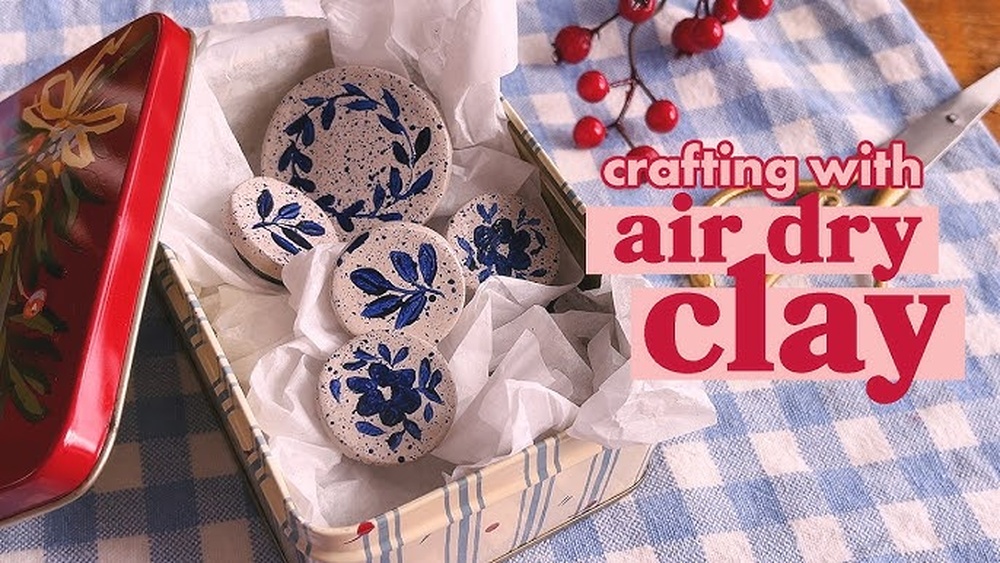
Quick answer: To paint air dry clay crafts, let the piece dry completely (usually 24 to 72 hours depending on thickness), sand rough spots, and seal or prime it with a thin coat of gesso or diluted PVA glue so paint goes on evenly. Paint with acrylic in thin layers, letting each dry for 15 to 30 minutes, then finish with two coats of clear acrylic varnish or sealer. Air dry clay is not waterproof, so the varnish is what protects the paint and the clay.
Air dry clay is one of the easiest ways to make small sculptures, trinket dishes, ornaments and beads without a kiln. The painting stage is where many projects either come alive or go wrong: paint can crack, soak in unevenly, or rewet the clay surface and turn it gummy. Most of those problems come from painting too early or skipping a primer.
This guide explains how to paint air dry clay from drying to sealing, which paints work, whether gesso is needed, drying times, and how to fix cracks and sticky finishes. For paint picks matched to clay crafts, see our guide to the paints that work best on air dry clay.
How Air Dry Clay Behaves
Understanding the material makes painting easier:
- It dries by evaporation. No firing means it hardens as water leaves it. It stays porous and slightly fragile.
- It is not waterproof. Water can soften the surface again, even after drying. Wet paint on unsealed clay can reactivate a thin surface layer.
- It shrinks slightly as it dries. This can cause small cracks, especially in thick pieces or joins.
- It is absorbent. Unsealed clay soaks up paint, which can make colors patchy and require extra coats.
There are different types of air dry clay: earthenware-style clay, paper-based or lightweight clay, and polymer-blend clays. Paper-based clays are lighter and more flexible; earthenware-style clays feel more like ceramic. All can be painted with acrylics, though absorbency varies by brand.
Supplies
- Fully dried air dry clay piece
- Fine sandpaper (220 to 400 grit) or a sanding sponge, and a soft brush for dust
- Primer: white acrylic gesso, or PVA glue diluted roughly half and half with water
- Acrylic paint (craft or artist grade); paint pens for details
- Brushes: small flat, small round, fine liner, and a soft wide brush for sealer
- Palette, water cup, paper towels
- Clear acrylic varnish or sealer (matte, satin or gloss); brush-on or spray
- Optional: metallic paint, gilding wax, mod podge, resin for a glassy finish
How Long Does Air Dry Clay Take to Dry Before Painting?
This is the most important question, because painting damp clay causes cracking, peeling and soft spots. Typical guidelines:
| Thickness | Typical drying time | Signs it is ready |
|---|---|---|
| Thin pieces (under 1/4 inch), beads, ornaments | About 24 hours | Light in color, room temperature to touch |
| Medium pieces (1/4 to 1/2 inch), trinket dishes | 24 to 48 hours | Uniform color, no cool spots |
| Thick sculptures (over 1/2 inch) | 48 to 72 hours or more | Turn the piece over to check the bottom is dry |
Damp clay usually looks darker and feels cool to the touch. Flip pieces halfway through drying so the underside dries too. Humid climates can extend these times significantly.
How to Paint Air Dry Clay: Step-by-Step
Step 1: Let the piece dry completely
Follow the timing above and the clay manufacturer’s guidance. Do not speed drying with high heat, such as an oven or a hair dryer on high, which can cause cracking. A warm, dry room with good airflow is best.
Step 2: Sand and refine
Lightly sand rough edges, fingerprints and bumps with fine sandpaper. Air dry clay sands easily, so go gently. Brush away the dust with a soft dry brush. Avoid wiping with a wet cloth, which can soften the surface. A barely damp sponge can smooth tiny imperfections, but let the piece dry again afterward.
Step 3: Repair cracks
Fill small cracks with a slip made of clay and a little water, or a bit of fresh clay pressed in. Let it dry fully and sand flush.
Step 4: Prime or seal
Priming is optional but recommended. A coat of white gesso gives a smooth, bright base and reduces absorption, so paint colors look even and vivid with fewer coats. Diluted PVA glue is a budget alternative that seals the surface. Let the primer dry fully, typically 30 minutes to an hour.
Step 5: Apply base colors
Paint the largest areas first with thin coats of acrylic. Thin layers dry quickly and are less likely to crack than thick ones. Let each coat dry for about 15 to 30 minutes before adding the next. Most colors need two coats for solid coverage.
Step 6: Add details
Use small round brushes, liners or paint pens for patterns, faces, outlines and fine lines. Dotting tools or the end of a brush handle make perfect dots.
Step 7: Let the paint dry
Before sealing, let the paint dry thoroughly. Acrylic craft paint is often touch-dry within 20 to 60 minutes, but waiting several hours or overnight helps prevent smudging under varnish.
Step 8: Seal with varnish
Apply a thin coat of clear acrylic varnish with a soft brush, or use a spray sealer. Let it dry, then apply a second coat. Seal every surface, including the bottom, because moisture can enter from any unsealed area.
Gesso for Air Dry Clay: Is It Necessary?
Gesso is not required, but it helps in several situations:
- Bright or light colors: gesso prevents the clay’s color from dulling them.
- Very absorbent clay: gesso reduces how much paint soaks in.
- Smooth finishes: gesso fills tiny pores and can be sanded smooth.
- Watercolor or thin paints: a primed surface helps control spreading.
For rustic looks or when you want the clay texture to show, you can skip gesso and paint directly, accepting that you may need an extra coat.
Can You Use Acrylic Paint on Air Dry Clay?
Yes. Acrylic paint is the most popular choice for air dry clay. It is water-based, dries quickly, comes in countless colors and bonds well to the porous surface. Use thin layers, let each dry, and seal the finished piece.
How long does acrylic paint take to dry on air dry clay?
Thin coats of acrylic usually feel dry within about 15 to 30 minutes on air dry clay, sometimes faster because the clay absorbs some moisture. Thicker coats take longer. For full hardness, allow a few hours to overnight before sealing or handling heavily.
How long does acrylic craft paint take to dry in general?
Acrylic craft paint is typically touch-dry in 20 minutes to an hour, depending on thickness, humidity and temperature. Full cure can take longer, often 24 hours or more for thick applications.
Can You Use Watercolor on Air Dry Clay?
You can, but with care. Watercolor is very wet and can soften the surface of unsealed clay. Results tend to be soft and translucent rather than bold. For best results:
- Prime with gesso first to create a more stable surface.
- Use minimal water and build up color gradually.
- Seal with a spray varnish, since brushing varnish over watercolor can smear it.
Watercolor works well for soft, pastel effects on ornaments and small figures.
Other Paints and Finishes
| Medium | Works on air dry clay? | Notes |
|---|---|---|
| Acrylic paint | Yes | Most popular; seal afterward |
| Paint pens (acrylic) | Yes | Great for lines, lettering and details |
| Watercolor | With care | Prime first; spray-seal |
| Gouache | Yes | Matte finish; reactivates with water, so seal well |
| Metallic paints and gilding wax | Yes | Great for accents; seal over wax per instructions |
| Oil paint | Not ideal | Slow drying; may not suit the porous surface |
| Spray paint | Yes, lightly | Even base coats; light passes to avoid drips |
Sealing Options
- Brush-on acrylic varnish: versatile, available in matte, satin and gloss.
- Spray varnish: smooth, does not disturb paint; use in a ventilated area.
- Decoupage medium: commonly used, but some formulas can stay slightly tacky in humidity.
- Epoxy resin: glass-like, thick protective finish for trinket dishes and jewelry; follow safety instructions carefully.
Even sealed air dry clay is not suitable for holding liquids or food. Treat sealed pieces as decorative or for dry items like jewelry and keys.
Painting Techniques for Air Dry Clay
Dry brushing
Load a brush with a little paint, wipe most of it off, and lightly drag it over raised texture. It highlights details on sculpted pieces. Our guide on what dry brushing is and how it works explains the technique in more depth.
Washes
Thin dark paint with water and brush it over textured areas, then wipe the surface. The color stays in crevices, adding depth.
Marbling and terrazzo
Paint speckles or swirls in several colors over a light base for a stone-like finish on trinket dishes and coasters.
Ombre and gradients
Blend two colors while wet for soft transitions on vases and ornaments.
Metallic edges
Paint gold or copper along the rim of a dish or the edges of a sculpture for an elegant finish.
Common Problems and Fixes
Paint is cracking
Usually caused by painting before the clay is fully dry, or applying paint too thickly. Let the piece dry completely, sand away cracked paint, and repaint in thin layers.
Surface turned soft or gummy
Too much water in the paint or brush rewetted the clay. Let it dry fully, sand lightly, prime with gesso and repaint with less water.
Colors look patchy
The clay absorbed paint unevenly. Prime with gesso or diluted PVA and apply an extra thin coat.
Varnish is sticky
Varnish was applied too thickly, or the paint was not fully dry, or humidity is high. Allow more drying time in a warm, dry place. If it remains tacky, a different varnish over the top, once tested, may help.
Clay cracked after painting
Moisture trapped inside or continued shrinkage. Fill with clay slip or fresh clay, let dry, sand and touch up.
Painting Before vs After Assembly
For multi-part pieces such as figures with separate arms, mobiles or jointed ornaments, decide whether to paint before or after gluing. Painting parts separately makes it easier to reach every surface and keep colors neat, but glue bonds better to bare or primed clay than to varnish. A good compromise is to assemble first, prime and paint, then seal everything at the end. If you must glue after sealing, scuff the contact areas lightly so the adhesive has something to grip.
Air Dry Clay Painting Ideas
- Trinket dishes with terrazzo speckles or gold rims
- Ornaments painted with simple patterns or names
- Mini plant pots for faux succulents (not for real watering)
- Beads and pendants with tiny painted designs
- Small animal figurines with dry-brushed details
- Wall hangings and mobiles in soft pastel colors
FAQs
Can you use acrylic paint on air dry clay?
Yes. Acrylic is the most common paint for air dry clay. Paint in thin layers once the clay is fully dry, and seal the finished piece with clear varnish to protect it.
Do you need to use gesso on air dry clay before painting?
Not always, but gesso gives a smoother surface, reduces absorption and makes colors brighter. It is especially helpful for light colors and watercolor.
How long does acrylic paint take to dry on air dry clay?
Thin coats usually dry to the touch within 15 to 30 minutes. Allow a few hours to overnight before sealing or handling heavily.
Can you use watercolor on air dry clay?
Yes, with care. Prime with gesso first, use minimal water, and seal with a spray varnish so brushing does not reactivate the watercolor.
Is painted air dry clay waterproof?
No. Varnish adds water resistance, but air dry clay should not be used for liquids or left in damp conditions. Keep it for decorative and dry uses.
Why is my painted air dry clay cracking?
The clay was probably not fully dry before painting, or the paint was applied too thickly. Let the clay dry completely and paint in thin layers.
Final Thoughts
Painting air dry clay crafts is easy when you respect the material: dry it completely, prime for even color, paint in thin layers, and seal everything. Those steps prevent cracking and soft spots and make your pieces last as decorative treasures.
The paint you choose affects coverage, brightness and finish on clay. See our guide to the best paint for air dry clay for options suited to sculptures, dishes and ornaments.




One Comment