Keeping your wooden easel in top shape is just as important as taking care of your paintbrushes or canvas. A well-maintained easel not only makes painting more enjoyable but also helps your art studio stay organized and professional. Over time, paint splatters, dust, and the natural wear of wood can affect your easel’s function and appearance. Whether you’re an art student, a hobbyist, or a professional painter, learning how to clean and maintain a wooden easel will protect your investment and create a better environment for your creative work.
This guide covers everything you need to know, from basic cleaning steps to dealing with stubborn paint stains and long-term maintenance. You’ll also learn what products to use, common mistakes to avoid, and practical tips that even experienced artists sometimes miss. Let’s make sure your wooden easel supports your art for years to come.
Why Proper Easel Maintenance Matters
Neglecting your easel can lead to sticky sliders, jammed screws, and a rough painting experience. Dust buildup can get into moving parts, making height adjustments difficult. Dried paint can weaken joints or even cause the wood to crack over time.
Regular care extends the life of your easel and ensures it looks as good as the art it holds.
A clean, smooth easel also keeps your artwork safe. Splinters, sticky patches, or unstable frames can damage canvases and distract you during painting. If you invest in quality art supplies, maintaining your easel should be part of your routine.
Understanding Your Wooden Easel
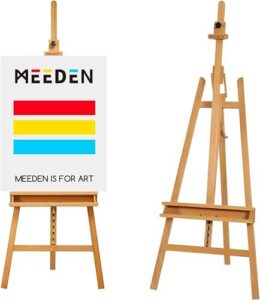
Before you start cleaning, it’s important to know what type of wooden easel you have. Different woods and finishes need different care.
| Easel Type | Common Wood | Finish |
|---|---|---|
| H-Frame | Beech, Oak | Varnished or Natural |
| A-Frame (Lyre) | Pine, Beech | Varnished or Oiled |
| Tabletop | Basswood, Pine | Varnished |
| French Box | Beech, Elm | Varnished, Waxed |
Check your easel’s manual or product information to see if it has a wax, varnish, or oil finish. This will help you choose the right cleaning products and methods.
Essential Tools And Products For Cleaning
Gather these supplies before you start:
- Soft lint-free cloths (cotton or microfiber)
- Mild soap (like castile or dish soap)
- Warm water
- Old toothbrush or small soft brush
- Wooden stick or popsicle stick (for scraping paint)
- Fine steel wool (0000 grade) or fine sandpaper (only for stubborn stains)
- Vacuum with brush attachment
- Wood polish (beeswax, lemon oil, or commercial product)
- Screwdriver (for tightening bolts)
Avoid harsh chemicals, which can strip the finish or dry out the wood.
Step-by-step: How To Clean Your Wooden Easel
1. Clear The Easel
Remove all canvases, paint palettes, and tools from your easel. Fold or collapse the easel if possible. This gives you easy access to all surfaces and moving parts.
2. Dust Thoroughly
Use a vacuum with a brush attachment to remove loose dust and debris. Pay attention to corners, hinges, and any sliding mechanisms. Wipe the wood with a dry microfiber cloth to pick up remaining dust.
Non-obvious tip: Dust can act like sandpaper, wearing down wood over time. Regular dusting is the easiest way to prevent long-term damage.
3. Remove Dried Paint
Scrape off dried paint gently using a wooden stick or popsicle stick. Avoid metal tools, which can scratch the wood. For stubborn spots, use a damp cloth to soften the paint first.
If paint remains, try a small amount of mild soap and water with an old toothbrush. Scrub gently in the direction of the wood grain. Do not soak the wood—too much water can cause swelling or warping.
4. Clean Moving Parts
Dirt and paint in sliders or joints can jam your easel. Use a dry brush or compressed air to clean tracks and moving parts. If needed, dampen a cloth with soapy water and wipe these areas, then dry immediately.
5. Wash And Dry The Wood
Mix a few drops of mild soap in warm water. Dampen a clean cloth, wring it out well, and wipe all surfaces. Follow with a second clean, damp cloth to remove soap residue. Always dry the wood with a towel right away.
Insider advice: Never let water sit on the wood. Even a few minutes can cause stains or swelling.
6. Polish And Protect
Once your easel is dry, apply a thin layer of wood polish. Use a soft cloth to rub beeswax or lemon oil into the wood, following the grain. This restores shine and helps protect against future stains. Buff off any excess polish.
Extra tip: Polishing also prevents the wood from drying out and cracking, especially in dry or heated rooms.
7. Check And Tighten Hardware
Loose screws or bolts can make your easel unstable. Use a screwdriver to check all connections. Tighten as needed, but don’t overtighten—this can crack the wood.
8. Reassemble And Store Properly
Return your easel to its place and make sure all parts move smoothly. Store in a dry area away from direct sunlight and heaters.

Credit: icustomlabel.com
Dealing With Stubborn Paint Or Stains
Sometimes, regular cleaning isn’t enough. For tough paint or dark stains:
- Try 0000-grade steel wool or fine sandpaper, rubbing very gently along the grain.
- Wipe away dust with a dry cloth.
- Immediately apply a bit of wood polish to restore the surface.
Important: Test on a small, hidden area first. Aggressive cleaning can damage the finish or change the wood’s color.
Preventing Damage And Long-term Care
Proper maintenance isn’t just about cleaning. Here are habits that keep your easel looking and working like new:
- Wipe off wet paint immediately.
- Don’t rest heavy objects on the easel’s shelf for long periods.
- Open and close moving parts slowly to avoid sudden stress.
- Avoid placing the easel in direct sunlight for extended periods, which can fade or dry the wood.
- Use felt pads or rubber bumpers where the easel touches the floor to reduce vibration and scratches.
Comparing Wooden Easel Finishes
Understanding your easel’s finish can help you choose the right care products.
| Finish Type | Cleaning Needs | Maintenance |
|---|---|---|
| Varnished | Soap & Water | Polish every 6 months |
| Oiled/Waxed | Dry Cloth, Mild Soap | Re-oil or wax every 3-6 months |
| Natural/Unfinished | Dry Cloth Only | Use finish or sealant yearly |
If you’re unsure of your finish, start with the gentlest cleaning method and work up as needed.
Mistakes To Avoid
Many artists make these errors when cleaning their wooden easel:
- Using harsh chemicals like acetone or ammonia, which can strip finish and dry wood.
- Scraping with metal tools, causing deep scratches.
- Allowing water to soak into joints or cracks, leading to swelling.
- Forgetting to check and tighten hardware, which results in wobbly easels.
- Skipping regular polishing, causing the wood to dry out and look dull.

Credit: fitueyes.com
Professional Tips For Easel Longevity
- If you often paint outdoors, wipe your easel down after each use to remove dirt and moisture.
- Keep a small brush in your studio just for cleaning the easel’s sliders and joints.
- If your studio is humid, use a dehumidifier or silica gel packs to prevent wood swelling or mold.
- For easels with brass or metal fittings, clean metal parts separately and use a drop of machine oil to prevent rust.
- Store your easel upright to prevent bending or warping over time.
When To Refinish Or Restore Your Easel
If your easel is heavily stained, cracked, or the finish is worn away, it might need restoration:
- Lightly sand all surfaces with fine sandpaper.
- Wipe clean, then apply wood stain or a clear finish.
- Let it dry completely before use.
Restoring an easel can bring an old, worn-out tool back to life. If you’re unsure, consult a professional or visit a woodworking forum for advice.
Quick Reference: Cleaning Frequency
| Task | Recommended Frequency |
|---|---|
| Dusting | Weekly |
| Removing paint spots | As needed |
| Deep cleaning | Monthly |
| Polishing | Every 3-6 months |
| Hardware check | Every 2-3 months |
Frequently Asked Questions
How Often Should I Clean My Wooden Easel?
For most artists, weekly dusting and a more thorough cleaning every month is enough. If you use your easel daily or spill paint often, clean up immediately to prevent stains. Regular care keeps your easel looking great and working smoothly.
Can I Use Regular Furniture Polish On My Easel?
It’s best to use wood polish designed for natural wood, like beeswax or lemon oil. Some furniture polishes have silicone or harsh chemicals that can build up or damage your easel’s finish. Always check the label before using any product.
What’s The Safest Way To Remove Dried Acrylic Or Oil Paint?
Gently scrape with a wooden stick or use a soft brush with mild soap and water. Avoid metal scrapers. For very tough spots, a bit of fine steel wool can help, but use it carefully. Test on a small area first to make sure you don’t damage the finish.
My Easel Is Sticky After Cleaning. What Should I Do?
Stickiness often means soap residue or too much moisture. Wipe the area with a clean, damp cloth, then dry thoroughly. If the surface stays sticky, it may need a light sanding and fresh polish. Make sure all cleaning products are fully removed.
Where Can I Find More Information On Wood Care?
For more detailed tips on wood care, visit the Wood Magazine website. They have expert guides on cleaning, polishing, and restoring wood furniture and tools.
—
Caring for your wooden easel is not just about making it look good—it’s about protecting your creative process. With regular cleaning and a bit of attention, your easel can last for decades, supporting every artwork you create. Even a few minutes of care each week makes a big difference. Treat your easel well, and it will reward you with years of reliable service and inspiration.

Credit: www.amazon.com