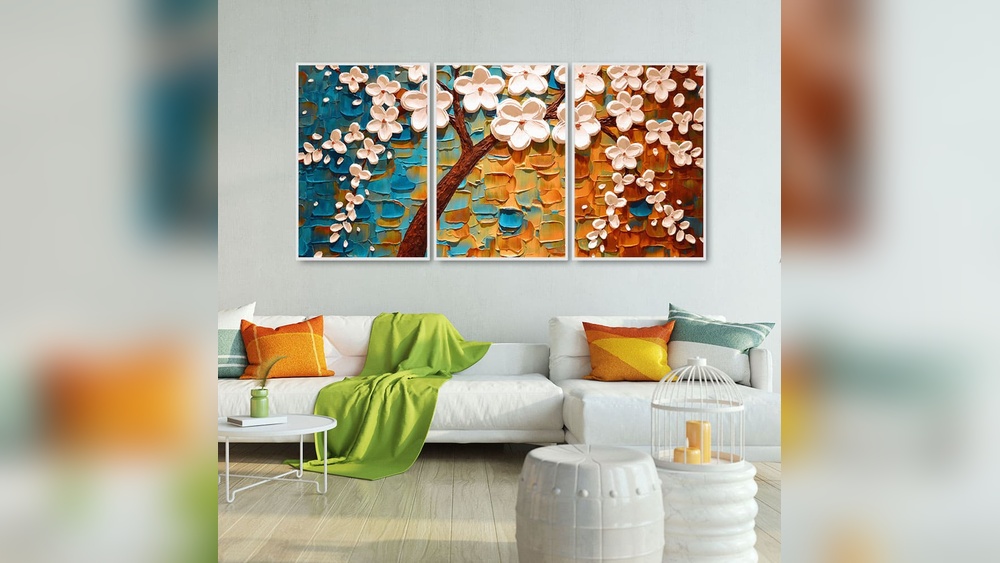
Painting a three panel canvas set, also called a triptych, is a creative way to make wall art that stands out. Whether you want to fill a large space or tell a story through your painting, a three panel set gives you many options. Each canvas can show part of the scene, or together they can create a bold look. Many artists and hobbyists choose triptychs because they look modern and offer a unique challenge.
But how do you actually paint a three panel canvas set? This process is different from painting a single canvas. You need to think about how the design flows across all three panels, how to line them up, and what materials work best.
In this guide, you’ll learn step-by-step how to plan, set up, and paint your own three panel masterpiece. By the end, you’ll know not just the basics, but also tips professionals use, common mistakes, and ways to make your art look polished.
Understanding The Three Panel Canvas Set
A three panel canvas set is a group of three canvases, usually the same size, displayed side by side. The design can stretch across all three, or each panel can show a different view. These sets work well for homes, offices, and galleries.
Why Choose A Triptych?
- Visual impact: The art covers a wider space and draws attention.
- Flexibility: Each panel can be displayed together or separately.
- Storytelling: You can show a scene that develops from left to right.
Where To Use Them
Triptychs are popular in living rooms, bedrooms, and hallways. They often hang above sofas or beds. Businesses use them in lobbies to make a statement. Some artists sell triptychs because buyers like the modern, connected look.
Planning Your Triptych
Before you start painting, planning is key. A well-thought-out design will look much better and save you trouble later.
Choose The Right Subject
Not every image works as a triptych. Good ideas include:
- Landscapes: Mountains, forests, city skylines
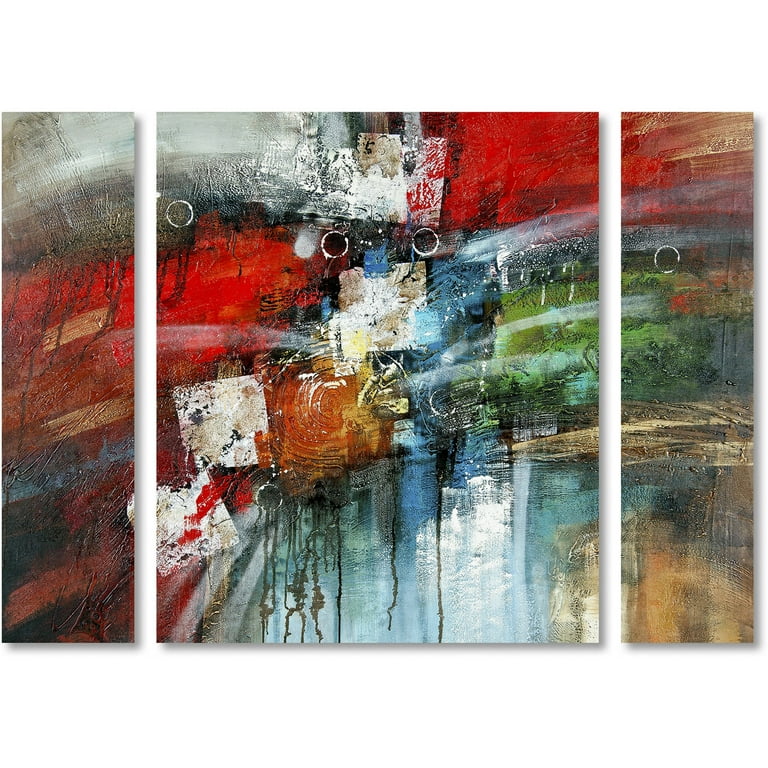
- Abstract art: Bold colors, shapes, or textures
- Florals: Large flowers, tree branches
- Animals: A bird taking off, a herd moving across panels
Avoid complex portraits or very detailed images, as splitting them can look awkward.
Sketch Your Idea
Draw your idea on paper first. Mark where the breaks between canvases will be. This helps you see if important parts will be lost at the edges.
Decide On Panel Orientation
You can hang the canvases:
- Horizontally: Most common, with all panels the same height
- Vertically: Tall, narrow panels for a dramatic effect
- Staggered: Panels at different heights for a modern look
Plan The Spacing
Leave a small gap (usually 1–2 inches) between each canvas when you hang them. This gap should be part of your design planning, so the image still makes sense with the space.
Choosing Materials And Tools
Using the right supplies will make painting smoother and help your art last longer.
Canvas Selection
Canvases for triptychs are usually:
- Stretched canvas: Canvas stretched over a wood frame
- Canvas panels: Canvas glued to a flat board
Choose the same brand and size for all three. Common sizes are 16”x20”, 20”x24”, or 12”x36”.
Paint Types
The most popular options are:
- Acrylic paint: Dries fast, easy to clean, bright colors
- Oil paint: Rich colors, slow drying for blending, but smells strong
- Mixed media: Use markers, collage, or spray paint with acrylics
Acrylics are best for beginners because they dry quickly and are less messy.
Brushes And Tools
You’ll need:
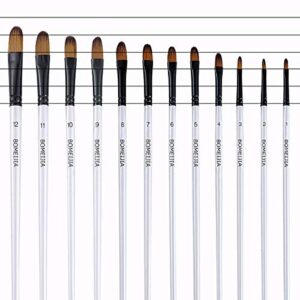
- Flat brushes: For large areas and straight lines
- Round brushes: For details
- Palette knives: For thick textures or abstract effects
- Pencil/eraser: For sketching your design
- Ruler or measuring tape: For lining up your design
Other Supplies
- Palette: For mixing colors
- Water cup or solvent: For cleaning brushes
- Paper towels: For wiping brushes or mistakes
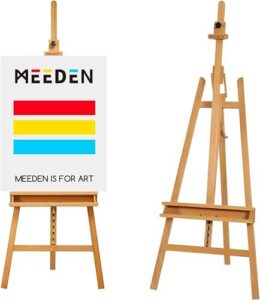
- Easel (optional): Keeps canvases steady
Preparing Your Workspace
A good workspace helps you focus and avoid mistakes.
Setting Up The Canvases
Lay all three canvases side by side on a large table or floor. Make sure the edges touch, with the fronts facing up. Use masking tape on the back to hold them together while sketching. This keeps your design lined up.
Lighting
Good lighting is important. Natural light from a window works well. Or use a bright lamp so you can see colors clearly.
Protecting Surfaces
Cover your work area with a plastic sheet or old cloth. Paint can drip or spill, so protect floors and tables.

Credit: www.amazon.com
Transferring Your Design
Now, move your planned design onto the canvases.
Drawing The Outline
- With a light pencil, sketch your design across all three canvases at once. Start from the left, and let lines flow across the edges.
- Check that lines and shapes match up where canvases meet. Use a ruler if needed.
Marking Key Points
- Mark where large shapes or important details cross from one canvas to the next. This keeps everything lined up when you separate the panels.
Painting Your Triptych
This is where your vision comes to life.
Painting The Background
Start with the background color. Use a large brush to cover all three canvases at once. This keeps the color consistent across the set. If you want a gradient or sky, blend while the paint is still wet.
Tip: Paint over the edges (“gallery wrap”) so the sides look finished when hung.
Building Layers
Once the background dries, add your main shapes. Work from big to small. For example, paint a mountain shape first, then add trees, then small details like birds.
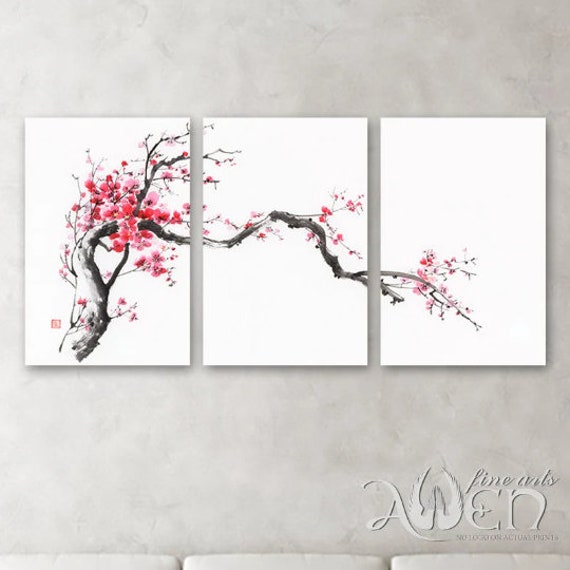
- Always paint across all three canvases when a shape crosses an edge. This keeps the design seamless.
- Step back often to see how the whole set looks together.
Adding Details
Use smaller brushes for detail work. Focus on areas that need sharp lines or highlights. Remember, viewers will see the whole set from a distance.
- For abstract art, experiment with palette knives or sponges for texture.
Letting Paint Dry
If you use acrylics, wait 10–20 minutes between layers. For oils, allow several hours or overnight. Rushing can cause smudges.
Credit: www.etsy.com
Separating And Checking Alignment
After your first layer dries, carefully separate the canvases. Stand them up side by side with a 1–2 inch gap, as they will be displayed.
- Look for any lines that don’t match up.
- Use a small brush to touch up edges so shapes or lines connect perfectly.
- Fix color differences, especially if the canvases were not painted together.
Varnishing And Finishing
A final coat of varnish protects your art from dust, sunlight, and moisture. It also makes colors look brighter.
- Wait until all layers are dry.
- Use a soft brush to apply a thin, even coat of acrylic or oil varnish.
- Let varnish dry in a dust-free area.
Bonus tip: Sign your name on the bottom corner of one canvas, not all three. This keeps the look clean.
Hanging Your Three Panel Set
Displaying your art well is as important as painting it.
How To Hang Evenly
- Measure the total width of the set (including gaps).
- Mark the wall for each canvas. Use a level to keep the tops straight.
- Hang the middle panel first, then line up the sides.
Ideal Spacing
- Most triptychs look best with 1–2 inches between panels.
- For very large canvases, you might use up to 4 inches.
Height
- Art should hang at eye level (center about 57–60 inches from the floor).
- If above furniture, leave 6–12 inches of space above the top of the furniture.
Examples And Inspiration
Many famous artists have used triptychs. For example, Francis Bacon’s “Three Studies for Figures at the Base of a Crucifixion” is a bold, emotional work. Modern artists use triptychs for abstract art or cityscapes.
You can find triptych ideas on platforms like Pinterest or art galleries. Try searching “abstract triptych painting” or “landscape triptych” for inspiration.
Credit: www.walmart.com
Common Mistakes And How To Avoid Them
Even experienced painters make errors. Here’s how to avoid the most common problems:
- Misaligned designs: Always line up canvases while sketching and painting shapes that cross edges.
- Different colors: Mix enough paint for backgrounds to keep colors consistent.
- Wrong canvas sizes: Use identical canvases, or your design will look off.
- Forgetting the gap: Plan your image with the spacing in mind, so nothing important is lost.
- Overworking details: Remember, most viewers see the set from a distance—focus on overall impact.
Comparison: Acrylic Vs Oil Paint For Triptychs
Here is a comparison of the two most common paint types for triptychs:
| Feature | Acrylic Paint | Oil Paint |
|---|---|---|
| Drying Time | 10–30 minutes | Several hours to days |
| Color Vibrancy | Very bright | Rich, deep colors |
| Ease of Use | Beginner-friendly | Requires more skill |
| Cleanup | Water | Turpentine or mineral spirits |
| Odor | Low | Strong |
Choosing Canvas Sizes And Layouts
Picking the right size and layout affects the final look. Here’s a quick guide:
| Room Type | Recommended Panel Size | Panel Orientation |
|---|---|---|
| Living Room (large wall) | 20” x 24” or bigger | Horizontal |
| Bedroom (above bed) | 16” x 20” | Horizontal or staggered |
| Hallway | 12” x 36” | Vertical |
| Office | 16” x 16” | Horizontal or vertical |
Essential Tips For A Professional Finish
- Prime your canvases if not pre-primed; this helps paint stick better.
- Use painter’s tape for sharp lines, especially on abstract designs.
- Photograph your finished work in good light for your portfolio.
- Test your hanging system before final display to avoid accidents.
Non-obvious Insights
Many beginners forget to paint the canvas edges. This step creates a gallery-style look that feels finished, even without a frame. Another detail: store leftover mixed paint in airtight containers, so you can touch up color differences between panels even after a few days.
Resources For Further Learning
If you want more examples or painting tutorials, sites like Tate Museum offer guides and inspiration. You’ll find both historical and modern triptychs, plus techniques from professional artists.
Frequently Asked Questions
What Is The Ideal Distance Between Each Panel In A Triptych?
The best gap is usually 1–2 inches. For very large canvases, you can use up to 4 inches. Always keep the gap the same for a balanced look.
Can I Use Different Colors On Each Panel?
Yes, but the panels should still feel connected. You can use different shades or accent colors, but repeating some colors or shapes helps keep the set unified.
Do I Need To Paint All Panels At The Same Time?
It’s best to work on all three panels together, especially for the background and shapes that cross edges. This helps the design align perfectly and colors match.
Should I Frame My Triptych?
Framing is not required, especially if you paint the canvas edges (gallery wrap). However, simple floating frames can add a professional touch if you prefer.
What If My Canvases Are Different Sizes?
Matching sizes create the best effect. If you use different sizes, plan the design carefully so it still looks balanced and intentional, not like a mistake.
Painting a three panel canvas set is a rewarding project that gives you both a challenge and a dramatic piece of art. By planning your design, using the right materials, and following the steps above, you’ll create a triptych that impresses anyone who sees it.
Whether you’re a beginner or an experienced artist, the journey from blank canvases to finished triptych is full of learning and creativity.