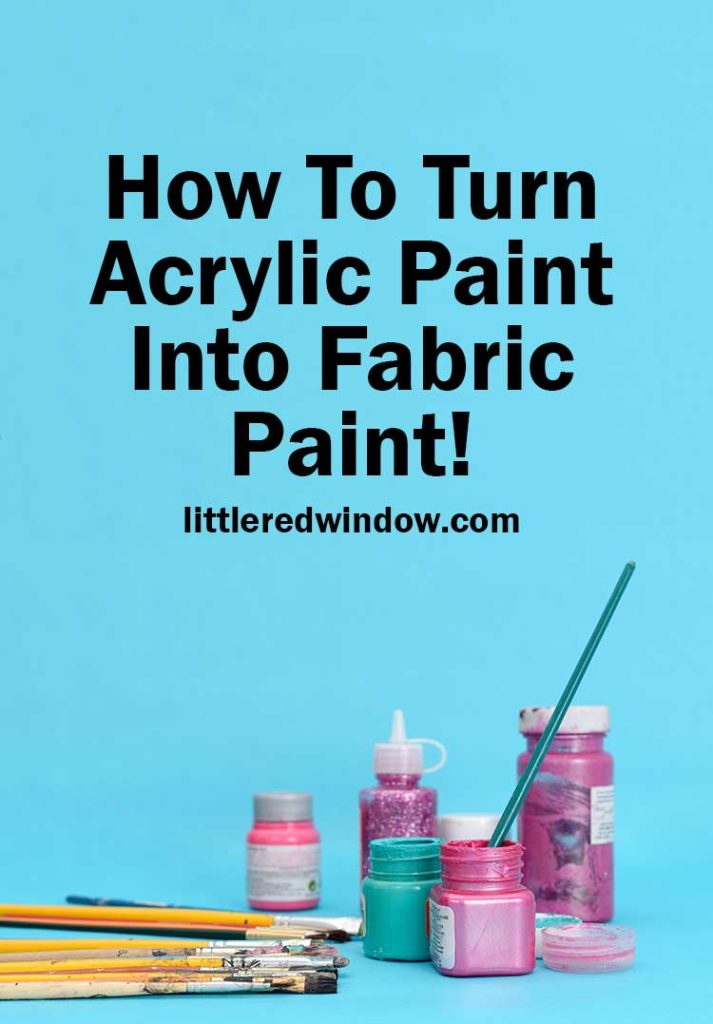
Acrylic paint works well on fabric but requires proper preparation and sealing. It offers a durable and vibrant finish.
Acrylic paint is a versatile medium widely used for various art projects, including fabric painting. This type of paint is popular due to its quick-drying nature and vibrant colors. To achieve long-lasting results on fabric, proper preparation is essential. Washing and drying the fabric first removes any residues that might prevent the paint from adhering.
Applying a fabric medium mixed with acrylic paint makes the material softer and more flexible. After painting, heat-setting the design ensures durability. This process involves ironing the painted area or using a heat press. By following these steps, you can create beautiful, lasting designs on fabric using acrylic paint.
Credit: m.youtube.com
Introduction To Acrylic Fabric Painting
Acrylic fabric painting is a fun and creative hobby. It combines the versatility of acrylic paints with the texture of fabric. This form of art allows for endless possibilities. You can transform plain clothing or home decor items into vibrant works of art.
The Appeal Of Acrylics On Fabric
Acrylic paints are very popular for fabric painting. They are water-based, quick-drying, and easy to clean up. You can use them on various types of fabric. The colors are bright and long-lasting. Once dried, they are permanent and washable.
Acrylic paints can be used to create detailed designs. You can also use them for bold and abstract patterns. The flexibility of the paint makes it ideal for different projects. It adheres well to fabric and doesn’t crack or peel.
Many artists love the versatility of acrylic paints. They can be mixed with fabric mediums for a softer finish. This makes the paint more flexible and durable on fabric.
Potential Of Acrylic Paints For Textile Art
Acrylic paints open up many possibilities for textile art. You can paint on clothing, pillows, curtains, and more. The paint allows for both small and large projects.
Textile artists use acrylics to create unique designs. The paint can be layered and blended for different effects. It can also be used with other materials like beads or sequins.
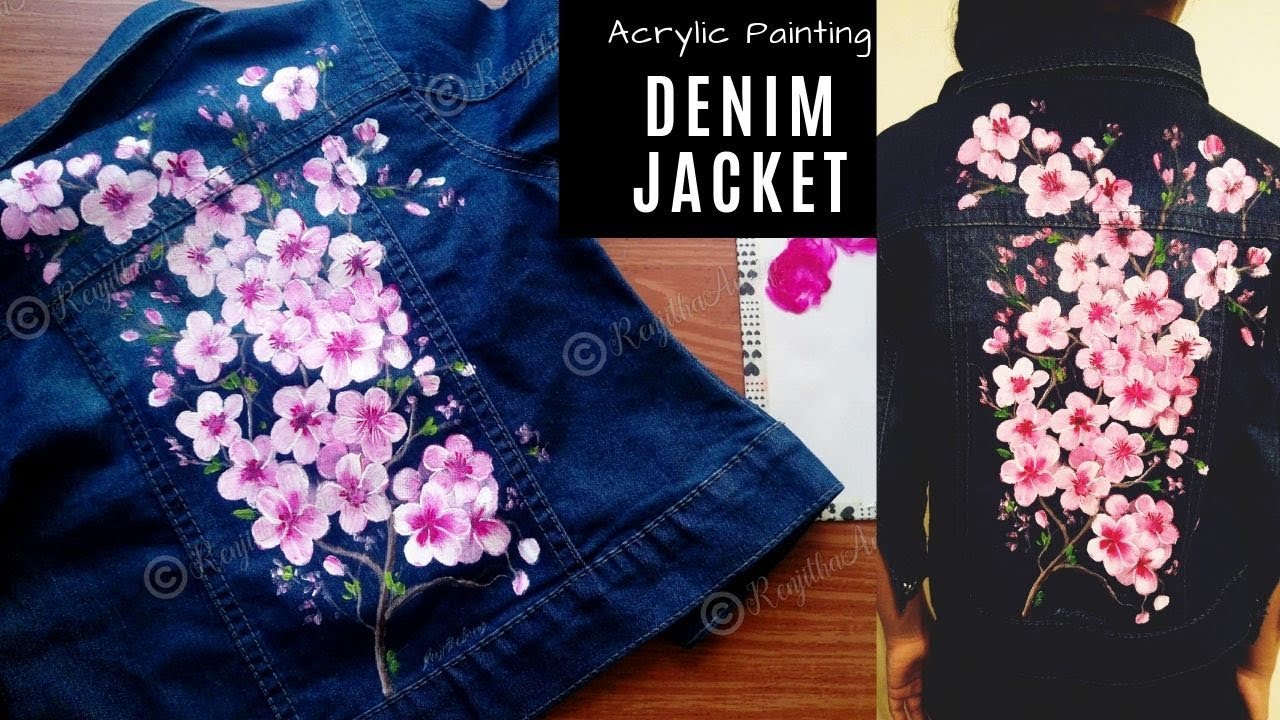
Acrylic paints can be used to upcycle old clothes. You can give new life to old t-shirts or jeans. This is a sustainable way to express your creativity.
| Feature | Benefit |
|---|---|
| Quick Drying | Reduces waiting time between layers |
| Permanent | Ensures long-lasting designs |
| Versatile | Suitable for various fabric types |
| Bright Colors | Makes designs stand out |
Using acrylic paint on fabric offers many benefits. It is a great way to personalize your items. The possibilities are endless with this versatile medium.
Choosing The Right Materials
Creating stunning artwork on fabric with acrylic paint is a fun activity. But, selecting the right materials is crucial for success. This section will guide you in choosing the best fabrics and acrylic paints for your projects.
Selecting Fabrics For Acrylic Application
Not all fabrics are suitable for acrylic paint. It’s important to choose the right one. Here are some fabrics that work well:
- Cotton: Cotton is absorbent and holds paint well.
- Linen: Linen is durable and provides a smooth surface.
- Canvas: Canvas is sturdy and ideal for heavy paint layers.
Avoid fabrics with too much stretch. Stretchy materials can distort your design. Test the fabric before starting your project. This ensures the best results.
Best Acrylic Paints For Fabric
Choosing the right acrylic paint is equally important. Look for paints specifically made for fabrics. Here are some top choices:
| Paint Brand | Features |
|---|---|
| Liquitex Fabric Medium | Mixes with paint for a flexible finish. |
| Jacquard Textile Colors | Soft and permanent on fabrics. |
| Martha Stewart Fabric Medium | Works well with acrylic for smooth application. |
Using a fabric medium with your acrylic paint can improve results. It helps the paint adhere better and stay flexible. This prevents cracking and fading over time.
With the right materials, your fabric art projects will shine. Happy painting!
Prepping Your Fabric
Before you start painting with acrylics on fabric, preparing the material is crucial. Proper prep ensures your artwork looks vibrant and lasts longer. Below are the essential steps to prepare your fabric for acrylic paint.
Cleaning And Ironing
First, wash your fabric to remove dirt, oil, and chemicals. Use a gentle detergent and warm water. Avoid using fabric softener, as it can affect the paint’s adhesion. Dry the fabric completely before proceeding.
Next, iron the fabric to remove wrinkles. A smooth surface makes painting easier and helps the paint adhere evenly. Set your iron to the appropriate temperature for the fabric type. For delicate fabrics, use a pressing cloth to avoid damage.
Applying A Base Layer
Applying a base layer helps the paint stick better and enhances colors. Use a fabric primer or gesso for this purpose. Lay the fabric flat and use a brush or sponge to apply an even coat of the primer. Let it dry completely before you start painting.
This step is especially important for dark or textured fabrics. A base layer provides a neutral surface, making your colors pop and ensuring even coverage.

Credit: canarystreetcrafts.com
Techniques For Applying Acrylic
Acrylic paint is versatile and can be applied in various ways. Knowing different techniques helps you achieve the desired effect on your material. Below, we explore some key methods for applying acrylic paint.
Brushwork Basics
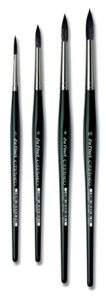
Brushwork is fundamental in acrylic painting. The type of brush you use matters. Synthetic brushes are ideal for acrylics. They hold their shape and are easy to clean. Use flat brushes for broad strokes. Round brushes are perfect for details.
Always keep your brushes wet during painting. This prevents the paint from drying on the bristles. When switching colors, rinse your brush thoroughly. This avoids muddying your colors.
| Brush Type | Usage |
|---|---|
| Flat Brush | Broad Strokes |
| Round Brush | Details and Lines |
| Fan Brush | Blending and Textures |
Creating Texture And Layers
Creating texture adds depth to your painting. You can use various tools for this. Palette knives are excellent for thick textures. Apply the paint in a scraping motion. This creates ridges and peaks.
Sponges are another tool for texture. Dab the sponge in paint and press it on the material. This gives a stippled effect. You can layer different colors for a complex texture.
Layering paint is another technique. Start with a thin layer of paint. Let it dry completely. Apply another layer on top. This builds up the color and adds richness to your painting. You can also layer different colors for a more vibrant effect.
- Palette Knife: Creates thick, textured strokes.
- Sponge: Adds a stippled, textured effect.
- Layering: Builds up color and depth.
Color Mixing And Blending
Acrylic paint on material offers many creative possibilities. Color mixing and blending are essential skills for artists. These techniques allow for beautiful transitions and unique hues.
Understanding Color Theory
Knowing basic color theory helps with mixing. The color wheel shows primary, secondary, and tertiary colors.
| Color Type | Examples |
|---|---|
| Primary Colors | Red, Blue, Yellow |
| Secondary Colors | Green, Orange, Purple |
| Tertiary Colors | Red-Orange, Blue-Green |
Primary colors mix to create secondary colors. For example, red and blue make purple.
Techniques For Seamless Blending
Blending creates smooth transitions. Here are some techniques:
- Wet-on-Wet: Apply wet paint on a wet surface.
- Dry Brushing: Use a dry brush with little paint.
- Layering: Build up layers of color gradually.
- Start with a clean brush.
- Load your brush with paint.
- Apply to the material with smooth strokes.
Practice each technique to master blending. Experiment with different brushes and surfaces.
Design And Composition
Creating artwork with acrylic paint on material requires careful planning. It’s essential to focus on the design and composition. This ensures your art is visually appealing and balanced. Let’s explore some key aspects to consider.
Planning Your Artwork
Before you start, sketch your ideas. This helps visualize the final piece. Use a notebook or digital tools for this step. Consider the size and shape of your material. Will it be a shirt, canvas bag, or something else?
Next, decide on the theme. Are you painting nature, abstract designs, or portraits? Choose a theme that excites you. This keeps you motivated throughout the process.
Gather all your materials. You will need acrylic paints, brushes, and a palette. Don’t forget water and cloth for cleaning. Organize your workspace for easy access to these items.
Balancing Elements And Color
Balance is crucial in art. It involves distributing visual weight evenly. Symmetry can help achieve balance. Use it to create harmony in your design.
Consider the color scheme. Pick colors that complement each other. Use a color wheel for guidance. Warm colors like red and yellow bring energy. Cool colors like blue and green are calming.
Contrast is also important. It adds depth and interest. Use dark colors next to light ones. This makes elements stand out.
| Element | Tips |
|---|---|
| Lines | Use lines to guide the viewer’s eye. Curved lines add softness. Straight lines create structure. |
| Shapes | Mix different shapes for variety. Combine circles, squares, and triangles. |
| Textures | Add texture for a tactile feel. Use thick paint or mixed media. |
- Experiment with different techniques.
- Test your colors on a small area first.
- Keep a color mixing chart.
Remember, practice makes perfect. The more you paint, the better you get. Happy painting!
Fixing And Protecting The Artwork
Fixing and protecting acrylic paint on material ensures longevity. These steps will help preserve the vibrant colors and intricate details of your artwork.
Heat Setting Acrylic Paint
Heat setting acrylic paint is crucial for durability. Place a clean cloth over your painted fabric. Set your iron to medium heat. Gently press the iron on the cloth. Move the iron in circular motions for 3-5 minutes. Ensure you cover all painted areas. This process helps bond the paint to the fabric fibers. Always check the fabric’s heat tolerance before starting.
Sealants And Finishing Sprays
Applying sealants and finishing sprays adds an extra layer of protection. Choose a sealant suitable for fabric use. Spray a light, even coat over your artwork. Allow it to dry completely before handling. Some popular sealants include:
- Matte finish – for a non-glossy look
- Glossy finish – for a shiny, vibrant effect
- Satin finish – for a soft sheen
Each type of finish offers a unique look to your artwork. Test the spray on a small area first. Ensure the spray doesn’t alter the paint color. Proper sealing prevents paint from cracking or fading over time.
Use these techniques to ensure your acrylic paint stays vibrant. Protect your fabric artwork for years to come.
Care And Maintenance
Acrylic paint on fabric can create stunning, durable designs. Proper care and maintenance ensure your artwork lasts longer and stays vibrant. Follow these simple steps to keep your painted fabric in top condition.
Washing Treated Fabrics
Washing acrylic-painted fabric requires a gentle touch. Turn the fabric inside out to protect the painted surface. Use cold water and mild detergent. Avoid bleach and fabric softeners as they can damage the paint.
- Use a gentle wash cycle.
- Avoid high-speed spin cycles.
- Hand washing is best for delicate items.
Drying the fabric properly is crucial. Hang the fabric to air dry. Avoid direct sunlight to prevent colors from fading. Do not use a tumble dryer, as heat can damage the paint.
Long-term Preservation Tips
Proper storage is key for long-term preservation. Store painted fabric in a cool, dry place. Avoid places with high humidity.
- Fold fabric with painted side inwards.
- Place tissue paper between folds to prevent sticking.
- Avoid heavy stacking to prevent paint cracking.
For fabrics used frequently, like clothing, use a protective layer. An iron-on fabric protector can add an extra layer of defense. Ensure the protector is compatible with acrylic paint.
Regular inspection helps in maintaining the fabric. Check for any signs of wear or damage. Touch up any faded areas with a small amount of acrylic paint.
/how-to-paint-fabric-5195665-hero-89d9345236194a71b172d952457acc55.jpg)
Credit: www.thespruce.com
Frequently Asked Questions
Can You Use Acrylic Paint On Any Fabric?
Yes, you can use acrylic paint on most fabrics. Ensure the fabric is clean and dry before painting. For durability, mix with a fabric medium.
How To Make Acrylic Paint Permanent On Fabric?
Mix acrylic paint with a fabric medium. Apply the paint to the fabric. Let it dry completely. Heat-set the design using an iron. Wash gently to maintain durability.
Can You Use Acrylic Pouring Paint On Fabric?
Yes, you can use acrylic pouring paint on fabric. Ensure the fabric is clean and prepped. Use a fabric medium for better results.
What Material Does Acrylic Paint Not Stick To?
Acrylic paint does not stick well to oily, greasy, or waxy surfaces. It also struggles with very smooth materials like glass and plastic.
Can You Use Acrylic Paint On Fabric?
Yes, you can use acrylic paint on fabric. It’s essential to mix it with a fabric medium for flexibility.
How Do You Seal Acrylic Paint On Fabric?
Heat setting is the best method. Use an iron on medium heat to seal the paint.
Does Acrylic Paint Wash Off Fabric?
Acrylic paint can wash off if not properly sealed. Heat setting helps make it permanent.
What Fabrics Work Best With Acrylic Paint?
Natural fabrics like cotton and linen work best. They absorb the paint well and hold colors better.
Conclusion
Creating art with acrylic paint on fabric offers endless possibilities. This versatile medium ensures vibrant and durable results. Experiment with techniques to discover your unique style. With proper preparation and care, your painted fabric will last and impress. Dive into this creative journey and let your artistic vision shine on every material.