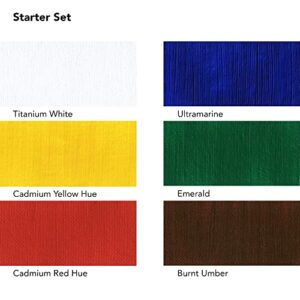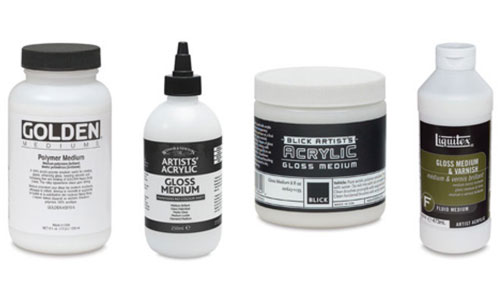
Acrylic paint is water-based and dries quickly. Mediums alter its texture, drying time, and finish.
Acrylic paint is a versatile medium popular among artists for its fast-drying properties and vibrant colors. It can be used on various surfaces like canvas, wood, and paper. Mediums mixed with acrylic paint can change its consistency, transparency, and drying time, enabling artists to achieve different effects and finishes.
These include gel mediums for texture, fluid mediums for smooth applications, and retarders to slow drying time. Understanding how to use acrylic paint and mediums can elevate your artwork, providing endless creative possibilities. This makes acrylic paint an excellent choice for both beginners and experienced artists looking to experiment with different techniques.

Credit: feelingnifty.com
The Versatile World Of Acrylic Paint
Acrylic paint is a favorite among artists. Its versatility makes it suitable for many projects. This type of paint can be used on various surfaces. Its quick-drying nature allows for multiple layers in a short time.
Defining Acrylic Paint
Acrylic paint is made from pigment suspended in an acrylic polymer emulsion. It is water-based and becomes water-resistant when dry. Artists love its vibrant colors and flexibility. You can dilute it with water to create a watercolor effect or apply it thickly for a textured look.
Benefits For Artists
- Quick Drying: Acrylic paint dries fast, letting you layer without long waits.
- Versatility: Use it on canvas, wood, paper, and more.
- Easy Cleanup: Clean brushes and palettes with water.
- Durable: Once dry, it becomes water-resistant and long-lasting.
- Non-Toxic: Most acrylic paints are safe and non-toxic.
| Feature | Description |
|---|---|
| Fast Drying | Allows for quick layering and adjustments |
| Water-Resistant | Becomes durable and resistant to water |
| Non-Toxic | Safe for all ages to use |
Acrylic paint offers endless possibilities for artists. It can mimic other mediums like oil and watercolor. Experiment with different techniques to see what works best for you.
Essential Supplies For Acrylic Painting
Acrylic painting is a wonderful hobby. It allows you to express your creativity. To get started, you need the right supplies. Below, we discuss the essential supplies for acrylic painting.
Choosing The Right Brushes
Brushes come in various shapes and sizes. Each type has its own use.
- Flat Brushes: Great for bold strokes and filling spaces.
- Round Brushes: Perfect for details and thin lines.
- Filbert Brushes: Ideal for blending and soft edges.
- Fan Brushes: Useful for textures and natural elements.
Quality brushes are important. They last longer and give better results. Look for brushes made of synthetic fibers. They are durable and work well with acrylics.
Selecting Quality Paints
Good paint is essential for beautiful artwork. Acrylic paints come in two grades: student grade and artist grade.
| Grade | Features |
|---|---|
| Student Grade | Less pigment, affordable, good for practice |
| Artist Grade | High pigment, vibrant colors, best for final pieces |
Choose colors that inspire you. A basic set includes:
- Red
- Blue
- Yellow
- White
- Black
You can mix these to create other shades. Experiment with different brands. Find the one that suits your style.
Understanding Acrylic Mediums
Acrylic mediums are essential for artists. They enhance and alter the properties of acrylic paint. Mediums can change the paint’s texture, drying time, and finish. Understanding these mediums can elevate your artwork. Let’s explore the different types and their effects.
Types Of Mediums
Acrylic mediums come in various forms. Each type serves a unique purpose. Here are some common types:
- Gloss Medium: Adds a shiny finish to your paint.
- Matte Medium: Provides a flat, non-reflective finish.
- Gel Medium: Thickens the paint for texture and body.
- Retarder: Slows down the drying time.
- Flow Improver: Increases paint fluidity.
Mediums And Their Effects
Each medium affects your paint differently. Here’s a quick guide:
| Medium | Effect |
|---|---|
| Gloss Medium | Adds shine and depth. |
| Matte Medium | Creates a non-glossy finish. |
| Gel Medium | Thickens paint for texture. |
| Retarder | Extends drying time. |
| Flow Improver | Makes paint more fluid. |
By choosing the right medium, you can achieve specific effects. Experiment with different mediums. Discover what works best for your style.
Mixing Techniques For Dynamic Results
Using acrylic paint can be exciting and fun. Mixing colors can create unique and dynamic artwork. This section will cover basic color theory and how to create custom shades. Mastering these techniques will enhance your painting skills.
Color Theory Basics
Understanding color theory is essential for mixing paint. The primary colors are red, blue, and yellow. These colors cannot be created by mixing other colors.
The secondary colors are green, orange, and purple. Mix primary colors to get these. For example:
- Red + Blue = Purple
- Blue + Yellow = Green
- Yellow + Red = Orange
Tertiary colors come from mixing a primary and a secondary color. Example:
- Blue + Green = Blue-Green
- Red + Purple = Red-Purple
Warm colors include red, orange, and yellow. Cool colors include blue, green, and purple. Knowing this helps in creating vibrant or calming effects.
Creating Custom Shades
Creating custom shades adds uniqueness to your artwork. Start with a small amount of paint. Add more as needed to get the desired shade.
To make a color lighter, add white paint. This creates a tint. For example:
- Red + White = Pink
- Blue + White = Light Blue
To make a color darker, add black paint. This creates a shade. For example:
- Red + Black = Dark Red
- Blue + Black = Dark Blue
To change the intensity of a color, add its complementary color. Complementary colors are opposite each other on the color wheel. For example:
- Red + Green
- Blue + Orange
- Yellow + Purple
Using these techniques, you can create a wide range of colors. Experiment with different combinations to see what you like best.
Mastering Textures With Acrylics
Acrylic paint is versatile and dynamic. Artists love it for creating textures. You can make your artwork pop by mastering various techniques. Let’s dive into some exciting methods to enhance textures with acrylics.
Incorporating Additives
Additives can transform your acrylic paint. They alter the paint’s consistency and behavior. Here are some popular additives:
- Gel Mediums: Thicken the paint and add body.
- Matte Mediums: Reduce the paint’s gloss for a flat finish.
- Retarders: Slow down drying time for more blending.
- Flow Improvers: Make the paint more fluid without thinning it.
Using these additives, you can create various textures. Experiment to see which works best for your project.
Impasto Technique Explored
The impasto technique involves applying thick layers of paint. This creates a textured, three-dimensional effect. Follow these steps to master impasto:
- Choose a stiff-bristled brush or palette knife.
- Mix your acrylic paint with a gel medium.
- Apply the paint thickly to your canvas.
- Use the palette knife to create peaks and ridges.
This technique adds depth and drama to your artwork. It’s perfect for highlighting specific areas.
Now you have some tools and techniques to create stunning textures with acrylics. Use additives and impasto to make your art vibrant and engaging.
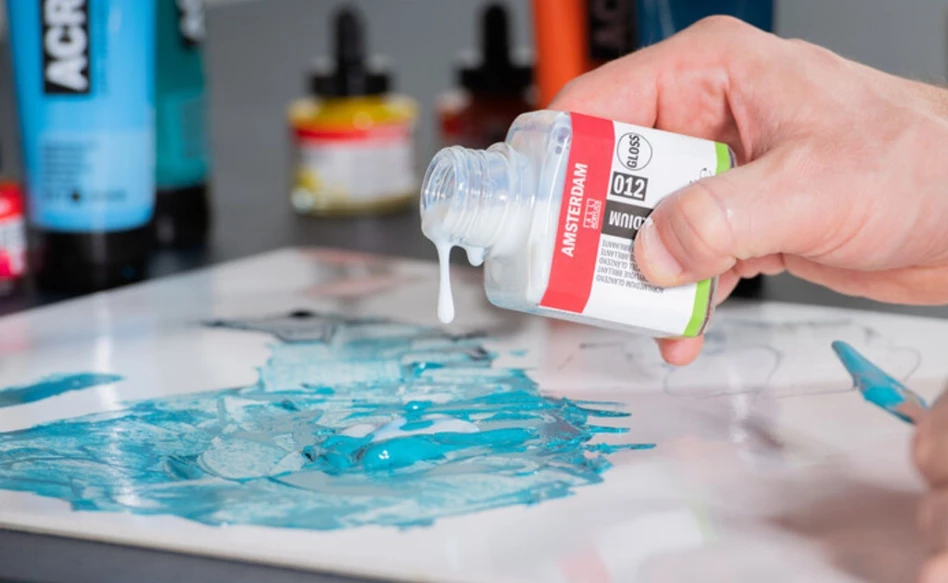
Credit: www.amsterdam-acrylics.com
Layering And Glazing With Acrylics
Acrylic paint offers versatile techniques for artists. Two popular techniques are layering and glazing. These methods enhance the depth and luminosity of paintings. Let’s explore how to use these techniques effectively.
Building Layers For Depth
Building layers creates depth in your artwork. Start with a base layer. Use broad brush strokes and cover the canvas. Allow each layer to dry before adding the next. This helps prevent colors from mixing.
Next, add mid-tones. Use a medium brush. Apply paint in smaller areas. This adds dimension to your work. Finally, add highlights and shadows. Use a fine brush for detail. This creates a realistic effect.
| Step | Action |
|---|---|
| 1 | Apply a base layer |
| 2 | Add mid-tones |
| 3 | Highlight and shadow |
Glazing For Luminosity
Glazing adds a luminous quality to your painting. Use transparent layers of paint. Start with a thin layer of acrylic mixed with a medium. Apply it over a dry layer of paint.
Repeat this process. Each layer adds to the glow. Use different colors for glazing. This can create unique effects. Mixing a glazing medium with paint helps maintain transparency. This technique enhances the vibrancy of colors.
- Use transparent layers
- Apply thin layers
- Allow drying between layers
- Mix with glazing medium
Both layering and glazing bring a painting to life. Practice these techniques to see improvements in your artwork.
Sealing And Protecting Your Artwork
Sealing and protecting your artwork is crucial for maintaining its vibrancy and longevity. Acrylic paintings, though durable, need proper care to ensure they remain beautiful for years. This section explores the best methods for sealing and protecting your acrylic masterpieces.
Varnishing Techniques
Varnishing your painting provides a protective layer. It shields your artwork from dust, UV rays, and scratches. There are different varnishing techniques you can use.
- Spray Varnish: This is ideal for even coverage. Hold the can about 12 inches from the painting. Apply multiple light coats.
- Brush-On Varnish: Use a wide, soft brush. Apply in thin, even layers. Ensure there are no bubbles.
- Gloss Varnish: This adds a shiny finish. It enhances colors and details.
- Matte Varnish: This provides a non-reflective surface. It’s perfect for a subtle look.
Long-term Care Tips
Long-term care keeps your artwork in pristine condition. Follow these tips for the best results.
- Store Properly: Keep paintings in a cool, dry place. Avoid direct sunlight.
- Clean Gently: Use a soft, dry cloth to remove dust. Do not use water or chemicals.
- Handle with Care: Always hold paintings by the edges. Use gloves if possible.
- Frame with Glass: Framing with glass adds an extra layer of protection. It also enhances the presentation.
- Check Regularly: Inspect your artwork periodically. Look for signs of damage or wear.
By following these varnishing techniques and long-term care tips, your acrylic paintings will remain vibrant and protected for years. Your artwork deserves the best care and attention.
Innovative Acrylic Painting Ideas
Acrylic paint is versatile and allows endless creativity. Artists can try new techniques and tools. Acrylics dry fast and work on many surfaces. Let’s explore some innovative ideas.
Experimental Tools And Applications
Artists love using different tools. Brushes are common, but try these:
- Palette knives for bold texture
- Sponges for soft blends
- Stencils for crisp shapes
- Spray bottles for misty effects
- Combs for unique patterns
| Tool | Effect |
|---|---|
| Palette knives | Bold texture |
| Sponges | Soft blends |
| Stencils | Crisp shapes |
| Spray bottles | Misty effects |
| Combs | Unique patterns |
Experiment with these tools to find your style. Each tool offers a new possibility. Combining tools can create amazing results. Try layering different effects for depth.
Mixing Media For Unique Effects
Mixing media can add dimension to your artwork. Combine acrylic paint with other materials. Here are some ideas:
- Acrylic and ink for detailed lines
- Acrylic and pastels for soft textures
- Acrylic and collage for mixed media art
- Acrylic and charcoal for dramatic contrast
- Acrylic and fabric for tactile surfaces
Each combination offers unique results. Experiment with ratios and techniques. Use mediums to alter paint properties. Add gel mediums for thickness or flow mediums for smoothness.
Innovative acrylic painting ideas can transform your art. Try new tools and media. Enjoy the creative process!
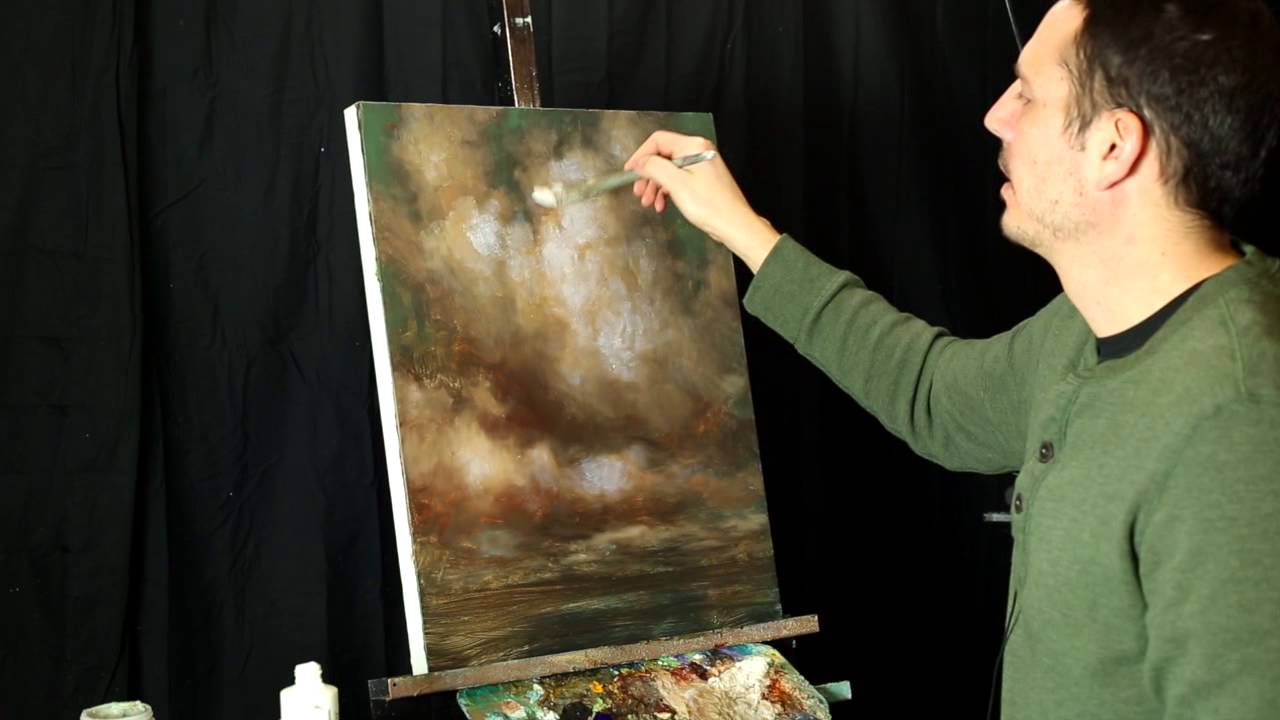
Credit: m.youtube.com
Frequently Asked Questions
Can You Use Medium With Acrylic Paint?
Yes, you can use medium with acrylic paint. Mediums enhance texture, alter drying time, and improve flow.
What Does Pouring Medium Do To Acrylic Paint?
Pouring medium enhances acrylic paint’s flow and consistency. It prevents cracking and creates smooth, glossy finishes. Artists achieve rich, vibrant effects with it.
How Much Medium To Add To Acrylic Paint?
Add 10-20% medium to acrylic paint for a smoother consistency. Adjust the amount based on desired texture and finish.
What Does Fabric Medium Do To Acrylic Paint?
Fabric medium makes acrylic paint flexible and washable on fabric. It prevents cracking and enhances adhesion.
What Is Acrylic Paint?
Acrylic paint is a fast-drying, water-based paint.
How Do You Use Acrylic Mediums?
Mix acrylic mediums with paint to change texture or drying time.
Can You Mix Acrylic Paint And Medium?
Yes, mixing acrylic paint and medium enhances effects and versatility.
What Are Common Acrylic Paint Mediums?
Common mediums include gels, pastes, and retarders.
Conclusion
Acrylic paint offers versatile options for artists of all levels. Using the right mediums can enhance your artwork. Experiment with different techniques to find your unique style. Enjoy the creative journey and let your imagination flow. Acrylics provide endless possibilities for vibrant and lasting pieces.
Happy painting!