Ampersand Gessobord is a stable, pro surface that boosts painting results.
You want a surface that does not fight you. Canvas bounces. Cheap panels warp. Uneven gesso kills detail and glaze control. That is why so many painters switch to Ampersand. In this Ampersand gessoed board review, I break down the top options, sizes, and surfaces. I share clear pros and cons from real use. You will see what fits oils, acrylics, and mixed media. I keep it simple so you can pick fast and paint better today.
See the differences between my top picks at a glance.
| Panel | Series | Size | Surface Feel | Best For | Key Benefit |
|---|---|---|---|---|---|
| Gessobord 11×14, 1/8″ (GBS11) | Museum Series | 11×14 | Subtle tooth, even gesso | Oil, acrylic, mixed media | Archival hardbord with pro primer |
| Museum Series Gessobord 16×20 | Museum Series | 16×20 | Subtle tooth, even gesso | Oil, acrylic, palette knife | Larger format, stable and flat |
| Primed Smooth Panel 5×7, 1/8″ | Artist/Value Series | 5×7 | Ultra-smooth, low tooth | Detail work, studies | Great for fine lines and miniatures |
| Artist Panel Primed Smooth 16×20 | Artist/Value Series | 16×20 | Very smooth, uniform | Practice, commissions on budget | Good price-to-size value |
| Gessobord 12×12, White | Museum Series | 12×12 | Subtle tooth, even gesso | Series work, square compositions | Reliable, archival square format |
Gessobord 11×14 Panel, 1/8-Inch (GBS11)
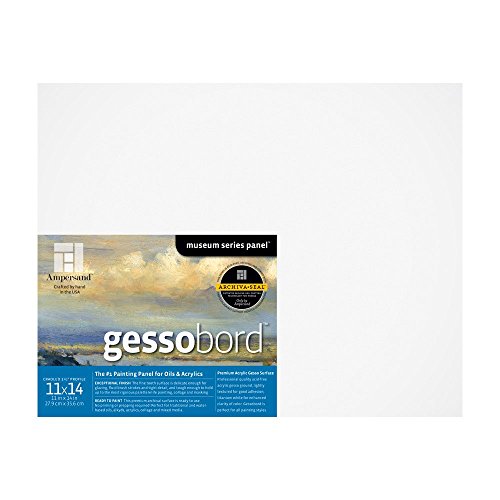
This Gessobord 11×14 is my default mid-size panel for oil and acrylic. The surface has a clean, even gesso coat with a tiny tooth. That tooth grips paint and holds detail. It takes thin glazes and thicker impasto without pilling or dragging.
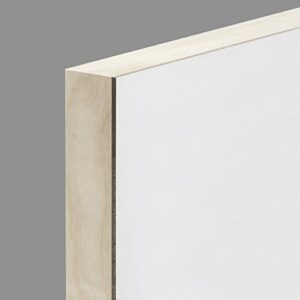
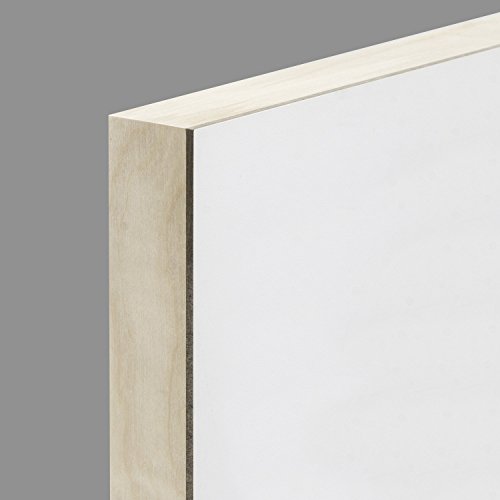
The 1/8-inch profile stays flat. The seal on the board helps block support-induced discoloration with oils. I can block in with a bristle brush, then switch to a soft synthetic for razor lines. It sands well if I want ultra-smooth passages.
Pros:
- Consistent, pro-grade gesso coat for predictable brushwork
- Subtle tooth supports both glazing and impasto
- Stays flat; resists warping at this size
- Good for oils, acrylics, and dry media accents
- Edges are clean and easy to frame
- Easy to tone or sand to taste
Cons:
- Flat 1/8-inch panel may need framing or a cradle for gallery wrap look
- Price is higher than cut-and-primed DIY panels
- Occasional shipping dings can occur if packaging is mishandled
What Amazon Buyers Are Saying
Reviewers often praise the smooth, even surface and reliable flatness. Many note how well the panel takes both thin and heavy paint. Some mention corner damage from transit and suggest buying multi-packs for better packaging. A few buyers call out the higher cost, yet most say the quality justifies it.
My Recommendation
If you want one panel that does most things well, pick this. It is a safe, pro choice for daily painting, studies, and finished work. My overall rating reflects the balance of quality and price.
| Category | Rating |
|---|---|
| Surface Consistency | 4.8/5 |
| Rigidity & Flatness | 4.6/5 |
| Absorbency Control | 4.7/5 |
| Archival Build | 4.7/5 |
| Packaging | 4.3/5 |
| Value | 4.5/5 |
| Overall Rating | 4.6/5 |
Museum Series Gessobord 16×20, White
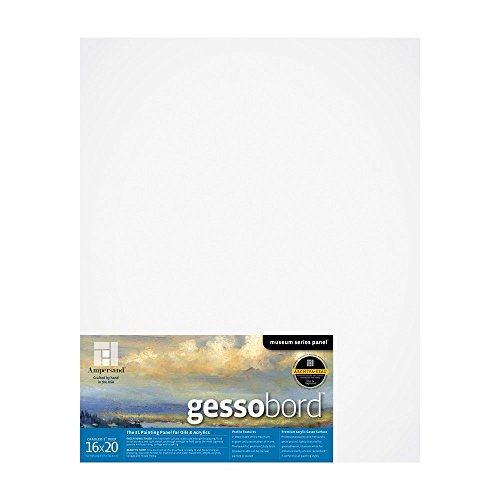
This 16×20 Gessobord scales up the same trusted surface. You get the Museum Series build and the even primer that makes brushwork feel easy. Large blends stay smooth. Knife work holds a crisp edge.
At this size, stability matters. This board keeps a flat profile when you work fast or layer bold impasto. It suits portraits, florals, and landscapes. You can frame it with standard hardware or mount it in a float frame for a gallery finish.
Pros:
- Professional surface in a larger format
- Holds glazes without streaking or blotches
- Strong enough for palette knife textures
- Reliable color holdout for oils
- Ideal for finished work ready to frame
- Trusted Museum Series construction
Cons:
- Flat 1/8-inch panel benefits from a frame for display
- Increased cost vs. smaller sizes
- Heavier body paints may need more dry time on dense layers
What Amazon Buyers Are Saying
Many buyers call out the premium feel and the jump in control compared to canvas. Reports of smooth layering and clean edges are common. Some mention size-related shipping wear if the box loosens. A few think the price is high, but most say results justify the spend.
My Recommendation
Choose this if you want a large, reliable panel for gallery-ready work. It delivers consistent results and a crisp look in a float frame. I rate it a touch higher for pro projects.
| Category | Rating |
|---|---|
| Surface Consistency | 4.8/5 |
| Rigidity & Flatness | 4.7/5 |
| Glaze & Layer Control | 4.8/5 |
| Archival Build | 4.7/5 |
| Packaging | 4.2/5 |
| Value for Large Work | 4.5/5 |
| Overall Rating | 4.6/5 |
Primed Smooth Panel 5×7, 1/8-Inch

This Primed Smooth panel gives you a near-glassy ground. It favors tiny marks, line work, and tight detail. I reach for it for studies, miniatures, and alla prima sketches. Acrylic pens, graphite, and colored pencil grips enough to hold shape.
It belongs to Ampersand’s Artist/Value family. The ground is acrylic gesso with low tooth. Paint sits a bit more on top vs. Gessobord. That can feel fast and lively for alla prima work.
Pros:
- Ultra-smooth face for fine lines and small shapes
- Great for mini paintings and postcard art
- Works with oils, acrylics, and dry media accents
- Easy to wipe and rework early on
- Good price for entry or practice
Cons:
- Less tooth than Gessobord; glazes need a light touch
- Value line construction, not Museum Series hardbord
- 1/8-inch flat profile needs framing to hang
What Amazon Buyers Are Saying
Artists who like detail praise the slick, uniform ground. Many say it is perfect for small studies and precision work. A few wish for more tooth or note that heavy, watery layers can skate if overworked. Price and portability get positive comments.
My Recommendation
Pick this for tight detail or quick studies. If you love glass-smooth painting, you will enjoy it. If you want more tooth and absorbency, step up to Gessobord.
| Category | Rating |
|---|---|
| Smoothness for Detail | 4.9/5 |
| Layer Control | 4.2/5 |
| Build Quality | 4.2/5 |
| Versatility | 4.3/5 |
| Value | 4.6/5 |
| Overall Rating | 4.4/5 |
Artist Panel Primed Smooth 16×20 (APS1620)

The Artist Panel Primed Smooth 16×20 is a smart pick for practice and series work. The surface is even, with a low tooth for clean edges. It helps you test palettes and compositions at scale. It is friendly to acrylics and oils with light to medium body.
This is a budget-forward option compared to Museum Series boards. You still get a uniform primer and a stable feel at this size. It is ideal for classrooms, workshops, and volume studies. Use a frame for display and you get a neat, modern look.
Pros:
- Large smooth surface at a fair price
- Good for studies, workshops, and commissions
- Uniform gesso for even coverage
- Accepts sanding and toning coats
- Lightweight for transport
Cons:
- Not the Museum Series hardbord build
- Less tooth; some glazes may need adjustment
- Requires framing; no ready-to-hang cradle
What Amazon Buyers Are Saying
Many buyers like the value for the 16×20 size. They mention clean primer and reliable flatness. Some users expect a heavier, cradle-backed board and then realize it is a flat panel. Occasional notes about shipping protection show up on larger sizes.
My Recommendation
Get this if you want a big canvas alternative for practice or budget projects. It is not the top archival build, but it paints well. I see it as a strong value pick.
| Category | Rating |
|---|---|
| Smoothness | 4.5/5 |
| Flatness at Size | 4.4/5 |
| Archival Confidence | 4.0/5 |
| Versatility | 4.3/5 |
| Value | 4.7/5 |
| Overall Rating | 4.4/5 |
Gessobord 12×12 Panel, White

The 12×12 Gessobord hits a sweet spot for square compositions. It is great for small series, botanical sets, and social-ready art. The Museum Series surface keeps marks crisp. It supports glazing, scumbling, and knife textures.
I like this format for studies that still feel like finished pieces. The tooth is subtle and predictable. Colors hold true and edges stay sharp. Float frames make the square look pop on a wall.
Pros:
- Square format ideal for sets and grids
- Reliable Museum Series gesso and seal
- Works with oils, acrylics, and mixed media
- Stable feel for both thin and thick layers
- Frames up cleanly for sale or gift
Cons:
- Flat panel needs a frame for display
- Square frames can cost more than standard rectangles
- Stocks can sell out during holiday demand
What Amazon Buyers Are Saying
Owners like the square size for modern layouts. They comment on predictable brush feel and faithful color. A few call out stock or delivery delays in peak times. Some wish for lower prices on multi-packs.
My Recommendation
Choose this if you love square compositions and a premium ground. It is easy to batch paint a series with consistent results. I rate it high for dependable finishes.
| Category | Rating |
|---|---|
| Surface Quality | 4.8/5 |
| Color Holdout | 4.7/5 |
| Format Versatility | 4.5/5 |
| Durability | 4.6/5 |
| Value | 4.4/5 |
| Overall Rating | 4.6/5 |
How to choose Ampersand gessoed board review
Picking the right Ampersand panel is simple when you match surface, size, and build to your style. Use this quick guide to line up the best fit. These tips come from years of studio work and testing. Keep your needs in mind as you read.
1. Match the surface to your brush feel
Gessobord has a soft, even tooth. It grips paint just enough. It suits oils and acrylics with glazes and knife work. Primed Smooth is almost slick. It favors fine lines, tight realism, and miniatures. If you glaze often, pick Gessobord. If you draw with the brush, pick Primed Smooth.
2. Choose the build for your goal
Museum Series Gessobord uses a pro, archival build. It is the better choice for finished work and sales. Artist/Value Series Primed Smooth is great for practice, studies, and classroom use. It paints well and saves money. If you sell often, invest in Museum Series. If you learn or draft ideas, go Value Series.
3. Size and profile affect workflow
Small panels (5×7, 8×10) help you finish fast. Mid to large (11×14, 12×12, 16×20) give space for blends and knife textures. Flat 1/8-inch panels look best framed or floated. If you want ready-to-hang, choose cradled versions when available. Think about transport, storage, and how you frame before you buy.
Final Verdict: Which Should You Buy?
For most artists, Gessobord 11×14 (GBS11) is the best balance of control, archival build, and price. If you paint large, the Museum Series 16×20 delivers the same trusted surface at scale.
This Ampersand gessoed board review shows why these panels win: clean ground, flat profile, and pro results. Pick the right surface and size. Then paint with confidence.
FAQs Of Ampersand gessoed board review
What is the difference between Gessobord and Primed Smooth?
Gessobord has a subtle tooth and a more absorbent feel. Primed Smooth is ultra-smooth with very low tooth. Choose Gessobord for glazes and grip. Choose Primed Smooth for tight detail and line work.
Do I need to prime Ampersand Gessobord before oil painting?
No. Gessobord comes ready to paint. You can tone or sand it if you want, but no extra primer is needed.
Can I use watercolor on Gessobord?
You can, but it behaves differently than watercolor paper. Paint sits higher on the surface. Many artists use gouache or acrylic inks instead.
Will these panels warp over time?
They resist warping when stored and handled well. Use common-sense care. Avoid extreme humidity and heat, and frame larger panels for support.
How should I frame a 1/8-inch panel?
Use a standard frame with clips or a float frame. You can also mount the panel to a cradle or backing board for depth.
Can I sand Ampersand boards to change the texture?
Yes. Light sanding can make the surface even smoother. Clean dust before painting. Test a small area first.
Are Ampersand Museum Series boards archival?
Yes. They are designed for long-term stability and color holdout. The surface and support are made for pro work.
Which size is best for plein air painting?
8×10 or 9×12 travel well and fit many pochade boxes. 11×14 also works if you want more room to work.