PaintingProGuide is reader-supported. When you buy through links on this page we may earn an affiliate commission at no extra cost to you.
Palette cups for painters, often called dippers, clip to the edge of the palette and hold the liquids you need within a brush’s reach: solvent or thinner, an oil painting medium, or for some painters linseed oil on its own. They are small and inexpensive, but they change how smoothly a painting session runs.
Only three products in our data are genuine cups for painting: a double dipper, a set of sealed single dippers and a pack of small mixing cups. Plastic well palettes and a decorative drinking cup also appeared, and we left those out. Because the list is short, this guide spends more time on how to use cups well, what to put in them and how to keep them clean.
Quick answer: Most oil painters should start with the AUEAR Stainless Steel Double Palette Cups, which hold solvent and medium side by side with screw lids. For plein air, the rubber-sealed LEIFIDE drum cups are more leak-resistant, and the Xthrotsenk mixing cups suit small pre-mixed batches.
Our Top Picks at a Glance
- AUEAR Stainless Steel Double Palette Cups (2 pack) — Best for oil painters who use solvent and medium together
- LEIFIDE Stainless Steel Drum Palette Cups (3 pack) — Best for leak-resistant single cups for travel and plein air
- Xthrotsenk Stainless Steel Mixing Cups (12 pack) — Best for mixing small amounts of paint or medium
| Product | Best For | Key Spec | Key Strength | Price Tier |
|---|---|---|---|---|
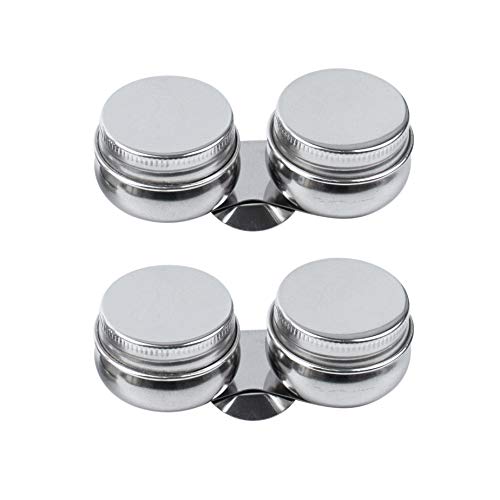
| AUEAR Stainless Steel Double Palette Cups (2 pack) | Oil painters who use solvent and medium together | Double cup; screw lids; bottom clip | Two liquids side by side on one clip | $ |
| LEIFIDE Stainless Steel Drum Palette Cups (3 pack) | Leak-resistant single cups for travel and plein air | 1.75 in diameter; 1.2 in deep; rubber-sealed lids | Rubber washers in the lids | $ |
| Xthrotsenk Stainless Steel Mixing Cups (12 pack) | Mixing small amounts of paint or medium | 2 in diameter; open design with spout | Twelve small cups for many mixes | $ |
How We Chose
These picks come from Amazon listing details and specifications checked in October 2026, how well each cup’s material, closure and attachment suit painting, and how widely each product is reviewed by Amazon buyers. We excluded plastic well palettes, which are not cups, and a resin drinkware set that appeared in the results.
Our criteria:
- Material and solvent safety
- Lid type and seal
- Palette clip fit
- Single or double configuration
- Capacity and mouth width
- Value for the price tier
What Goes in a Palette Cup?
Oil painters typically use one or two cups:
- Solvent or thinner: odorless mineral spirits or a solvent-free alternative, used to thin early layers and to rinse a brush quickly between colors.
- Painting medium: a mixture of oil and sometimes resin or solvent, used to adjust flow, gloss and drying time in later layers.
- Pure oil: linseed, walnut or safflower oil, used by solvent-free painters to thin paint and wipe brushes.
Following the fat-over-lean principle, early layers contain more solvent and later layers more oil. Two or three separate cups make that easy to manage without mixing up liquids.
A typical simple setup looks like this: one cup of odorless mineral spirits for the first block-in, thinned lean so it dries quickly, and one cup of a medium made from roughly equal parts oil and solvent for the middle layers. Final layers may use the medium straight or a little added oil. Exact ratios vary between painters and products, so follow the guidance from your paint and medium manufacturers.
Solvent-free painters often keep a single cup of walnut or safflower oil, using it both to thin paint slightly and to wipe brushes clean between colors, then wash brushes with soap at the end.
Acrylic painters sometimes use cups for water or acrylic mediums such as glazing or flow medium. Watercolorists usually prefer a larger water container than a palette cup holds.
Best Palette Cups for Painters Reviewed
1. AUEAR Stainless Steel Double Palette Cups (2 pack) — Best for oil painters who use solvent and medium together

A palette cup, sometimes called a dipper, clips to the edge of your palette and holds the liquids you dip into while painting. AUEAR’s double version holds two side by side, with screw lids and a bottom clip that slides over the palette edge. The listing names turpentine, linseed oil and other mediums, and describes rust-resistant stainless steel.
Two cups are what most oil painters actually need: one for a solvent or thinner to clean and thin early layers, and one for an oil medium for later layers. Having both clipped right next to the mixing area means you are not reaching across the table with a loaded brush.
Screw lids are important. They let you close the cups between sessions so solvent does not evaporate into the room and medium does not skin over. The two-pack gives you a spare, or a second set for a second palette.
Best suited for: Oil painters who work with both a thinner and a medium during a session.
Key features:
- Two double palette cups
- Stainless steel, rust-resistant
- Screw-on lids
- Bottom clip fits over palette edge
- For solvents, linseed oil and mediums
Pros:
- Solvent and medium in one clip
- Lids reduce evaporation and odor
- Low price tier for two
Cons and limitations:
- Small capacity
- Clip fit depends on palette thickness
- Double cups are wider on the palette edge
Buying consideration: Check the thickness of your palette. Clips fit most wooden and thin glass palettes but can be loose on very thin plastic or too tight on thick glass.
2. LEIFIDE Stainless Steel Drum Palette Cups (3 pack) — Best for leak-resistant single cups for travel and plein air

LEIFIDE’s single cups are drum-shaped stainless steel, about 1.75 inches across and 1.2 inches deep, with a 1.4-inch opening. The listing highlights rubber washers in the lid nuts to prevent dust and leaks, which is exactly what you want in a cup that travels in a paint box.
The wide mouth makes it easy to dip a large brush, and the clip on the lid side attaches to the palette edge. Three cups let you hold a solvent, a lean medium and a fat medium separately, which suits painters who follow fat-over-lean layering closely.
Best suited for: Plein air oil painters and anyone who needs leak-resistant cups that travel with the palette.
Key features:
- Three single palette cups
- About 1.75 in diameter, 1.2 in deep
- Wide 1.4 in opening
- Rubber-sealed lids
- Clip attaches to palette edge
Pros:
- Rubber seals reduce leaks
- Three separate liquids
- Wide mouth for larger brushes
Cons and limitations:
- Small capacity for long sessions
- Middle price tier for three
- Single cups take more palette edge space
Buying consideration: Even with sealed lids, carry cups upright in a zip bag when traveling; a little solvent leak can ruin a sketchbook.
3. Xthrotsenk Stainless Steel Mixing Cups (12 pack) — Best for mixing small amounts of paint or medium

These are not clip-on dippers but small, open stainless steel cups, 2 inches in diameter, with a small mouth for pouring. Twelve come in a pack. The listing describes them for mixing small amounts of paint or watercolor, airbrush paint and enamel model paint.
For painters, they are useful for pre-mixing a quantity of a color you will need repeatedly, holding a medium beside a wet palette, mixing glazes, or thinning acrylic for pouring or airbrush. Stainless steel cleans easily and does not stain like plastic.
Best suited for: Acrylic, airbrush, model and watercolor painters who mix small batches, and oil painters who want separate cups for glazes.
Key features:
- Twelve stainless steel cups
- 2 inch diameter
- Open design with pouring mouth
- Reusable and easy to clean
Pros:
- Lots of cups for separate mixes
- Pour spout for airbrush or pouring
- Low price tier
Cons and limitations:
- No lids or clips
- Small capacity
- Marketed for several hobbies, not only painting
Buying consideration: Cover cups with plastic wrap or foil between sessions if you want to save mixes; they have no lids.
How to Use Palette Cups Well
- Clip cups to the palette edge on the side of your painting hand, near the mixing area.
- Fill only partway, enough for the session, to reduce spills and evaporation.
- Dip the brush tip, not the whole head, to avoid overloading paint with solvent or medium.
- Wipe the brush on a rag after dipping in solvent before going back to paint.
- Close lids whenever you step away from the easel.
- At the end of the session, pour used solvent into a sealed settling jar rather than down the drain.
Keep the solvent cup closest to the edge of the palette and the medium cup next to it. That order helps you avoid dipping into the wrong cup out of habit.
Cleaning Palette Cups
Solvent cups stay cleaner if you pour out used solvent after each session into a dedicated settling jar. The pigment sinks, and you can decant clear solvent for reuse later.
Medium cups can develop a skin as oil oxidizes. Wipe them out with a rag after each session and clean with a little solvent or soap and warm water. Stainless steel tolerates scrubbing without corroding.
For thoroughly dried medium, soak the cup in solvent or a solvent-free brush cleaner, then scrape gently with a palette knife. Rubber lid seals should be wiped clean so they continue to seal.
Safety Around Solvents and Oil
Use the least toxic solvent you can, such as odorless mineral spirits, or work solvent-free with oil alone. Ventilate the room and keep cups closed when not in use to limit fumes.
Rags used to wipe oil and medium can self-heat as they dry. Lay them flat outdoors or store them in a sealed metal container with water before disposal, and never pour solvent down a sink.
Palette Cup Alternatives
If you only paint occasionally, you may not need dedicated dippers yet. Several everyday items work in a pinch, each with trade-offs:
- Small glass jars with metal lids: baby food or spice jars are solvent-safe and seal well, but they do not clip to the palette and are easy to knock over.
- Metal bottle caps or tins: fine for a few drops of oil or medium during a short session, but they evaporate and spill easily.
- Ceramic dishes: stable on a table and easy to clean, but too far from the palette edge for convenient dipping.
- Brush washer tanks: larger stainless tanks with a coil or screen are better for rinsing brushes in solvent; many painters use one alongside a small medium cup.
The advantage of a real palette cup is position. Clipped to the edge of the palette, it sits exactly where your brush already is, so dipping becomes part of the mixing motion rather than a separate reach. That small change in workflow is why most regular oil painters end up buying them.
Whatever you use, label containers clearly. A cup of clear solvent and a cup of pale medium look almost identical, and dipping into the wrong one at the wrong layer can cause cracking or slow drying later.
Buying Guide: How to Choose Palette Cups
Choose stainless steel
Stainless steel resists solvents and does not rust easily. Plastic cups may soften or crack with strong solvents. Glass is safe but fragile.
Stainless steel also survives being dropped on a studio floor, which happens more often than most painters would like to admit.
Look for listings that explicitly mention solvent and oil compatibility.
Lids matter
Screw lids and rubber seals reduce evaporation, odor and leaks. Open cups are fine for mixing but not for storing solvent.
A good seal also means you can leave medium in the cup overnight without it thickening, which saves waste.
Single or double
Double cups keep two liquids together on one clip. Single cups let you arrange several liquids separately and are easier to clean.
If you are unsure, start with a double cup; it covers the common solvent-plus-medium setup in one purchase.
Clip fit
Clips should fit snugly over your palette edge. Check palette thickness, especially for glass palettes.
If a clip is loose, a strip of tape on the palette edge can tighten the fit without damaging either piece.
Capacity
Small cups are lighter and reduce waste. For long sessions, choose wider, deeper cups or refill from a larger container.
Travel needs
For plein air, leak-resistant seals and a zip bag are essential. Studio painters can prioritize convenience.
A pochade box or field easel may have a specific place for cups; check how they will attach before you head out.
Palette Care Guides
Keep dippers in good shape with our guide on cleaning palette cups after oil painting. For the palette itself, see how to clean a painting palette, and if you work in acrylic, learn what a wet palette is.
Common Mistakes to Avoid
- Leaving solvent cups open between sessions
- Overfilling cups so they spill when the palette moves
- Dipping the whole brush head into medium
- Pouring used solvent down the drain
- Using plastic cups with strong solvents
- Bunching oily rags beside the palette
FAQs
What is a palette cup used for?
It holds solvent, medium or oil at the edge of your palette so you can dip a brush without reaching away from your mixing area.
Do I need a double palette cup?
If you use both a solvent and a medium, a double cup is convenient. Solvent-free painters may only need a single cup for oil.
Are stainless steel palette cups better than plastic?
For oil painting, yes. Stainless steel resists solvents and cleans easily. Plastic can degrade with strong solvents.
How do I stop palette cups from leaking?
Choose cups with screw lids or rubber seals, fill them partway and carry them upright in a sealed bag.
What medium should go in a palette cup?
That depends on your method. Many painters use odorless mineral spirits for early layers and an oil-based medium for later layers, following fat over lean.
Can I use palette cups for acrylic painting?
Yes, for water or acrylic mediums. They are less common in acrylic because larger water containers are often more practical.
Final Recommendation
For most oil painters, the AUEAR double cups are the practical starting point, holding solvent and medium side by side with screw lids. Plein air painters will appreciate the LEIFIDE drum cups’ rubber-sealed lids, and painters who follow fat over lean closely may like having three separate cups.
The Xthrotsenk stainless mixing cups complement either set for pre-mixed colors, glazes and acrylic or airbrush mixes. Whatever you choose, keep lids closed, use the least toxic solvent you can and handle oily rags safely.
Palette cups are one of the cheapest upgrades in an oil painter’s kit, and one of the most noticeable. Once solvent and medium sit right at the edge of the palette, mixing becomes faster, brushes stay cleaner and layers stay closer to the fat-over-lean plan.