
A dirty palette quietly sabotages your color. Old dried bits flake into fresh mixes, stained wells make it hard to judge hue, and crusted paint wastes mixing space. The good news is that every palette type can be cleaned quickly with the right method for both the paint and the palette material. This guide covers how to clean a painting palette of any kind, whether it holds acrylic, oil, watercolor or gouache.
Quick answer: To clean a painting palette, match the method to the paint. Acrylic: wipe while wet, or soak dried paint in warm soapy water and peel or scrape it off. Oil: scrape excess with a palette knife, wipe with a rag and a little solvent or vegetable oil, then wash with soap. Watercolor and gouache: rinse with water, or leave dried paint to rewet later. Plastic palettes stain more easily than glass or porcelain, so clean them promptly and avoid harsh abrasives.
Why Palette Cleaning Matters
- Cleaner mixes: Dried flakes and contaminated wells muddy fresh color.
- Accurate color judgment: A clean, neutral surface shows true hue and value.
- Longer palette life: Built-up paint is harder to remove the longer it stays.
- Less waste: A tidy routine helps you save usable paint rather than scraping everything off.
The palette’s size and material also affect how easy it is to keep clean. If you work on detailed pieces and want a compact, easy-care surface, our guide to the best small palettes for detail painting compares materials and designs.
Cleaning Methods by Paint Type
| Paint | While wet | Once dried | Avoid |
|---|---|---|---|
| Acrylic | Wipe with damp paper towel | Soak, then peel or scrape | Letting it dry in fine wells for days |
| Oil | Scrape and wipe with rag | Scrape with blade (glass) or knife; solvent wipe | Pouring solvent down drains |
| Watercolor | Rinse and wipe | Rewet to reuse, or rinse off | Scrubbing porcelain with abrasives |
| Gouache | Rinse and wipe | Rewet; acrylic gouache behaves like acrylic | Mixing up gouache types |
How to Clean Acrylic Paint Off a Palette
While the paint is wet
- Scrape leftover paint into the trash with a palette knife (not down the sink).
- Wipe the surface with a damp paper towel.
- Wash with warm water and a little dish soap, using a soft sponge.
- Rinse and dry.
Once the paint has dried
- Soak: Submerge the palette in warm, soapy water for 15–30 minutes. For stubborn paint, soak longer.
- Peel: Dried acrylic is a flexible plastic film. On smooth plastic, glass or silicone palettes, it often peels off in sheets once softened.
- Scrape: Use a plastic scraper, an old credit card or a palette knife for remaining bits. On glass, a razor scraper works well.
- Spot clean: A little rubbing alcohol on a paper towel helps dissolve thin dried acrylic films on non-porous palettes. Test first on plastic, since alcohol can cloud some plastics.
- Wash and dry.
Some painters intentionally let acrylic dry on smooth palettes and peel it off later, which avoids sending paint-laden water down the drain. Collected acrylic skins can go in the trash.
How to Clean Oil Paint Off a Palette
- Save usable paint. Clean piles can be stored in a covered palette or airtight container. Some painters scrape mixed leftovers into a single “palette gray” for toning grounds.
- Scrape the mixing area with a palette knife or, on glass, a razor scraper.
- Wipe residue with a rag lightly dampened with odorless mineral spirits, or use vegetable oil for a solvent-free approach.
- Wash with soap and water to remove the oily film.
- Dry thoroughly.
Wooden palettes
Traditional wooden palettes are seasoned with linseed oil, building a smooth, sealed surface. Clean them by scraping and wiping with a rag and a little oil or solvent, but avoid soaking them in water, which can warp or raise the grain. Wiping a thin film of linseed oil over the surface occasionally keeps it sealed.
Disposing of oily rags
Rags soaked with drying oils can generate heat as they cure. Lay them flat outdoors to dry or keep them in a sealed metal container with water before disposal, according to local rules.
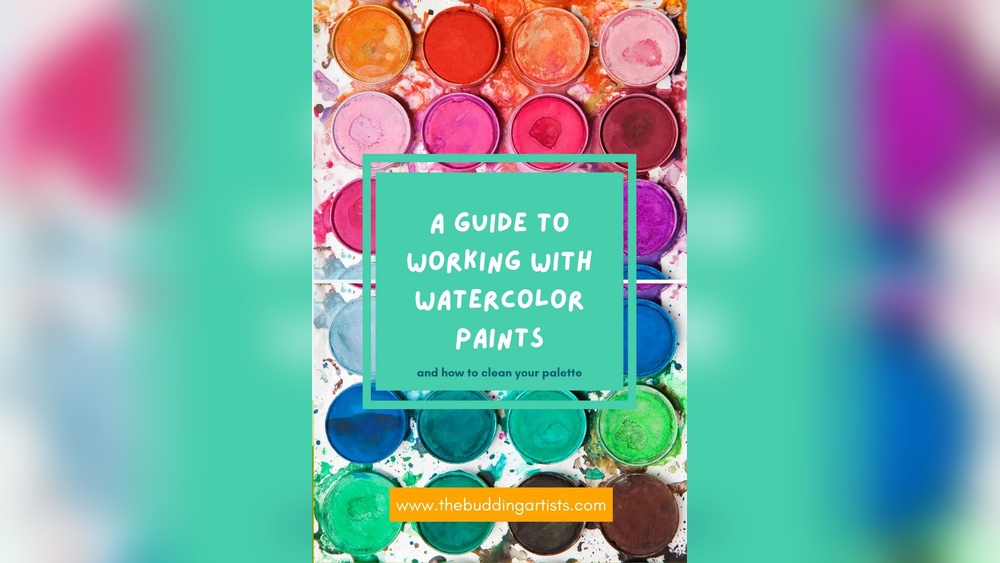
How to Clean a Watercolor Palette
Many watercolorists deliberately do not clean their wells. Dried watercolor rewets, so pans and squeezed tube paint can be reused for weeks. What usually needs cleaning is the mixing area.
- Mixing areas: Wipe with a damp sponge or paper towel, or rinse under the tap while shielding paint wells.
- Full clean: Rinse the entire palette under warm running water and gently rub with a soft sponge.
- Stains: Staining pigments like phthalo blue and green or quinacridones can tint plastic. A paste of baking soda and water, or a little rubbing alcohol on a cloth, can lighten stains; test on a small area first.
- Dry: Let it air dry fully before closing a travel palette, to prevent mold in humid conditions.
How to Clean a Stay Wet Palette
Stay wet (or wet) palettes use a damp sponge or paper towel under a sheet of membrane or parchment paper to keep acrylic workable. They need cleaning to prevent odors and mold. If you are new to them, our explainer on what a wet palette is and how it works covers the basics.
- Remove the paper. Discard the membrane paper or scrape usable paint onto a fresh sheet.
- Rinse the sponge thoroughly in clean water until it runs clear. Squeeze gently rather than wringing hard.
- Wash the tray with warm soapy water and rinse.
- Prevent mold: A few drops of a mild antimicrobial solution, or a copper coin placed in the water reservoir, are commonly used by painters to slow mold growth. Replacing the sponge periodically also helps.
- Dry fully if storing the palette for more than a few days.
Cleaning by Palette Material
| Material | Best tools | Notes |
|---|---|---|
| Plastic | Soak, peel, soft scraper, sponge | Stains easily; avoid harsh abrasives and some solvents |
| Glass | Razor scraper, solvent or water, glass cleaner | Easiest to restore to like new |
| Porcelain/ceramic | Water, sponge, gentle scrub | Resists staining; can chip if dropped |
| Metal (enamel) | Water, sponge | Do not soak for long; protect enamel from chips to avoid rust |
| Wood | Scrape, oil or solvent wipe | Do not soak; re-oil occasionally |
| Silicone | Let dry and peel, then wash | Dried acrylic pops off easily |
| Palette paper | Tear off and discard | No cleaning required |
Best Way to Clean a Glass Palette
Glass deserves a special mention because it is the easiest palette to clean thoroughly. Scrape both wet and dried paint with a single-edge razor blade in a holder, held at a low angle and pushed away from you. Wipe with solvent (oil) or water (acrylic), wash and finish with glass cleaner or rubbing alcohol. Even old, dried paint usually lifts cleanly.
Stopping Paint From Drying Out So You Clean Less
A lot of palette cleaning comes from paint drying before it gets used. Keeping paint workable reduces waste and scrubbing. Our guide on keeping a paint palette from drying out explains misting, wet palettes and covers in detail. Quick tips:
- Squeeze out only what you need for the session, especially acrylic.
- Mist acrylic paint every 10–15 minutes or use a wet palette.
- Cover oil paint piles with a lid or plastic wrap between sessions.
- Store covered oil palettes in a cool place or the freezer to slow drying.
Common Palette Cleaning Mistakes
Pouring paint water and solvent down the sink
Paint residue and solvents can harm plumbing and water systems. For acrylic, let rinse water settle or evaporate and discard solids in the trash. For solvents, let pigment settle in a closed jar, reuse the clear solvent and dispose of sludge according to local hazardous waste guidance.
Using steel wool on plastic or porcelain
Abrasives scratch plastic and can dull glazed surfaces. Soak and use soft scrapers instead.
Soaking wooden palettes
Water can warp wood and raise the grain. Wipe instead.
Letting acrylic dry in deep wells
Thick dried acrylic in narrow wells is hard to remove. Clean wells promptly or choose a palette with shallow wells for acrylic.
Not drying before storage
Damp palettes in closed cases can develop mold, especially wet palettes and travel watercolor sets.
Troubleshooting Specific Problems
Paint flakes keep appearing in my mixes
Dried acrylic or oil skins near the edges of the mixing area are breaking off. Scrape the entire palette, not just the center, and keep paint piles away from the area you mix in.
My wet palette smells sour
Bacteria or mold are growing in the sponge or paper. Discard the paper, wash the sponge and tray thoroughly, and use fresh, clean water. Replace the sponge if the smell returns quickly.
Oil paint left a sticky film
Partially dried oil and medium can feel tacky. Wipe with solvent or vegetable oil, then wash with dish soap to cut the remaining oil.
Porcelain wells look gray
Graphite or metal marks from brushes or tools can leave gray streaks. A gentle cream cleanser on a soft cloth usually removes them; test first on the underside.
A Simple Cleaning Routine
- During painting: Keep a paper towel handy to wipe the mixing area when it gets crowded.
- End of session: Save usable paint, scrape the mixing area, wipe residue.
- Weekly: Full wash with warm soapy water; address stains.
- Monthly: Inspect for damage; replace wet palette sponges and membranes as needed; re-oil wooden palettes.
Cleaning Brushes Alongside Your Palette
Palette and brush cleaning go hand in hand. Wipe excess paint from brushes on a paper towel before rinsing, which keeps rinse water and solvent cleaner for longer. For acrylic, rinse brushes frequently during a session so paint never dries near the ferrule, and wash with mild soap afterward. For oil, wipe, rinse in solvent or oil, then wash with soap and water and reshape the bristles. Storing brushes flat or bristles up while drying protects their shape.
Eco-Friendly Palette Cleaning Tips
Cleaning can generate a surprising amount of waste. A few habits reduce it:
- Use reusable palettes rather than disposable paper for everyday painting.
- Scrape before rinsing so most paint goes in the trash as solids instead of into water.
- Reuse solvent by letting pigment settle in a closed jar and decanting the clear liquid.
- Choose vegetable oil for wiping oil paint residue when possible, and reduce solvent use.
- Use washable rags for water-based paints, and launder them separately.
FAQs
How do you clean a palette after acrylic painting?
Wipe wet paint with a damp paper towel and wash with soap and water. For dried acrylic, soak in warm soapy water, then peel or scrape it off.
How do you clean a watercolor palette?
Rinse mixing areas with water and wipe with a sponge. Many artists leave dried paint in the wells to rewet later. Lighten stains with baking soda paste or a little rubbing alcohol.
What is the best way to clean a glass palette?
Scrape paint with a razor blade scraper at a low angle, wipe with solvent or water, wash with soap and finish with glass cleaner or alcohol.
How do you clean a stay wet palette?
Discard or replace the membrane paper, rinse the sponge until clear, wash the tray with soapy water and dry if storing it. Replace the sponge periodically to prevent mold.
Can I use rubbing alcohol to clean a palette?
Yes, on glass and many non-porous surfaces, especially for dried acrylic films. Test it on plastic first, since it can cloud some plastics.
How do I remove stains from a plastic palette?
Try a baking soda and water paste with a soft sponge, or a little rubbing alcohol. Some staining pigments leave a permanent tint that does not affect painting.
Final Thoughts
Cleaning a palette is quick when you match the method to the paint and the palette material, and when you clean before paint has a chance to harden. A minute at the end of each session saves a long scrub later. If your current palette stains easily or feels too big for detail work, see our picks for compact palettes that are easy to keep clean.




4 Comments