Oil painting is a wonderful way to express creativity. This art form has been loved for centuries. It offers rich colors and amazing textures.
Why Choose Oil Painting?
Oil painting is versatile. It allows for blending and layering. The colors stay vibrant for a long time. Artists can work on their painting for days, even weeks. This gives them plenty of time to perfect their artwork.
Basic Oil Painting Supplies
Before starting, you need some basic supplies. Here is a list of essential items:
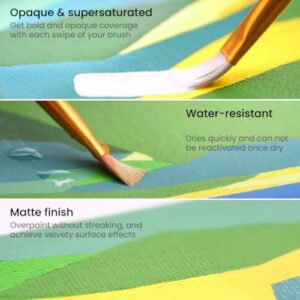
- Oil paints
- Brushes
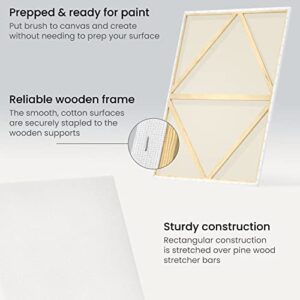
- Canvas or painting surface
- Palette
- Palette knives
- Linseed oil or other medium
- Turpentine or mineral spirits
- Rags or paper towels
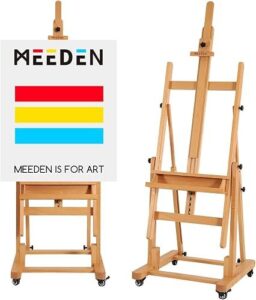
- Easel
Beginner Oil Painting Ideas
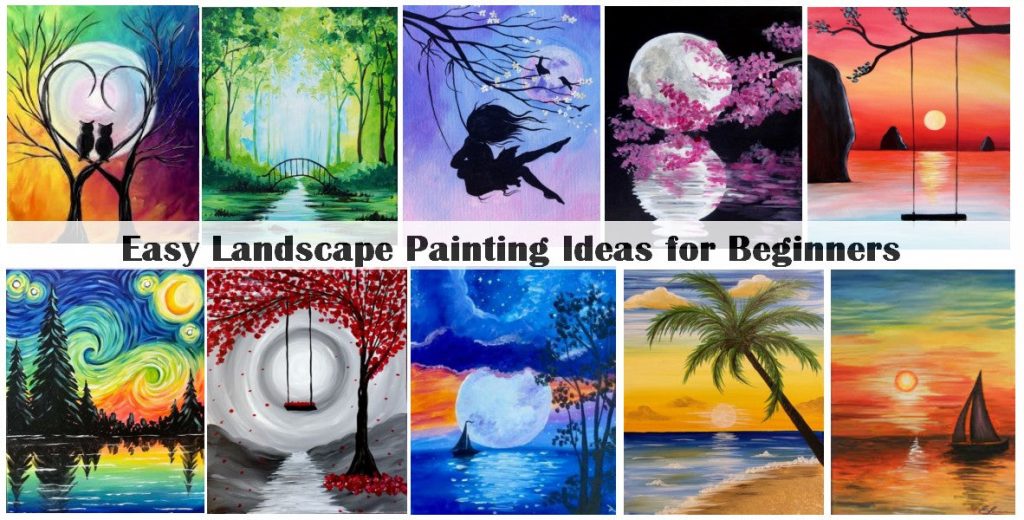
If you are new to oil painting, start with simple ideas. Here are some easy and fun projects:
1. Fruit Bowl
A bowl of fruit is a classic subject. It is simple but allows you to practice shapes and colors. Start with basic fruits like apples, oranges, and bananas.
2. Landscape
Paint a beautiful landscape. It could be a mountain, a beach, or a forest. Landscapes allow you to play with colors and brushstrokes.
3. Flowers
Flowers are lovely subjects. They help you practice delicate brushwork. Try painting a bouquet or a single flower.
4. Still Life
Arrange everyday objects on a table. It could be books, a vase, or kitchen items. Still life painting helps improve observation skills.
5. Abstract Art
Abstract art is all about expressing feelings. Use bold colors and shapes. There are no rules, so have fun with it!
Advanced Oil Painting Ideas
If you have more experience, try these advanced ideas. They will challenge and inspire you:
1. Portraits
Painting a portrait is challenging. It requires capturing a person’s likeness and emotions. Start with a self-portrait or a family member.
2. Night Scenes
Night scenes are dramatic and beautiful. They require understanding of light and shadows. Try painting a cityscape or a moonlit landscape.
3. Animals
Paint your favorite animal. It could be a pet or a wild animal. Focus on capturing their texture and personality.
4. Water Scenes
Water scenes can be very captivating. Paint oceans, rivers, or lakes. Practice reflections and movement in water.
5. Historical Events
Depict a historical event. It could be a famous battle or a significant moment in history. This requires research and attention to detail.
Oil Painting Techniques
There are many techniques in oil painting. Here are some popular ones:
1. Glazing
Glazing involves applying thin layers of paint. Each layer is transparent. This technique adds depth and richness to the painting.
2. Impasto
Impasto is the opposite of glazing. It involves applying thick layers of paint. This creates texture and adds a three-dimensional effect.
3. Scumbling
Scumbling involves lightly brushing a dry layer of paint. It creates a soft, textured effect. This technique is great for clouds and mist.
4. Wet-on-wet
Wet-on-wet is a quick and expressive technique. Paint is applied over wet paint. This allows for blending colors directly on the canvas.
5. Underpainting
Underpainting is the first layer of paint. It is usually done in a single color. This technique helps define the composition and values.
Tips for Successful Oil Painting
Here are some tips to help you succeed in oil painting:
- Always start with a sketch. It helps plan the composition.
- Use good quality materials. They make a big difference in the final result.
- Keep your brushes clean. Dirty brushes can ruin your painting.
- Be patient. Oil painting takes time to master.
- Practice regularly. The more you paint, the better you get.
:max_bytes(150000):strip_icc()/oil-painting-2-6109b6a387664508a56dbf8784048662.jpg)
Credit: www.thesprucecrafts.com
Finding Inspiration
Inspiration can come from anywhere. Here are some places to find it:
- Nature: Go for a walk and observe the beauty around you.
- Art Galleries: Visit art galleries and museums.
- Books: Read books about famous artists and their work.
- Online: Browse art websites and social media.
- Everyday Life: Look around you. Everyday objects can be inspiring.

Credit: www.pinterest.com
Frequently Asked Questions
What Are Some Easy Oil Painting Ideas?
Begin with simple landscapes, still life, or abstract designs. These are great for practicing techniques and building confidence.
How To Start Oil Painting For Beginners?
Gather basic supplies like brushes, paints, and canvas. Follow tutorials and practice basic strokes and blending techniques.
What Are Good Subjects For Oil Painting?
Nature scenes, portraits, and everyday objects make excellent subjects. They offer a variety of textures and colors to explore.
How To Choose Colors For Oil Painting?
Start with primary colors and mix to create a wider palette. Experiment with color theory and complementary shades.
Conclusion
Oil painting is a rewarding and enjoyable art form. Whether you are a beginner or an advanced artist, there are endless possibilities. Use these ideas and techniques to create beautiful and unique artworks. Happy painting!