Yes — in many cases you can get acrylic paint out of clothes if you act fast and use the right methods.
I’ve worked with paint and fabrics for years, tested stains, and helped friends salvage favorite shirts. This guide gives clear, step-by-step strategies for how to get acrylic paint out of clothes, whether the stain is fresh or set. You’ll find fast actions, tested cleaning recipes, fabric-specific advice, and smart decisions about when to call a pro. Read on to learn exactly what works, what doesn’t, and how to avoid common mistakes when you try to get acrylic paint out of clothes.
/BHG-how-to-get-acrylic-paint-out-of-clothes-7093317-hero-01-44181-e45f6f51b92e460096d92596af956d70.jpg)
Can you get acrylic paint out of clothes?
Short answer: yes, often — but results depend on how fast you act, the paint state, and fabric type.
Acrylic paint is water-based when wet and becomes water-resistant when it dries. That change matters. If you want to get acrylic paint out of clothes, timing and technique are your two best tools. I’ll walk you through priority steps for fresh spills, deeper work for dried stains, and which fabrics respond best to which methods.
:max_bytes(150000):strip_icc()/how-to-get-acrylic-paint-off-clothes-5323500-03-fa971e86103245c0bf76300b5f9334b0.jpg)
How acrylic paint behaves on fabric
Acrylic paint is made from pigment, acrylic polymer, and additives. When wet, it mixes with water. As it dries, the polymer forms a flexible plastic film that binds to fibers.
This means a fresh drop can often be rinsed away. A dried stain often needs solvents or mechanical removal. Natural fibers like cotton soak up paint more than synthetics, so results vary. I’ve tested this on cotton tees and canvas and found cotton holds pigment more deeply than polyester.
:strip_icc()/BHG-how-to-get-acrylic-paint-out-of-clothes-7093317-02-01-44221-f8706c2a60254a3e904eaf95a0012a35.jpg)
Immediate steps to take for fresh spills
Act now. Quick moves increase chances of success.
- Blot excess paint right away using a clean cloth or paper towel. Do not rub, which spreads the stain.
- Rinse the back of the fabric under cool running water to push paint out from the fiber, not deeper in.
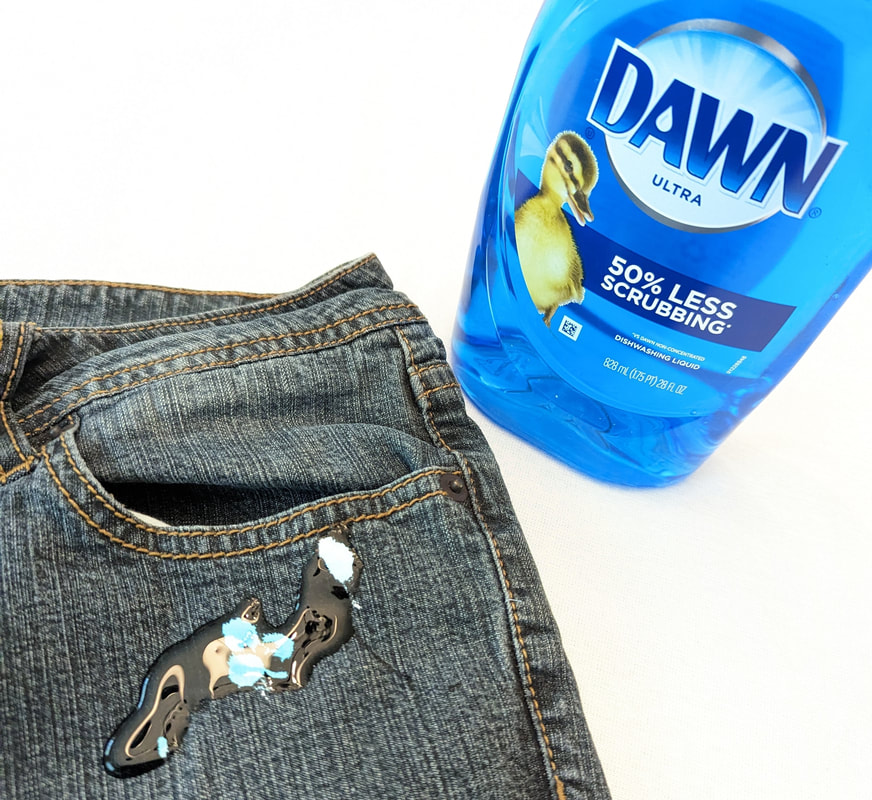
- Pre-treat the area with liquid dish soap or laundry detergent. Gently work the soap into the stain with your fingers or a soft brush.
- Rinse and repeat until the stain fades. Then launder as usual on the warmest safe setting for the fabric.
If you want to get acrylic paint out of clothes fast, these steps give the best shot for fresh spills. I’ve saved many shirts this way after art nights.

Removing dried acrylic paint from clothes
Dried paint is harder but still removable in many cases.
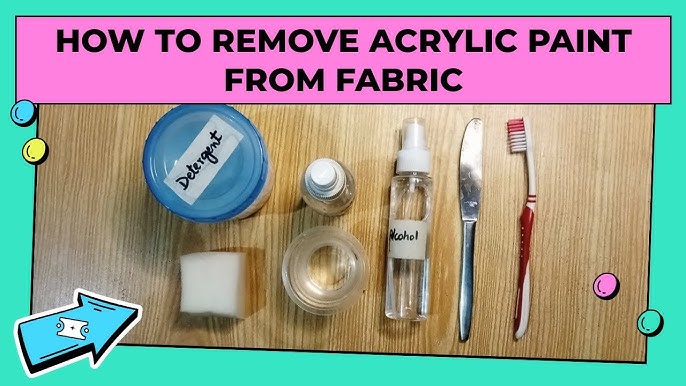
- Scrape off any thick crust with a dull knife or spoon. Be careful not to tear fibers.
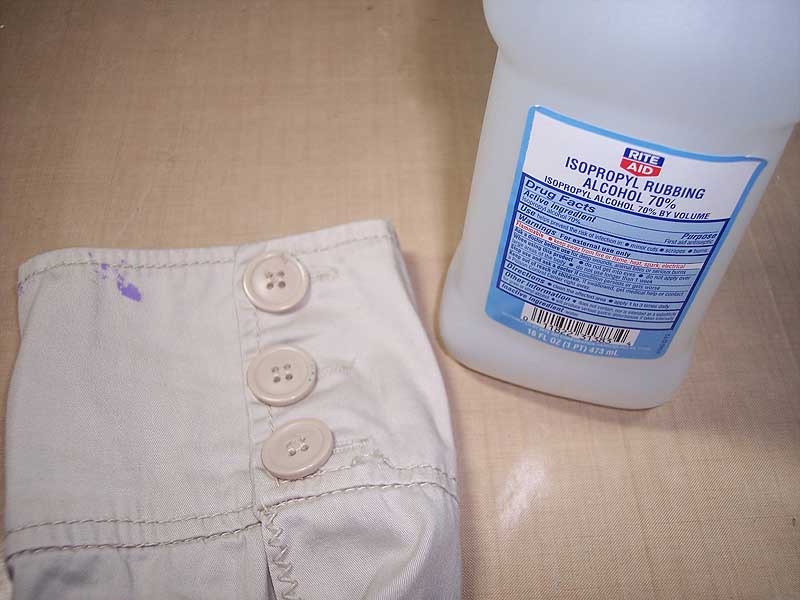
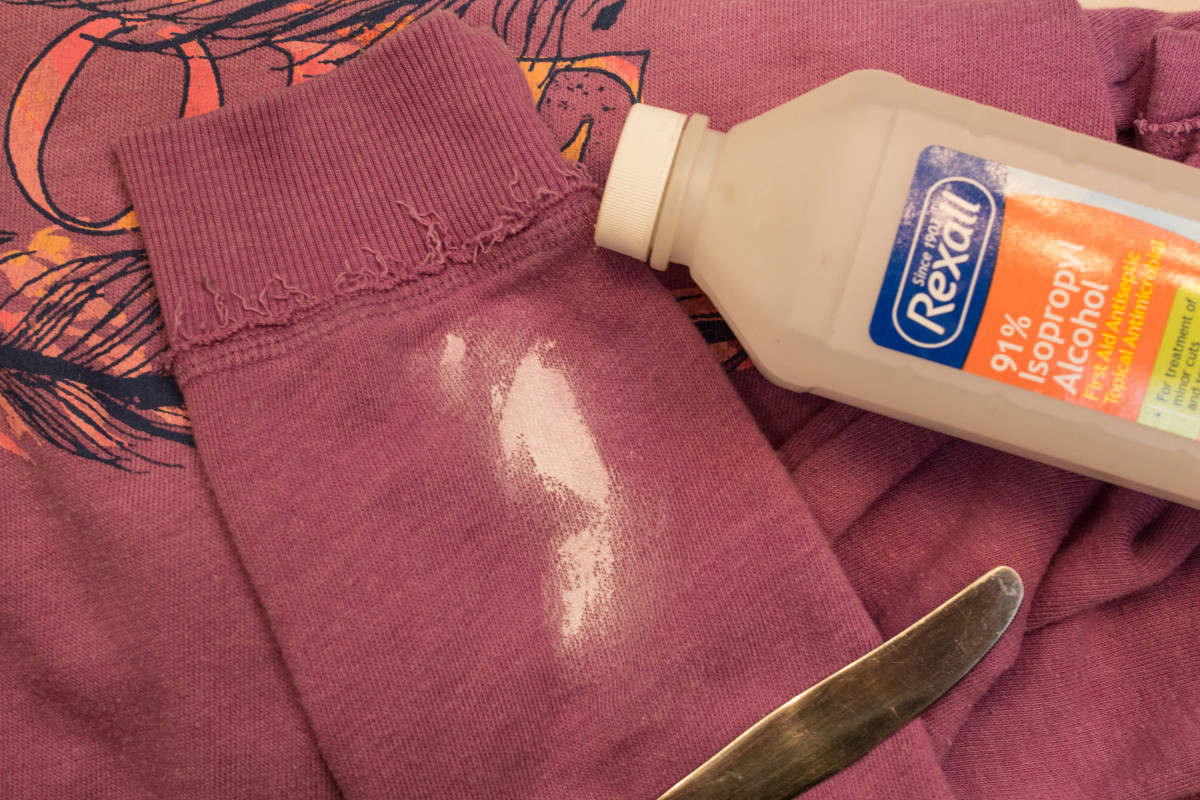
- Soften the remaining film with rubbing alcohol, hand sanitizer (60%+ alcohol), or an acetone-based nail polish remover. Test first on an inside seam.
- Gently blot the softened paint with a clean cloth. Avoid strong scrubbing that damages fibers.
- Follow with a liquid laundry detergent soak or an enzyme prewash product for at least 30 minutes, then machine wash.
If the paint still won’t budge, repeat the solvent step once. For stubborn stains, consider professional cleaning or a color-safe bleach for white or colorfast items. From my experience, acetone reliably breaks down dried acrylic on many fabrics but can affect dyes, so test cautiously.

Fabric-specific tips and cautions
Different fabrics need different care. Know the fiber before aggressive treatment.
- Cotton and linen: Absorb paint deeply but are tolerant of scrubbing and hot water. Soak and repeat solvent treatments work well.
- Polyester and synthetics: Resist water but may not tolerate heat or acetone. Use alcohol-based solvents and cool washes.
- Silk and wool: Very delicate. Avoid strong solvents and hot water. Take these to a pro if paint is set.
- Blends: Treat like the most delicate fiber in the blend. Test cleaning methods on a hidden spot.
When you try to get acrylic paint out of clothes, always check the care label. I once ruined a wool scarf by using acetone without testing. Learning from that mistake made me more cautious.
DIY cleaners and home remedies that work
Simple household items can be effective and cheap.
- Dish soap or liquid laundry detergent: Great for wet paint and mild stains.
- Rubbing alcohol or hand sanitizer: Good for softened dried paint on many fabrics.
- Acetone (nail polish remover): Strong solvent for dried paint; test first.
- White vinegar: Helps loosen paint and neutralize residues; pair with soap.
- Hairspray (high alcohol): Can help lift paint film in a pinch, then launder.
Use small amounts and test on an inconspicuous seam. Avoid mixing chemicals like bleach and ammonia. From practical testing, a mix of rubbing alcohol followed by detergent soak was the most consistent home fix I used for set stains on cotton.
Commercial products and tools to remove acrylic paint
When DIY isn’t enough, targeted products help.
- Paint removers labeled safe for fabrics: Follow instructions and test colorfastness.
- Enzyme-based prewash stain removers: Good for breaks in paint binding and protein stains.
- Oxygen bleach (color-safe): Works for lightening stubborn pigments on white or colorfast items.
- Solvent-based cleaners for art materials: Effective on dried acrylic but can harm dyes.
If you need to get acrylic paint out of clothes regularly, keep a small bottle of rubbing alcohol and a quality enzyme stain remover at hand. I recommend starting with milder products and moving to stronger ones only as needed.
Prevention: How to avoid acrylic paint stains on clothes
Prevention beats cure. A few habits save garments.
- Wear an apron, old shirt, or coveralls during painting.
- Keep paper towels and a bowl of water nearby to catch spills quickly.
- Wash paint-stained clothes separately to avoid transfer.
- Treat stains immediately; fresh paint is far easier to remove.
In my studio, I label “work shirts” and keep a small stain kit nearby. This cuts cleanup time and protects my nicer clothes.
When to seek professional help
Some scenarios call for experts.
- The fabric is delicate or expensive, like silk, wool, or designer items.
- The paint covers a large area or is heavily embedded in the weave.
- Home methods risk damaging color or fiber integrity.
A professional cleaner can use industry solvents and steam techniques that are gentler on fabrics. I’ve surrendered a few stubborn acrylic stains to pros and saved the garment. It’s often worth the cost for a beloved item.
Frequently Asked Questions of can you get acrylic paint out of clothes
Can you get acrylic paint out of clothes after it dries?
Yes, often. Use solvents like rubbing alcohol or acetone to soften dried paint, then launder after blotting and scraping away loosened paint.
Will vinegar remove acrylic paint from fabric?
Vinegar can help loosen paint and remove residue, but it is usually most effective when combined with soap and mechanical action.
Is rubbing alcohol safe on colored clothes?
Rubbing alcohol can be safe on many colored fabrics but always test on an inconspicuous area first to check for dye loss.
Can I use bleach to remove acrylic paint?
Regular chlorine bleach may remove pigment on white fabric but can damage color and weaken fibers; oxygen bleach is safer for colorfast items.
How long should I soak a paint-stained shirt?
Soak for at least 30 minutes with detergent or stain remover; repeat and scrub gently if needed. For set stains, repeat solvent and soak cycles.
Conclusion
You can get acrylic paint out of clothes in many cases, especially when you act fast and use the right approach. Start with blotting and rinsing for fresh spills, use alcohol or acetone for dried paint, and match the method to the fabric. Test treatments on hidden areas and consider a professional for delicate or cherished items. Take these steps, and you’ll save more clothes and avoid costly replacements.
Try the quick steps on your next stain and leave a comment sharing what worked for you. If you found this guide helpful, subscribe for more cleaning and fabric care tips.