Use warm soapy water for latex, mineral spirits for oil, alcohol for shellac.
Cleaning a brush should be simple, but the right method depends on your paint and brush. In this expert guide on what to use to clean paint brushes, I break down the exact products and steps I use on job sites and in the studio. You will learn the safest cleaners, how to rescue a stiff brush, and how to make your tools last for years.

How paint and bristle type decide what to use to clean paint brushes
Your paint type is the final judge of what to use to clean paint brushes. Water-based paint wants water. Oil-based paint needs a solvent. Specialty finishes call for special cleaners.
Bristle type matters too. Natural bristle likes oil-based products. Synthetic bristle handles water-based coatings better. Hot water, harsh chemicals, or long soaks can bend or swell fibers.
Follow the maker’s label when unsure. It often lists the exact cleaner. That is the most reliable cue for what to use to clean paint brushes.
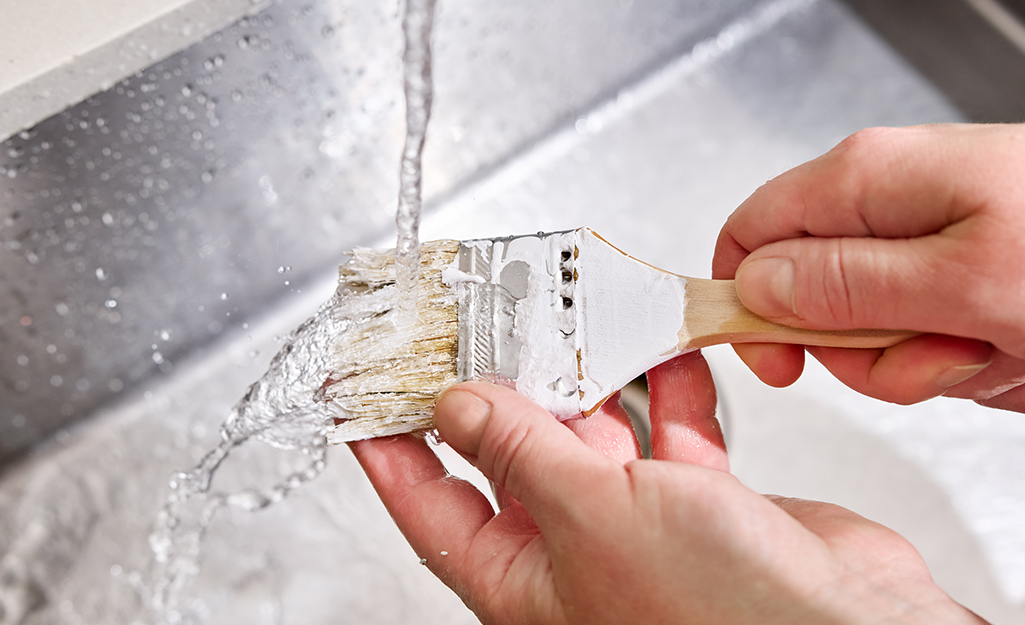
What to use to clean paint brushes used with water-based paints
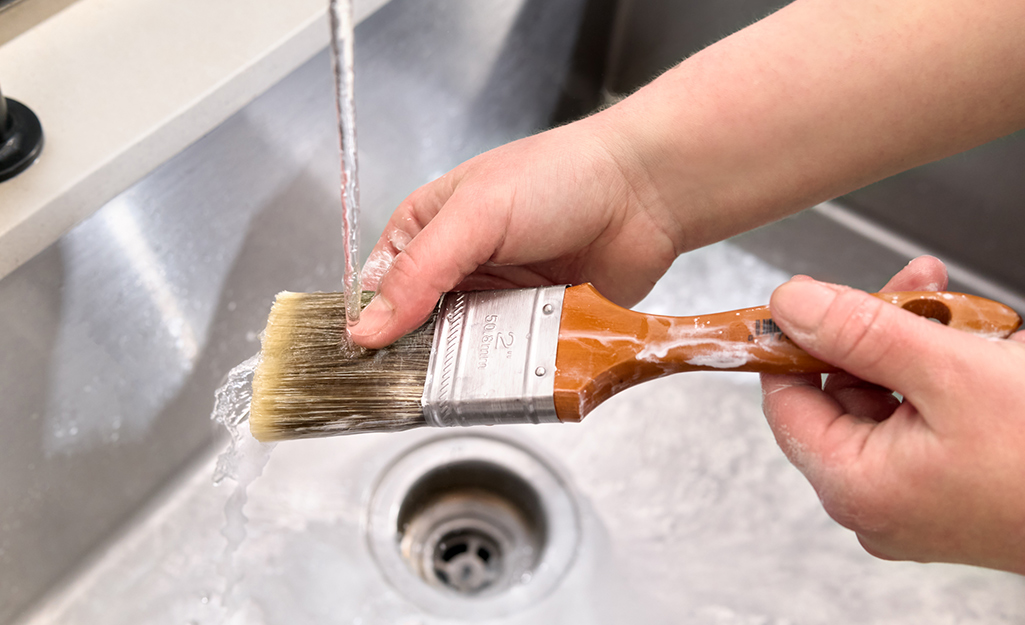
For acrylic, latex, and most water-based primers and topcoats, keep it simple. Use warm water and a mild soap. Brush soaps made for artists also work well and rinse clean.
Use this basic method:
- Rinse in warm water until it runs near clear.
- Work dish soap or brush soap into the bristles.
- Comb paint near the ferrule with a brush comb.
- Rinse and repeat until the foam is white.
- Shake, reshape, and dry flat or hang.
If paint has started to dry, a 1:1 mix of warm water and white vinegar can help soften latex. Rinse well after. This approach is gentle, safe, and ideal when you are unsure what to use to clean paint brushes on water-based coatings.
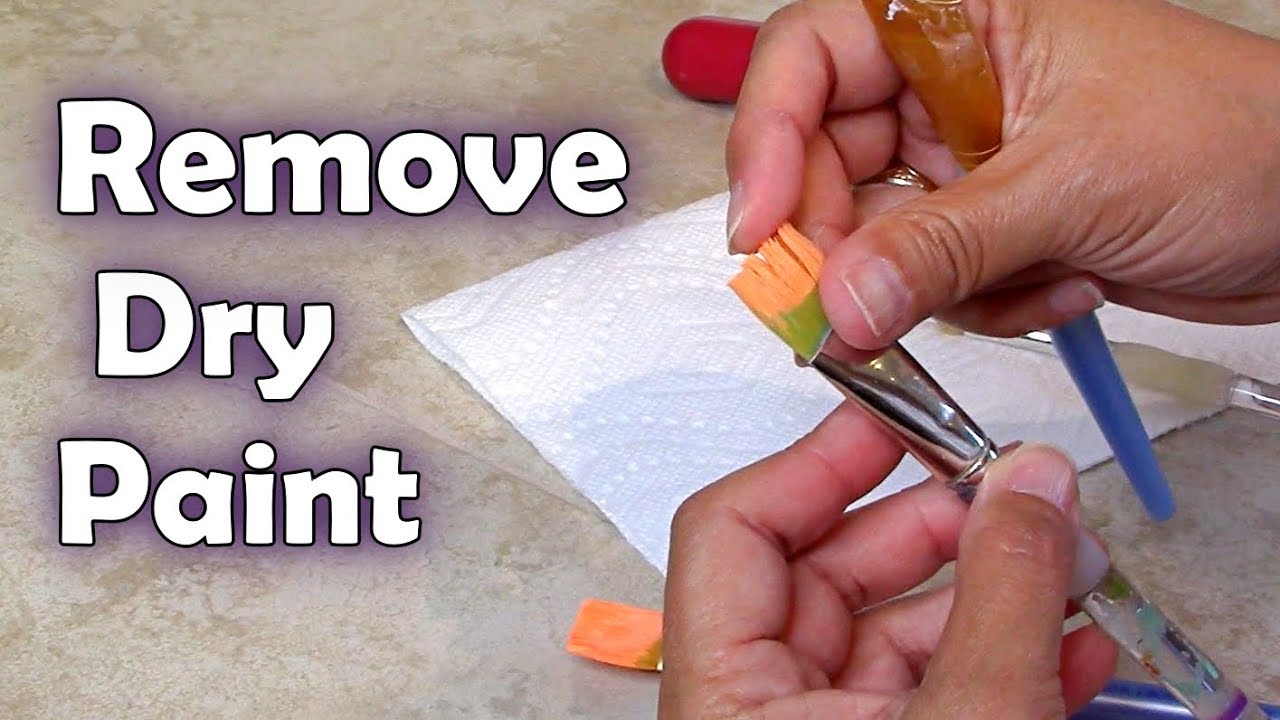
What to use to clean paint brushes used with oil-based paints and stains
Oil-based paints, alkyd primers, and oil stains do not rinse out with water. You need a solvent. My go-to is odorless mineral spirits. It works, smells less, and is easy to recycle.
Here is a simple plan:
- Start with a jar of clean mineral spirits.
- Swirl and press the bristles on the jar wall.
- Move to a second jar to finish.
- Comb bristles to free residue.
- Wash with soap and warm water to remove solvent.
- Reshape and dry.
Turpentine cleans fast but has a strong odor. Citrus-based brush cleaners work too and smell better but can be slow. No matter what you choose, dispose of used solvent correctly. This is key when deciding what to use to clean paint brushes in a safe way.
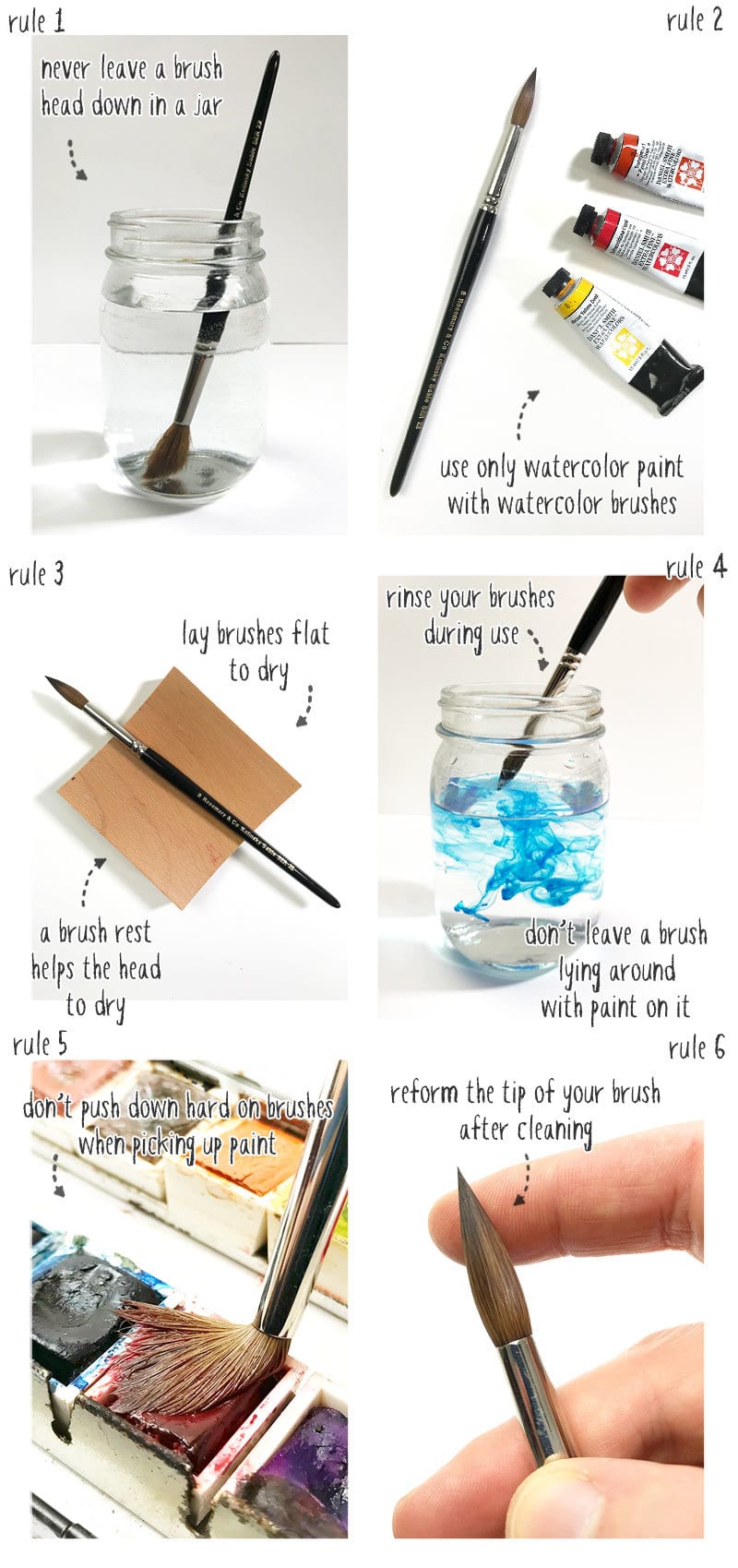 specialty finishes”
style=”max-width: 100%; height: auto; border: 2px solid black; border-radius: 10px; display: block; margin: 0 auto;”
loading=”lazy”
/>
specialty finishes”
style=”max-width: 100%; height: auto; border: 2px solid black; border-radius: 10px; display: block; margin: 0 auto;”
loading=”lazy”
/>
What to use to clean paint brushes for specialty finishes
Some coatings need specific cleaners. Use the right one, or you may ruin the brush or the coating.
Match the finish and cleaner:
- Shellac uses denatured alcohol. Rinse with soap and water after.
- Lacquer uses lacquer thinner. It flashes fast, so ventilate well.
- Water-based polyurethane uses warm soapy water.
- Oil-based polyurethane uses mineral spirits.
- Two-part epoxy cleans with acetone before it cures. After cure, it will not come out.
Always test a small area if you are unsure. The safest answer to what to use to clean paint brushes for specialty products is the manufacturer’s label.
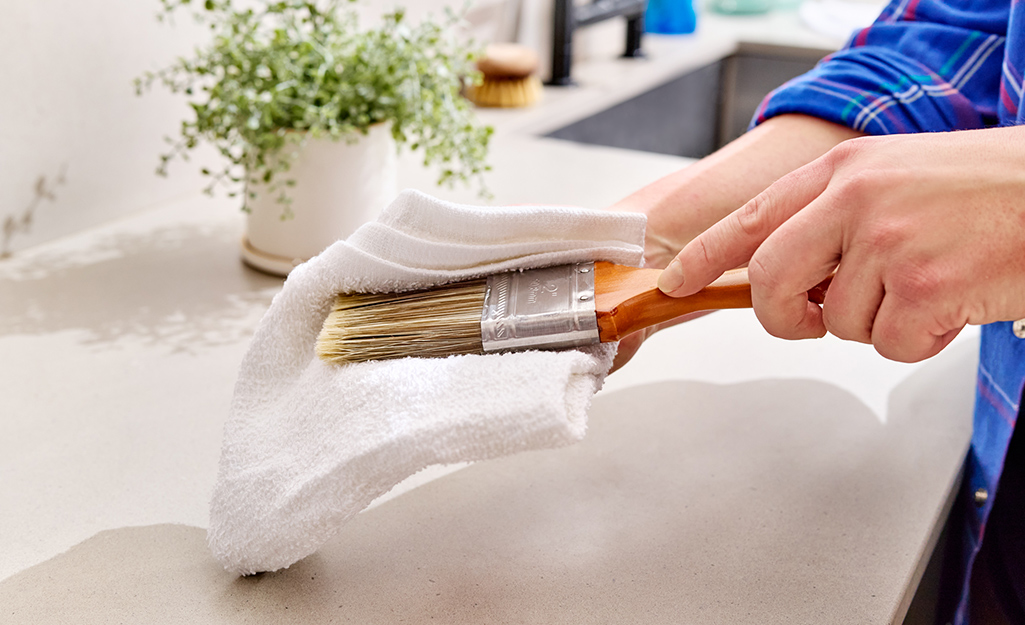
How to rescue a dried or stiff brush
A dried brush is not always lost. You can bring many back with patience. I have revived brushes that felt like sticks.
Try these steps:
- For dried latex or acrylic, soak in isopropyl alcohol for 30 to 60 minutes. Comb gently and repeat.
- A small ammonia bath can help with acrylic. Use a 1:4 ammonia-to-water mix. Never mix ammonia with bleach. Ventilate well.
- For dried oil paint, soak in fresh mineral spirits overnight. Comb and wash with soap.
- Use a commercial brush restorer if needed. Rinse and condition.
Do not chip paint with knives. That can cut bristles. Slow and gentle wins. If you ever wonder what to use to clean paint brushes after they have hardened, start with the mildest option, then step up.
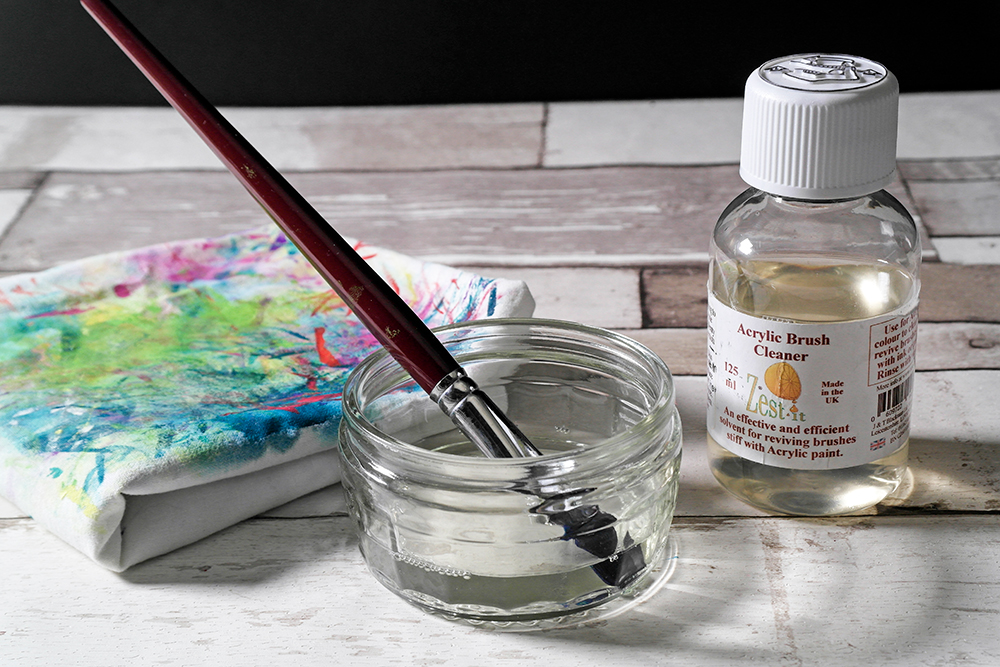
Step-by-step method for a perfect clean every time
Use this repeatable workflow. It keeps brushes soft and ready.
- Wipe out excess paint on cardboard or a rag.
- Choose the right cleaner based on paint type.
- Swirl the brush and press paint out against the container side.
- Refresh the cleaner when it turns cloudy.
- Comb from ferrule to tip to clear trapped paint.
- Wash with soap and warm water until the foam is white.
- Rinse, shake, and blot. Reshape the tip.
- Dry flat or hang. Do not store wet in a closed space.
This process is fast. It also extends tool life. It is the most practical answer to what to use to clean paint brushes and how to do it right.

Tools and products I trust for clean, long-lasting brushes
A few tools save time and protect bristles. I keep them in a small caddy.
- Brush soap. It cleans and conditions.
- Brush comb. It clears the heel near the ferrule.
- Two-jar system. One for dirty cleaner, one for clean.
- Brush spinner. It removes water and helps reshape.
- Stainless tray or disposable pan. It keeps solvents stable and upright.
With these tools, what to use to clean paint brushes becomes simple and repeatable. Your brushes will dry smooth and ready for the next coat.

Safety, disposal, and eco-wise choices
Good cleaning is safe cleaning. Solvents and sludges need care. Think fresh air, gloves, and smart disposal.
Follow these tips:
- Ventilate and wear nitrile gloves when using solvents.
- Do not pour solvents down the drain. Let paint settle, reuse the clear layer, and take sludge to hazardous waste.
- Keep solvent rags in a metal can with a tight lid. Oily rags can self-heat.
- Choose low-odor and low-VOC products when possible.
- Store cleaners away from flames and heat.
This is part of what to use to clean paint brushes that many skip. Safety makes your shop better and keeps costs low.

Common mistakes to avoid when deciding what to use to clean paint brushes
Small errors can wreck a good brush. These are the big ones I see.
- Using hot water. It can curl bristles and set paint.
- Soaking past the ferrule. It loosens glue and causes shedding.
- Using water on oil-based paint. It will not work and wastes time.
- Skipping the soap wash after solvent. Residue can cause poor finishes.
- Storing wet in a jar. Bristles bend and stay that way.
Avoid these and you will always know what to use to clean paint brushes and how to keep them like new.
Frequently Asked Questions of what to use to clean paint brushes
What do I use to clean paint brushes after latex paint?
Use warm water and mild dish soap. Rinse until clear, then comb and reshape.
What do I use to clean paint brushes with oil-based paint?
Use odorless mineral spirits. Follow with a soap-and-water wash to remove residue.
Can I use vinegar to clean paint brushes?
Yes, for softening dried latex or acrylic. Rinse with soap and water after to remove the odor.
What is the best solvent for shellac on brushes?
Use denatured alcohol. It dissolves shellac fast and rinses clean with soap and water.
How do I clean dried paint out of a brush?
For dried acrylic, use isopropyl alcohol or a small ammonia mix. For dried oil, soak in mineral spirits, then comb and wash.
Conclusion
Keep it simple and choose the cleaner that matches your paint. Water and soap for latex. Mineral spirits for oil. Alcohol for shellac. Use the right tools, clean in stages, and dry the brush in shape.
Adopt this method on your next project. Your finishes will look better and your brushes will last longer. Want more shop-tested tips like what to use to clean paint brushes? Subscribe, share your questions, or leave a comment with your toughest brush issue.