Acrylic and oil paints are best for canvas, with acrylics most beginner-friendly.
If you are debating what type of paint for canvas will match your style, your goals, and your budget, you are in the right place. I have helped new painters and working artists pick the right tools for years. Below, I break down what type of paint for canvas works best, when to use it, and how to avoid costly mistakes. The advice is simple, tested in real studios, and grounded in safe, archival practice.
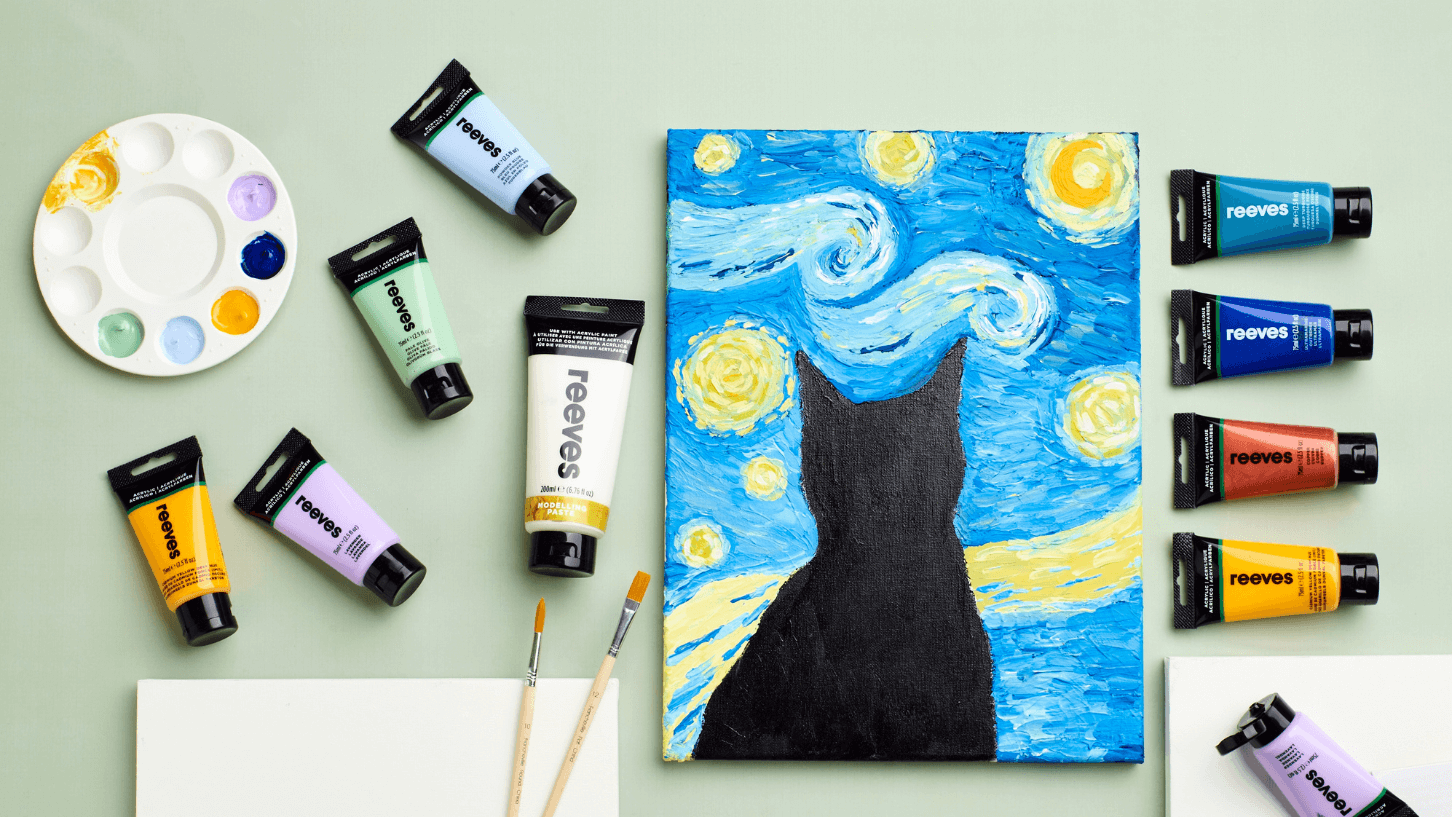
How to choose what type of paint for canvas
Choosing what type of paint for canvas starts with your needs. Think about speed, look, budget, and care. Acrylic is fast, strong, and easy to clean. Oil is rich, slow, and great for smooth blends. Both are ideal on primed canvas.
Use this quick guide to decide:
- If you want fast results and easy cleanup, choose acrylic.
- If you want long open time and classic depth, choose oil.
- If you want flat, matte color with no glare, try acrylic gouache.
- If you want delicate stains and soft edges, prepare canvas for watercolor.
Ask these questions when you pick what type of paint for canvas:
- How fast do I need the paint to dry?
- Do I want brush marks or smooth blends?
- How will I protect and show the piece?
- What is my space like for smell and cleanup?
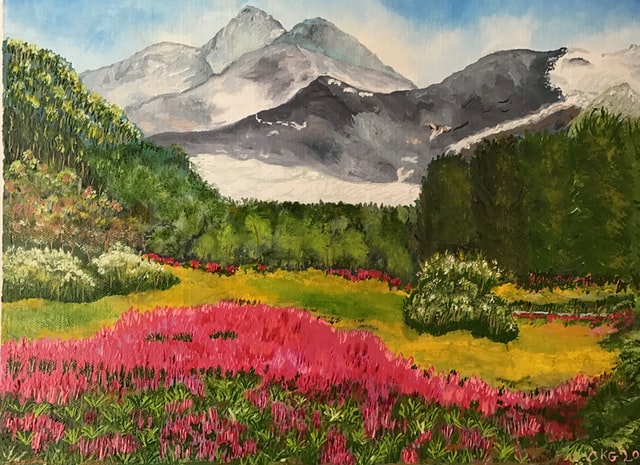
Acrylic paint on canvas: pros, cons, and best uses
Acrylic is my top pick when folks ask what type of paint for canvas. It dries fast, sticks well, and is flexible. It can look glossy or matte. You can thicken it or thin it. It is water-based and simple to clean.
Pros:
- Sets fast, so you can layer in minutes.
- Water cleanup and low odor.
- Works with gels, pastes, and mediums.
- Holds bright color and resists cracking.
Cons:
- Fast drying can make blending hard.
- Colors may darken a bit as they dry.
- Some cheap paints have low pigment.
Best uses and tips:
- Use heavy body acrylic for texture and brush marks.
- Use fluid acrylic for pours, glazing, and fine detail.
- Try open acrylics for longer blending time.
- Seal finished work with an isolation coat and a varnish.
If you still wonder what type of paint for canvas suits a first studio, acrylic wins. It is the most forgiving start.
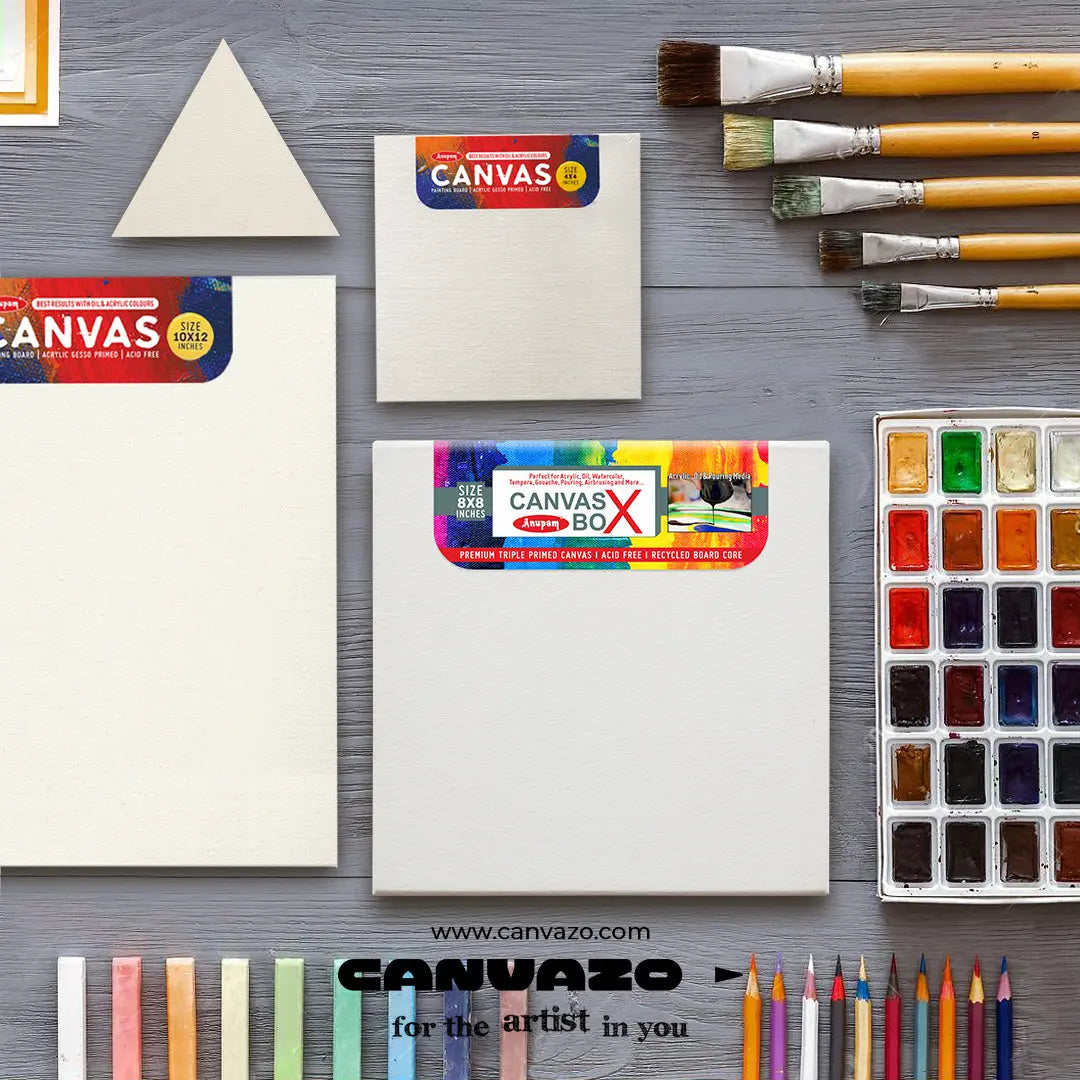
Oil paint on canvas: pros, cons, and best uses
Oil shines when the goal is depth and smooth blends. It is a classic answer to what type of paint for canvas if you love rich color and long work time. It needs more care and space, but the results can be timeless.
Pros:
- Long open time for soft edges and subtle shifts.
- High pigment load and deep color.
- Strong surface when fully cured.
Cons:
- Needs solvents or safe oil-based methods for cleanup.
- Drying takes days to months.
- Requires care with rags and ventilation.
Best uses and tips:
- Use a fat over lean method to avoid cracks.
- Try odorless mineral spirits or a citrus solvent and good airflow.
- Wipe brushes, then wash with soap to cut down on solvent use.
- Wait several months before final varnish, or use retouch varnish sooner.
Ask a museum tech what type of paint for canvas lasts, and oil is still a gold standard when prepared well.

Gouache and watercolor on canvas: when they work
Gouache and watercolor are not the first pick for raw canvas. But you can make them work with the right ground. If you ask what type of paint for canvas when you want matte, graphic color, acrylic gouache is ideal. Regular gouache can flake on plain canvas. Use an absorbent ground or a smooth gesso layer.
Tips for gouache:
- Choose acrylic gouache on gessoed canvas for a flat matte finish.
- Regular gouache stays water-soluble. Frame under glass or seal with care.
Tips for watercolor:
- Use watercolor ground to prime the canvas.
- Expect high lifting. Glazes may move if you overwork them.
- Seal and frame under glass to protect.
If your style is posters, murals, or flat design, and you keep asking what type of paint for canvas, try acrylic gouache on a well-primed surface.
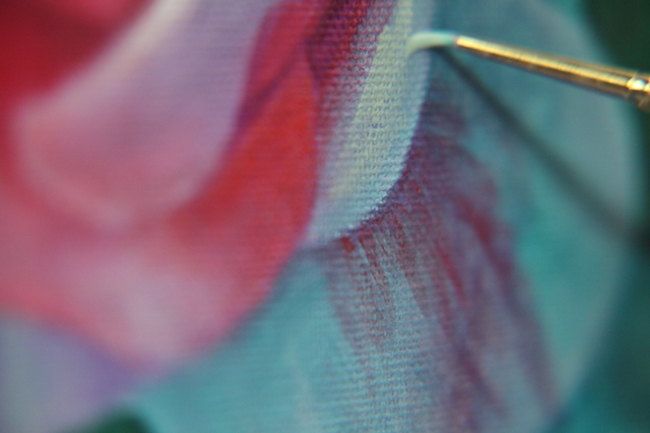
Gesso, priming, and canvas types matter
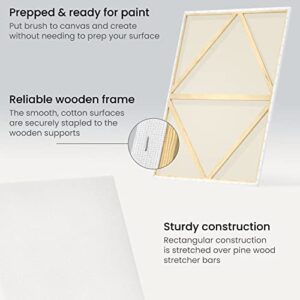
Surface prep can make or break your work. If you ask what type of paint for canvas and skip primer, results will suffer. Most store canvas is primed with acrylic gesso. This works for acrylic or oil. For top oil results, many artists like oil ground.
Key notes:
- Cotton canvas is budget friendly. Good for studies and finished work.
- Linen is stronger with a fine weave. Great for detail and pro finishes.
- Add an extra coat or two of gesso for a smoother surface.
- For oil, size raw canvas before priming to protect fibers.
Museum and lab tests support oil over acrylic gesso when done right. Still, oil ground can give a slicker glide and brighter whites.
Paint traits that change your results
The best answer to what type of paint for canvas also depends on traits inside the tube. These traits change how paint moves and dries.
What to look at:
- Pigment load. More pigment means stronger color and better mixing.
- Binder. Acrylic uses polymer. Oil uses drying oils like linseed.
- Viscosity. Heavy body shows strokes. Fluid runs and pours.
- Open time. Slow paints blend. Fast paints layer fast.
Studio tip:
- Buy a warm and cool of each primary, plus white. This simple set will teach you fast.
Finish, varnish, and long term care
Your finish affects color, contrast, and dust control. A good varnish also helps with cleaning. When people ask what type of paint for canvas will last, I stress protection.
For acrylic:
- Apply an isolation coat before varnish.
- Choose gloss for rich color, matte for soft look, or satin for balance.
- Use a removable varnish to allow future cleaning.
For oil:
- Dust dry paintings with a soft brush.
- Use retouch varnish after a few weeks if needed.
- Use final varnish after full cure, often six months or more.
Display tips:
- Keep out of direct sun if possible.
- Avoid damp areas. Use spacers if you frame under glass.

Common mistakes and how to avoid them
I see the same errors again and again. These simple fixes can save your work and your sanity.
Avoid these pitfalls:
- Skipping primer. Paint can sink and look dull.
- Mixing oil and water mediums in one layer. Keep systems clear.
- Thick slow-drying layers under thin fast ones. Follow fat over lean.
- Using cheap brushes on large work. They shed and leave tracks.
If you still ask what type of paint for canvas for clean edges and fast progress, go with acrylic and a mid-viscosity line. Learn control, then branch out.

Budget, brands, and starter kits I recommend
You do not need a big set to start. Quality beats quantity. When people ask what type of paint for canvas on a budget, I suggest a small pro or student set with core colors.
Starter list for acrylic:
- Titanium White, Hansa Yellow Medium, Pyrrole Red, Quinacridone Magenta, Ultramarine Blue, Phthalo Blue Green Shade, Burnt Umber.
- One gloss medium and one gel.
- Two coats of gesso on the canvas.
Starter list for oil:
- Titanium White, Yellow Ochre, Cadmium Red Hue or Pyrrole Red, Alizarin Permanent, Ultramarine Blue, Phthalo Blue, Burnt Umber.
- Linseed or walnut oil plus odorless mineral spirits.
- Pre-primed canvas or oil ground panel.
If cost is tight and you ask what type of paint for canvas that still looks pro, pick student paint for large areas and pro colors for key mixes like blues and reds.
Safe cleanup, ventilation, and environmental tips
Safety matters as much as color. This is part of the real answer to what type of paint for canvas in a home studio.
Do this:
- Ventilate when you use oils and solvents.
- Store solvent rags in a sealed metal can to prevent fires.
- Do not pour paint water or solvent down the sink. Let solids settle, then dispose as waste.
- Wear gloves if you have skin issues or use strong pigments.
These habits protect your lungs, your drains, and your work.
Frequently Asked Questions of what type of paint for canvas
Is acrylic or oil better for beginners?
Acrylic is better for beginners. It dries fast, cleans with water, and is budget friendly.
Can you use oil paint on acrylic gesso?
Yes, you can. Acrylic gesso is a standard ground for oil and acrylic.
Can watercolor work on canvas?
Yes, but only with watercolor ground. Regular canvas will not hold watercolor well.
What is the best varnish for acrylic on canvas?
Use a removable acrylic varnish. Pick gloss, satin, or matte based on your look.
Do I need to prime pre-primed canvas?
Often no, but one or two extra coats of gesso can improve the surface. It helps with coverage and control.
What brushes work best on canvas?
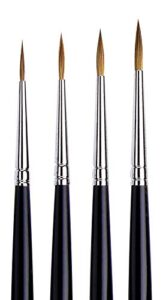
Use synthetic bristle for acrylic and soft natural or blend for oil. Size and shape depend on the stroke you want.
How long should I wait to varnish oil paintings?
Wait until the painting is fully cured. This can take six months or more for thick work.
Conclusion
Choosing what type of paint for canvas is about fit, not hype. Acrylic offers speed and control. Oil offers time and depth. Gouache and watercolor can work with the right ground and care. Prep your surface, use sound methods, and protect the finish.
Pick one system this week and make a small study. Note how it dries, blends, and cleans. Then adjust. If this guide helped you decide what to try next, share it with a friend, subscribe for more studio tips, or drop a question in the comments.