When you step away from your painting for a day, you may return to find your acrylic paints on the palette have dried out. This is a common frustration for artists. Acrylics dry fast because they are water-based, and the air in your studio pulls that moisture away quickly. But before you scrape the dried paint into the trash, know that rehydrating dried acrylic on your palette is possible, though it takes care and technique. Not every method will bring back the creamy, workable paint you want, but with the right approach, you can save time, money, and waste.
This guide explores the practical ways to rehydrate dried acrylic paint on your palette. You’ll learn what works, what doesn’t, and why some methods are better than others. Along the way, you’ll pick up tips to avoid common mistakes, keep your palette fresh longer, and even make your own rehydration tools.
Whether you’re a beginner or an experienced painter, these insights will help you make the most of every drop of paint.
Understanding Why Acrylic Paint Dries Out
Acrylic paint dries when water in the paint evaporates. The binder (usually an acrylic polymer) then forms a solid film. This process is fast—sometimes just 10 to 20 minutes in a dry room. Factors like room temperature, humidity, and air movement affect drying speed. For example, a hot, dry day can dry acrylic paint twice as fast as a cold, humid one.
Once the paint dries, it’s no longer water-soluble like watercolor. Instead, it becomes plastic-like and tough. This is great for durability on canvas but a challenge when you want to keep using the paint on your palette.
Can You Really Rehydrate Dried Acrylic Paint?
The short answer: It depends on how dry the paint is.
- If the paint is just starting to dry (still a bit soft or sticky), you can often bring it back to life.
- If the paint has dried completely, forming a solid plastic film, it’s very hard to make it usable again for painting.
Acrylics are designed to be permanent after drying. Rehydrating works best in the early stages of drying, but you may still get some results from older dried paint for mixing, texture, or underpainting.
Essential Tools And Materials For Rehydrating Acrylic Paint
You don’t need expensive equipment, but having the right tools makes a big difference. Here’s what you’ll need:
- Spray bottle with clean water
- Palette knife or old brush
- Plastic wrap or airtight palette lid
- Acrylic medium (optional)
- Old jars or cups for soaking
- Paper towel or sponge
Choosing The Right Palette
Plastic and glass palettes are easier to clean and reuse. Wooden palettes absorb water and paint, making rehydration harder. If you use a wooden palette, line it with a plastic sheet or baking paper.
Methods To Rehydrate Dried Acrylic Paint
There are several ways to rehydrate acrylic paint on your palette, each with its pros and cons.
1. Water Spray Method
The simplest method is to mist the paint with water using a spray bottle.
Steps:
- Hold the spray bottle about 6 inches from the paint.
- Mist lightly. Don’t soak the paint—just dampen the surface.
- Wait 2-5 minutes. The water will soften the paint.
- Use a palette knife to mix and test the texture.
- Repeat if needed, but avoid flooding the palette.
Tip: This works best for paint that’s still tacky or only recently dried.
2. Soaking Method
If the paint is thicker or has dried for a few hours, you can try soaking.
Steps:
- Scrape the paint chunks off the palette with a palette knife.
- Place them in a small jar or cup.
- Cover with water and let them soak for 30 minutes.
- Stir or mash with a stick or old brush.
- Try to remix the paint into a paste.
Limitation: This method rarely restores a smooth, creamy texture but is useful for textured effects or underpainting.
3. Using Acrylic Mediums
Acrylic mediums are designed to adjust the texture and drying time of paints. The acrylic retarder or flow improver can help revive slightly dried acrylic.
Steps:
- Add a drop or two of medium to the dried paint.
- Mix vigorously with a palette knife.
- Add a little water if needed.
Mediums can restore flexibility and smoothness better than plain water. However, if the paint is fully dried, even mediums can’t make it perfect.
4. Covering With Plastic Wrap
If you notice your paint drying, quickly cover the palette with plastic wrap or an airtight lid.
Steps:
- Spray the paint lightly with water first.
- Seal with plastic wrap, pressing gently over the paint.
- Leave for 10–30 minutes.
- Remove the wrap and remix.
This method traps moisture and can soften the paint enough to use again.
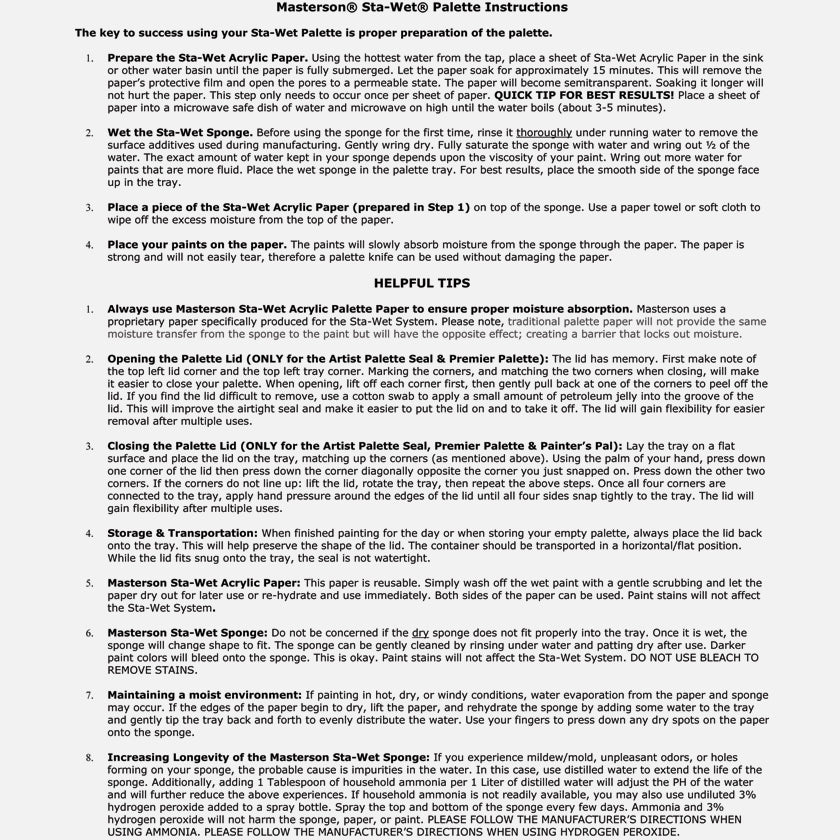
5. Using A Wet Palette
A wet palette is a special palette that keeps acrylic paint moist for days. While this is more about prevention, it’s worth mentioning because it saves you from having to rehydrate so often.
How it works:
- A wet palette uses a layer of water under a semi-porous paper (like parchment).
- The water vapor keeps the paint soft.
- You can buy ready-made wet palettes or make your own with a shallow container, sponge, and baking paper.
Tip: If your paint dries out on a wet palette, mist it and close the lid for a few hours.
Comparing Effectiveness Of Rehydration Methods
Here’s how the main methods compare for different levels of dried paint:
| Method | Best For | Texture Restored | Time Needed |
|---|---|---|---|
| Water Spray | Semi-dry, tacky paint | Good | 2–5 minutes |
| Soaking | Thicker, almost dry paint | Fair | 30+ minutes |
| Acrylic Medium | Just-dried paint | Very good | 5–10 minutes |
| Plastic Wrap | Paint drying on palette | Good | 10–30 minutes |
| Wet Palette | Prevention | Excellent | Ongoing |
Factors That Influence Success
Not all acrylic paints rehydrate equally well. Here’s what makes a difference:
- Brand and quality: Student-grade paints dry harder and are tougher to rehydrate. Professional acrylics often have more flexible binders.
- Additives in the paint: Paints with retarders or open time extenders will stay workable longer.
- Thickness of paint layer: Thin layers dry completely and are almost impossible to recover. Thicker blobs or piles are easier.
- How long since drying: The sooner you try to rehydrate, the better the results.

Credit: hugeminis.com
Common Mistakes To Avoid
Many artists waste time or paint because of these mistakes:
- Trying to rehydrate completely cured, rock-hard paint. At this stage, the paint is basically plastic and won’t blend well.
- Soaking the palette with too much water, which washes out color and makes a soupy mess.
- Using harsh chemicals or solvents. These can damage your palette or create fumes.
- Ignoring the clock. Waiting too long means the paint is lost.
- Mixing rehydrated paint with fresh paint for fine details—rehydrated paint often loses vibrancy and smoothness.
Practical Tips For Saving More Paint
Over time, you’ll learn tricks that keep your acrylics soft and workable:
- Mist your palette regularly as you paint, not just at the end.
- Cover unused paint with plastic wrap between sessions.
- Use a wet palette for longer painting projects.
- Only squeeze out as much paint as you’ll use in 30–60 minutes.
- Store your palette in a cool, sealed box overnight.
Real-world Example: Saving Paint After A Long Break
Imagine you were painting for three hours and had to leave suddenly. You come back a day later. The paint on your plastic palette is mostly dry, but some blobs are still a little soft.
- First, use a spray bottle to mist the entire palette.
- Cover with plastic wrap and wait 15 minutes.
- Try mixing the softest blobs with a palette knife.
- Scrape off the harder bits, soak in a jar with water and a drop of acrylic medium for 30 minutes.
- Use the revived paint for background washes or texture—not for fine details.
This approach saves about 30% of your paint, which adds up over time.
How Rehydrated Paint Compares To Fresh Paint
You might wonder, “Is rehydrated paint as good as new?” The answer is: not always.
| Aspect | Fresh Paint | Rehydrated Paint |
|---|---|---|
| Color vibrancy | High | Medium to low |
| Texture | Smooth, creamy | Can be grainy |
| Blendability | Excellent | Fair to good |
| Detail work | Best | Not recommended |
| Layering | Strong | May lift or crack |
Rehydrated paint is best for underpainting, backgrounds, or areas where perfect smoothness isn’t critical. For highlights and detail, stick with fresh paint.
When To Let Dried Paint Go
Even with the best methods, some dried acrylic paint is beyond saving. If the paint is fully hard, crumbly, or peels off in flakes, it’s time to clean your palette and start fresh. Trying to save every last bit can waste more time than it’s worth.
Eco-friendly Ways To Dispose Of Dried Acrylic Paint
Acrylic paint is plastic-based. Don’t wash large amounts down the drain. Instead:
- Peel dried paint off plastic or glass palettes and throw in the trash.
- Wipe excess with a paper towel before washing palettes.
- Use up leftover paint for art experiments or color mixing practice.

Credit: www.youtube.com
Bonus: How To Make A Simple Wet Palette At Home
A wet palette is a game-changer for keeping acrylics fresh. Here’s an easy way to make one:
Materials:
- Shallow food container with a tight lid
- Kitchen sponge or folded paper towels
- Baking paper or parchment paper
Steps:
- Cut the sponge to fit the bottom of the container.
- Wet the sponge (not dripping, just damp).
- Lay a piece of baking paper on top.
- Squeeze out your acrylic paint on the paper.
- Snap the lid on when you take breaks.
This simple setup can keep paint workable for several days. For more on wet palettes, check this resource.
Frequently Asked Questions
How Long Can You Keep Acrylic Paint Wet On A Palette?
With a wet palette and regular misting, you can keep acrylic paint workable for 1 to 3 days. In dry climates, check every few hours and add water as needed.
Can You Use Alcohol Or Other Solvents To Rehydrate Acrylic Paint?
No. Alcohol, acetone, or paint thinners will not revive acrylic paint for painting. They can break down the binder, causing poor adhesion and cracking.
Is Rehydrated Acrylic Paint Safe To Use On Finished Artwork?
It’s safe, but the paint may not be as strong or smooth. Use rehydrated paint for backgrounds, underpainting, or texture—not for the final layer.
How Do You Prevent Acrylic Paint From Drying Out In The First Place?
Use a wet palette, mist your paints every 15–30 minutes, cover your palette during breaks, and only squeeze out the amount you’ll use soon.
What’s The Difference Between Student-grade And Professional Acrylics In Terms Of Rehydration?
Professional acrylics often rehydrate better due to higher-quality binders and pigments. Student-grade paints dry harder and are harder to revive.
Rehydrating dried acrylic paint on your palette isn’t always perfect, but it’s a useful skill for any artist. With the right methods, you’ll waste less paint, save money, and have more fun experimenting with your materials. Remember, prevention is always best—but when you need to rescue your paint, now you have the tools and knowledge to do it well.
Credit: newwaveart.com