Creating wall art with a dragonfly as your subject is a wonderful way to bring nature’s elegance indoors. Dragonflies are known for their vibrant colors, delicate wings, and symbolic meanings like transformation and adaptability. If you’ve ever admired their beauty and wanted to capture it on your wall, you’re not alone.
Painting a dragonfly for wall art isn’t just about copying an insect—it’s about expressing creativity, choosing the right style, and making your space unique. Whether you’re a beginner or have some experience, you’ll find all the steps and tips you need right here.
Why Paint A Dragonfly For Wall Art?
Dragonflies are more than just insects; they’re symbols of change, light, and joy in many cultures. Their unique look—a slender body, large eyes, and shimmering wings—makes them a favorite for artists and decorators. Adding a dragonfly painting to your wall can brighten a room, serve as a conversation starter, and show off your artistic side.
Another reason people choose dragonflies is their versatility. You can paint them in a realistic, abstract, or even cartoon style. Their shape fits well in small or large spaces, and their colors can match almost any decor.
Choosing Your Wall And Space
Before you start painting, decide where your dragonfly wall art will go. The wall you choose will affect your design’s size, colors, and details.
- Size matters: Large walls can handle big, bold dragonflies, while smaller spaces might need a simpler, more delicate design.
- Lighting: Natural light can make your colors pop, but artificial lighting can affect how your art looks at night.
- Room function: A bedroom might need softer tones, while a living room or hallway could use brighter, more dynamic colors.
Pro Tip: Always clean your wall first. Dust, grease, or old paint can make your artwork peel or fade. A quick wipe with a damp cloth is enough in most cases.
Gathering Your Materials
Having the right supplies makes painting easier and more enjoyable. Here’s what you’ll need:
Basic Materials
- Acrylic paints: These are ideal for wall art because they dry quickly and are easy to layer.
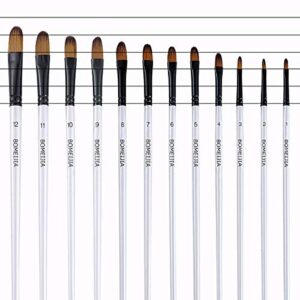
- Brushes: Get a variety—flat brushes for background, round brushes for details, and a fine liner for the dragonfly’s legs and wing lines.
- Pencil and eraser: For sketching your design.
- Painter’s tape: Helps with clean edges if you want a defined border.
- Palette: For mixing colors.
- Water cup and rags: For cleaning brushes.
Optional Extras
- Projector: To trace a detailed dragonfly outline onto the wall, especially for larger art.
- Stencils: Pre-cut dragonfly shapes if you prefer not to draw freehand.
- Varnish: A clear acrylic spray to protect your finished art from fading and dust.
Typical Supply Cost Comparison
Here’s a quick look at basic supply costs:
| Item | Budget Option (USD) | Premium Option (USD) |
|---|---|---|
| Acrylic Paints (Set) | $10 | $40 |
| Brush Set | $6 | $30 |
| Painter’s Tape | $3 | $10 |
| Varnish | $7 | $18 |
Planning Your Dragonfly Design
You don’t need to be an expert artist to create a beautiful dragonfly. Start with a plan:
- Find inspiration: Look at dragonfly photos, wall art, or nature books. Notice the wing patterns, body shape, and colors.
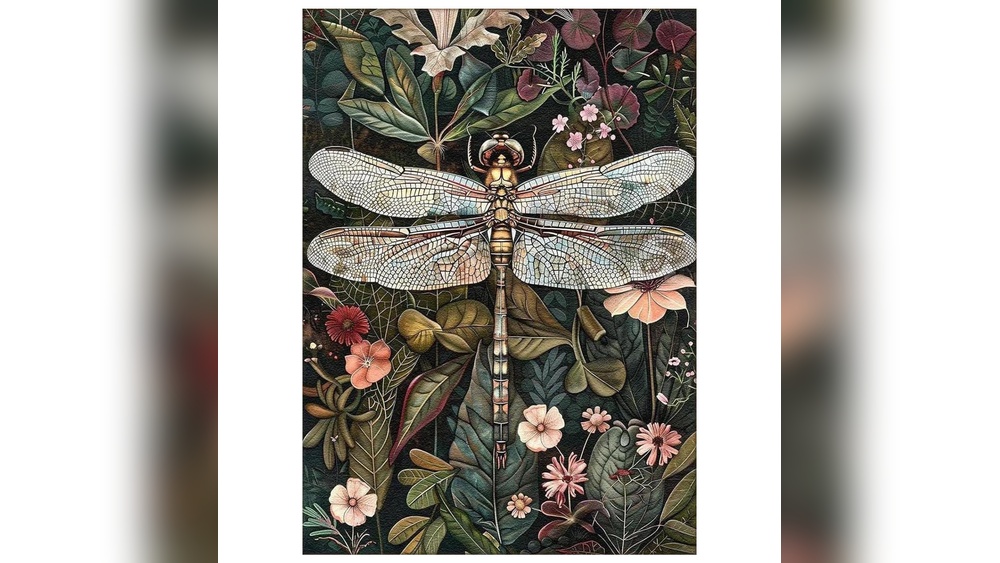
- Decide on style: Do you want a realistic dragonfly, something abstract, or cartoonish? Realistic styles need more detail, while abstract can be bold and simple.
- Choose your colors: Dragonflies come in blue, green, red, and even black. You can use real-life colors or match your room’s color scheme.
- Sketch first: Use a pencil to lightly draw the dragonfly on the wall. Make adjustments until you’re happy with the design.
Non-obvious insight: If you’re unsure about your drawing skills, print a photo of a dragonfly, tape it to the wall, and use carbon paper to trace the outline. This trick is simple, affordable, and delivers a clean base for painting.

Credit: paintingbynumbersshop.com
Painting Step-by-step
Let’s break down the painting process so you can follow along confidently.
1. Preparing The Wall
- Clean the wall with a damp cloth.
- If the wall color is dark and you want bright dragonfly colors, apply a white acrylic base coat and let it dry.
- Use painter’s tape to mark borders or protect nearby surfaces.
2. Sketching The Dragonfly
- Lightly sketch the dragonfly with pencil. Start with the body (a thin oval), then add the head (a circle) and tail (long, thin rectangle).
- Draw four wings—two on each side. Dragonfly wings are longer than the body and slightly curved.
- Mark simple lines for legs.
3. Painting The Background (optional)
- Some artists like a simple color wash, while others leave the wall as is. To make the dragonfly stand out, use a light blue or green wash behind it.
- Use a large flat brush for a smooth background.
4. Filling In The Dragonfly
- Start with the body. Use a small round brush and paint one color at a time.
- Add lighter or darker shades for depth. For example, add a touch of white to the top of the body for shine.
- Paint the wings next. Dragonfly wings are often transparent with veins. Use a watered-down white or silver paint for a see-through look, and add thin lines with a fine brush for veins.
5. Detailing
- Add eyes using a dark color—dragonfly eyes are large and round.
- Use a fine liner brush to paint legs and detailed wing lines.
- Add highlights or shimmer using metallic or pearl paints for a magical effect.
6. Finishing Touches
- Step back and look at your art from a distance. Fix any uneven edges or missing details.
- When dry, consider spraying a clear varnish for protection and easy cleaning.
Non-obvious insight: Don’t rush the drying process between layers. Even though acrylics dry fast, waiting an extra 10 minutes between steps can prevent smudging, especially with wing details.
Common Mistakes To Avoid
Beginners often make a few errors when painting a dragonfly for wall art. Here’s how to avoid them:
- Skipping the background: A plain wall can make your art look unfinished. Even a light wash adds polish.
- Over-detailing: Too many lines in the wings can look messy. Focus on a few bold veins.
- Color overload: Using every bright color can overwhelm the design. Stick to 2-3 main shades for balance.
- Forgetting scale: Double-check your dragonfly’s size. Too small and it gets lost; too big and it might overpower the room.
Experimenting With Styles
Dragonflies work well in many artistic styles. Here’s a comparison of three popular approaches:
| Style | Main Features | Best For |
|---|---|---|
| Realistic | Detailed wings, accurate colors, fine shading | Nature lovers, traditional decor |
| Abstract | Bold lines, non-natural colors, stylized shapes | Modern, creative spaces |
| Cartoon | Exaggerated eyes, simple shapes, bright colors | Kids’ rooms, playful settings |
Adding Extra Elements
A dragonfly alone looks great, but you can make your wall art more interesting by adding extra details:
- Flowers or reeds: These give context and a natural setting.
- Water ripples: Suggest the dragonfly is near a pond or river.
- Multiple dragonflies: A small group adds movement and life.
- Gold or metallic accents: Use gold paint for wing edges or body highlights for a luxury touch.
Pro Tip: Less is more. If you add extra elements, keep them subtle so the dragonfly remains the focus.
How To Fix Mistakes
Every artist makes errors. Don’t worry—most mistakes can be fixed:
- Paint over small mistakes with the wall color once dry, then redo the detail.
- Use a damp rag to quickly wipe off fresh acrylic paint before it dries.
- If a line is shaky, wait for it to dry, then paint a clean line over it with a steady hand.
Preserving Your Wall Art
After you finish, you’ll want your dragonfly wall art to last. Here’s how:
- Seal it: A clear acrylic varnish protects against dust, sun, and cleaning.
- Avoid moisture: Don’t paint in bathrooms or damp areas unless you use waterproof paints.
- Clean gently: Dust with a soft, dry cloth. Avoid scrubbing or using water.

Credit: folksy.com
Inspiration: Real-life Examples
Artists worldwide use dragonflies in wall art. In the Art Nouveau period, dragonfly designs became popular for their flowing lines and natural beauty. Today, you’ll find dragonfly murals in cafes, bedrooms, and even hospitals because they create a calming, joyful atmosphere.
For more on the symbolism and history of dragonflies in art, visit this excellent overview on Wikipedia.
Sample Color Combinations
Here are a few color combinations that work well for dragonfly wall art:
| Body Color | Wing Color | Background |
|---|---|---|
| Turquoise | Silver/White | Pale Blue |
| Emerald Green | Gold | Light Beige |
| Red | Black/Silver | Soft Gray |
| Deep Blue | Pearl White | Light Green |

Credit: www.amazon.com
Making It Your Own
The best dragonfly wall art reflects your personality. Add a touch of glitter for a magical look, or keep it minimalist with just outlines and soft shading. Try painting with friends or family for a group project. Remember, there’s no “wrong” way—every piece of art is unique.
Frequently Asked Questions
How Do I Paint A Dragonfly If I Can’t Draw Well?
Use a stencil or trace an outline from a printed photo using carbon paper. This makes it easy to get accurate shapes without freehand drawing skills.
What Kind Of Paint Is Best For Wall Art?
Acrylic paints are recommended. They dry fast, are easy to layer, and stick well to most wall surfaces. Avoid oil paints, as they take too long to dry and may not work on home walls.
How Long Does It Take To Finish A Dragonfly Wall Painting?
For a medium-sized dragonfly (about 2 feet wide), expect 2–4 hours, including drying time between layers. Larger or more detailed designs can take 5–8 hours.
Can I Paint Over My Dragonfly Art Later If I Want To Change It?
Yes, simply paint a few layers of your wall’s base color over the art once it’s dry. After that, you can create a new design or leave the wall plain.
Are There Any Health Concerns With Wall Paints?
Most acrylic paints are safe for home use, but always paint in a well-ventilated area and check labels for non-toxic certification—especially if painting in kids’ rooms.
Painting a dragonfly for wall art is a rewarding project that brings creativity and nature together. With the right tools, a bit of patience, and your own twist, you’ll create a piece that makes your space feel more alive and welcoming.
Enjoy the process, and let your dragonfly reflect your unique style!