Summer is the perfect time to try something new, relax, and let your creativity shine. Painting is one of the easiest ways to express yourself, especially when the weather is warm and days are longer. If you are a beginner, you may feel nervous about starting.
But don’t worry—summer painting ideas are often simple, colorful, and very forgiving. With the right inspiration, you can create art that makes you proud, even if you have never painted before.
Many people think painting is only for artists. That’s not true. Anyone can enjoy painting, and the summer season gives you plenty of subjects—like flowers, beaches, sunsets, and fruits. You do not need expensive tools or special skills. In fact, most easy painting ideas use basic supplies and simple techniques.
This article will guide you through practical summer painting ideas for beginners, show you what materials to use, and explain useful tips. We’ll also answer common questions to help you start painting with confidence.
Best Materials For Easy Summer Painting
Before you start, you need to choose your supplies. Using the right materials makes painting much easier and more enjoyable.
| Material | Why It’s Good for Beginners | Average Price (USD) |
|---|---|---|
| Watercolor Paints | Easy to clean, soft colors, mistakes can be fixed | 10–20 |
| Acrylic Paints | Dries fast, bright colors, works on many surfaces | 15–30 |
| Brushes (Mixed Sizes) | Different shapes for details or large areas | 8–20 |
| Paper or Canvas | Affordable, easy to use | 5–25 |
| Pencil & Eraser | For sketching before painting | 1–3 |
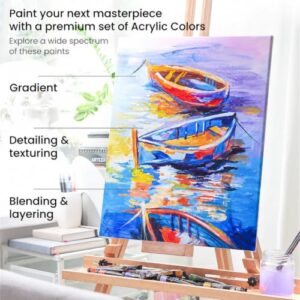
Most beginners start with watercolors or acrylics. Watercolors are great for soft, flowy summer scenes. Acrylics are good if you want bright colors and more texture. Don’t worry about buying expensive brands. Entry-level supplies work well for beginners.
Easy Summer Painting Ideas For Beginners
You might be asking: “What should I paint?” Here are some simple summer painting ideas that anyone can try. Each idea includes practical tips and examples to help you get started.
1. Colorful Beach Scene
A beach scene is a classic summer subject. You only need a few colors—blue for water, yellow or beige for sand, and green for palm trees. Start by sketching a simple horizon line. Paint the sky and water with blue, add sandy areas, and finish with palm tree shapes.
*Tip:* Use a flat brush for the water and a thin brush for palm tree leaves. Don’t worry about perfect details; focus on big shapes and colors.
2. Bright Sunflowers
Sunflowers are easy to paint and bring out the feeling of summer. Begin with a yellow circle for the flower’s base. Add petals using short brush strokes. Paint the center with brown, and add a green stem and leaves.
*Tip:* Try painting several sunflowers together for a fuller look. Overlap petals to make them look natural.
3. Simple Watermelon Slice
Watermelon is a symbol of summer. Start with a triangle or half-circle shape. Fill the inside with red, the outer edge with green, and add black dots for seeds.
*Tip:* Don’t stress over perfect lines. Use a small brush for seeds. If you want, add a light pink wash for highlights.
4. Sunset Over The Lake
Painting a sunset is easier than you think. Use shades of orange, yellow, pink, and purple. Blend colors gently where the sun meets the sky. Add a simple lake with a reflection.
*Tip:* Practice blending colors while they’re wet. If you use acrylics, work quickly so paint doesn’t dry before you finish blending.
5. Ice Cream Cone
Draw a triangle for the cone and an oval or circle on top for the ice cream. Paint the cone with light brown and add lines for texture. Use bright colors for the ice cream—pink, blue, or green.
*Tip:* Add small dots or sprinkles for decoration. Use a white brush to make highlights and make the ice cream look shiny.
6. Sailboat On The Sea
Sailboats are simple shapes—triangles for sails, rectangles for the boat. Paint a blue sea and white clouds. Place the boat in the center or off to one side.
*Tip:* Try painting several boats with different colored sails. You can use masking tape to help make straight lines.
7. Lemonade Glass
Draw a tall rectangle for the glass, then add a yellow circle for the lemon slice. Paint the lemonade with light yellow. Add a straw and some ice cubes if you like.
*Tip:* Use a thin brush for the straw and ice. Shadows under the glass make your painting look more real.
8. Tropical Leaves
Large leaves—like monstera or palm—are very easy to paint. Use greens and blues. Sketch the leaf shape and fill it in with color. Add darker lines for veins.
*Tip:* Paint leaves in different sizes. Try overlapping for a jungle effect.
9. Summer Sky With Clouds
Paint the sky with light blue. Use a round brush to dab white paint for fluffy clouds. Blend the edges for a soft look.
*Tip:* Don’t overwork the clouds. Let some blue show through for a natural effect.
10. Picnic Basket
Draw a simple rectangle or oval. Paint it with brown and add a red-and-white checkered cloth. Fill the basket with fruits or bread.
*Tip:* Use simple shapes for fruits—circles for apples, ovals for bananas.
11. Popsicle
Draw a rectangle for the popsicle and a thin stick. Paint with bright colors like purple, orange, or green. Add white highlights for shine.
*Tip:* Try painting two or three popsicles together with different colors.
12. Flip-flops
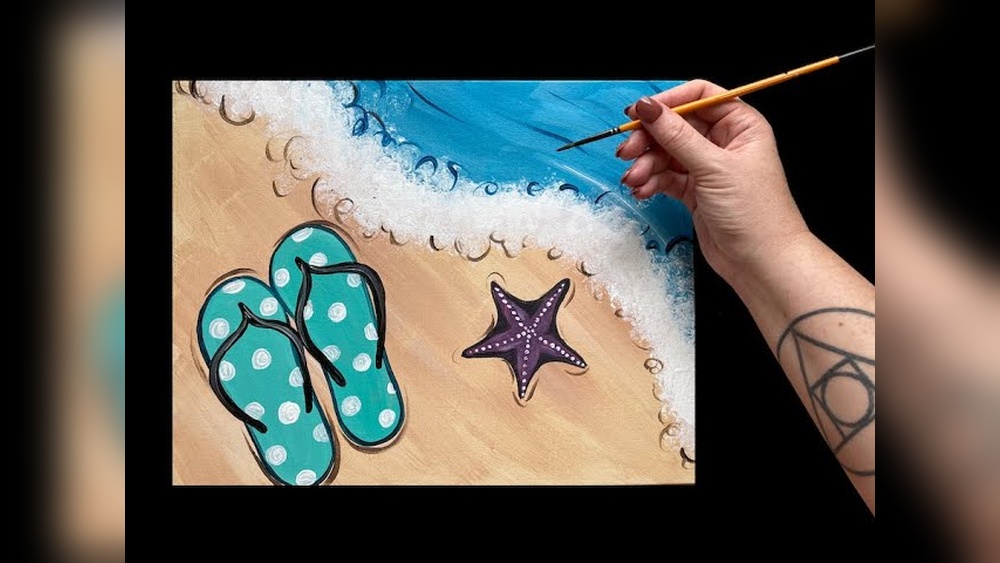
Flip-flops are just two simple shapes—foot-shaped soles and thin straps. Paint the soles with any color and use a thin brush for straps.
*Tip:* Decorate with dots or stripes for a fun effect.
13. Butterfly
Butterflies are classic summer subjects. Draw a simple body and two wings. Paint the wings with bright colors and patterns.
*Tip:* Use reference photos for wing patterns. Don’t worry about perfect symmetry.
14. Strawberry
Draw a small oval for the strawberry. Paint it red, add green leaves, and use a thin brush for tiny yellow seeds.
*Tip:* Paint several strawberries together for a fresh look.
15. Waves
Waves look tricky, but you can use simple curved lines. Paint the sea with blue and white. Add curves for wave shapes and use white paint for foam.
*Tip:* Use a dry brush technique for foam to make it look soft.
16. Garden Flowers
Paint simple flowers—like daisies or tulips. Start with circles for centers and add petals. Use bright colors.
*Tip:* Try painting a bunch of flowers in a vase. Use quick strokes for petals.
17. Fireflies At Night
Paint a dark blue or purple background. Add small yellow dots for fireflies. Paint grass or trees with dark green.
*Tip:* Use a toothpick or small brush for tiny dots. Add a little white for glow.
18. Summer Hat
Draw a large oval for the hat. Paint with light brown or yellow. Add a ribbon or flower decoration.
*Tip:* Paint a shadow under the hat for depth.
19. Palm Trees
Draw a simple trunk with brown, and use a fan brush for green leaves. Paint several trees for a tropical scene.
*Tip:* Add a sunset background for more color.
20. Cherry
Draw a small circle for the cherry and a thin line for the stem. Paint the cherry red and the stem green.
*Tip:* Add white highlights for shine.
Practical Painting Tips For Beginners
Learning to paint can be confusing at first. Here are some tips to help you improve faster:
- Start small. Choose small paper or canvas so you can finish quickly. This builds confidence.
- Use light pencil sketches. Sketch your idea before painting. It helps you plan and avoid mistakes.
- Test colors. Try mixing colors on a palette or scrap paper before using them.
- Don’t fear mistakes. Every artist makes mistakes. If you don’t like something, let it dry and paint over it.
- Watch your brush pressure. Press lightly for details, harder for big areas.
- Keep your workspace clean. Clean brushes between colors so your painting stays bright.
- Try painting outside. Summer is great for outdoor painting. Look for inspiration in parks or gardens.
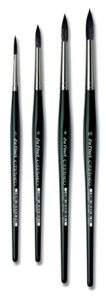
Many beginners forget to let paint dry before adding more layers. This can cause colors to mix in ways you don’t want. Also, don’t ignore the importance of a good brush. Cheap brushes lose hair and make painting harder. Invest in one or two quality brushes if you can.
Simple Techniques For Better Summer Paintings
If you want your summer paintings to stand out, try these beginner-friendly techniques:
Wet-on-wet
Wet your paper or canvas first, then add paint. Colors blend softly, perfect for skies, sunsets, and water.
Dry Brush
Use a dry brush with little paint. This creates texture, good for sand, leaves, or waves.
Layering
Let each layer dry before painting over it. This helps colors stay bright and prevents unwanted mixing.
Masking
Use masking tape to block areas you don’t want painted. Remove the tape after you finish for clean edges.
Splattering
Dip your brush in paint, then tap it to splatter dots. Use this for fireflies, stars, or watermelon seeds.
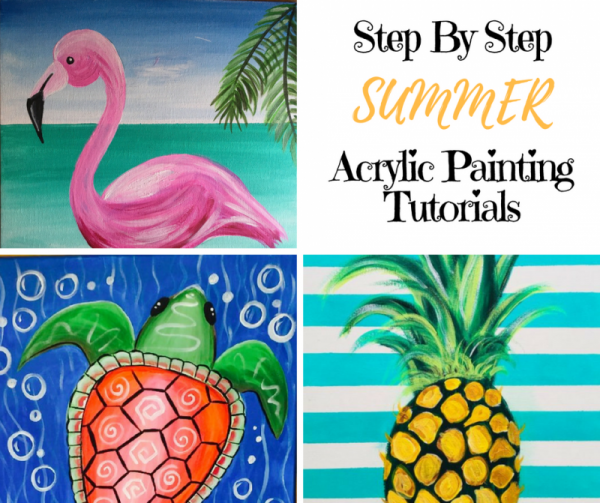
Credit: stepbysteppainting.net
Comparing Watercolor And Acrylic For Summer Painting
Which is better for beginners: watercolor or acrylic? Here’s a quick comparison:
| Feature | Watercolor | Acrylic |
|---|---|---|
| Ease of Use | Very beginner-friendly | Easy, but dries quickly |
| Blending Colors | Easy | Possible, but harder |
| Clean-up | Quick, just water | Needs soap and water |
| Cost | Low | Low to medium |
| Final Look | Soft, transparent | Bold, opaque |
If you like soft, dreamy scenes, watercolor is best. If you prefer bold colors and texture, acrylic works well.
Common Mistakes Beginners Make (and How To Avoid Them)
- Using too much water. Paint will run and lose color. Use less water for strong colors.
- Not cleaning brushes. Dirty brushes make colors muddy.
- Painting too fast. Take your time. Rushing leads to mistakes.
- Ignoring light and shadow. Adding shadows makes your painting look real.
- Copying too closely. Don’t stress about making your painting look exactly like a photo. Enjoy your own style.
Many beginners skip practicing basic shapes. Simple practice—like circles, lines, and triangles—makes painting easier. Also, don’t forget to sign your painting! It’s a small step, but it helps you feel proud and track your progress.

Credit: feelingnifty.com
Finding Inspiration For Summer Paintings
If you run out of ideas, look around you. Summer is full of inspiration:
- Parks, gardens, and beaches
- Local markets with fruits and flowers
- Outdoor cafes and picnic spots
- Photos from vacations or travel sites
You can also find inspiration online. For example, WikiHow offers basic painting tutorials for beginners.
Try mixing two ideas together. Paint a sunset with palm trees or a picnic basket with strawberries. Experimenting helps you learn faster and keeps painting fun.
Frequently Asked Questions
What Is The Easiest Summer Painting Idea For Absolute Beginners?
The easiest is probably a watermelon slice or sunflower. Both use simple shapes and bright colors. You don’t need special brushes, and mistakes are easy to fix.
Can I Use Regular Paper Instead Of Canvas For Summer Painting?
Yes, you can use thick paper for both watercolor and acrylic. Thin paper may wrinkle, so choose paper at least 180gsm (grams per square meter). Canvas is good for acrylic, but not necessary for beginners.
How Long Does A Simple Summer Painting Take To Finish?
Most basic paintings take 30–60 minutes. If you add more details or layers, it may take longer. Watercolor dries quickly, so you can finish faster.
Should I Paint Outside In The Summer?
Painting outside can be fun and inspiring. Make sure you bring all your supplies and work in shade if possible. Protect your painting from wind and insects.
How Do I Fix Mistakes In My Painting?
Let the paint dry. For watercolor, use a wet brush to lift color. For acrylic, paint over mistakes with a new layer. Don’t panic—mistakes are part of learning.
Painting is a great way to enjoy summer, relax, and improve your creative skills. With these easy ideas, practical tips, and simple techniques, you can create art that makes you smile. Remember, every painting is a learning experience. The most important thing is to have fun and try new things.
Summer is the best time to start, so grab your brush and let your creativity flow.

Credit: www.youtube.com