Painting is often pictured as an artist standing in front of an easel, brush in hand, working on a canvas. But what if you do not have an easel? Or maybe you want to paint in a small space, outdoors, or while traveling.
Learning to paint without an easel opens new possibilities and can even improve your technique. Whether you are a beginner or an experienced artist looking to break out of routine, this guide will help you explore creative ways to paint without using a traditional easel.
Why Paint Without An Easel?
Painting without an easel may sound unusual, but it is more common and practical than many think. Many famous artists, including Jackson Pollock, created masterpieces on the floor or walls. Sometimes you just do not have enough space or budget for an easel. Other times, you want to experiment with new angles, materials, or locations.
Painting without an easel can help you:
- Work in limited spaces, like dorm rooms or apartments
- Try new techniques such as pouring or splattering
- Paint outdoors or in nature without heavy equipment
- Avoid spending money on art supplies you do not need
Surfaces You Can Use Instead Of An Easel
You do not need an easel to paint. Many surfaces can hold your canvas, paper, or board securely and comfortably. Here are some popular options:
1. Tabletop
A sturdy table is one of the best alternatives. Lay your canvas or paper flat, or prop it up against a wall or stack of books. This method is perfect for detail work and can help reduce arm fatigue.
2. Floor
Working on the floor gives you more space and freedom to move around your artwork. This is how Jackson Pollock created his famous drip paintings. Protect the floor with plastic sheets or old newspapers before starting.
3. Wall
Taping or pinning your work to a wall keeps it vertical, similar to an easel. Use painter’s tape to avoid damaging your art or wall. This method is especially helpful for larger canvases.
4. Lap Or Handheld
Small canvases, boards, or sketchbooks can be held in your lap or hand. This style works well for sketching and quick studies, especially if you are outdoors or on the move.
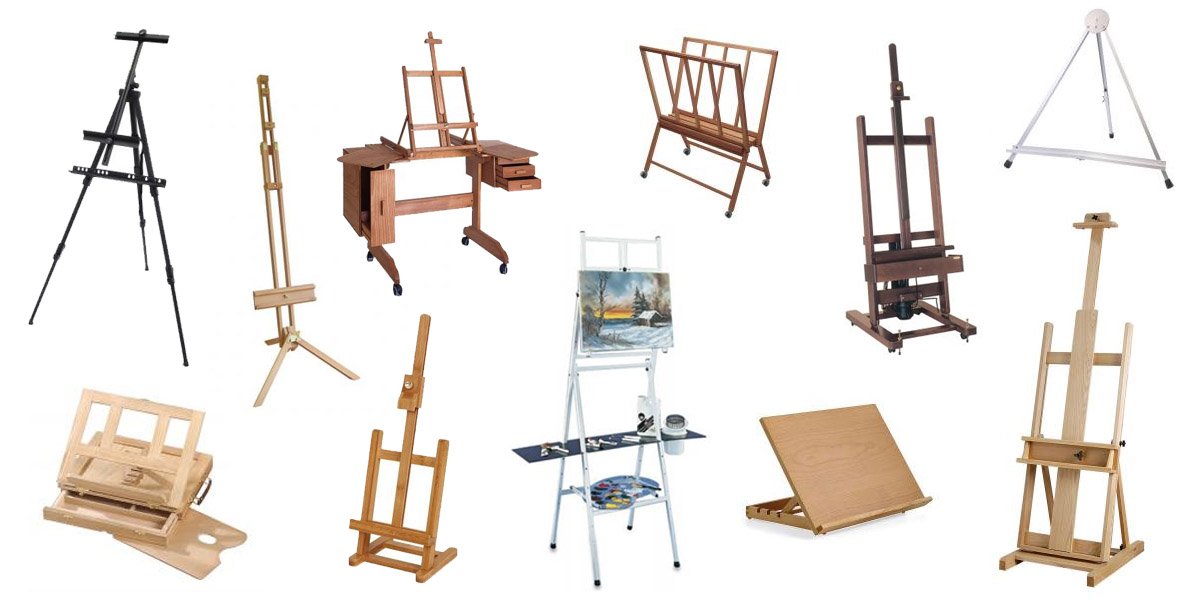
5. Portable Drawing Boards
A lightweight drawing board can turn any location into a painting studio. Hold it in your lap, rest it on a table, or lean it against a chair.
Credit: www.artsupplies.co.uk
Best Painting Positions Without An Easel
The way you position yourself and your canvas affects your comfort and results. Here are the most effective positions:
Seated At A Table
Place your painting surface flat or at a slight angle using a book or small box. This position is gentle on your back and arms, making it ideal for longer sessions.
Kneeling Or Sitting On The Floor
If you are painting a large piece, kneeling or sitting cross-legged on the floor gives you easy access. Try to use a cushion or low stool for comfort.
Standing With Canvas Against A Wall
For bigger works, tape your canvas to a wall at eye level. This lets you use your whole arm for bold strokes.
Reclining Or Lounging
For casual sketching or watercolor studies, holding your work in your lap while reclining can be relaxing. Just make sure your materials are easy to reach.
Comparing Painting Surfaces Without An Easel
Here is a comparison of common surfaces for painting without an easel:
| Surface | Best For | Pros | Cons |
|---|---|---|---|
| Tabletop | Detail work, small to medium pieces | Stable, comfortable, easy access to supplies | Limited for large canvases |
| Floor | Large canvases, expressive techniques | Plenty of space, full movement | Can strain knees/back, needs floor protection |
| Wall | Vertical work, large pieces | Good for standing, saves space | Needs tape/pins, may mark wall |
| Lap/Handheld | Small sketches, outdoor painting | Portable, flexible | Less stable, limited for big works |
| Drawing Board | Medium pieces, travel | Versatile, easy to move | Needs support surface |
Supplies For Painting Without An Easel
The right supplies can make painting easier and more enjoyable. Here is what you may need:
- Sturdy surface: Table, board, or floor covering
- Painter’s tape: To secure your paper or canvas
- Drop cloth or plastic sheet: To protect surfaces
- Palette: For mixing paints, choose a flat or handheld type
- Brushes and tools: Use short-handled brushes for close work
- Water jar/rag: For cleaning brushes
- Cushion or chair: For comfort if working on the floor
If you are painting with watercolors, you will need less setup compared to oil or acrylics. For acrylics or oils, use thicker paper or primed boards to prevent warping.
Techniques For Painting Without An Easel
Painting without an easel can open up new creative techniques:
Pouring And Dripping
With your canvas flat on a table or floor, you can pour, drip, or spatter paint for unique effects. This method works well with fluid acrylics or inks.
Glazing And Layering
A flat surface makes it easier to control thin washes and glazes, as the paint will not run as much as on a vertical surface.
Wet-on-wet
Working on a flat or slightly tilted surface is ideal for wet-on-wet techniques in watercolor or acrylics. The paint spreads more evenly.
Collage And Mixed Media
Adding collage elements or textures is simpler on a table or board, where glue and pieces will not slip or fall.
Step-by-step Guide: Painting Without An Easel
Here is a simple step-by-step process to help you get started:
- Choose your surface: Decide if you want to paint on a table, floor, or wall.
- Protect your area: Lay down a drop cloth, old sheet, or newspapers.
- Secure your support: Tape or clip your canvas, paper, or board so it does not move.
- Organize your supplies: Place your paints, brushes, palette, and water within easy reach.
- Pick your position: Sit, kneel, or stand comfortably.
- Test your technique: Try a few brushstrokes or washes to see how the paint behaves.
- Paint as usual: Apply your chosen technique, taking breaks to stretch and check your work from different angles.
- Let your work dry: On a flat surface, drying may take longer. Make sure your work is safe from dust or pets.
Common Mistakes To Avoid
Painting without an easel can feel different at first. Here are mistakes beginners often make:
- Not protecting the floor or table: Paint can stain, so always use a drop cloth.
- Wrong brush angle: On a flat surface, hold the brush closer to vertical for better control.
- Overloading with water or paint: On flat supports, too much liquid can pool and cause runs or buckling.
- Ignoring body posture: Sitting too long in one position can cause strain. Take breaks and stretch.

Credit: www.wallpics.com
Tips To Improve Your Experience
- Use short-handled brushes for better control up close.
- Try different surfaces and positions until you find what feels best.
- Look at your work from above and from the side to check proportions.
- Take photos as you go to see your progress and spot issues.
- If you work large, step back often to see the whole composition.
Comparing Easel Vs. No Easel Painting
Let’s compare painting with and without an easel to help you decide what works for you:
| Feature | With Easel | Without Easel |
|---|---|---|
| Cost | Higher (easel purchase) | Lower (use what you have) |
| Portability | Bulky, less portable | Very portable |
| Technique Variety | Great for detailed, vertical work | Great for experimental, flat work |
| Space Needed | More room required | Works in small spaces |
| Body Comfort | Standing or sitting upright | Flexible positions |

Credit: www.wallpics.com
Non-obvious Insights For Success
Many artists do not realize that painting without an easel can:
- Improve your brush control: The change in angle helps you develop steadier hands and new ways to manipulate paint.
- Reveal new creative ideas: Breaking the habit of using an easel can inspire fresh approaches, especially in mixed media and abstract work.
Another tip: If you plan to frame your art, check for warping or uneven surfaces before the paint dries completely. Pressing your finished work under a heavy book (with a clean sheet on top) can help flatten paper or thin boards.
When Painting Without An Easel Is Best
Certain situations are perfect for painting without an easel:
- Travel or outdoor sketching: Lightweight and easy setup
- Small spaces or shared rooms: No need to set up bulky equipment
- Art therapy or relaxation: Casual, stress-free process
- Classrooms or group projects: Tables are already available
What The Experts Say
Many art teachers recommend starting without an easel, especially for beginners. It helps you focus on composition, color, and technique rather than equipment. Even advanced artists sometimes prefer a table or floor for specific projects. According to the Artists Network, experimenting with different setups can make you a more adaptable and skilled painter.
Frequently Asked Questions
Is It Harder To Paint Without An Easel?
Painting without an easel is not necessarily harder, just different. It may take time to adjust, especially for large canvases or detailed work, but it can offer more flexibility and new creative options.
What Should I Use To Keep My Paper Or Canvas From Moving?
Use painter’s tape, clips, or weights at the corners to hold your work steady. For thicker boards, non-slip mats underneath can help keep them in place.
Can I Paint With Oils Or Acrylics Without An Easel?
Yes. Both oils and acrylics work well on flat or angled surfaces. Just be careful with very wet paint, as it can pool. Make sure your surface is strong enough to support heavier materials.
How Do I Avoid Making A Mess?
Always cover your workspace with a drop cloth or old sheet. Keep water, paints, and brushes on a tray to catch drips. Clean up spills immediately to prevent stains.
Will My Painting Look Different If I Do Not Use An Easel?
The main difference is your viewpoint. On a flat surface, you may need to stand up and look from above to check proportions. Some techniques, like pouring or collage, actually work better flat. The final artwork can be just as strong.
Painting without an easel is not just a backup plan—it is a creative choice that can lead to exciting discoveries. By adapting your setup, trying new positions, and focusing on technique, you can paint anywhere, anytime. Stay curious, experiment with different surfaces, and enjoy the freedom that comes with breaking traditional rules.
Your next masterpiece might begin on a table, the floor, or even your lap. Happy painting!